SALUD: EL COVID 19 EN LA ACTUALIDAD Y COMO EVITAR VOLVER A CONTRAERLO

-Anticipation is our responsibility
-When in doubt, ask the specialists
-The pandemic is not over, it continues, silent but it is
-Currently, the COVID-19 pandemic is causing a 25% increase in the prevalence of anxiety and depression worldwide.
-The current information we have about the impact of COVID-19 on the world’s mental health is just the tip of the iceberg.» said Dr. Tedros Adhanom Ghebreyesus, WHO Director-General. «This is just a wake-up call to all countries to pay more attention to mental health and do a better job of supporting the mental health of their populations.» Continúa leyendo SALUD: EL COVID 19 EN LA ACTUALIDAD Y COMO EVITAR VOLVER A CONTRAERLO
SALUD: ¿PORQUE, NO TODOS SE CONTAGIAN CON EL COVID-19?

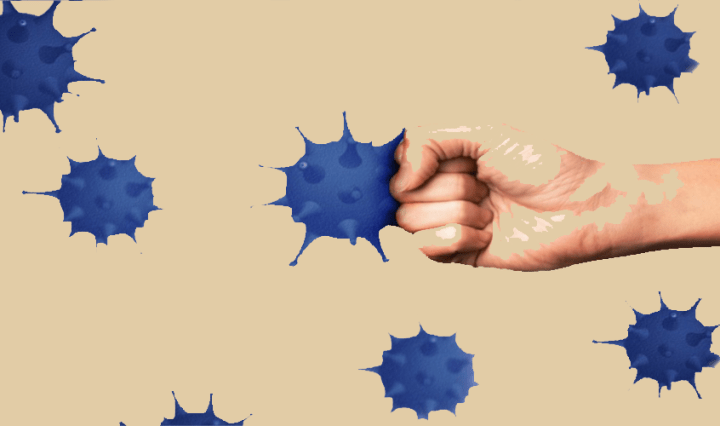
SARS-CoV-2 is an extreme example of the mystery of infection: it can kill some and go unnoticed by others. Continúa leyendo SALUD: ¿PORQUE, NO TODOS SE CONTAGIAN CON EL COVID-19?

ESPAÑA: INVESTIGACIÓN YA EN FASE PRE CLÍNICA PARA FRENAR EL AVANCE DE LA METASTASIS

Two years later, at the prestigious Vall D’Hebron Hospital in Barcelona, ​​Catalonia, Spain, a group of researchers from the Oncology Institute have taken a further step to find out how cells fall asleep and what can be done to prevent them from waking up. Continúa leyendo ESPAÑA: INVESTIGACIÓN YA EN FASE PRE CLÍNICA PARA FRENAR EL AVANCE DE LA METASTASIS

NUTRICION: ALIMENTOS RICOS EN PROTEÍNAS PARA AUMENTAR LA MASA MUSCULAR

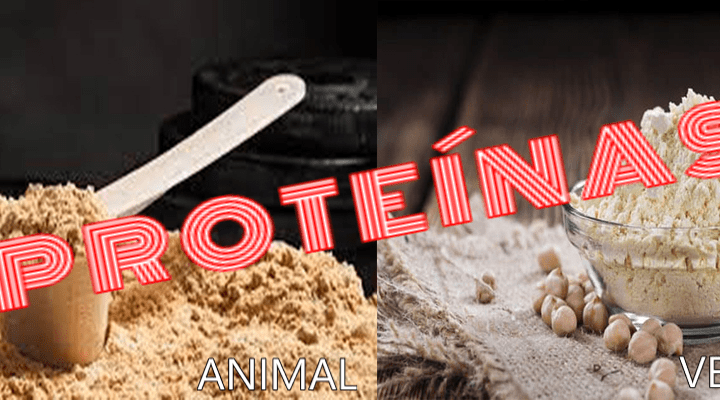
There are proteins of animal origin that usually have more protein with a more complete composition, although they have more fat, and we also have those of vegetable origin, so if your diet is exclusively vegetable, you can obtain all the necessary protein nutrients, but they must be combined correctly to that the body acquires all the essential amino acids. Continúa leyendo NUTRICION: ALIMENTOS RICOS EN PROTEÍNAS PARA AUMENTAR LA MASA MUSCULAR

NUTRICION: PROTEINAS (II) /NUTRITION: PROTEINS (II)

Proteins are large, complex molecules that perform many critical functions in the body with most of the work done in cells and necessary for the structure, function, and regulation of the body’s tissues and organs. They are made up of hundreds or thousands of smaller units called amino acids, which are linked together in long chains of which there are 20 different types of amino acids that can be combined to form a protein. The amino acid sequence determines the unique three-dimensional structure of each protein and its specific function. Proteins can be described based on their wide range of functions in the body. Continúa leyendo NUTRICION: PROTEINAS (II) /NUTRITION: PROTEINS (II)

NUTRICION: PROTEINAS (I)

La popularidad de las dietas hiperproteicas viene de lejos y se mantiene en la actualidad, gracias a las múltiples y variopintas propuestas que cada año inundan librerías y pantallas. Las mismas fórmulas de siempre, vestidas con diferentes nombres. A corto plazo, estas dietas consiguen una mayor pérdida de peso que las pautas alimentarias convencionales, pero las investigaciones demuestran que esta reducción no se mantiene en el tiempo. Continúa leyendo NUTRICION: PROTEINAS (I)