
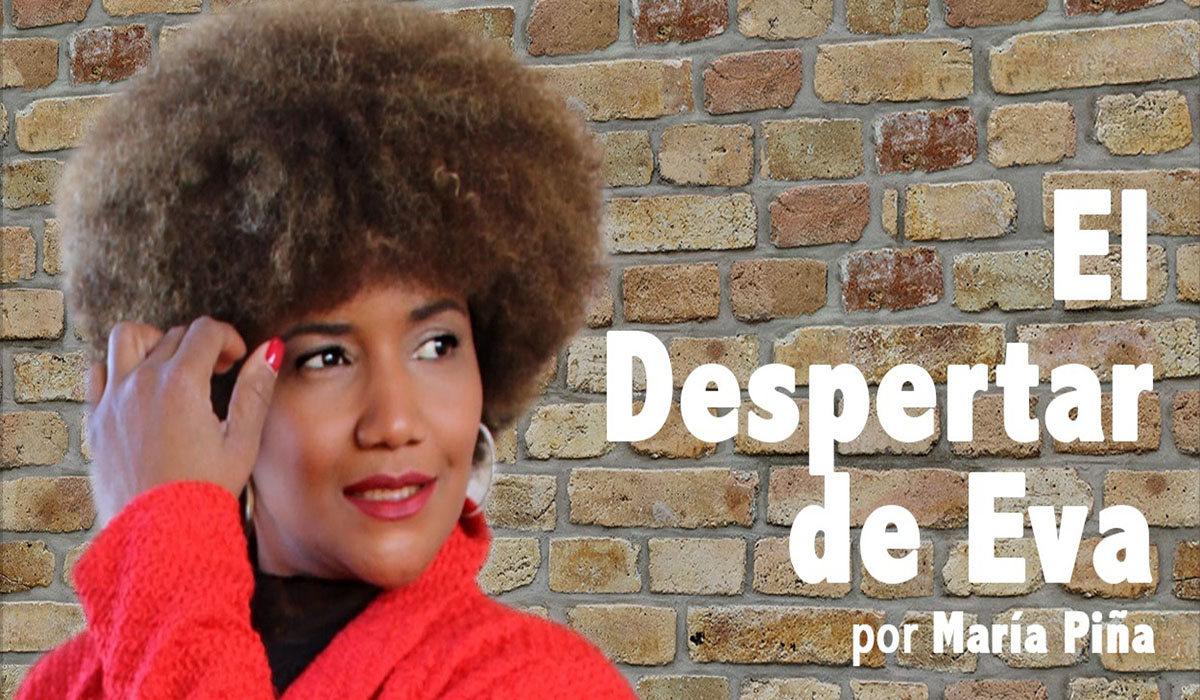
El despertar de Eva… Rompiendo Cadenas: El Viaje hacia el Verdadero Yo

For generations, women have lived with invisible chains that tie us to expectations and norms imposed by society. These chains, although subtle, have shaped the way we think, act and feel, limiting our potential and our freedom of choice. This article proposes to reflect on these ties and explore how we can break them, inspired by historical and contemporary examples that invite us to challenge the status Quo.
Por generaciones, las mujeres hemos vivido con cadenas invisibles que nos atan a expectativas y normas impuestas por la sociedad. Estas cadenas, aunque sutiles, han moldeado nuestra forma de pensar, actuar y sentir, limitando nuestro potencial y nuestra libertad de elección. Este artículo propone reflexionar sobre estas ataduras y explorar cómo podemos romperlas, inspirándonos en ejemplos históricos y contemporáneos que nos invitan a desafiar el status Quo.
Since time immemorial, women have been seen as the guardians of the home, a role that, although noble, has often overshadowed their dreams and ambitions. In the upbringing of our grandmothers and mothers, phrases such as “a woman must sacrifice herself for her family”, “this is not typical of a young lady” or “men are the ones who make important decisions” predominated. These messages, rooted in religious and social dogma, were transmitted as unquestionable truths, leaving generations of women trapped in a pre-designed mold.
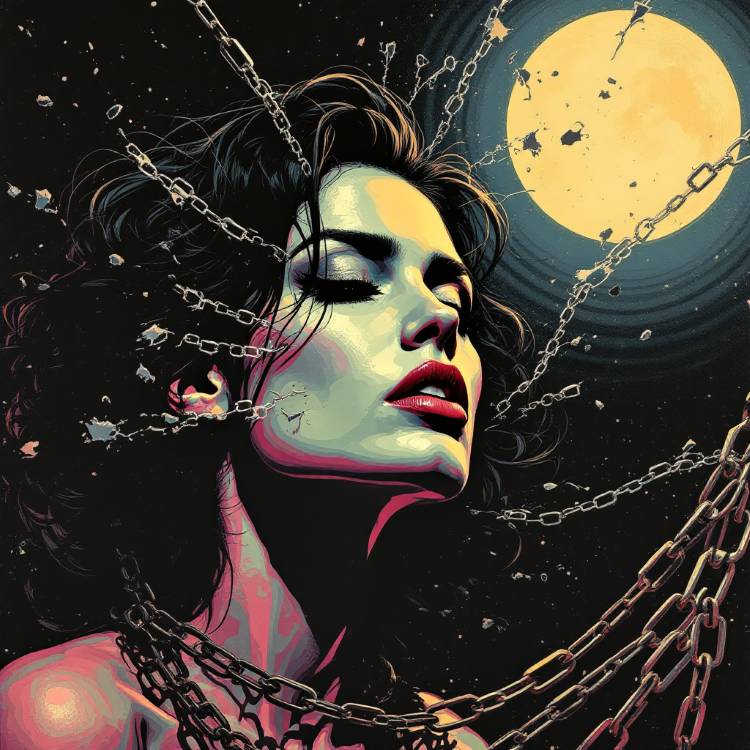
Desde tiempos inmemoriales, las mujeres han sido vistas como las guardianas del hogar, una función que, aunque noble, muchas veces ha eclipsado sus sueños y ambiciones. En la crianza de nuestras abuelas y madres, predominaban frases como “una mujer debe sacrificarse por su familia”, “esto no es propio de una señorita” o “los hombres son quienes toman las decisiones importantes”. Estos mensajes, arraigados en dogmas religiosos y sociales, fueron transmitidos como verdades incuestionables, dejando a generaciones de mujeres atrapadas en un molde prediseñado.
A historical example that illustrates this reality is the case of Sor Juana Inés de la Cruz, Mexican writer and poet of the 17th century. Although her literary talent was indisputable, she faced a society that did not allow women to stand out outside the religious or domestic sphere. By opting for convent life, Sor Juana sought refuge to develop her intellect in a time that did not offer spaces for women with academic or artistic ambitions. Her struggle for self-determination and her love of knowledge are an early example of female resistance to cultural chains.
Un ejemplo histórico que ilustra esta realidad es el caso de Sor Juana Inés de la Cruz, escritora y poeta mexicana del siglo XVII. Aunque su talento literario era indiscutible, se enfrentó a una sociedad que no permitía que las mujeres destacaran fuera del ámbito religioso o doméstico. Al optar por la vida conventual, Sor Juana buscó refugio para desarrollar su intelecto en una época que no ofrecía espacios para las mujeres con ambiciones académicas o artísticas. Su lucha por la autodeterminación y su amor por el conocimiento son un ejemplo temprano de la resistencia femenina frente a las cadenas culturales.
However, these chains are not a thing of the past. Today, many women still fight against norms that condition their choices. From the careers they “should” study to the way they “should” look, these expectations continue to limit the full development of their potential. In October 2023, a study by the World Economic Forum revealed that, despite advances in gender equality, women remain underrepresented in sectors such as technology and science, due in part to persistent stereotypes.
Sin embargo, estas cadenas no son cosa del pasado. En la actualidad, muchas mujeres aún luchan contra normas que condicionan sus elecciones. Desde las carreras que “deberían” estudiar hasta la forma en que “deberían” lucir, estas expectativas siguen limitando el pleno desarrollo de su potencial. En octubre del pasado año 2023, un estudio del Foro Económico Mundial reveló que, a pesar de los avances en igualdad de género, las mujeres siguen subrepresentadas en sectores como la tecnología y la ciencia, debido en parte a estereotipos persistentes.
Breaking these chains requires courage and self-awareness. Activist and writer Malala Yousafzai is a contemporary example of this struggle. Facing threats for advocating for girls’ education in Pakistan, Malala challenges not only local prejudices, but also global narratives that underestimate the power of youth activism.
Romper estas cadenas requiere valentía y autoconciencia. La activista y escritora Malala Yousafzai es un ejemplo contemporáneo de esta lucha. Enfrentándose a amenazas por abogar por la educación de las niñas en Pakistán, Malala desafía no solo a los prejuicios locales, sino también a las narrativas globales que subestiman el poder del activismo juvenil.
His story reminds us that change begins with questioning inherited beliefs and committing to being true to our convictions.
Su historia nos recuerda que el cambio comienza con cuestionar las creencias heredadas y con el compromiso de ser fieles a nuestras convicciones.
In our daily lives, breaking chains can manifest itself in subtle but deeply transformative gestures. For example, a mother who decides to share domestic responsibilities with her partner not only challenges established cultural norms, but also lays the foundations for an equal education for her children. This education, so urgent and necessary, is key to eradicating, once and for all, the global scourge of violence against women.
En nuestra vida cotidiana, romper cadenas puede manifestarse en gestos sutiles, pero profundamente transformadores. Por ejemplo, una madre que decide compartir las responsabilidades domésticas con su pareja no solo desafía las normas culturales establecidas, sino que también siembra las bases de una educación en igualdad para sus hijos. Esta educación, tan urgente y necesaria, es clave para erradicar, de una vez por todas, la lacra global que representa la violencia contra las mujeres.
Education plays a crucial role in this process. Today we have the responsibility and the privilege of educating differently. Let’s teach girls that their value does not depend on their appearance or meeting other people’s expectations. Let’s show children that equality begins at home, with respect and collaboration as fundamental pillars. By doing so, we are not only freeing our daughters from future chains, but also transforming society from its foundations.
La educación juega un papel crucial en este proceso. Hoy tenemos la responsabilidad y el privilegio de educar diferente. Enseñemos a las niñas que su valor no depende de su apariencia ni de cumplir con expectativas ajenas. Mostremos a los niños que la igualdad comienza en casa, con el respeto y la colaboración como pilares fundamentales. Al hacerlo, no solo estamos liberando a nuestras hijas de cadenas futuras, sino también transformando la sociedad desde sus cimientos.
Historically, social revolutions have been catalyzed by acts of individual courage. Rosa Parks, by refusing to give up her seat on a segregated bus, started a movement that changed the history of civil rights in the United States. Similarly, every time a woman chooses to prioritize her well-being and dreams over external expectations, she is taking a step toward a personal revolution that, together, can transform the world.
Históricamente, las revoluciones sociales han sido catalizadas por actos de valentía individual. Rosa Parks, al negarse a ceder su asiento en un autobús segregado, inició un movimiento que cambió la historia de los derechos civiles en Estados Unidos. De manera similar, cada vez que una mujer elige priorizar su bienestar y sus sueños sobre las expectativas externas, está dando un paso hacia una revolución personal que, en conjunto, puede transformar el mundo.
Breaking chains is not an act of rebellion, it is an act of self-love. It implies recognizing that we deserve to occupy spaces that were previously denied to us and that we have the right to write our own history. This journey towards the true self is not without challenges. Speaking out loud, making unpopular decisions, or questioning traditions may draw criticism, but it also inspires others to follow the same path.
Romper cadenas no es un acto de rebeldía, es un acto de amor propio. Implica reconocer que merecemos ocupar espacios que antes nos fueron negados y que tenemos derecho a escribir nuestra propia historia. Este viaje hacia el verdadero yo no está exento de desafíos. Hablar en voz alta, tomar decisiones impopulares o cuestionar tradiciones puede generar críticas, pero también inspira a otras a seguir el mismo camino.
Today, more than ever, the time to wake up is now. The world is changing, but true transformation begins from within. Every act of personal freedom, every broken chain, is one more step towards a society where women can live fully, being true to who they really are.
Hoy, más que nunca, el momento de despertar es ahora. El mundo está cambiando, pero la verdadera transformación comienza desde dentro. Cada acto de libertad personal, cada cadena rota, es un paso más hacia una sociedad donde las mujeres puedan vivir plenamente, siendo fieles a quienes realmente son.
Let us remember that our freedom is the best legacy we can leave to future generations. Let us continue breaking chains, because in that act of liberation we find the power to discover our true self and impact the world around us.
Recordemos que nuestra libertad es el mejor legado que podemos dejar a las generaciones futuras. Sigamos rompiendo cadenas, porque en ese acto de liberación encontramos el poder de descubrir nuestro verdadero yo y de impactar el mundo que nos rodea.
Original post

Descubre más desde LA AGENCIA MUNDIAL DE PRENSA
Suscríbete y recibe las últimas entradas en tu correo electrónico.
