
THE MOON’S EMBRACE
Introducción / Introduction
CENIZAS DEL PRESENTE: Los estragos de la Guerra y las Heridas que no cierran
ASHES OF THE PRESENT: The ravages of war and the wounds that do not heal
En las calles bombardeadas de Gaza, en las ruinas humeantes de Járkov, en los campos desplazados de Sudán o los escombros de Yemen, la guerra ha dejado de ser un concepto abstracto. Hoy es una herida abierta que sangra a diario en los ojos del mundo. No son conflictos lejanos: son realidades que nos golpean con crudeza, revelando el colapso de la humanidad ante su propio reflejo.
In the bombed-out streets of Gaza, in the smoking ruins of Kharkiv, in the displaced people’s camps of Sudan, or the rubble of Yemen, war is no longer an abstract concept. Today, it’s an open wound that bleeds daily before the eyes of the world. These are not distant conflicts: they are realities that strike us harshly, revealing the collapse of humanity in its own reflection.
Detrás de cada cifra que nos arrojan los noticieros…, hay vidas rotas. Niños que ya no juegan, padre que cavan tumbas con sus propias manos, mujeres que cruzan fronteras con el peso de sus hijos dormidos (o muertos) en brazos. Son imágenes que deberían sacudirnos… pero que corren el riesgo de volverse cotidianas.
Behind every number the news reports throw at us, there are broken lives. Children who no longer play, fathers digging graves with their bare hands, women crossing borders with the weight of their sleeping (or dead) children in their arms. These are images that should shock us… but they risk becoming commonplace.
Los estragos de la guerra no terminan con el sonido del último disparo, sino que comienza justamente ahí…
The ravages of war do not end with the sound of the last shot, but begin right there…
EL MURO INVISIBLE QUE NOS DIVIDE
THE INVISIBLE WALL THAT DIVIDES US
Quienes cruzan la frontera hacia este jardín, no lo hacen con los pies, sino con el alma herida. Son niños que huyen de guerras, madres que lloran en silencio, artistas que perdieron la inspiración, ancianos olvidados por el mundo. Todos ellos entran al jardín de los sueños sin saberlo, empujados por una necesidad: encontrar un refugio donde la esperanza aún tenga raíces…
Those who cross the border into this garden do so not with their feet, but with their wounded souls. They are children fleeing wars, mothers crying in silence, artists who have lost their inspiration, elderly people forgotten by the world. They all enter the garden of dreams without knowing it, driven by a need: to find a refuge where hope still has roots…
De: Virginia Van der Dijs
Adm. de empresas, coach, escritora, conferencista, comunicadora social, columnista.
EL ABRAZO DE LA LUNA
THE MOON'S EMBRACE
“El vuelo de Salah”
“Salah’s Flight”


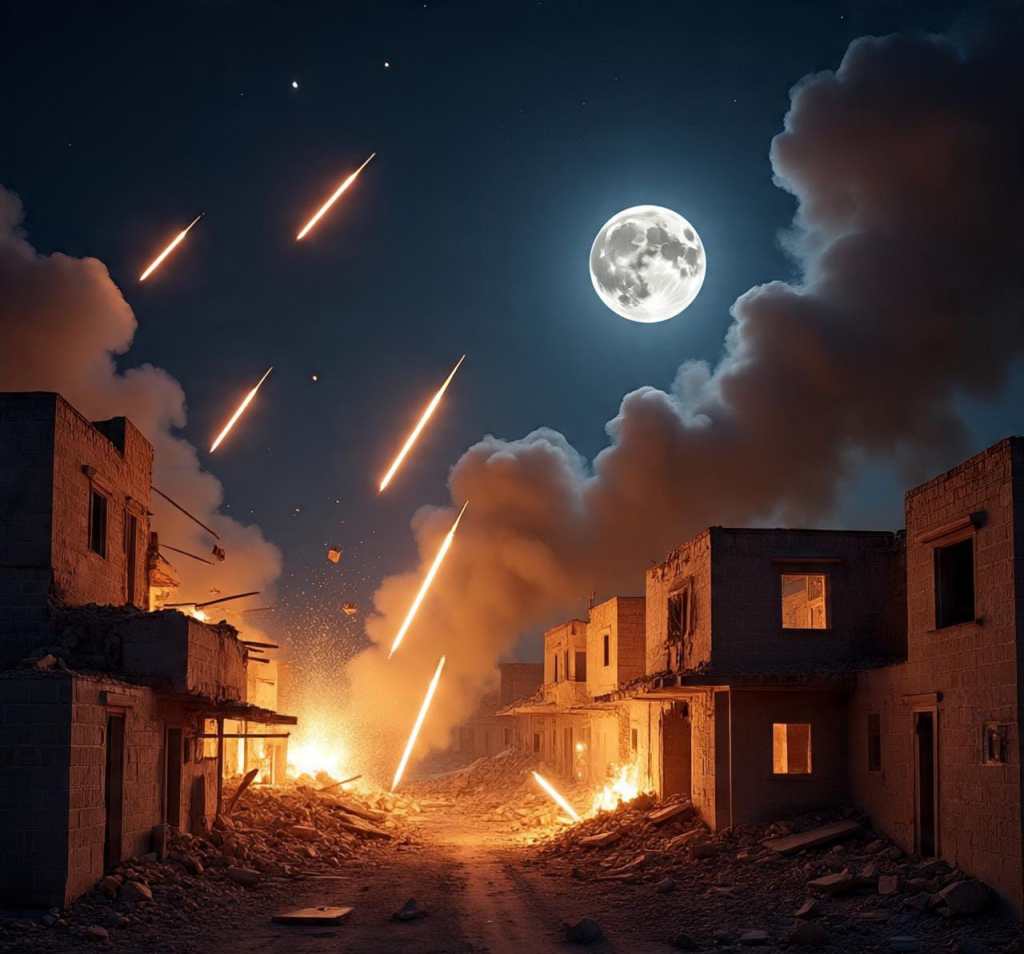
El resplandor de la luna invadió todo el firmamento, aunado a las ráfagas de fuego y misiles que caían por doquier. El niño no podía dormir, no le estaba permitido. Se acurrucó a un costado de la devastada casa y tapándose los oídos, intentó aplacar el taladrante sonido de explosiones que provenían de todas partes.
The moon’s glare filled the sky, combined with bursts of fire and missiles raining down everywhere. The boy couldn’t sleep; he wasn’t allowed to. He huddled against the side of the devastated house and, covering his ears, tried to drown out the piercing sound of explosions coming from all around.
―¿Es el fin del mundo papito Dios?, ¿ese fin del mundo que mamita me contó antes de que muera? ―preguntó Salah al Dios omnipotente.
«Is this the end of the world, Daddy God? Is it the end of the world Mommy told me about before she died?» Salah asked the almighty God.
El llanto lastimero del niño, no se dejaba oír. Su rostro, desgarrado por las esquirlas tomaba matices rojinegros.
The child’s pitiful cry couldn’t be heard. His face, torn by shrapnel, took on shades of red and black.

Levantó la mirada y vio que, en la portentosa luna llena, se dibujaba el rostro de su madre Yesbeth.
He looked up and saw the face of his mother Yesbeth outlined in the portentous full moon.
―Mamita, ven pronto que tengo miedo ―decía sollozando y adolorido.
«Mommy, come quickly, I’m scared,» he said, sobbing and in pain.
El rostro de su madre ataviado con un tichel blanco (velo o pañuelo), sonrió y como un haz de luz, bajó tan pronto, envolviendo entre sus brazos al pequeño Salah.
His mother’s face, draped in a white tichel (veil or scarf), smiled and, like a beam of light, descended, wrapping little Salah in her arms.
―¡Mamá, mamita!, viniste. Abrázame fuerte, muy fuerte, quiero sentir tu calor.
«Mommy, Mommy! You came. Hold me tight, very tight, I want to feel your warmth.»
Los gigantescos brazos de su madre, invadieron toda la habitación.
His mother’s gigantic arms filled the entire room.
―¡Mamita!, ¿por qué te fuiste?, no he comido en días ―decía el niño, aferrándose mucho más a los brazos de su madre.
«Mommy! Why did you leave? I haven’t eaten in days,» the boy said, clinging even more tightly to his mother’s arms.
―Todos tenemos que partir algún día hijito mío, pero ya no llores más, que estoy aquí contigo.
«We all have to leave one day, my little son, but don’t cry anymore, I’m here with you.»

―¿Recuerdas mamita cuando estaba más pequeño y tenía miedo de papá?, me escondía entre tus faldas y él no me podía encontrar.
«Do you remember, Mommy, when I was little and I was scared of Dad? I used to hide in your skirts and he couldn’t find me.»
―Claro que me acuerdo hijo, ¿cómo olvidarlo? eras muy ladino. Sabías liberarte de los apuros siempre.
«Of course I remember, son. How could I forget? You were very clever. You always knew how to get out of trouble.»
―Y cuando estaba enfermo ¿recuerdas que me contabas historias muy bonitas?
«And when I was sick, do you remember that you used to tell me very nice stories?»
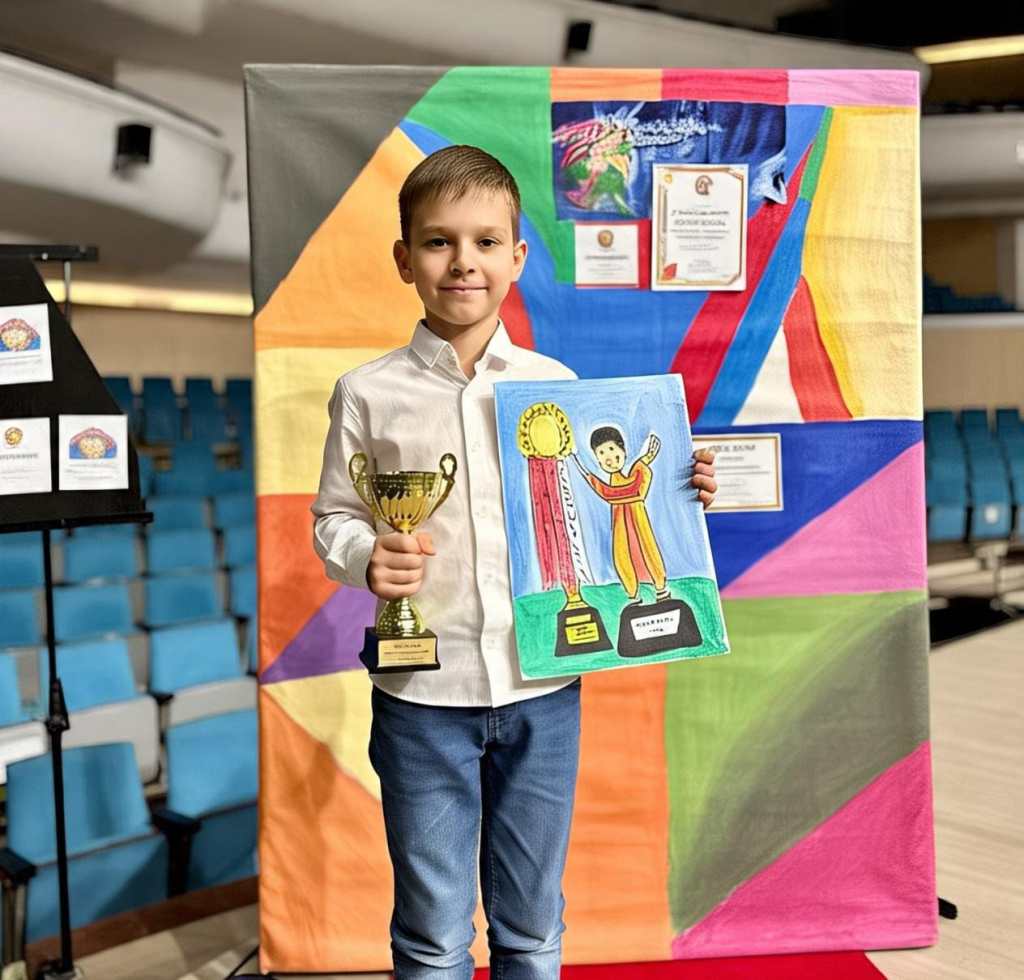
―Si hijito, a ti te gustaba los relatos que te contaba, sobre todo las fantásticas historias del Tanaj (Sagradas Escrituras). Quedabas dormido como un bebé entre mis brazos cuando la luz nos abandonaba. Pero, no solo hubo episodios tristes en tu vida. ¿Recuerdas que te gustaba participar en los concursos de dibujo?
«Yes, my son, you loved the stories I told you, especially the fantastic tales from the Tanakh (Holy Scriptures). You fell asleep like a baby in my arms when the light left us. But there weren’t only sad episodes in your life. Do you remember that you loved participating in drawing contests?»
―Claro que sí mamá, yo siempre ganaba, y no solo los concursos de dibujo; también los de pintura, los de teatro, los de poesía, los de fotografía, los de danza, ya no me querían dejar participar. También recuerdo los días en la playa disfrutando del mar, el sol, el aire; recuerdo las noches cuando salíamos a jugar con mis hermanos hasta muy tarde los juegos de carrera, nadie me podía alcanzar; recuerdo también que gané muchísimo dinero con mis trabajos de artesanía cuando llegaron a la casa unos alemanes, mi papá y mis hermanos no lo podían creer; recuerdo a Lia, la niña que me gustaba por tener los ojos claros; recuerdo las Navidades, los Año Nuevos, los…
«Of course, Mom. I always won, and not just the drawing contests; also the painting contests, the theater contests, the poetry contests, the photography contests, the dance contests. They didn’t want to let me participate anymore. I also remember the days at the beach enjoying the sea, the sun, the fresh air; I remember the nights when my brothers and I would go out playing track games until very late; no one could catch me; I also remember earning a lot of money with my crafts when some Germans came to the house; my dad and brothers couldn’t believe it; I remember Lia, the girl I liked because she had light-colored eyes; I remember Christmases, New Year’s, the…»

―¡Shii!!! Cálmate hijo, vez que no todo fue tristeza. Tú siempre fuiste un ganador.
―Shii!!! Calm down, son. See, it wasn’t all sadness. You were always a winner.
―Pero a ti te perdí mamita.
«But I lost you, Mommy.»
―No me perdiste, yo siempre estoy mirándote desde lo alto. Yo soy la luna que te alumbra en tus días de oscuridad.
«You didn’t lose me. I’m always looking down on you from above. I am the moon that lights you up in your dark days.»
―Pero, no quiero que me mires desde lo alto, quiero que estes cerca de mí.
«But I don’t want you to look down on me, I want you close to me.»
―Para eso he venido hijito de mi corazón. Desde hoy y para siempre estarán a mi regazo.
«That’s why I came, my little son. From today on, you will always be at my side.»
―Si tu eres la luna; entonces, yo seré una estrellita que alumbrará a tu costado a los demás niñitos que, como yo, están solos y tristes porque también perdieron a su mamá y a su papá.
«If you are the moon, then I will be a little star that will light up the other little children at your side who, like me, are alone and sad because they also lost their mother and father.»
―Sí, hay muchos niños huérfanos en este mundo, pero con nosotros partirán algunos de ellos hoy mismo.
«Yes, there are many orphaned children in this world, but some of them will leave us today.»
―Si mamita, yo tengo muchos amiguitos en mi barrio, con ellos me he acompañado en tu ausencia.
―Yes, Mommy, I have many friends in my neighborhood, and they’ve kept me company in your absence.
―Lo sé hijito mío.
―I know, my son.

―Amir, siempre compartió conmigo su pan; Yoset, me llevaba a su casa cada vez que llovía fuego y me ocultaba en un cuarto subterráneo; Ranit, me acompañaba y me contaba chistes para distraerme, yo reía con ella, pero por dentro mi corazón lloraba; el señor Elías, me llevaba al colegio siempre que podía, hasta que también se lo llevó Diosito, según me contaron mis amigos, se fue en un carruaje de fuego, así como el profeta Elías de las sagradas escrituras; Eyal… el pobre Eyal, hace poco perdió una pierna, pero allí sigue con el carisma de siempre.
«Amir always shared his bread with me; Yoset took me to his house every time it rained fire and hid me in an underground room; Ranit kept me company and told me jokes to distract me. I laughed with her, but inside my heart cried; Mr. Elías took me to school whenever he could, until God took him too. According to what my friends told me, he left in a fiery chariot, just like the prophet Elijah from the holy scriptures; Eyal… poor Eyal recently lost a leg, but he’s still there with his usual charisma.»
―Todos ellos nos seguirán y allá en el espacio sideral, volverán a jugar, a reír, a saltar y compartir sus momentos infantiles, mi pequeño Salah.
«They will all follow us, and up in outer space, they will once again play, laugh, jump, and share their childhood moments, my little Salah.»
―¿Por qué tenemos que vivir así mamá?
«Why do we have to live like this, Mom?»
―Solo Dios tiene la respuesta hijito mío.
«Only God has the answer, my son.»

―Ya suéltame mamá, me haces daño. Tu abrazó me lástima y tu calor me sofoca…
«Let me go, Mom, you’re hurting me. Your hug hurts me, and your warmth suffocates me.»
Desde afuera de aquella habitación, brigadas de hombres, intentaban apagar el fuego que se alzaba hasta el cielo. Los gritos de niños, mujeres y hombres atrapados, por las lenguas de fuego se oían al unísono, sin que se pueda hacer mucho para salvarlos. El misil Lunanegra P19249058-JIZA, había impactado en una zona residencial de Tel Aviv, causando estragos cincuenta metros a la redonda.
From outside that room, teams of men were trying to put out the fire that was reaching the sky. The screams of children, women, and men trapped by the flames could be heard in unison, with little being done to save them. The Lunanegra P19249058-JIZA missile had hit a residential area of Tel Aviv, causing havoc within a radius of fifty meters.
Salah, voló junto a otros tantos inocentes, al cielo infinito, hasta la presencia del Dios supremo. Se marcharon sin tener respuesta a tantas preguntas.
Salah flew, along with so many other innocent people, to the infinite sky, to the presence of the supreme God. They left without having answers to so many questions.
―¿Por qué?, ¿para qué?, ¿hasta cuándo?
«Why? What for? Until when?»
Preguntas que el mundo entero; es decir, aquellos que no aman ni propician la guerra, se hacen día a día. La guerra en nombre de la paz, el odio en nombre del Dios de amor: Jehová, Yahvé, Elohim, Adonai, Alá, como quieran llamarlo las cuantiosas religiones que existen. Para mí es el Dios creador, amo y supremo de todas las cosas, el principio y el fin, el Alfa y la Omega, el único dueño de los destinos de la humanidad y el único que sabe la fecha en que acabará esta matanza sin sentido, sin remedio, sin razón. Amén.
Questions that the entire world—that is, those who neither love nor promote war—ask themselves day after day. War in the name of peace, hatred in the name of the God of love: Jehovah, Yahweh, Elohim, Adonai, Allah, whatever the many religions that exist want to call Him. For me, He is the creator God, master and supreme of all things, the beginning and the end, the Alpha and the Omega, the sole master of the destinies of humanity and the only one who knows the date when this senseless, irremediable, and reasonless slaughter will end. Amen.
Descubre más desde LA AGENCIA MUNDIAL DE PRENSA
Suscríbete y recibe las últimas entradas en tu correo electrónico.

