
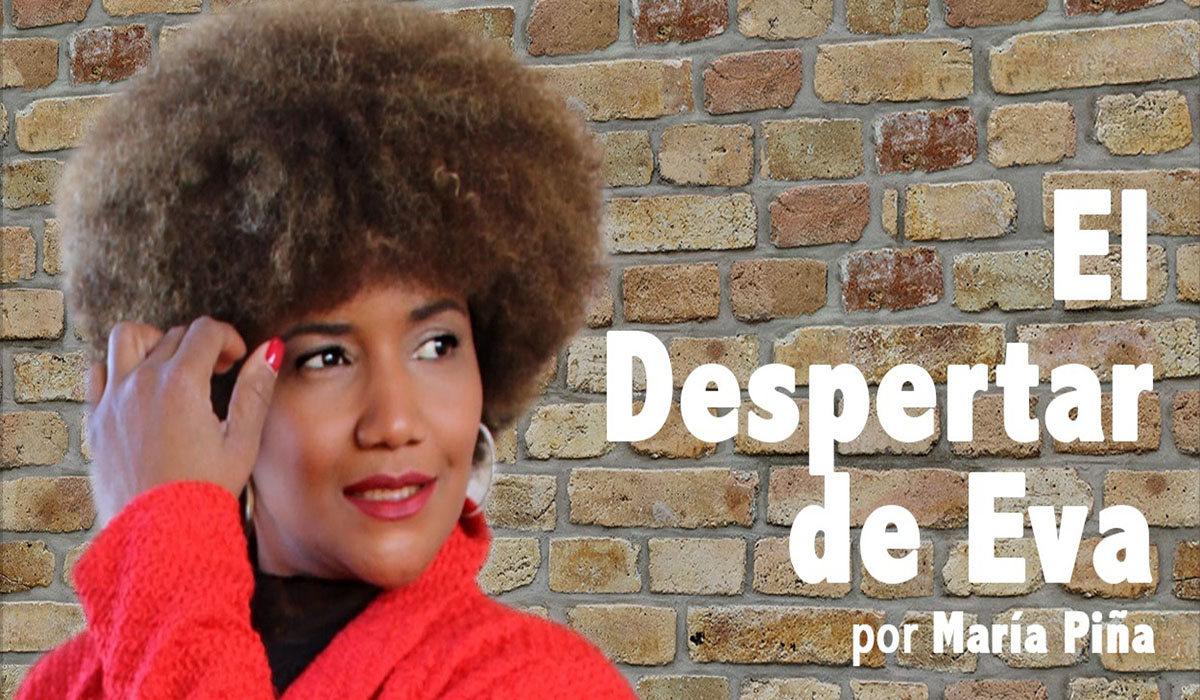
El Despertar de Eva: El poder de decir NO, Libérate de la culpa y aprende a poner límites

COLUMNISTA
Saying «no» is an act of autonomy and empowerment. However, many women have grown up believing that we must be accommodating, avoiding conflicts and prioritizing the needs of others over our own. But at what price?
Decir «no» es un acto de autonomía y empoderamiento. Sin embargo, muchas mujeres hemos crecido con la creencia de que debemos ser complacientes, evitando conflictos y priorizando las necesidades ajenas sobre las propias. Pero, ¿a qué precio?
The fear of disappointing, being judged or appearing «selfish» leads us to accept unwanted commitments, tolerate uncomfortable situations and take on other people’s responsibilities. It is time to break this pattern and learn to say «no» confidently and without guilt because sometimes, without realizing it, we have given in so much that we have lost ourselves.
El temor por decepcionar, ser juzgadas o parecer «egoístas» nos lleva a aceptar compromisos no deseados, tolerar situaciones incómodas y cargar con responsabilidades ajenas. Es momento de romper con este patrón y aprender a decir «no» con seguridad y sin culpa porque a veces, sin darnos cuenta, hemos cedido tanto que nos hemos perdido.

Saying «yes» to everything can cause physical and emotional exhaustion, it fills us with frustration and resentment, we feel like we lack identity and confidence and it leads us to unbalanced relationships where others take advantage of our availability.
Decir «sí» a todo puede provocar agotamiento físico y emocional, nos llena de frustración y resentimiento, sentimos que nos falta identidad y confianza y nos aboca a relaciones desequilibradas donde los demás se aprovechan de nuestra disponibilidad.
It is essential to understand that saying NO does not make us bad people. On the contrary, it strengthens our self-esteem and promotes healthier and more balanced relationships.
Es fundamental comprender que decir NO no nos hace malas personas. Al contrario, fortalece nuestra autoestima y favorece relaciones más sanas y equilibradas.
From childhood, we are taught that being a «good girl» means obeying and pleasing. In many families, the voice of a woman who dares to say «no» has been seen as a challenge, an act of unnecessary rebellion. Phrases such as «you look prettier when you keep quiet,» «women should be helpful,» or «it is your duty as a wife and mother» have shaped our way of relating to others and to ourselves.
Desde la infancia, se nos enseña que ser «buenas niñas» significa obedecer y agradar. En muchas familias, la voz de una mujer que se atreve a decir «no» ha sido vista como un desafío, un acto de rebeldía innecesaria. Frases como «calladita te ves más bonita», «las mujeres deben ser serviciales» o «es tu deber como esposa y madre» han moldeado nuestra manera de relacionarnos con los demás y con nosotras mismas.
And so, we carry this burden into adulthood. We find it difficult to set limits for fear of rejection or generating conflict. At work, we take on more tasks than we can handle to prove our worth. In the family, we say «yes» out of inertia, even though we know we are overloading ourselves. In friendships, we get involved in situations that do us no good for fear of losing ties. In relationships, we tolerate harmful attitudes and, in my opinion, everything has one thing in common: what are they going to think of me? Because, of course, that is not the expected response and then, suddenly, you no longer fit the profile.
Y así, llevamos esta carga a la adultez. Nos cuesta establecer límites por miedo al rechazo o a generar conflictos. En el trabajo, asumimos más tareas de las que podemos manejar para demostrar nuestra valía. En la familia, decimos «sí» por inercia, aunque sepamos que nos estamos sobrecargando. En las amistades, nos involucramos en situaciones que no nos hacen bien por temor a perder vínculos. En la pareja, toleramos actitudes dañinas y en el fondo bajo mi punto de vista, todo tiene un denominador común: ¿qué van a pensar de mí? Porque claro, esa no es la respuesta que se espera y entonces, de repente, ya no encajas en el perfil.
We don’t need to justify ourselves excessively or give long explanations. A clear «no» is enough. And when we do, we open space for what we really want: more time, more energy, more peace of mind.
Of course, there will be people who won’t react well. Those who have become accustomed to us always being there no matter what happens, and may feel uncomfortable with this change. But that’s not our problem. Learning to say «no» is also accepting that we can’t please everyone and as we say in Panama: we are not a gold coin for everyone to like us.
No necesitamos justificarnos en exceso ni dar explicaciones prolongadas. Un «no» claro es suficiente. Y cuando lo hacemos, abrimos espacio para lo que realmente queremos: más tiempo, más energía, más tranquilidad.
Claro, habrá personas que no reaccionarán bien. Aquellos que se han acostumbrado a que estamos siempre y pase lo que pase, y pueden sentirse incómodos con este cambio. Pero eso no es nuestro problema. Aprender a decir «no» es también aceptar que no podemos agradar a todo el mundo y como decimos en Panamá: no somos monedita de oro para que todos nos quieran.
Learning to say no is breaking a pattern already established in our brain, it is breaking that invisible chain that we have validated all our lives as correct and unquestionable. But when you prioritize yourself, when you take the step, at first you feel bad and you sabotage yourself, but as time goes by and you accept it, you realize that the people who value, love and respect you applaud your decision and then you normalize the situation, you internalize it and you feel good, you put yourself first and it’s not selfishness, it’s self-love. I’m at that moment and it hasn’t been easy, but I promise you that I feel better being faithful to my principles and honest with myself and with others. Have people been left behind? Of course they have, but it’s part of the process.
Aprender a decir no, es romper un patrón ya establecido en nuestro cerebro, es romper esa cadena invisible que hemos validado toda nuestra vida como lo correcto e incuestionable. Pero cuando te priorizas, cuando das el paso, primero, te sientes mal y te autosaboteas, pero conforme va pasando el tiempo y lo vas asumiendo, te das cuenta de que las personas que te valoran, quieren y respetan aplauden tu decisión y entonces, normalizas la situación, la vas interiorizando y te sientes bien, te pones en primer lugar y no es egoísmo, es amor propio.
Yo estoy en ese momento y no ha sido fácil, pero te prometo que me siento mejor siendo fiel a mis principios y sincera conmigo y con los demás. ¿Qué se han ido quedando personas en el camino? Por supuesto que sí, pero es parte del proceso.
You know, my dear Eva, saying «no» is not rejecting, it is choosing. It is respecting your time, your desires and your peace of mind. You were not born to please everyone, you were born to live in harmony with yourself.
Ya sabes mi querida Eva, decir «no» no es rechazar, es elegir. Es respetar tu tiempo, tus deseos y tu paz mental. No naciste para complacer a todos, naciste para vivir en armonía contigo misma.

Descubre más desde LA AGENCIA MUNDIAL DE PRENSA
Suscríbete y recibe las últimas entradas en tu correo electrónico.
