

Imagined stories: Melancholy

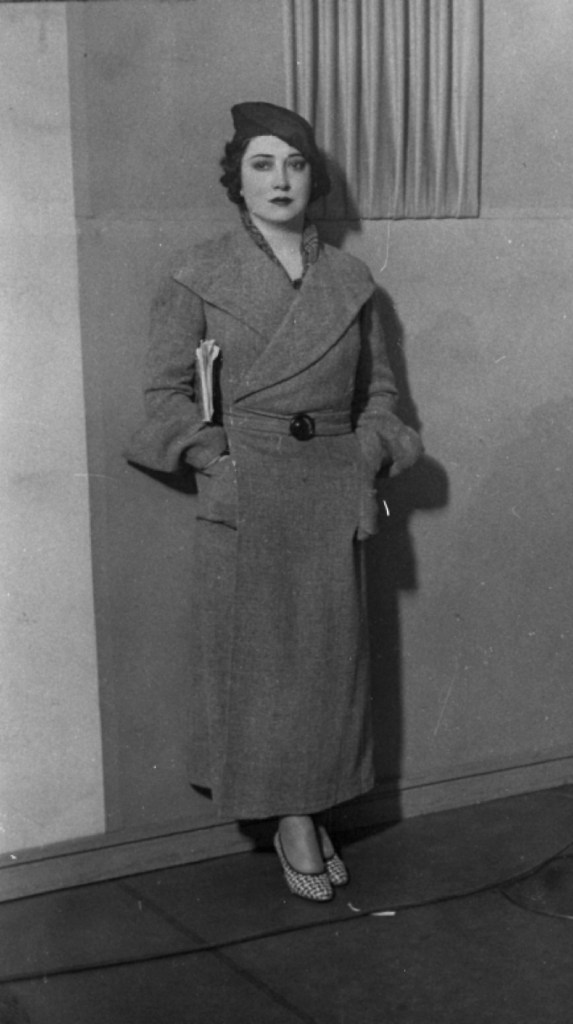
MELANCOLÍA es el título de uno de los poemas de Juana de Ibarbourou, nacida en Melo como Juana Fernández en 1892 y muerta en Montevideo en 1979, ya con el apellido de su marido identificándola. Aunque, en realidad, y gracias a don Juan Zorrilla de San Martín, que la apoyó siempre, se la conoce como “Juana de América”: poetisa y narradora de estilo elíptico, sugerente, formalmente muy rico, que unió el romanticismo con arbitrarias pero atrapantes imágenes del modernismo. Nadie olvida sus principales libros, que han girado por el mundo entero: Las lenguas de diamante, El cántaro fresco, Raíz salvaje, La rosa de los vientos y Elegía. Se le concedió un sillón en la Academia Nacional de Letras. Una mujer iluminada, intensa, sensual.
MELANCHOLY is the title of one of the poems by Juana de Ibarbourou, born in Melo as Juana Fernández in 1892 and died in Montevideo in 1979, already with her husband’s last name identifying her. Although, in reality, and thanks to Don Juan Zorrilla de San Martín, who always supported her, she is known as “Juana of America”: poet and narrator with an elliptical, suggestive, formally very rich style, who united romanticism with arbitrary but Captivating images of modernism. Nobody forgets his main books, which have been circulated around the world: The Diamond Tongues, The Fresh Pitcher, Wild Root, The Compass Rose and Elegy. He was granted a chair at the National Academy of Letters. An illuminated, intense, sensual woman.
MELANCOLÍA / MELANCHOLY
–La sutil hilandera teje su encaje oscuro/ con ansiedad extraña, con paciencia amorosa./ ¡Qué prodigio si fuera hecho de lino puro/ y fuera, en vez de negra la araña,/ color rosa!
-The subtle spinner weaves her dark lace/ with strange anxiety, with loving patience./ What a wonder if it were made of pure linen/ and the spider were, instead of black,/ pink in color!
He creído pasar por tu pequeña casa del Buceo, quizás en verano, retrocediendo yo a la búsqueda de uno de aquellos años donde más intensa, plenamente viviste el reconocimiento a tu poesía, ese arte que no sólo fue admirado aquí sino en toda América, en Europa y en Estados Unidos, donde corrió la suerte de ser incluido, hasta hoy, en los planes de estudio de universidades como Stanford y Harvard.
I thought I passed by your little house in Buceo, perhaps in the summer, going back to the search for one of those years where you most intensely, fully experienced the recognition of your poetry, that art that was not only admired here but throughout America, in Europe and the United States, where he was lucky enough to be included, until today, in the study plans of universities such as Stanford and Harvard.
Claro, ya eras “Juana de América”. Sacralizada, por algún milagro, en tu humanidad imperfecta.
Of course, you were already “Joan of America.” Sacred, by some miracle, in your imperfect humanity.
Y he creído –permíteme esta audacia empujada por la admiración y también el desconcierto- verte tras la ventana, hermosa, todavía con ansias, pero tus bellos ojos velados por la tristeza.
And I thought – allow me this audacity driven by admiration and also confusion – to see you behind the window, beautiful, still eager, but your beautiful eyes veiled by sadness.
¿Sigues saliendo sola por las noches a pasear por la rambla en bata de dormir, despreocupándote si la agita la brisa, pero maquillada y luciendo tu porte al que los años no hurtan su esplendor?
Do you still go out alone at night to walk along the promenade in your nightgown, not worrying if the breeze stirs it, but with makeup and showing off your bearing that the years do not steal its splendor?
¿Acaso aún extrañas tu Melo natal, aquellos sueños juveniles, el vuelo libre, sutil de tus enamoramientos? ¿No me respondes? Hazlo. Quizás mi afiebrada mente soñadora te escuche sin quitar mi vista de esa ventana…
Do you still miss your native Melo, those youthful dreams, the free, subtle flight of your crushes? Don’t you answer me? Do it. Maybe my feverish dreaming mind will hear you without taking my eyes off that window…
-Es que fue mi paraíso al que no he querido volver nunca para no perderlo, pues no hay cielo que se recupere ni edén que se repita… Allá volará mi alma cuando me toque dormir el sueño más largo y pacificado que Dios me conceda a mí, la eterna insomne…
-It was my paradise to which I have never wanted to return so as not to lose it, because there is no heaven that can be recovered nor Eden that can be repeated… My soul will fly there when it is my turn to sleep the longest and most peaceful sleep that God grants me to me, the eternal insomniac…
¡Te he escuchado, Juana!
I heard you, Juana!
Pero… ¿me hablas a mi o a aquel hombre mayor con el que te casaste a los veinte años, o a tu hijo, que ninguno fue bueno contigo, o a ese supuesto amor prohibido que viviste después, casi con locura, aunque tampoco te dio paz?
But… are you talking to me or to that older man you married when you were twenty, or to your son, who was not good to you, or to that supposed forbidden love that you lived later, almost madly, although it didn’t give you peace either?
–En un rincón del huerto aromoso y sombrío/ la velluda hilandera teje su tela leve./ En ella sus diamantes suspenderá el rocío/ y la amarán la luna, el alba, el sol, la nieve.
-In a corner of the aromatic and shadowy garden/ the hairy spinner weaves her light fabric./ In it her diamonds will suspend the dew/ and the moon, the dawn, the sun, the snow will love her.
Ah, preciosa poetisa, infeliz mujer en tu victoria, sigues detrás del amor aunque a veces te inunde la melancolía hasta el sufrimiento, y más allá de tus depresiones y la morfina encima de la mesita de luz para aliviar penas y el tiempo que, sin alma, va pasando.
Ah, beautiful poetess, unhappy woman in your victory, you continue behind love although sometimes melancholy floods you to the point of suffering, and beyond your depressions and the morphine on the nightstand to alleviate sorrows and the time that, without soul, it’s happening.
–¿Sabe usted? Guardo en mi memoria, como la más preciada joya recibida, aquel anillo que don Juan Zorrilla de San Martín me entregó en el Salón de los Pasos Perdidos del Palacio Legislativo. Y sus palabras: “Este anillo, señora, significa sus desposorios con América”.
-Do you know? I keep in my memory, as the most precious jewel received, that ring that Don Juan Zorrilla de San Martín gave me in the Hall of Lost Steps of the Legislative Palace. And his words: “This ring, lady, means your marriage to America.”
Oh, Juana. Por un momento creí sentir la caricia de tu voz. No. Me estoy traicionando ¿también por amor? ¡Mi imaginación! Eso de Zorrilla lo he leído en alguna parte… Tantos, tantos reportajes. Y tus perlas literarias, tantas veces recurridas: Las lenguas de diamante, El cántaro fresco, Raíz salvaje, La rosa de los vientos, Oro y tormenta, Romances del destino y tantas más. Y el resplandor de tu prosa: El cántaro fresco, Chico Carlo, Canto Rodado o Los sueños de Natacha.
Oh, Joan. For a moment I thought I felt the caress of your voice. No. Am I betraying myself, also for love? My imagination! I have read that about Zorrilla somewhere… So many, so many reports. And your literary pearls, so often used: The Diamond Tongues, The Fresh Pitcher, Wild Root, The Compass Rose, Gold and Storm, Romances of Destiny and so many more. And the brilliance of your prose: The Fresh Pitcher, Chico Carlo, Canto Rodado or Natacha’s Dreams.
Cierto: siempre retorna la poesía.
True: poetry always returns.
–Amiga araña: hilo cual tú mi velo de oro/ y en medio del silencio mis joyas elaboro./ Nos une, pues, la angustia de un idéntico afán.
Juana querida: sé que hasta el último día viajó contigo, confortándote en las horas negras tan frecuentes, aquel paraíso de tu niñez y adolescencia en Cerro Largo. Claro que hacia allí volará tu alma. Nada como aquello; ni la lujosa casona de la Unión, que tu esposo y tu hijo llenaron de ostentación, no de pasión, ni la otra, aquella en el Buceo, desde cuya ventana, sombría y final, observabas pasar la vida de los demás sin nunca, pero nunca, despegar de tu corazón el verdadero amor tan buscado en tus paseos nocturnos y entonces, tal vez, ya perdido.
Dear Juana: I know that until the last day he traveled with you, comforting you in the so frequent dark hours, that paradise of your childhood and adolescence in Cerro Largo. Of course your soul will fly there. Nothing like that; nor the luxurious mansion of the Union, which your husband and your son filled with ostentation, not passion, nor the other one, the one in Buceo, from whose window, somber and final, you watched the lives of others go by without ever, but never take away from your heart the true love so sought after on your nightly walks and then, perhaps, already lost.
–Mas pagan tu desvelo la luna y el rocío./ ¡Dios sabe, amiga araña, qué hallaré por el mío!/ ¡Dios sabe, amiga araña, qué premio me darán!
-But the moon and the dew pay for your sleeplessness./ God knows, spider friend, what I will find for mine!/ God knows, spider friend, what prize they will give me!
Descubre más desde LA AGENCIA MUNDIAL DE PRENSA
Suscríbete y recibe las últimas entradas en tu correo electrónico.

La poesía represento un gran recurso, que nació en el alma de inolvidables mujeres: apasionadas, soñadoras, con tanto amor y mucho que expresar al mundo. Dejando invaluables, entrañables e inolvidables huellas de sus sentimientos más profundos y ancias de vivir el verdadero amor. Brindo mis respeto a sus letras, que se hicieron indelebles no solo en los libros e historia: también quedan en quienes tenemos el honor de leer y conocer su profundidad.
Me gustaMe gusta