
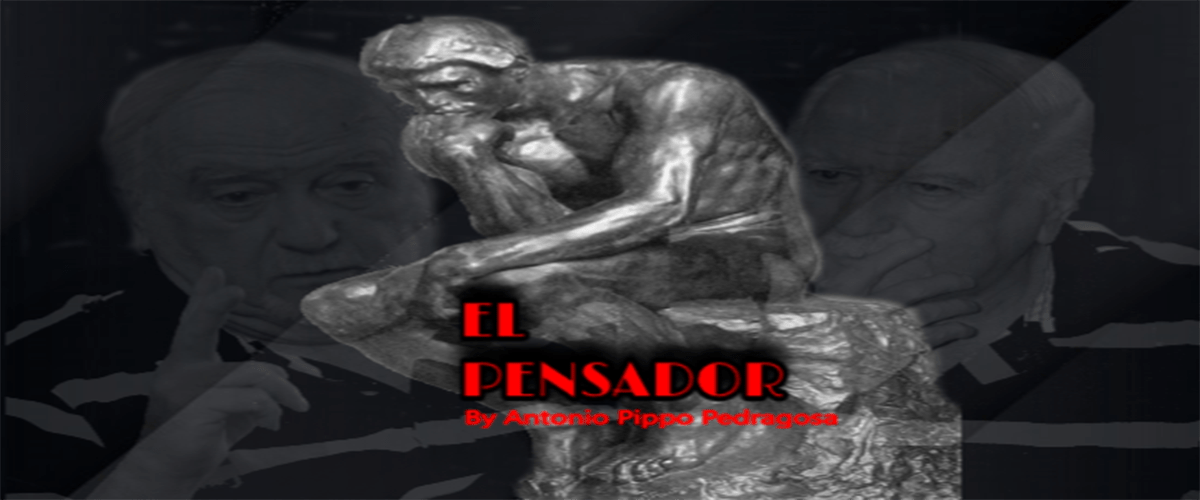
THE THINKER: THE ART IN EDUCATION
En tiempos en que mucho se habla de la reforma de la educación en nuestro país como un operativo definido y en marcha –aunque siga ocurriendo a través de enunciados excesivamente generalizadores- ha cobrado fuerza la propuesta de una incorporación más relevante del arte en el esquema del nuevo sistema.
In times when much is said about the reform of education in our country as a defined and ongoing operation -although it continues to occur through excessively generalizing statements- the proposal for a more relevant incorporation of art in the scheme of art has gained strength. new system.
En realidad, en el perimido sistema anterior, que ahora se propone sacudir con fuerza a través de esta reforma, siempre hubo aprendizaje del arte aunque de un modo poco adecuado, insuficiente o tardío si se tiene en cuenta las edades de los alumnos a partir de las cuales se presentaba la materia.
In reality, in the outdated previous system, which is now proposed to be vigorously shaken through this reform, there was always art learning, albeit in an inappropriate, insufficient or late way if one takes into account the ages of the students from which the matter was presented.
Destacando primero las cualidades del arte, un conocido filósofo afirmó “que se puede decir que el estilo de vida de una sociedad, en un determinado período, está dictado, al menos en cierta medida, por la calidad artística que prevalece en ese momento. Si el arte es bueno y si la gente se interesa en él, entonces el estilo de vida tenderá a ser bueno”.
Emphasizing first the qualities of art, a well-known philosopher stated “that the lifestyle of a society, in a given period, can be said to be dictated, at least to some extent, by the artistic quality prevailing at that time. If the art is good and if people are interested in it, then the lifestyle will tend to be good.
Es como decir que los errores y descuidos estéticos –aunque parezca a muchos una desproporción- pueden tener consecuencias sociales.
It’s like saying that aesthetic errors and carelessness -although it may seem disproportionate to many- can have social consequences.
Ahora, lector, hagamos un esfuerzo por simplificar estas ideas que he descrito para el debate y –para facilitar el entendimiento general- centrémonos en una de las artes más comunes y disfrutadas: la música.
Now, reader, let’s make an effort to simplify these ideas that I have described for discussion and – to facilitate general understanding – let’s focus on one of the most common and enjoyed arts: music.
La psicoterapia moderna ha descubierto que la música, o ciertos tipos de música, despiertan de inmediato la sensibilidad y reacción de los bebés. Obviamente no ocurre con todos y con la misma música, con lo cual aparece de inmediato la búsqueda del docente orientador -o de padres muy conscientes o atentos a las expresiones de sus niños pequeños, que al no ser tantos como quisiéramos y la circunstancia producirse en el hogar, distancia a los profesionales-, que es igual a decir que se pierden por el camino demasiadas oportunidades favorables. Empero, es de todos modos productivo que el proceso comience en los establecimientos pre escolares, a partir, como mínimo, de los dos o tres años, y vaya avanzando en su complejidad de enseñanza y respuesta al ritmo del crecimiento etario de los estudiantes.
Modern psychotherapy has discovered that music, or certain types of music, immediately arouse the sensitivity and reaction of babies. Obviously, it does not happen with everyone and with the same music, which immediately leads to the search for the guidance teacher -or for parents who are very aware or attentive to the expressions of their young children, who, since there are not as many as we would like and the circumstance occurs in home, distance from professionals-, which is the same as saying that too many favorable opportunities are lost along the way. However, it is in any case productive that the process begins in pre-school establishments, from, at least, two or three years old, and progresses in its complexity of teaching and response to the rhythm of the age growth of the students.
Huxley dejó escrito: “La música pertenece a un orden muy misterioso del arte por el solo hecho de que los símbolos que utiliza están alejados de nuestra experiencia inmediata. En literatura utilizamos palabras que tienen un sentido fijado de antemano, y en pintura formas que nos son bastante familiares. Pero en música se trata de tonos que parecen tener vida propia, y ritmos que, si bien son análogos a los ritmos naturales, parecen extrañamente independientes”.
Huxley wrote: “Music belongs to a very mysterious order of art for the sole reason that the symbols it uses are removed from our immediate experience. In literature we use words that have a fixed meaning in advance, and in painting shapes that are quite familiar to us. But in music it’s about tones that seem to have a life of their own, and rhythms that, while analogous to natural rhythms, seem strangely independent.»
La música –como han dicho los profesionales, caso de Beethoven- estaría dotada de una especie de sentido cognitivo, como si nos estuviera diciendo algo sobre la mismísima naturaleza del universo. Claro, probablemente sea imposible desarrollar esta idea con palabras. Sin embargo, ¿qué obstáculo real hay para darle a la música un espacio más abarcador en el sistema general de enseñanza, desde la tierna niñez al final de la adolescencia? Nadie está pensando, por favor, que todo progreso de la enseñanza se resuelva por este camino, ni que el objetivo sea crear un mundo de jóvenes músicos. Pero es científicamente cierto que, haciéndolo, usaremos toda una clase de incidencias sutiles y positivas para el espíritu, que reforzarán toda la enseñanza general en su empuje hacia la benevolencia, la sensibilidad, la creatividad y la apertura al pensamiento libre.
Music –as the professionals have said, in the case of Beethoven- would be endowed with a kind of cognitive sense, as if it were telling us something about the very nature of the universe. Sure, it’s probably impossible to put this idea into words. However, what real obstacle is there to giving music a more encompassing space in the general education system, from early childhood to late adolescence? Nobody is thinking, please, that all progress in teaching is resolved in this way, nor that the goal is to create a world of young musicians. But it is scientifically certain that, by doing so, we will use a whole class of subtle and positive incidences for the spirit, which will reinforce the whole general teaching in its push towards benevolence, sensitivity, creativity and openness to free thought.
Y cierro por ahora con una cita de William James: “Todas las artes, pero en especial la música, aunque hablen de nosotros en nuestra relación con la experiencia inmediata, a la vez nos dicen algo importante sobre la naturaleza del mundo, sobre las misteriosas fuerzas que sentimos alrededor y sobre el orden cósmico que nos parece entrever mientras vivimos y nos esforzamos para ser mejores cada día, junto a docentes preparados para colaborar con nosotros sin una demasiado estrecha relación de dependencia”.
And I close for now with a quote from William James: “All the arts, but especially music, although they speak of us in our relationship with immediate experience, at the same time they tell us something important about the nature of the world, about the mysterious forces that we feel around and on the cosmic order that we seem to glimpse while we live and strive to be better every day, together with teachers prepared to collaborate with us without too close a dependency relationship”.
Señores gobernantes, responsables de las áreas del sistema educativo central, docentes: piensen con más intensidad y rigor acerca de estas ideas, que tal vez he presentado desordenadamente, pero en las que creo con sinceridad.
Governing gentlemen, heads of the areas of the central education system, teachers: think more intensely and rigorously about these ideas, which perhaps I have presented haphazardly, but in which I sincerely believe.
Descubre más desde LA AGENCIA MUNDIAL DE PRENSA
Suscríbete y recibe las últimas entradas en tu correo electrónico.
