


Columnista
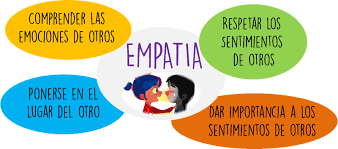
La empatía es una herramienta de percepción profunda. Además de facilitar conexiones y relaciones sociales más efectivas, también nos permite mirar las situaciones vivenciales de los demás, desde otra perspectiva. Podría decirse que es el puente que atraviesa el aislamiento individual; la conexión entre nuestra humanidad y la de nuestro prójimo. Sin ella, estaríamos atrapados en nuestra propia narrativa, asumiendo que nuestra forma de ver el mundo es la única versión de la realidad.
Empathy is a tool for profound perception. Besides facilitating more effective social connections and relationships, it also allows us to view others’ experiences from a different perspective. It could be said that it is the bridge that crosses individual isolation; the connection between our humanity and that of our neighbor. Without it, we would be trapped in our own narrative, assuming that our way of seeing the world is the only version of reality.
A diferencia de la simpatía (sentir por alguien), la empatía es sentir con alguien. No requiere que estés de acuerdo con la otra persona, solo que valides su derecho a sentir lo que siente. Es transformar un simple «te entiendo» en un gran «te acompaño»
Unlike sympathy (feeling for someone), empathy is feeling with someone. It doesn’t require you to agree with the other person, only to validate their right to feel what they feel. It’s transforming a simple «I understand you» into a powerful «I’m with you.»
Indudablemente, la empatía ejerce un gran impacto social, pues es el antídoto natural contra el prejuicio. Es difícil deshumanizar a alguien cuando te has tomado el tiempo de caminar en sus zapatos.
Undoubtedly, empathy has a profound social impact, as it is the natural antidote to prejudice. It’s difficult to dehumanize someone when you’ve taken the time to walk in their shoes.
Pero para que la empatía genere reacciones positivas y soluciones reales, debe haber una frontera clara; Es necesario e importante, aplicar la empatía asertiva que es el punto de equilibrio perfecto: Es la capacidad de conectar profundamente con la emoción del otro sin permitir que esa emoción te arrastre o te haga olvidar tus propias necesidades, pues si te ahogas con el que se está ahogando, ninguno de los dos se salva… Es decir que, en esencia, seamos de corazón blando, pero de columna firme.
But for empathy to generate positive reactions and real solutions, there must be a clear boundary. It’s necessary and important to apply assertive empathy, which is the perfect balance: the ability to connect deeply with another person’s emotions without allowing those emotions to overwhelm you or make you forget your own needs. If you drown with someone who is drowning, neither of you will be saved. In essence, we should be soft-hearted but strong-willed.
Al momento de intentar ayudar en las situaciones difíciles, debemos practicar la escucha asertiva: A menudo, cuando alguien sufre, saltamos de inmediato a dar consejos o soluciones. La empatía asertiva empieza por escuchar para comprender, no para responder. Eso sería la escucha activa -sin resolver-
When trying to help in difficult situations, we must practice assertive listening: Often, when someone is suffering, we immediately jump in to offer advice or solutions. Assertive empathy begins with listening to understand, not to respond. That would be active listening—without trying to solve the problem.
Refleja lo que escuchas, esto valida al otro.
Reflect what you hear; this validates the other person.
Podemos empatizar con la emoción de alguien sin validar su conducta. Por ejemplo, si un amigo te grita porque está estresado, la empatía asertiva dice: «Entiendo que estás bajo mucha presión, pero no voy a permitir que me hables en ese tono».
We can empathize with someone’s emotion without validating their behavior. For example, if a friend yells at you because they’re stressed, assertive empathy says, «I understand you’re under a lot of pressure, but I’m not going to let you speak to me in that tone.»
La empatía también refleja responsabilidad, con nosotros y con los demás.
Empathy also reflects responsibility, both to ourselves and to others.
Lo escrito y publicado aquí, refleja mi opinión personal sobre determinado tema – El cual obviamente investigo y me informo – MAS NO PRETENDE en ningún aspecto ni área, ser una guía de conducta, consejería o sugerencia de vida.
Para ello existen profesionales acreditados a quienes se debe acudir, cuando lo consideremos necesario.
Descubre más desde LA AGENCIA MUNDIAL DE PRENSA
Suscríbete y recibe las últimas entradas en tu correo electrónico.

