

Hay silencios que gritan y voces que, al sonar, descorren las cortinas de siglos de letargo.
There are silences that scream and voices that, when they sound, draw back the curtains of centuries of lethargy.
En el vasto universo de la ficción sonora, donde el artificio suele ganarle la partida a la verdad, surge a veces un milagro acústico que nace de la entraña. Jose Antonio Moctezuma —hombre de radio, artesano del sonido y devoto de las tablas en su México adoptivo— no solo ha dirigido y producido «El Diario de un Loco» de Lu Xun; se ha dejado habitar por él.
In the vast universe of sound fiction, where artifice often triumphs over truth, an acoustic miracle sometimes emerges from the depths of one’s being. Jose Antonio Moctezuma—a radio man, a sound craftsman, and a devotee of the stage in his adopted Mexico—has not only directed and produced Lu Xun’s «Diary of a Madman»; he has allowed himself to be inhabited by it.


El médico que decidió escribir / The doctor who decided to write
Para entender la magnitud de esta obra, hay que viajar al Shaoxing de 1881. Lu Xun, médico de formación, comprendió tras un instante de epifanía cruel que de nada servía sanar cuerpos si el espíritu de una nación estaba podrido por la indiferencia. Decidió entonces ser «médico del alma». Su bisturí fue la pluma; su diagnóstico, una sociedad caníbal.
To understand the magnitude of this work, one must travel back to Shaoxing in 1881. Lu Xun, a physician by training, understood after a moment of cruel epiphany that healing bodies was useless if the spirit of a nation was rotten with indifference. He then decided to become a «doctor of the soul.» His scalpel was the pen; his diagnosis, a cannibalistic society.
En la versión de radioteatro que Jose Antonio nos entrega, esa transición del cuerpo al espíritu se siente en cada matiz. No estamos ante una lectura dramatizada; estamos ante un testimonio.
In the radio drama version that Jose Antonio presents to us, this transition from body to spirit is felt in every nuance. This is not a dramatized reading; it is a testament.
La verdad detrás de la «locura» / The truth behind the «madness»
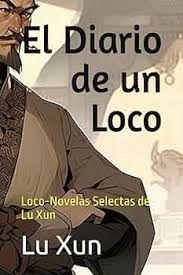
La trama nos sitúa frente a un hombre que descubre lo impensable: entre las líneas de los libros clásicos de moral y virtud, solo se lee «comer personas». Lo que la sociedad llama «tradición», el protagonista lo identifica como canibalismo social.
The plot centers on a man who discovers the unthinkable: between the lines of classic books on morality and virtue, all one reads is «eating people.» What society calls «tradition,» the protagonist identifies as social cannibalism.
¿Es la locura una patología, o es simplemente el nombre que el sistema le pone a la lucidez extrema?
Is madness a pathology, or is it simply the name the system gives to extreme lucidity?
Jose Antonio, con una sensibilidad pulida en el rigor del teatro presencial y la precisión técnica de la edición de audio, logra que el oyente transite por esa paranoia que no es tal. Su interpretación nos obliga a cuestionar nuestras propias suposiciones: ¿Cuántas veces hemos participado, por omisión o silencio, en el banquete de los más débiles?
Jose Antonio, with a sensitivity honed by the rigor of live theater and the technical precision of audio editing, guides the listener through a paranoia that isn’t really paranoia. His performance forces us to question our own assumptions: How many times have we participated, through omission or silence, in the feast of the most vulnerable?
La voz como acto profético / The voice as a prophetic act
Hay una conexión profunda entre el oficio de sacristán de Jose Antonio y este grito de Lu Xun. En la tradición espiritual, el profeta es aquel que ve lo que otros prefieren ignorar. El loco de Lu Xun es un profeta laico. Su desgarrador ruego final —«¿Quedan niños que aún no hayan comido carne humana? Sálvalos…»— resuena en la voz de Jose Antonio con una urgencia que trasciende el tiempo y la geografía.
There is a profound connection between Jose Antonio’s profession as a sacristan and this cry of Lu Xun. In the spiritual tradition, the prophet is the one who sees what others prefer to ignore. Lu Xun’s madman is a secular prophet. His heart-rending final plea—»Are there any children left who have not yet eaten human flesh? Save them…»—resonates in Jose Antonio’s voice with an urgency that transcends time and geography.
Como director de ficción sonora, Jose Antonio ha entendido que el audio no es solo una sucesión de efectos; es un espacio de resistencia. En un mundo saturado de ruido estéril, su obra se erige como un faro de excelencia narrativa.
As a director of sound fiction, Jose Antonio has understood that audio is not just a succession of effects; it is a space of resistance. In a world saturated with sterile noise, his work stands as a beacon of narrative excellence.
Este artículo no es solo una semblanza literaria; es el reconocimiento a un artista que, como Lu Xun, se atreve a mirar al abismo sin cerrar los ojos. Por otro lado Jose Antonio en esta su Ópera Prima de Ficción Sonora, nos recuerda que la verdad no necesita permiso para existir, pero sí necesita una voz que sea lo suficientemente valiente para encarnarla.
This article is not merely a literary sketch; it is a tribute to an artist who, like Lu Xun, dares to gaze into the abyss without closing his eyes. Furthermore, in his debut audio drama, José Antonio reminds us that truth needs no permission to exist, but it does need a voice brave enough to embody it.
Al final, el «loco» es curado y regresa al silencio. Pero nosotros, los que hemos escuchado, ya no podemos volver a dormir. Gracias a la maestría de este hombre de radio y teatro, el primer latido de esta obra sigue golpeando, con fuerza, en el centro de nuestra conciencia.
In the end, the «madman» is cured and returns to silence. But we, those of us who have listened, can no longer sleep. Thanks to the mastery of this man of radio and theater, the first heartbeat of this work continues to strike, powerfully, at the core of our consciousness.

Descubre más desde LA AGENCIA MUNDIAL DE PRENSA
Suscríbete y recibe las últimas entradas en tu correo electrónico.

