
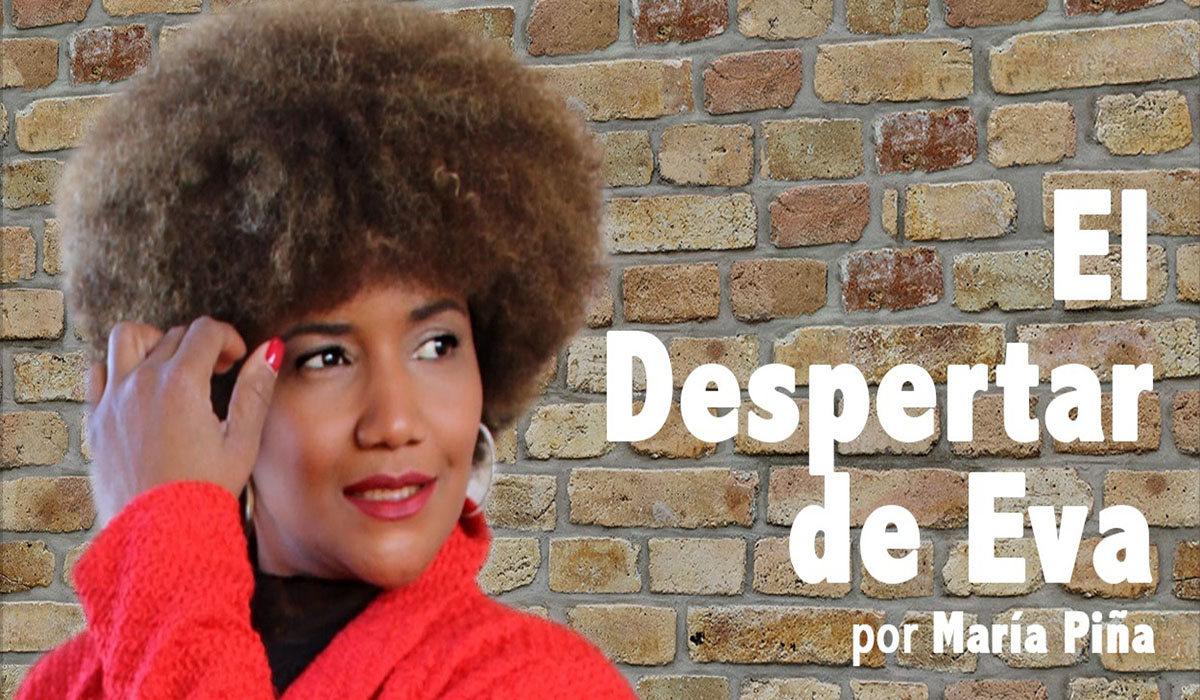
El despertar de Eva, Viernes Santo: el peso de los dogmas y el despertar de nuestra conciencia
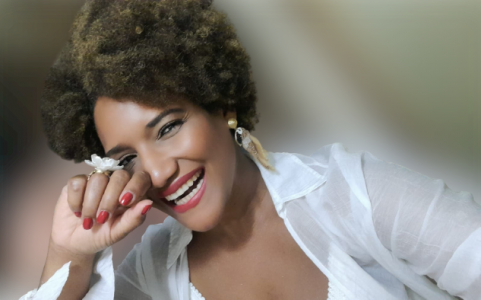
COLUMNISTA
The silence of this Good Friday is not only the echo of a crucified Christ. It is also the whisper of all the norms, fears, and mandates that, generation after generation, have been imposed on us without room for questioning. Like many women of my generation, I grew up in the Dominican Republic under the shadow of a deeply rooted Catholic faith, where tradition weighed more than understanding.
El silencio de este Viernes Santo no es solo el eco de un Cristo crucificado. También es el susurro de todas las normas, miedos y mandatos que, generación tras generación, nos han impuesto sin espacio para el cuestionamiento. Como muchas mujeres de mi generación, crecí en la República Dominicana bajo la sombra de una fe católica profundamente enraizada, donde la tradición pesaba más que la comprensión.
From a young age, we learned that during Holy Week you don’t eat meat. Don’t even ask why. It was simply that, an unquestionable truth. I remember my grandmother crossing herself if someone dared to fry a piece of salami on Good Friday. «Girl, that’s a sin!» she would say, in the same tone one uses to rebuke blasphemy. And you believed it. It wasn’t a spiritual reflection, but a fear. Fear of punishment, fear of what people will say, fear of God.
Desde pequeñas aprendimos que en Semana Santa no se come carne. Ni preguntar por qué. Era simplemente así, una verdad incuestionable. Recuerdo a mi abuela santiguándose si alguien osaba freír un trozo de salami un Viernes Santo. “¡Muchacha, eso es pecado!”, decía, con el mismo tono con el que se reprende una blasfemia. Y una se lo creía. No se trataba de reflexión espiritual, sino de miedo. Miedo al castigo, miedo al qué dirán, miedo a Dios.
Another deep-rooted dogma: you go to the funeral dressed in black, with a solemn face and no makeup. As if grief had a uniform. As if the only valid way to honor a life is through silent sadness and the appearance of mourning. What if I want to celebrate their existence with color? What if the person who passed away didn’t want to see me dressed in shadow? But no. From childhood, we learned that even when it comes to mourning, there are rules.
Otro dogma arraigado: al entierro se va de negro, con rostro solemne y sin maquillaje. Como si el dolor tuviera uniforme. Como si la única manera válida de honrar una vida fuera desde la tristeza silenciosa y la apariencia de duelo. ¿Y si yo quiero celebrar su existencia con colores? ¿Y si la persona que se fue no hubiese querido verme vestida de sombra? Pero no. Desde niñas aprendimos que hasta para llorar hay reglas.

And so, we add other beliefs like not sweeping at night because it ruins our fortunes, that a woman can’t go to Mass alone if she’s «on those days,» that sex can’t be talked about because «it’s dirty,» even though it was God who created us, flesh and blood, and desire. We were shaped by fear, silence, and blind obedience.
Y así, sumamos otras creencias como que no se debe barrer de noche porque se barre la suerte, que una mujer no puede ir sola a misa si está en “esos días”, que no se puede hablar de sexo porque “es sucio”, aunque fue Dios quien nos hizo cuerpo y deseo. Nos moldearon a través del miedo, del silencio y la obediencia ciega.
But there comes a point in life when one begins to wonder: how much of what I believe really comes from me? How much was imposed on me before I was old enough to think for myself?
Pero llega un punto en la vida donde una comienza a preguntarse: ¿cuánto de lo que creo viene realmente de mí? ¿Cuánto me fue impuesto antes de que tuviera edad para pensar por mí misma?
And here I want to pause for a necessary moment. Because although I question many of these commandments, my faith remains intact. I deeply believe in God. In his love, his compassion, his presence. But I’ve also learned to differentiate between faith, church, and religion. Faith is intimate, it’s free, it’s unique to each person. Religion—and even more so the institutions that represent it—can be burdened with human norms, structures, and traditions that don’t always spring from the divine spirit, but rather from a time, a culture, a context.
Y aquí quiero hacer una pausa necesaria. Porque aunque me cuestiono muchos de estos mandatos, mi fe permanece intacta. Creo profundamente en Dios. En su amor, su compasión, su presencia. Pero también he aprendido a diferenciar entre fe, iglesia y religión. La fe es íntima, es libre, es única para cada una. La religión —y más aún las instituciones que la representan— puede estar cargada de normas humanas, de estructuras y tradiciones que no siempre nacen del espíritu divino, sino de una época, de una cultura, de un contexto.
My intention is not to hurt feelings or confront beliefs. On the contrary, I believe that respect for the spirituality of others is essential for peaceful coexistence. Everyone is free to live their faith as they feel it, as they understand it, as they need it. But it is also healthy to recognize that many of the things we repeat today—out of habit, mandate, or fear—do not come from our faith, but from society, from what should be, from «because it’s always been that way.»
Mi intención no es herir sensibilidades, ni enfrentar creencias. Al contrario; creo que el respeto por la espiritualidad del otro es esencial para una convivencia en paz. Cada una es libre de vivir su fe como la sienta, como la entienda, como la necesite. Pero también es sano reconocer que muchas de las cosas que hoy repetimos —por costumbre, por mandato o por temor— no vienen de nuestra fe, sino de la sociedad, del deber ser, del «porque siempre ha sido así».
This Good Friday, I want to invite you to pause. Not to repeat what you were told, but to listen to your inner self. What beliefs do you follow out of inertia? Which ones are already a prison for your soul?
Este Viernes Santo, quiero invitarte a hacer una pausa. No para repetir lo que te dijeron, sino para escuchar tu interior. ¿Qué creencias sigues por inercia? ¿Cuáles son ya una cárcel para tu alma?
Sometimes the greatest act of reverence is unlearning. Questioning isn’t disrespectful; it’s the first step toward a more authentic spirituality. That’s where true awakening begins: when you no longer follow the rules because you were told to, but because you feel them in your soul.
A veces, el mayor acto de reverencia es desaprender. Cuestionar no es falta de respeto, es el primer paso hacia una espiritualidad más auténtica. Es ahí donde comienza el verdadero despertar: cuando ya no sigues las reglas porque te lo dijeron, sino porque las sientes en tu alma.
Today, more than reminding you that Jesus died on the cross, I want to remind you that you too can be resurrected. Return to yourself, think again, believe again from freedom. Let go of imposed mourning, learned fear, inherited sin.
Hoy, más que recordarte que Jesús murió en la cruz, quiero recordarte que tú también puedes resucitar. Volver a ti, volver a pensar, volver a creer desde la libertad. Soltar el luto impuesto, el miedo aprendido, el pecado heredado.
This Friday, don’t worry about whether you eat meat or not. Worry about whether you’re devouring yourself with so much guilt that doesn’t belong to you. Don’t dress in black out of obligation; dress in what your soul needs. And be silent, yes… but let that silence be fertile. Let it allow you to hear your own voice above the noise of dogma. Because in the end, beyond rituals, norms, and forms, what truly matters is being a good person. To love, to respect, and to do no harm. That is the faith that transforms.
Este viernes no te preocupes por si comes carne o no. Preocúpate por si te estás devorando a ti misma con tanta culpa que no te pertenece. No te vistas de negro por obligación, vístete con lo que tu alma necesite. Y haz silencio, sí… pero que ese silencio sea fértil. Que te permita escuchar tu propia voz por encima del ruido de los dogmas. Porque al final, más allá de los ritos, las normas y las formas, lo verdaderamente importante es ser buena persona. Amar, respetar y no hacer daño. Esa es la fe que transforma.
A very big hug!
¡Un fortísimo abrazo!

Descubre más desde LA AGENCIA MUNDIAL DE PRENSA
Suscríbete y recibe las últimas entradas en tu correo electrónico.
