
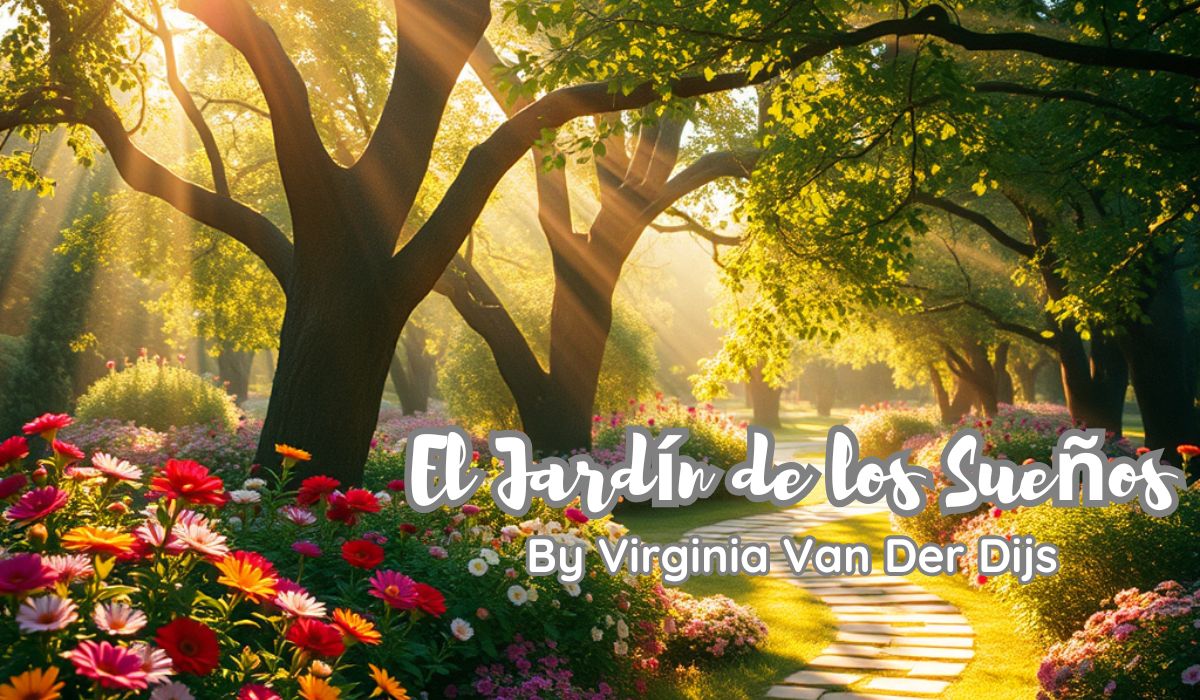
THE GARDEN AS A SPACE OF TRANSFORMATION AND RESILIENCE

Lic.: Virginia Van der Dijs. Adm. de Empresas, Coach Escritora, Conferencista, Comunicadora Social.
COLUMNISTA
El jardín de los sueños no solo es un refugio o un lugar de introspección, sino también un símbolo de transformación y resiliencia. Al igual que un jardín físico, que enfrenta cambios constantes debido al clima, las estaciones y la acción del tiempo, nuestro jardín interno también pasa por ciclos de adversidad, regeneración y florecimiento. Este paralelismo nos invita a reflexionar sobre cómo enfrentamos los desafíos y cómo podemos convertir las experiencias difíciles en oportunidades de crecimiento.
The garden of dreams is not only a refuge or a place of introspection, but also a symbol of transformation and resilience. Just like a physical garden, which faces constant change due to climate, seasons and the action of time, our internal garden also goes through cycles of adversity, regeneration and flourishing. This parallel invites us to reflect on how we face challenges and how we can turn difficult experiences into opportunities for growth.
CICLOS Y RESILIENCIA / CYCLES AND RESILIENCE
La naturaleza nos enseña que todo es cíclico: después de la tormenta viene la calma, la lluvia renueva la tierra, tras un periodo de sequía. En el jardín, las flores marchitas y las hojas caídas no son el final, sino el inicio de un proceso de fertilización y renacimiento. De manera similar, en nuestras vidas, las pérdidas y los fracasos pueden convertirse en la base para comenzar de nuevo.
Nature teaches us that everything is cyclical: after the storm comes calm, the rain renews the earth, after a period of drought. In the garden, withered flowers and fallen leaves are not the end, but the beginning of a process of fertilization and rebirth. Similarly, in our lives, losses and failures can become the foundation for starting over.

La resiliencia, se entiende como la capacidad de adaptarse a los cambios y superar las adversidades, encuentra una antología perfecta en el trabajo del jardinero. Al igual que este cuida del suelo, lo riega lo ara y lo prepara para nuevas siembras, nosotros también debemos cuidar de nuestras emociones y nuestras metas, aprendiendo a soltar lo que ya no nos sirve y abriendo espacio para lo nevo.
Resilience, understood as the ability to adapt to changes and overcome adversities, finds a perfect anthology in the work of the gardener. Just as he takes care of the soil, waters it, plows it and prepares it for new plantings, we must also take care of our emotions and our goals, learning to let go of what no longer serves us and opening space for the new.
LA IMPORTANCIA DE LA PACIENCIA / THE IMPORTANCE OF PATIENCE
Un jardín no florece de la noche a la mañana. Cada planta tiene su propio ritmo y requiere tiempo para germinar, crecer y dar frutos. Este proceso nos enseña la importancia de la paciencia y la constancia. En un mundo acelerado que a menudo demanda resultados inmediatos, el jardín de los sueños nos recuerda que las cosas más valiosas, como nuestros objetivos más profundos necesitan tiempo y dedicación para desarrollarse.
A garden does not bloom overnight. Each plant has its own rhythm and requires time to germinate, grow and bear fruit. This process teaches us the importance of patience and perseverance. In a fast-paced world that often demands immediate results, the garden of dreams reminds us that the most valuable things, like our deepest goals, take time and dedication to develop.
Aprender a aceptar los ritmos naturales de la vida también significa reconocer que no siempre podemos controlarlo todo. A veces, las semillas no germinan, o las plagas afectan nuestras plantas. Estos contratiempos nos enseñan a ser flexibles y a adaptarnos, buscando soluciones creativas y nuevas formas de abordar los problemas.
Learning to accept the natural rhythms of life also means recognizing that we can’t always control everything. Sometimes seeds do not germinate, or pests affect our plants. These setbacks teach us to be flexible and adapt, seeking creative solutions and new ways of approaching problems.
EL JARDÍN COMO ESPACIO DE SANACIÓN Y COMUNIDAD / THE GARDEN AS A SPACE FOR HEALING AND COMMUNITY
Además de ser un lugar de transformación personal, el jardín de los sueños también puede convertirse en un espacio de sanación y conexión con los demás. Los jardines comunitarios, por ejemplo, son un reflejo físico de cómo las personas podemos unirnos para cuidar un espacio compartido y encontrar en ese acto una fuente de apoyo mutuo.
In addition to being a place of personal transformation, the garden of dreams can also become a space for healing and connection with others. Community gardens, for example, are a physical reflection of how people can come together to care for a shared space and find in that act a source of mutual support.
LA SANACIÓN DE LA NATURALEZA / THE HEALING OF NATURE
La interacción con la naturaleza tiene un efecto terapéutico reconocido. Estudios en ecoterapia han demostrado que pasar tiempo en entornos verdes ayuda a reducir la ansiedad, mejora el estado de ánimo y promueve la recuperación de traumas emocionales. Por lo tanto, crear un jardín, ya sea físico o simbólico, es una formula poderosa de reconectar con uno mismo y con tu entorno.
Además, compartir este espacio con otras personas fortalece los lazos sociales y fomenta un sentido de comunidad. En un mundo donde el aislamiento y la desconexión emocional son problemas crecientes, los jardines son una forma de volver a conectar, no solo con la naturaleza, sino con quienes nos rodean.
Interaction with nature has a recognized therapeutic effect. Studies in ecotherapy have shown that spending time in green environments helps reduce anxiety, improve mood, and promote recovery from emotional trauma. Therefore, creating a garden, whether physical or symbolic, is a powerful formula to reconnect with yourself and your environment. Additionally, sharing this space with others strengthens social bonds and fosters a sense of community. In a world where isolation and emotional disconnection are growing problems, gardens are a way to reconnect, not only with nature, but with those around us.
EL JARDÍN COMO LEGADO / THE GARDEN AS A LEGACY
Un jardín no solo beneficia el presente, sino que también deja una huella para el futuro. Las semillas que plantamos hoy también pueden florecer en años venideros, ofreciendo sombra, frutos o belleza a las generaciones futuras. Esta idea de legado se aplica tanto al jardín físico como al simbólico. Al cuidar de nuestro jardín de los sueños, creamos un impacto que puede extenderse más allá de nuestras vidas, inspirando a otros a encontrar su propio espacio de crecimiento y reflexión.
A garden not only benefits the present, but also leaves a mark for the future. The seeds we plant today can also flourish in years to come, offering shade, fruit or beauty to future generations. This idea of legacy applies to both the physical and symbolic gardens. By tending to our garden of dreams, we create an impact that can extend beyond our lives, inspiring others to find their own space for growth and reflection.
UNA INVITACIÓN A LA REFLEXIÓN Y A LA ACCIÓN / AN INVITATION TO REFLECTION AND ACTION
El jardín de los sueños, en todas sus dimensiones, es una invitación a reflexionar sobre nuestra relación con la naturaleza, con nosotros mismos y con los demás. Al cultivar este espacio, no solo trabajamos en nuestra paz interior y nuestro crecimiento personal, sino también contribuimos a un mundo más equilibrado y consciente.
The garden of dreams, in all its dimensions, is an invitation to reflect on our relationship with nature, with ourselves and with others. By cultivating this space, we not only work on our inner peace and personal growth, but we also contribute to a more balanced and conscious world.
Te invito a preguntarte:
I invite you to ask yourself:
¿Qué semillas estás plantando hoy en tu vida?
What seeds are you planting in your life today?
¿Qué malas hierbas necesitas eliminar para dejar espacio a nuevas oportunidades?
What weeds do you need to remove to make room for new opportunities?
¿Cómo puedes nutrir tu jardín interno y compartirlo con quienes te rodean?
How can you nourish your inner garden and share it with those around you?
Recuerda que no importa el tamaño de tu jardín ni las dificultades que enfrentas al cultivarlo. Lo importante es dedicar tiempo y energía a cuidar de aquello que realmente importa. Al hacerlo, encontrarás en tu jardín de los sueños un refugio, una inspiración y una fuente inagotable de fortaleza.
Remember that it doesn’t matter the size of your garden or the difficulties you face when growing it. The important thing is to dedicate time and energy to taking care of what really matters. As you do so, you will find in your garden of dreams a refuge, an inspiration, and an inexhaustible source of strength.
Descubre más desde LA AGENCIA MUNDIAL DE PRENSA
Suscríbete y recibe las últimas entradas en tu correo electrónico.

Virginia tiene una manera de escribir que siempre engancha,tiene magnetismo en su forma de expresarse,además de una gran persona es una gran comunicadora.
me encanta!!!!!
Me gustaMe gusta