
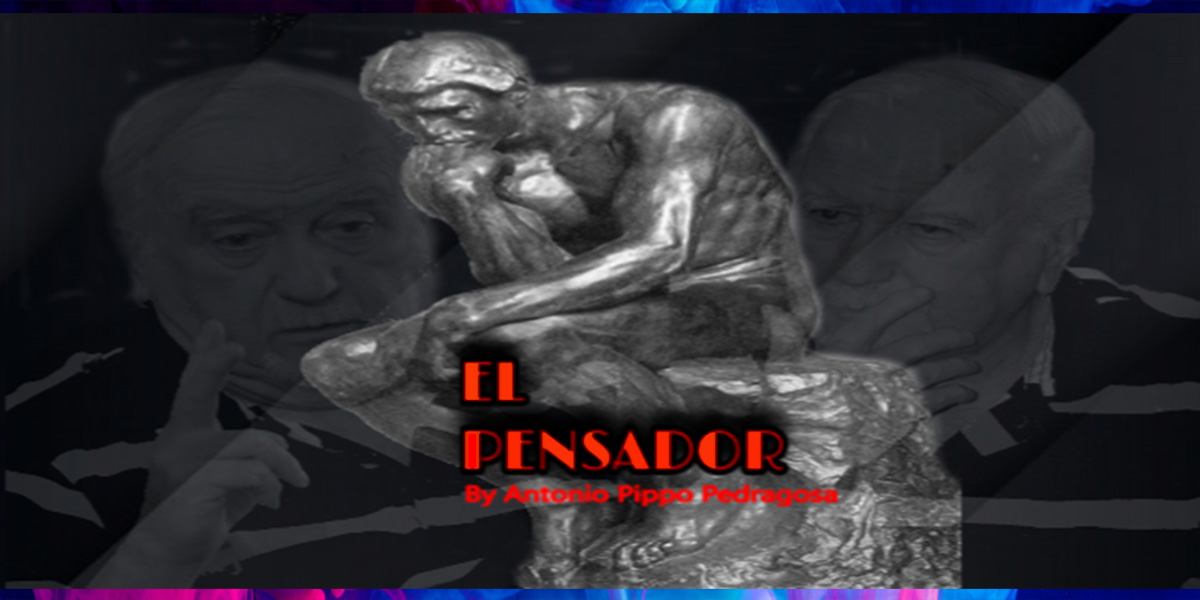
Por Antonio Pippo
Tiempo atrás, durante un reportaje televisivo, el filósofo argentino Santiago Kovladoff, refiriéndose al deterioro cultural de sociedades como las de esta parte del planeta, habló de la importancia del “valor de la palabra”.
Some time ago, during a television report, the Argentine philosopher Santiago Kovladoff, referring to the cultural deterioration of societies like those in this part of the planet, spoke of the importance of the “value of the word.”
No fue un apunte estético, sino moral.
It was not an aesthetic point, but a moral one.
Explicó entonces que, en el progreso de una comunidad, es esencial que quienes se comunican desde el poder sepan elegir su discurso con precisión, con claridad, honestidad intelectual y convencidos de que significa un compromiso de dignidad acerca de las cuestiones vitales que afectan a sus interlocutores; es decir, a los demás ciudadanos. No implica dogma alguno, sino que, en su esencia, debe respirar el respeto, la tolerancia, la posibilidad de admitir errores y de corregirlos, pero, sobre todo, una absoluta sinceridad de hacer lo mejor para todos.
He then explained that, in the progress of a community, it is essential that those who communicate from power know how to choose their speech with precision, clarity, intellectual honesty and convinced that it means a commitment to dignity about the vital issues that affect their people. interlocutors; that is, to other citizens. It does not imply any dogma, but, in its essence, it must breathe respect, tolerance, the possibility of admitting errors and correcting them, but, above all, an absolute sincerity of doing what is best for everyone.
El problema, como el propio Kovladoff aceptó en aquel momento, es que “la palabra” -el discurso y su relación contradictoria con los hechos posteriores- viene siendo violada en reiteración real por la gran mayoría de los políticos, en el poder o todavía en el llano.
The problem, as Kovladoff himself accepted at that time, is that «the word» – the speech and its contradictory relationship with subsequent events – has been violated in real reiteration by the vast majority of politicians, in power or still in power. the plain
Aquí en Uruguay, en una epiléptica época de definiciones electorales, tengo la sensación de que muchos ciudadanos medianamente inteligentes, educados, de mente abierta, estamos persuadidos que nos ha invadido, desde las tiendas políticas de cualquier color imaginable, una atropellada, cínica y despreciable “violación de la palabra”.
Here in Uruguay, in an epileptic era of electoral definitions, I have the feeling that many fairly intelligent, educated, open-minded citizens are convinced that we have been invaded, from political tents of every imaginable color, by an outrageous, cynical and despicable “violation of the word.”
Lo peor vendrá después, si los hechos demuestran esta aterradora hipótesis. No llegará a la sociedad el desarrollo que requiere con urgencia, remarcando un pésimo camino que se viene transitado desde hace décadas. Eso no hará otra cosa que acentuar la degradación cultural y material actual.
The worst will come later, if the facts prove this terrifying hypothesis. The development it urgently requires will not reach society, highlighting a terrible path that has been taken for decades. This will only accentuate the current cultural and material degradation.
Es triste recordar que no siempre fue así. Haciendo un quizás debatible ejercicio de memoria, nos podríamos remontar a los tiempos en que grandes hombres de la política -no exentos de errores, pero todos con un espíritu constructivo y solidario- fueron dando la forma a esta república democrática. Basta mencionar sólo unos pocos ejemplos: José Batlle y Ordóñez, Domingo Arena, Enrique Beltrán, Emilio Frugori, Javier Barrios Amorim, entre muchos otros.
It’s sad to remember that it wasn’t always like this. Doing a perhaps debatable memory exercise, we could go back to the times when great political men – not exempt from errors, but all with a constructive and supportive spirit – were giving shape to this democratic republic. It is enough to mention just a few examples: José Batlle y Ordóñez, Domingo Arena, Enrique Beltrán, Emilio Frugori, Javier Barrios Amorim, among many others.
Por supuesto que hubo pujas, desentendimientos, polémicas y, al correr del tiempo, hasta hechos que parecían quebrar esa marcha hacia el progreso. Sin embargo, esos hombres, si algo supieron mantener en alto, siempre, fue “el valor de la palabra”. Y sólo por ello, pudo construirse un país pequeño pero pujante, que pronto tomó el camino del progreso a partir de inicios del siglo pasado, superando escollos, gente que jamás entendió la ruta, exageradas aspiraciones de poder y debates encarnecidos. Pero el sostén de comprender “el valor de la palabra” permitió seguir, y en desarrollo, hasta inicios de la década de 1950. Las razones de que por esos años nacieran brotes que crecieron hasta destruir la herencia vital, tuvieron que ver con muchos factores que exceden una precaria explicación en esta columna.
Of course there were struggles, disagreements, controversies and, as time went by, even events that seemed to break this march towards progress. However, if those men always knew how to keep something high, it was “the value of the word.” And only because of this, a small but thriving country could be built, which soon took the path of progress from the beginning of the last century, overcoming obstacles, people who never understood the route, exaggerated aspirations for power and fierce debates. But the support of understanding “the value of the word” allowed it to continue, and in development, until the beginning of the 1950s. The reasons that during those years outbreaks were born that grew to destroy the vital inheritance, had to do with many factors that exceed a precarious explanation in this column.
Por ahora, prefiero quedarme con certezas históricas por encima de una discusión revisionista que no pretendo enfrentar hoy, en un pequeño espacio donde el planteo al lector siempre es general, sintético -lo admito- y quizás por eso insuficiente. Creo que vale como disparador, como alborotador del pensamiento de todos a quienes interesen estos asuntos.
For now, I prefer to stay with historical certainties over a revisionist discussion that I do not intend to face today, in a small space where the proposal to the reader is always general, synthetic – I admit – and perhaps for that reason insufficient. I think it is useful as a trigger, as a troublemaker for the thoughts of everyone who is interested in these issues.
Ahora bien: si yo tuviese razón, creo que mi desasosiego por lo que veo alrededor, me preocuparía en particular pensando en las nuevas generaciones que serán influidas por los “violadores de la palabra”.
Now, if I were right, I think that my anxiety about what I see around me would worry me in particular thinking about the new generations that will be influenced by the “violators of the word.”
Descubre más desde LA AGENCIA MUNDIAL DE PRENSA
Suscríbete y recibe las últimas entradas en tu correo electrónico.

La palabra tiene valor para quienes buscan manifestarse con honestidad. Mientras que para otros, «la palabra», será una mera vanidad.
Me gustaMe gusta
Respuesta remota
URL del comentario original
Tu perfil
¿Por qué tengo que introducir mi perfil?
Este sitio es parte de la ⁂ red social abierta, una red de plataformas sociales interconectadas (como Mastodon, Pixelfed, Friendica y otras). A diferencia de las redes sociales centralizadas, tu cuenta vive en la plataforma que elijas y puedes interactuar con personas de diferentes plataformas.
Al introducir tu perfil, podemos enviarte a tu cuenta, donde podrás completar esta acción.