EL PENSADOR: ¿HACIA DONDE VA LA POLÍTICA?

The Dutch ethologist Frans de Waal acquired much of his prestige after publishing the book «The politics of chimpanzees», in which – as I have already described more than once – he analyzes experiences carried out by scientists with these animals at the Arnhem Zoo, comparing them with the essential human political facts that, even practiced today, come from ancient times. Continúa leyendo EL PENSADOR: ¿HACIA DONDE VA LA POLÍTICA?
EL PENSADOR: DE UNA BUENA VEZ

Si se presta atención a todo lo que se dice del Poder Judicial –procurando, claro, analizarlo desde un punto de vista racional, lógico, de libertad de pensamiento crítico- sobran motivos para, cuanto menos, expresar preocupación. If attention is paid to everything that is said about the Judiciary – trying, of course, to analyze it from a rational and logical point of view, of freedom of critical thought – there are plenty of reasons to, at least, express concern. Continúa leyendo EL PENSADOR: DE UNA BUENA VEZ

MUNDO: ASI T-VEO EN CARICATURAS

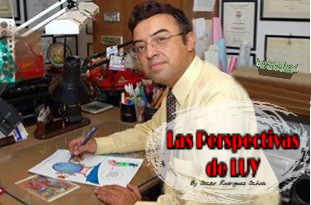
WORLD: ASI T-SEE IN CARTOONS A continuación nuestra acostumbrado espacio PERSPECTIVAS DE LUY, de Oscar Rodriguez Ochoa quien el pasado 2 de agosto celebró sus Cuarenta años de carrera prolífica como caricaturista, en la que destaca su tenacidad e ingenio … Continúa leyendo MUNDO: ASI T-VEO EN CARICATURAS

OPINIÓN: LECCIONES AFGANAS

The disorderly and daring departure of American troops from Kabul has produced substantially unequivocal comments about another American defeat. That’s? Of course, the defeat is political and military, but the big picture is a more complex and articulated reading. The United States, in fact, tried – and failed – to win, but somehow they were more interested in the presence in Afghanistan than in a military victory. Continúa leyendo OPINIÓN: LECCIONES AFGANAS

EL PENSADOR: ¿RIDICULEZ O RIESGO SOCIAL?

In a pamphlet he published in 1925, entitled «What I Believe,» Bertrand Russell, in the chapter on righteous living, wrote: «When I say that the morality of conduct must be judged by its probable consequences, I mean that we wish see approved the conduct that is likely to achieve the social ends we want, and disapproved the opposite conduct. Currently this is not done; there are certain traditional norms according to which approval and disapproval are distributed regardless of the consequences Continúa leyendo EL PENSADOR: ¿RIDICULEZ O RIESGO SOCIAL?

REFLEXIONES: ¿Es inalcanzable la felicidad?

It seems that we spend our lives pursuing happiness and that this is like a chimerical ideal that no matter how much we speed up the pace, we cannot reach it. Continúa leyendo REFLEXIONES: ¿Es inalcanzable la felicidad?