

When therians don’t rehearse, they lose the essence of boundaries and reality in society.

Cuando era niño, en mi época, el juego tenía fronteras, límites y realismo. Se dramatizaban según el rol que nos tocara y, si era de animales, el juego se acababa. Volvimos a nuestro estado normal. Nadie se quedaba atrapado en el personaje.
When I was a child, in my day, play had boundaries, limits, and realism. We acted out the roles we were given, and if we were playing animals, the game was over. We went back to our normal state. Nobody got stuck in character.
Recuerdo un episodio de El Chavo del Ocho en el que La Chilindrina tenía una mascota y el Chavo era quien la “interpreta”. Hacía de perro, ladraba, y La Chilindrina lo premiaba con una golosina. Terminaba el capítulo y el Chavo volvía a su rol de niño pobre. El personaje cumplía su función y se soltaba.
I remember an episode of El Chavo del Ocho where La Chilindrina had a pet, and El Chavo was the one who «played» it. He acted like a dog, barked, and La Chilindrina rewarded him with a treat. The episode ended, and El Chavo went back to his role as a poor boy. The character served its purpose, and he let go.
En la calle jugábamos a rondas tradicionales, muchas de ellas con animales: la gallinita ciega, el gato y el ratón, el arca de Noé, donde hacíamos sonidos onomatopéyicos; la palomita blanca, el elefantito, entre otros. Eran juegos compartidos, corporales, con reglas claras y un final evidente.
In the street, we played traditional games, many of them with animals: blind man’s bluff, cat and mouse, Noah’s Ark (where we made onomatopoeic sounds), the little white dove, the little elephant, among others. They were shared, physical games with clear rules and an obvious end.
Como maestro preescolar, esos juegos se realizaban en el patio y, cuando llovía, se adaptaban al salón de clases. Esa creatividad dependía del maestro, y yo, con la experiencia, tenía mis trucos y encantos para ajustarme a la situación. Se incorporan canciones, bailes y movimientos que fortalecen la tradición oral y el sentido de comunidad. Había contacto, reglas, risa, cansancio… y un momento claro en que el juego terminaba.
As a preschool teacher, these games were played in the playground, and when it rained, they were adapted to the classroom. This creativity depended on the teacher, and I, with experience, had my tricks and charms to adjust to the situation. Songs, dances, and movements were incorporated, strengthening oral tradition and a sense of community. There was physical contact, rules, laughter, tiredness… and a clear moment when the game ended.
Durante el período del cuento ocurría algo parecido, pero con estructura. Se leía el cuento, se discutía, se ensayaba y luego se dramatizaban. El niño interpretaba un rol; no se quedaba viviendo en él. Eso era fundamental. Si se leía El lobo y Caperucita Roja, se representaba como una estampa viviente y, al final, todos volvían a ser niños.
During the storytelling era, something similar occurred, but with a structure. The story was read, discussed, rehearsed, and then dramatized. The child played a role; they didn’t remain trapped in it. That was fundamental. If they read «The Wolf and Little Red Riding Hood,» they acted it out like a living tableau, and in the end, everyone became a child again.
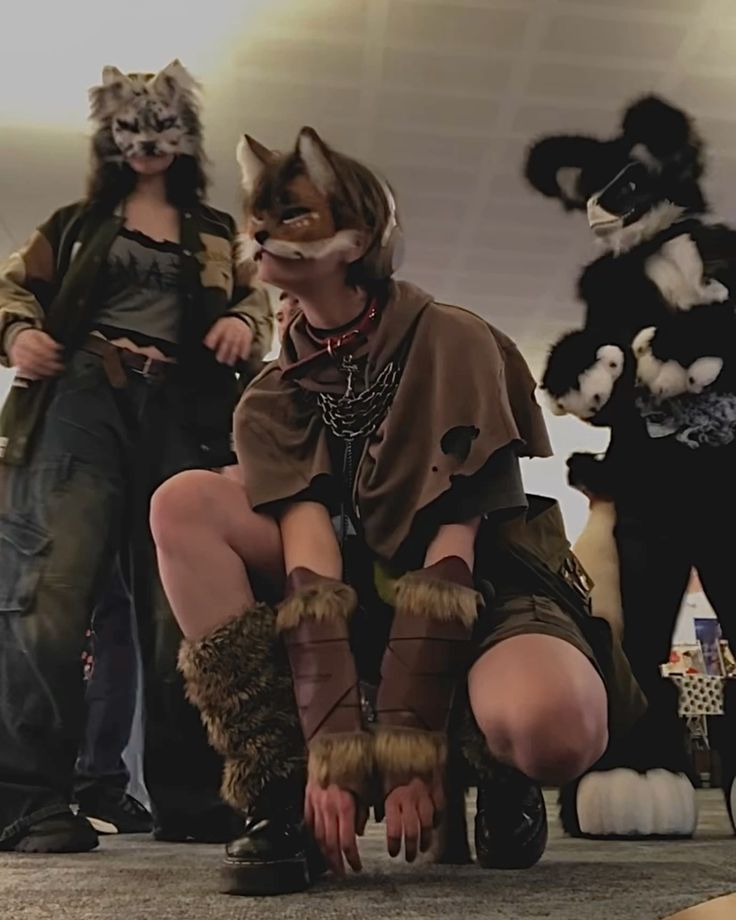
Hoy, el fenómeno therian es distinto. No hay ensayo ni escenario. No hay telón que baje. El rol no se interpreta: se vive. Se crean clubes, identidades cerradas, una especie de “Animalandia” donde algunos se creen animales y el límite desaparece.
Today, the therian phenomenon is different. There’s no rehearsal or stage. There’s no curtain that falls. The role isn’t played: it’s lived. Clubs are created, closed identities, a kind of «Animalland» where some believe they are animals and the boundary disappears.
Esto no se trata de burla ni de desprecio. Se trata de algo más serio. Cuando no hay límite entre lo simbólico y lo cotidiano, la convivencia se vuelve frágil. Por eso es importante hablar de orientación psicológica, no para negar lo que sienten, sino para ayudar a distinguir entre identidad interna y conducta social.
This isn’t about mockery or contempt. It’s about something more serious. When there’s no boundary between the symbolic and the everyday, coexistence becomes fragile. That’s why it’s important to talk about psychological guidance, not to deny what they feel, but to help distinguish between inner identity and social behavior.
Sentir no es lo mismo que actuar. No todo lo que se vive por dentro puede —ni debe— representarse en todos los espacios. Esta no es una columna para patologizar, sino para señalar una preocupación real: la pérdida del límite aprendido en la infancia.
Feeling is not the same as acting. Not everything experienced internally can—or should—be represented in every setting. This isn’t a column to pathologize, but to point out a real concern: the loss of boundaries learned in childhood.
Tal vez no estamos ante niños que quieren jugar a ser animales, sino ante personas que confunden el juego con la identidad en una sociedad que olvidó enseñar límites.
Perhaps we’re not dealing with children who want to play at being animals, but with people who confuse play with identity in a society that has forgotten to teach boundaries.
La imaginación no es el problema; el problema es no saber cuándo ponerla en pausa. Toda expresión necesita contexto: hay espacios para crear, dramatizar y explorar, pero también momentos para volver a la realidad compartida.
Imagination isn’t the problem; the problem is not knowing when to pause it. All expression needs context: there are spaces to create, dramatize, and explore, but also moments to return to shared reality.
Porque crecer no es dejar de imaginar, sino aprender a actuar como hombres y mujeres de sociedad cuando la realidad nos necesita presentes.
Because growing up isn’t about ceasing to imagine, but about learning to act as men and women of society when reality requires our presence.
Descubre más desde LA AGENCIA MUNDIAL DE PRENSA
Suscríbete y recibe las últimas entradas en tu correo electrónico.

