

Abelardo de la Espriella: from the podium to the ballot
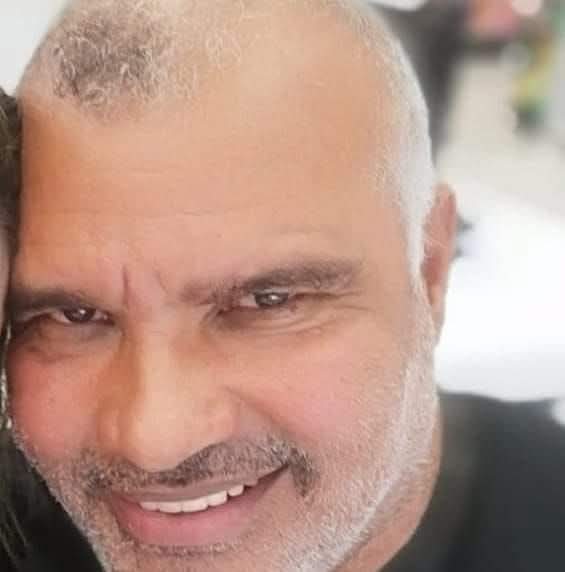
Durante años, Abelardo de la Espriella fue una figura conocida en un lugar incómodo pero legítimo: el estrado de la defensa. Ese espacio donde nadie aplaude, pero muchos necesitan a alguien que hable cuando el expediente pesa más que la reputación.
For years, Abelardo de la Espriella was a well-known figure in an uncomfortable but legitimate arena: the defense bench. It’s a space where no one applauds, but where many need someone to speak out when the weight of the case outweighs reputation.
Defendió clientes polémicos, caminó pasillos enlodados y aprendió una lección esencial del poder: no todo lo legal es popular, ni todo lo popular es justo.
He defended controversial clients, walked through muddy corridors, and learned an essential lesson about power: not everything legal is popular, nor is everything popular just.
Como abogado, su rol fue claro: defender, no administrar delitos. Esa distinción —tan básica en el derecho— suele perderse en el ruido político, donde la memoria es selectiva y la culpa se contagia por cercanía.
As a lawyer, his role was clear: to defend, not to administer justice. That distinction—so fundamental in law—is often lost in the political noise, where memory is selective and guilt spreads through proximity.
El caso DMG, por ejemplo, existió como fraude y tuvo condenados, pero no lo tuvo a él como autor. A De la Espriella lo salpicó el contexto, no una sentencia. Y en política, el barro salpica incluso cuando no hay botas puestas.
The DMG case, for example, existed as a fraud and resulted in convictions, but he was not one of the perpetrators. De la Espriella was tainted by the context, not by a court ruling. And in politics, the mud splatters even when you’re not wearing boots.
Luego apareció el hombre de negocios. El que entiende que el poder no solo se ejerce desde el Estado, sino también desde la empresa, la marca y la narrativa.
Then the businessman appeared. The one who understands that power is not only exercised from the State, but also from the company, the brand, and the narrative.
De ahí afinó otro músculo: decir lo que incomoda con tono de convicción, vender ideas como quien vende seguridad. En un país cansado de tecnicismos, la claridad —o su apariencia— paga dividendos.
From there, he honed another skill: speaking his mind with conviction, selling ideas like someone selling security. In a country weary of technical jargon, clarity—or at least its appearance—pays dividends.

Hoy emerge el político, y más aún: candidato a la Presidencia de Colombia. Entra al ruedo con un discurso de orden, identidad y ruptura; con admiraciones ideológicas explícitas y una apuesta clara por capitalizar el hastío social. No promete tibieza. Promete dirección. Y eso, en tiempos de confusión, seduce.
Today, the politician emerges, and even more so: a candidate for the Presidency of Colombia. He enters the arena with a discourse of order, identity, and rupture; with explicit ideological admirations and a clear strategy to capitalize on social discontent. He doesn’t promise lukewarmness. He promises direction. And that, in times of confusion, is seductive.
Pero la política no perdona atajos. Defender no es gobernar; convencer no es administrar. El estrado exige brillantez; el Palacio exige resultados. La campaña vive de promesas; el gobierno muere por incumplimientos. Y cuando llegue el reclamo —porque siempre llega— ya no bastará decir: “Eso no fue lo que quise decir”. El archivo habla, la factura cae y la música del mitin se apaga.
But politics doesn’t allow for shortcuts. Defending isn’t governing; convincing isn’t administering. The podium demands brilliance; the Palace demands results. Campaigns thrive on promises; government dies from broken promises. And when the reckoning comes—because it always does—it won’t be enough to say, «That’s not what I meant.» The record speaks for itself, the bill arrives, and the rally’s music fades away.
Abelardo de la Espriella no es una caricatura ni un villano automático. Es un personaje de su tiempo: formado en la controversia, curtido en el negocio y lanzado a la política con la certeza de quien cree que el país necesita mano firme y un relato fuerte. La pregunta no es si sabe hablar; es si sabrá pagar la cuenta cuando el almuerzo termine.
Abelardo de la Espriella is neither a caricature nor a stereotypical villain. He is a man of his time: forged in controversy, seasoned in the business world, and launched into politics with the conviction of someone who believes the country needs a firm hand and a strong narrative. The question isn’t whether he can speak; it’s whether he’ll be able to pay the bill when lunch is over.
Porque Colombia no necesita solo un defensor del orden. Necesita un administrador con urgencia y verdaderos defensores de la patria, capaces de no hacer la vista larga frente a las regiones más marginadas, desiguales y empobrecidas del país.
Because Colombia doesn’t just need a defender of order. It urgently needs an administrator and true defenders of the nation, capable of not turning a blind eye to the most marginalized, unequal, and impoverished regions of the country.

Descubre más desde LA AGENCIA MUNDIAL DE PRENSA
Suscríbete y recibe las últimas entradas en tu correo electrónico.

