
«The Celt’s Dream.» My homage to the memory of Mario Vargas Llosa

TERESA FERNANDEZ HERRERA. Periodista, Editorialista, Escritora. CDG de Cultura. COLUMNISTA
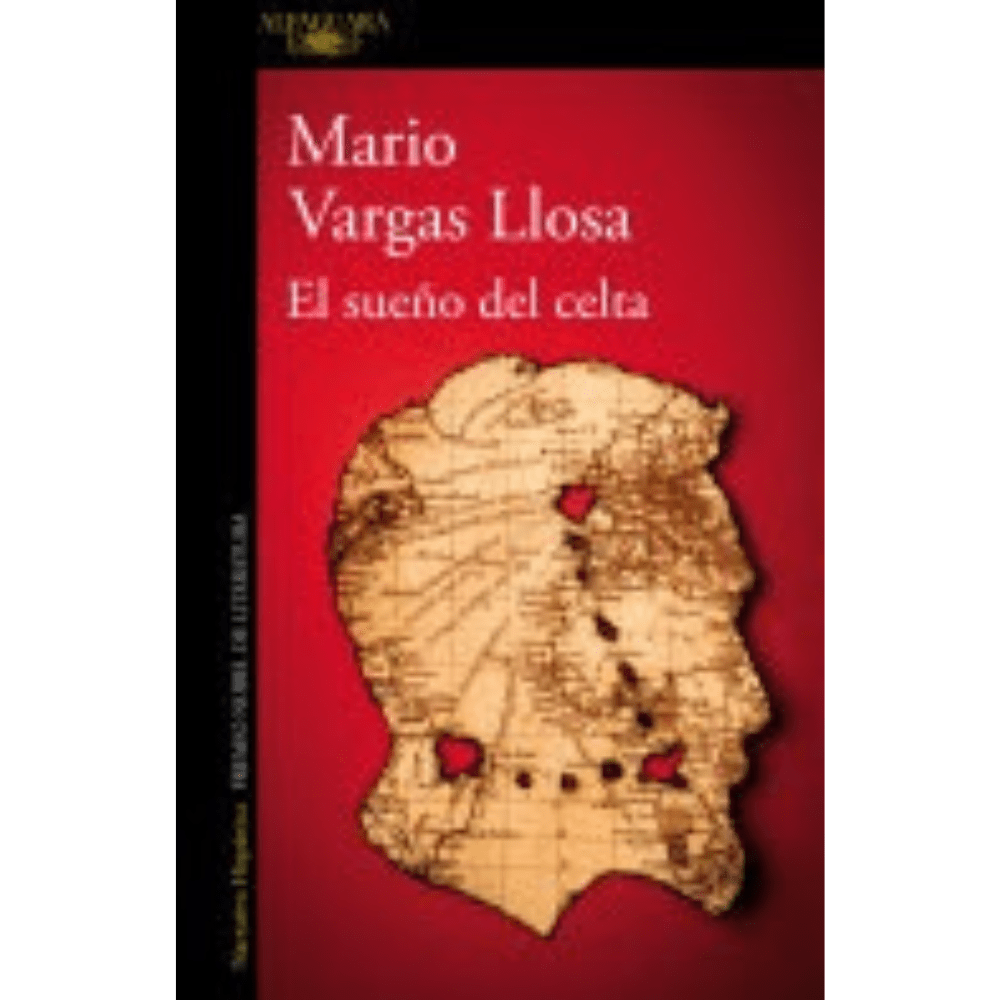
Mario Vargas Llosa trabajó durante tres años en la investigación, documentación y escritura de la novela “El sueño del celta” publicada en 2010 por la editorial Alfaguara, basada en la historia del irlandés Sir Roger Casement, cónsul británico en el Congo y en Perú. Se involucró durante la primera guerra mundial en el activismo por la independencia de Irlanda, lo que le condujo a una muerte con deshonor en 1916.
Mario Vargas Llosa spent three years researching, documenting, and writing the novel «The Celt’s Dream,» published in 2010 by Alfaguara. It is based on the story of Irishman Sir Roger Casement, British consul to the Congo and Peru. He became involved in activism for Irish independence during World War I, which led to his dishonorable death in 1916.
Vargas Llosa conoció a este personaje a través de menciones de Joseph Conrad, ambos críticos de los abusos en aquel Congo que fue propiedad personal del rey Leopoldo II de Bélgica. El personaje le fascinó desde el primer momento y para documentarse sobre esta etapa de su vida viajó al antiguo Zaire.
Vargas Llosa first encountered this character through mentions by Joseph Conrad, both of whom were critics of the abuses in the Congo, which was the personal property of King Leopold II of Belgium. He was immediately fascinated by the character, and to research this period in his life, he traveled to the former Zaire.
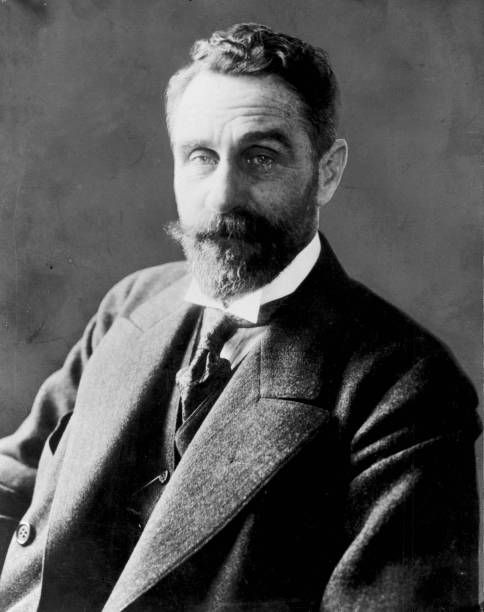
Sir Roger Casement nació en Dublín en 1864 y murió ajusticiado en Londres en 1916. Viajó a África con diecinueve años, trabajó en el Congo e incluso participó en alguna de las expediciones de Sir Henry Morton Stanley. Así conoció a Joseph Conrad, quien en su novela “En el corazón de las tinieblas” denuncia la brutalidad de los colonos europeos con los africanos.
Sir Roger Casement was born in Dublin in 1864 and was executed in London in 1916. He traveled to Africa at the age of nineteen, worked in the Congo, and even participated in one of Sir Henry Morton Stanley’s expeditions. This is how he met Joseph Conrad, who in his novel “Heart of Darkness” denounces the brutality of European settlers toward Africans.
Cómo cónsul británico en el Congo Belga administrado por Leopoldo II, quién jamás puso un pie en este país africano, se hizo famoso por sus denuncias de una explotación indígena prácticamente esclava, que incluía tortura, mutilaciones, incluso asesinatos entre los trabajadores forzosos congoleños en las industrias mercantiles, entre ellas la minería.
As British Consul to the Belgian Congo, administered by Leopold II, who never set foot in the African country, he became famous for his exposure of near-slave-like indigenous exploitation, including torture, mutilation, and even murder among Congolese forced laborers in commercial industries, including mining.
Llegó a estar considerado como uno de los pioneros occidentales en denunciar las injusticias y arbitrariedades que cometían las potencias europeas en pleno siglo XIX y principios del XX en un continente, África, colonizado en su totalidad.
He came to be considered one of the Western pioneers in denouncing the injustices and arbitrary acts committed by the European powers in the 19th and early 20th centuries on a continent, Africa, that was completely colonized.
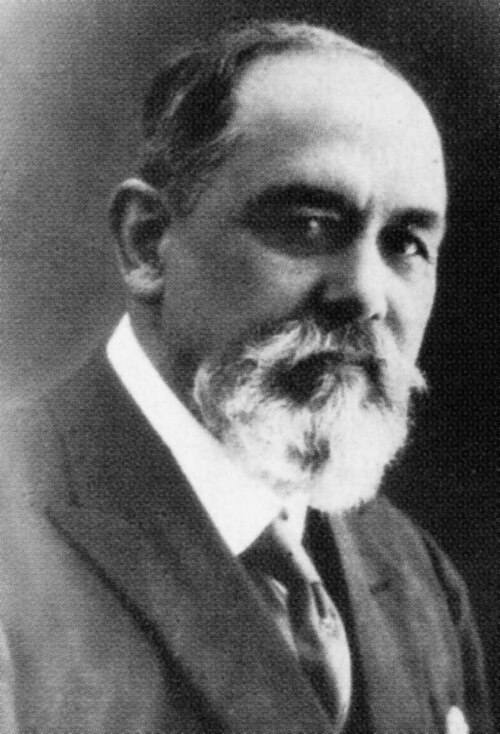
En 1910 Roger Casement fue comisionado por el Foreign Office para investigar en Perú las denuncias recibidas contra la Peruvian Rubber Company dirigida por el tristemente famoso Julio César Arana del Águila, (1) responsable de abusos y crueldades contra los indígenas de la región del Putumayo, una región remota de la selva fronteriza entre Perú y Colombia. Miembros de las tribus Huitoto, Ocaína, Minane, Nonuya, Andoque, Resígaro y Bora (2) eran obligados a recolectar una determinada cantidad de caucho para la compañía y si no cumplían en el plazo estipulado eran sometidos a torturas que terminaban en la muerte. Hechos conocidos posteriormente como el genocidio del Putumayo.
In 1910 Roger Casement was commissioned by the Foreign Office to investigate in Peru the complaints received against the Peruvian Rubber Company directed by the infamous Julio César Arana del Águila, (1) responsible for abuses and cruelties against the indigenous people of the Putumayo region, a remote region of the jungle bordering Peru and Colombia. Members of the Huitoto, Ocaína, Minane, Nonuya, Andoque, Resígaro and Bora tribes (2) were forced to collect a certain amount of rubber for the company and if they did not comply within the stipulated time they were subjected to torture that ended in death. Events later known as the Putumayo genocide.
Vargas Llosa describe en esta novela histórica la feroz codicia de las compañías mercantiles que habían sobornado y corrompido las estructuras sociales, políticas y administrativas de sus respectivos países, mediante los viajes e informes oficiales de Sir Roger Casement como cónsul británico, por lo que el gobierno de Su Majestad le otorgó las máximas condecoraciones.
In this historical novel, Vargas Llosa describes the fierce greed of the trading companies that had bribed and corrupted the social, political and administrative structures of their respective countries, through the official trips and reports of Sir Roger Casement as British Consul, for which Her Majesty’s government awarded him the highest decorations.
“El sueño del celta” se divide en tres partes. “El Congo”, “La Amazonía” e “Irlanda”.
“The Celt’s Dream” is divided into three parts: “The Congo,” “The Amazon,” and “Ireland.”
En esta última parte, Vargas Llosa describe la intervención de Roger Casement en la aventura independentista de 1916.
In this last part, Vargas Llosa describes Roger Casement’s involvement in the independence adventure of 1916.
A lo largo de la obra fue narrando la evolución y contradicciones de este fascinante personaje, hijo de madre católica y padre anglicano. Cómo en el transcurso de su vida pasó de anglicano a católico y de diplomático al servicio del gobierno británico a defensor de la independencia de Irlanda y conspirador contra Gran Bretaña.
Throughout the work he narrated the evolution and contradictions of this fascinating character, son of a Catholic mother and an Anglican father. How, over the course of his life, he went from Anglican to Catholic, and from diplomat in the service of the British government to defender of Irish independence and conspirator against Great Britain.
Cuando se convirtió en fervoroso partidario de la independencia de Irlanda, como conseguir el consenso británico era imposible en ese tiempo, aprovechando la Primera Guerra Mundial, cometió el ingenuo y enorme error de intentar conseguir la intervención de la beligerante Alemania para la causa. Intervención que fracasó y descubrió la considerada como traición de Casement.
When he became a fervent supporter of Irish independence, since achieving British support was impossible at the time, taking advantage of the First World War, he made the naive and enormous mistake of trying to enlist German support for the cause. This support failed and eventually led to the discovery of Casement’s betrayal.
Detenido por las autoridades del Reino Unido, fue acusado no solo de traición, también de homosexualidad que por aquellos años era un delito grave. En el registro de su domicilio encontraron sus escritos privados titulados “Diarios negros” que jugaron en su contra. Hasta hoy existen fundadas sospechas de la falsificación de estos diarios por los servicios de inteligencia.
Arrested by British authorities, he was accused not only of treason but also of homosexuality, which was a serious crime at the time. During a search of his home, they found his private writings, entitled «Black Diaries,» which counted against him. To this day, there are strong suspicions that these diaries were falsified by the intelligence services.
Roger Casement fue ahorcado en la prisión de Pentonville en Londres el 3 de agosto de 1916.
Una condena muy controvertida por el apoyo en contra de Sir Arthur Conan Doyle, William Butler Yeats y George Bernard Shaw, quienes adujeron que la condena estaba basada en una interpretación forzada de la ley y en la manipulación de un texto jurídico.
A highly controversial conviction due to the support of Sir Arthur Conan Doyle, William Butler Yeats, and George Bernard Shaw, who argued that the conviction was based on a forced interpretation of the law and the manipulation of a legal text.
Vargas Llosa en la narración de la vida íntima del personaje, cuenta que en la historia de su vida sexual hay no solo relatos reales, también de forma importante la relación de deseos mentales no cumplidos. Algo muy verosímil, a ver quién no ha tenido alguna vez deseos en la mente.
In his narration of the character’s intimate life, Vargas Llosa explains that the story of his sexual life includes not only true accounts, but also, importantly, the account of unfulfilled mental desires. This is quite plausible; who hasn’t had desires in their mind at some point?
También narra Vargas Llosa el cobarde abandono de muchos amigos ante la condena. Algo también muy verosímil.
Vargas Llosa also recounts the cowardly abandonment of many friends in the face of condemnation. This is also very plausible.
El gobierno británico fue tan mezquino que publicó el informe forense de la autopsia del cadáver en referencia a que “el ano estaba extraordinariamente dilatado”. Incluso hay dudas de que el informe forense dijera tal cosa, ya que debía ajustarse estrictamente a la causa de la muerte.
The British government was so stingy that it published the forensic autopsy report on the body, stating that «the anus was extraordinarily dilated.» There are even doubts that the forensic report ever stated such a thing, as it was supposed to stick strictly to the cause of death.
Sus últimas palabras: “Transmitan mi cariño a todos mis amigos y a todos los que han trabajado para mí. Mi último mensaje para todos es Sursum corda. Por lo demás, mi más sentido pésame a quienes me han quitado la vida, así como a quienes han intentado salvarla. Todos son mis hermanos ahora”.
His final words: “Please pass on my love to all my friends and all those who have worked for me. My final message to everyone is Sursum corda. For the rest, my deepest condolences to those who took my life, as well as to those who tried to save it. They are all my brothers now.”
Roger Casement no ha sido rehabilitado oficialmente. Pero su legado se ha revalorizado y hoy en día está considerado como una figura clave en la historia de la lucha por la independencia de Irlanda.
Ese era el sueño del celta, una Irlanda independiente del Reino Unido.
Roger Casement has not been officially rehabilitated. But his legacy has been revalued, and today he is considered a key figure in the history of the struggle for Irish independence.
That was the celt’s dream, an Ireland independent from the United Kingdom.
Vargas Llosa manifestó públicamente que el colonialismo de finales del siglo XIX e inicios del XX que denunció Roger Casement, sembró una destrucción cuyas secuelas perduran en la actualidad.
Vargas Llosa publicly stated that the colonialism of the late 19th and early 20th centuries, denounced by Roger Casement, sowed destruction whose consequences persist today.
__________________________________________________________
(1) Julio C. Arana. (Rioja, 1864-Lima, 1952) / (1) Julio C. Arana. (Rioja, 1864-Lima, 1952)
Empresario cauchero y político peruano .que se enriqueció con la explotación del caucho en la región amazónica. Su empresa la Casa Arana, se convirtió en 1907 en la Peruvian Amazon Rubber Company, con participación de capitales británicos y con sede en Londres. Al desencadenarse los escándalos del Putumayo en la región fronteriza entre Perú y Colombia, fue denunciado como el responsable de la explotación y la muerte de miles de indígenas amazónicos trabajadores esclavizados. Los resultados de una investigación realizada por Roger Casement a instancias del gobierno británico, terminó en su proceso judicial, pero el inicio de la Primera Guerra Mundial frustró el proceso. Llegó a ser senador por Loreto y presidente de la Cámara de Comercio de esa región. / Peruvian rubber businessman and politician who became wealthy from the exploitation of rubber in the Amazon region. His company, Casa Arana, became the Peruvian Amazon Rubber Company in 1907, with British capital participation and headquartered in London. When the Putumayo scandals broke out in the border region between Peru and Colombia, he was accused of being responsible for the exploitation and deaths of thousands of Amazonian indigenous slaves. The results of an investigation carried out by Roger Casement at the request of the British government led to his prosecution, but the outbreak of the First World War thwarted the process. He became a senator for Loreto and president of the Chamber of Commerce for that region.
(2)
En 2012 el presidente Juan Manuel Santos pidió perdón a las comunidades amazónicas por los hechos ocurridos durante esos años. «A las comunidades de los pueblos Uitoto, Bora, Okaina, Muinane, Andoque, Nonuya, Miraña, Yukuna y Matapí, a todos pido perdón por sus muertos, por sus huérfanos, por sus víctimas»/ In 2012, President Juan Manuel Santos apologized to the Amazonian communities for the events that occurred during those years. «To the communities of the Uitoto, Bora, Okaina, Muinane, Andoque, Nonuya, Miraña, Yukuna, and Matapí peoples, I ask forgiveness for their dead, for their orphans, for their victims.»
Juan Manuel Santos, Presidente de Colombia, 2012.
.
.
Descubre más desde LA AGENCIA MUNDIAL DE PRENSA
Suscríbete y recibe las últimas entradas en tu correo electrónico.
