
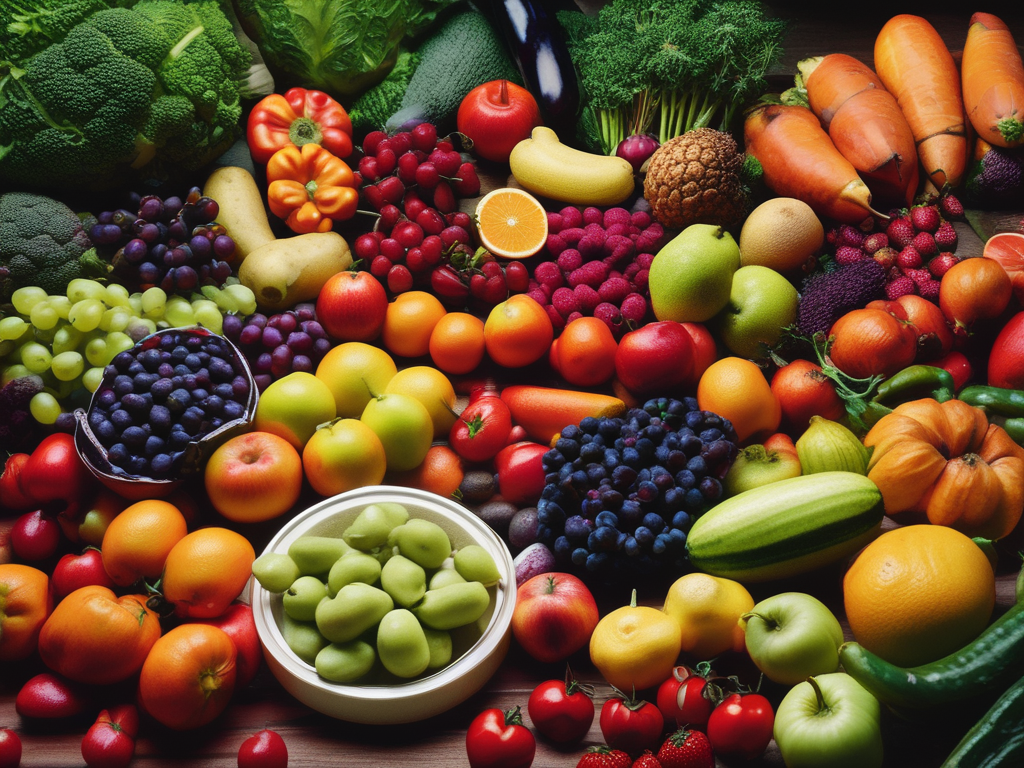
BENEFITS OF CHOLESTEROL and HOW TO KEEP IT UNDER CONTROL

«El colesterol, una sustancia cerosa presente en todas nuestras células, es esencial para la vida de nuestro organismo para formar células sanas .. Sin embargo, un exceso de colesterol malo (LDL) puede acumularse en las arterias, formando placas que obstruyen el flujo sanguíneo y aumentan el riesgo de sufrir un infarto, ictus u otras enfermedades cardiovasculares».
«Cholesterol, a waxy substance present in all our cells, is essential for the life of our body to form healthy cells.. However, an excess of bad cholesterol (LDL) can accumulate in the arteries, forming plaques that obstruct the flow and increase the risk of suffering a heart attack, stroke or other cardiovascular diseases.
La ausencia de colesterol alteraría la fluidez de la membrana de la célula y, por ello, las sustancias no pueden atravesarla, lo que significa que no salen los productos de desecho al exterior celular ni entran combustibles al interior de la célula. El resultado sería la muerte o alteración celular y, dependiendo del tipo o número de células afectadas, la enfermedad o incluso la muerte del organismo. Pero en el caso de no recibirlo de manera externa, nuestro organismo lo produciría de forma endógena (Que se origina o nace en el interior, como la célula que se forma dentro de otra).
The absence of cholesterol would alter the fluidity of the cell membrane and, therefore, substances cannot cross it, which means that waste products do not exit the cell exterior and fuel does not enter the cell interior. The result would be cell death or alteration and, depending on the type or number of cells affected, disease or even death of the organism. But if we do not receive it externally, our body would produce it endogenously (which originates or is born internally, like the cell that forms inside another).
FUNCION DEL COLESTEROL / FUNCTION OF CHOLESTEROL
- Ayuda a la digestión y a la limpieza del organismo. En el hígado, el colesterol participa en el proceso de producción de la bilis, eliminando el llamado colesterol malo y limpiando nuestro organismo de grasas. Durante este proceso, el colesterol también ayuda a la asimilación de los alimentos, por lo que está directamente relacionado con una buena digestión. It helps digestion and cleansing the body. In the liver, cholesterol participates in the bile production process, eliminating the so-called bad cholesterol and cleansing our body of fats. During this process, cholesterol also helps the assimilation of food, so it is directly related to good digestion.
- Función estructural. Es uno de los componentes principales de la membrana plasmática de las células, y se encarga de la regulación de propiedades físico-químicas. También ayuda a reparar células dañadas y a la creación de células nuevas.
Structural function. It is one of the main components of the plasma membrane of cells, and is responsible for the regulation of physical-chemical properties. It also helps repair damaged cells and create new cells. - Antioxidante. El colesterol reduce la acción negativa de los radicales libres, evitando así un prematuro envejecimiento de las células. Antioxidant. Cholesterol reduces the negative action of free radicals, thus preventing premature aging of cells.
- Sintetiza la vitamina D. Ayuda a producir vitamina D después de una exposición a la luz del sol. Esta vitamina es fundamental para la absorción del calcio, uno de los componentes principales de los huesos. También desempeña un rol importante en el sistema nervioso, muscular e inmunitario. Synthesizes vitamin D. Helps produce vitamin D after exposure to sunlight. This vitamin is essential for the absorption of calcium, one of the main components of bones. It also plays an important role in the nervous, muscular and immune systems.
- Ayuda a la producción de hormonas. Participa en la síntesis de las hormonas sexuales, tanto femeninas -estrógenos y gestágenos- como masculinas -testosterona-, y también en la formación de hormonas corticosteroides, fundamentales para el sistema inmunitario. Helps the production of hormones. It participates in the synthesis of sex hormones, both female – estrogens and progestogens – and male – testosterone -, and also in the formation of corticosteroid hormones, essential for the immune system.
TIPOS DE COLESTEROL / TYPES OF CHOLESTEROL
Existen dos tipos principales:
There are two main types:

Colesterol LDL (lipoproteínas de baja densidad): LDL cholesterol (low density lipoproteins):
- A menudo llamado «colesterol malo». Often called «bad cholesterol.»
- Transporte: Transporta el colesterol desde el hígado a las células del cuerpo. Transport: Transports cholesterol from the liver to the body’s cells.
- Acumulación: Si hay un exceso de LDL, este colesterol puede acumularse en las paredes de las arterias, formando placas que estrechan los vasos sanguíneos. Accumulation: If there is excess LDL, this cholesterol can accumulate on the walls of the arteries, forming plaques that narrow blood vessels.
- Riesgos: Un nivel elevado de LDL aumenta el riesgo de enfermedades cardiovasculares, como ataques al corazón y accidentes cerebrovasculares. Risks: A high level of LDL increases the risk of cardiovascular diseases, such as heart attacks and strokes.
El LDL transporta el colesterol a las arterias, donde se deposita y forma las placas ateroscleróticas. Este proceso, conocido como aterosclerosis, endurece las arterias y reduce el flujo sanguíneo, lo que puede llevar a consecuencias graves para el corazón.
LDL transports cholesterol to the arteries, where it is deposited and forms atherosclerotic plaques. This process, known as atherosclerosis, hardens the arteries and reduces blood flow, which can lead to serious consequences for the heart.

Colesterol HDL (lipoproteínas de alta densidad): HDL cholesterol (high-density lipoproteins)
- A menudo llamado «colesterol bueno». Often called «good cholesterol.»
- Transporte: Transporta el exceso de colesterol desde las arterias hacia el hígado, donde es eliminado del cuerpo. Transport: Transports excess cholesterol from the arteries to the liver, where it is eliminated from the body.
- Protección: El HDL actúa como un «limpiador» de las arterias, ayudando a prevenir la formación de placas y reduciendo el riesgo de enfermedades cardiovasculares. Protection: HDL acts as a «cleaner» of the arteries, helping to prevent the formation of plaques and reducing the risk of cardiovascular disease.
Sin embargo, por otra parte, el colesterol bueno (HDL) conocida como lipoproteínas de alta densidad. Se le denomina como bueno porque transporta el colesterol de otras partes del cuerpo al hígado, el órgano encargado de eliminar el colesterol del cuerpo. No obstante, los niveles de colesterol suelen aumentar con el paso de la edad, a lo que se suman otros factores es, por ejemplo, comer demasiadas grasas dañinas para el organismo como la saturada o la trans. Por otro lado, el sedentarismo y la falta de actividad física reduce el colesterol bueno, al igual que el consumo de tabaco.
However, on the other hand, the good cholesterol (HDL) known as high-density lipoproteins. It is called good because it transports cholesterol from other parts of the body to the liver, the organ responsible for eliminating cholesterol from the body. However, cholesterol levels usually increase with age, to which other factors are added, for example, eating too many fats that are harmful to the body such as saturated or trans fats. On the other hand, a sedentary lifestyle and lack of physical activity reduce good cholesterol, as does tobacco consumption.
Conocer la diferencia entre el colesterol LDL y HDL es fundamental para tomar medidas preventivas y mantener una buena salud cardiovascular. Al conocer tus niveles de colesterol, puedes trabajar con tu médico para implementar cambios en tu estilo de vida o tratamiento farmacológico, si es necesario.
Knowing the difference between LDL and HDL cholesterol is essential to take preventive measures and maintain good cardiovascular health. By knowing your cholesterol levels, you can work with your doctor to implement lifestyle changes or drug treatment, if necessary.
FACTORES QUE AFECTAN LOS NIVELES DE COLESTEROL / FACTORS THAT AFFECT CHOLESTEROL LEVELS
Los niveles de colesterol pueden verse influidos por diversos factores tales como…
- Genética: La predisposición genética puede influir en los niveles de colesterol. Genetics: Genetic predisposition can influence cholesterol levels.
- Dieta: El consumo elevado de grasas saturadas y trans aumenta el LDL, mientras que una dieta rica en frutas, verduras, granos integrales y grasas saludables (como las que se encuentran en el aceite de oliva y los frutos secos) puede ayudar a aumentar el HDL. Diet: High consumption of saturated and trans fats increases LDL, while a diet rich in fruits, vegetables, whole grains, and healthy fats (such as those found in olive oil and nuts) can help increase LDL. HDL.
- Ejercicio: La actividad física regular ayuda a aumentar el HDL y reducir el LDL. Exercise: Regular physical activity helps increase HDL and lower LDL.
- Peso: El sobrepeso y la obesidad están asociados con niveles elevados de colesterol. Weight: Overweight and obesity are associated with high cholesterol levels.
- Tabaquismo: Fumar disminuye el HDL y aumenta el riesgo de enfermedades cardiovasculares. Smoking: Smoking decreases HDL and increases the risk of cardiovascular diseases.
Factores de riesgo / Risk Factors
- Antecedentes familiares de enfermedades cardiovasculares Family history of cardiovascular diseases
- Fumador/a Smoker
- Sobrepeso Overweight
- Enfermedad crónica Chronic illness
Estos son los factores de riesgo más comunes por tanto es importante que te realices controles periódicos del colesterol. Tu médico podrá valorar tu riesgo cardiovascular y recomendarte las medidas más adecuadas para prevenir problemas futuros.
These are the most common risk factors, so it is important that you have regular cholesterol checks. Your doctor will be able to assess your cardiovascular risk and recommend the most appropriate measures to prevent future problems.
SINTOMAS DEL COLESTEROL ALTO Y DIAGNÓSTICO / SYMPTOMS OF HIGH CHOLESTEROL AND DIAGNOSIS
Desafortunadamente, el colesterol alto suele ser un «asesino silencioso». En sus etapas iniciales, no presenta síntomas evidentes. A menudo, se descubre durante un chequeo médico rutinario o cuando se presentan complicaciones más graves. Sin embargo, a medida que la enfermedad progresa y se acumulan placas de colesterol en las arterias, pueden aparecer algunos síntomas, como:
Unfortunately, high cholesterol is often a «silent killer.» In its initial stages, it does not present obvious symptoms. It is often discovered during a routine medical checkup or when more serious complications occur. However, as the disease progresses and cholesterol plaques build up in the arteries, some symptoms may appear, such as:
- Dolor en el pecho (angina): Se produce cuando el corazón no recibe suficiente oxígeno debido al estrechamiento de las arterias coronarias. Chest pain (angina): It occurs when the heart does not receive enough oxygen due to narrowing of the coronary arteries.
- Fatiga: La acumulación de placas puede dificultar el flujo sanguíneo y causar fatiga. Fatigue: Plaque buildup can hinder blood flow and cause fatigue.
- Dificultad para respirar: Especialmente al realizar actividades físicas. Difficulty breathing: Especially when doing physical activities.
- Mareos o desmayos: Pueden ocurrir si el flujo sanguíneo al cerebro se ve comprometido. Dizziness or fainting: May occur if blood flow to the brain is compromised.
Es importante destacar que estos síntomas también pueden ser indicativos de otras afecciones, por lo que es fundamental consultar a un médico para un diagnóstico preciso.
Importantly, these symptoms can also be indicative of other conditions, so it is essential to consult a doctor for an accurate diagnosis.
Diagnóstico / Diagnosis
El diagnóstico del colesterol alto se realiza a través de un análisis de sangre y este examen mide los siguientes niveles:
The diagnosis of high cholesterol is made through a blood test and this test measures the following levels:
- Colesterol total: La cantidad total de colesterol en la sangre. Total cholesterol: The total amount of cholesterol in the blood.
- Colesterol LDL (malo): El tipo de colesterol que se deposita en las arterias. LDL (bad) cholesterol: The type of cholesterol that is deposited in the arteries.
- Colesterol HDL (bueno): El tipo de colesterol que ayuda a eliminar el colesterol de las arterias. HDL (good) cholesterol: The type of cholesterol that helps remove cholesterol from the arteries.
- Triglicéridos: Otro tipo de grasa en la sangre. Triglycerides: Another type of fat in the blood.
¿Cómo se realiza el análisis de sangre? How is the blood test performed?
- Preparación: Generalmente, se pide al paciente que ayune durante 8-12 horas antes del análisis. Preparation: Generally, the patient is asked to fast for 8-12 hours before the test.
- Extracción de sangre: Se toma una muestra de sangre de una vena del brazo. Blood draw: A blood sample is taken from a vein in your arm.
- Análisis: La muestra se envía a un laboratorio para su análisis. Analysis: The sample is sent to a laboratory for analysis.
¿Qué factores influyen en el resultado? What factors influence the result?
Además del análisis de sangre, el médico también tendrá en cuenta otros factores, como:
In addition to the blood test, the doctor will also take into account other factors, such as:
- Antecedentes familiares: Si tienes familiares con colesterol alto o enfermedades cardíacas. Family history: If you have family members with high cholesterol or heart disease.
- Edad: El riesgo de colesterol alto aumenta con la edad. Age: The risk of high cholesterol increases with age.
- Hábitos de vida: Dieta, ejercicio, tabaquismo y consumo de alcohol. Life habits: Diet, exercise, smoking and alcohol consumption.
- Otras condiciones médicas: Diabetes, hipertensión, etc. Other medical conditions: Diabetes, hypertension, etc.
¿Qué pasa si tengo el colesterol alto? What happens if I have high cholesterol?
Si los resultados del análisis de sangre indican que tienes el colesterol alto, tu médico te recomendará un plan de tratamiento que puede incluir:
If blood test results indicate that you have high cholesterol, your doctor will recommend a treatment plan that may include:
- Cambios en el estilo de vida: Adoptar una dieta saludable, hacer ejercicio regularmente, dejar de fumar y mantener un peso saludable. Lifestyle changes: Adopt a healthy diet, exercise regularly, quit smoking, and maintain a healthy weight.
- Medicamentos: En algunos casos, puede ser necesario tomar medicamentos para reducir el colesterol. Medications: In some cases, it may be necessary to take cholesterol-lowering medications.
El colesterol alto es una condición médica que puede controlarse y prevenirse. ¡No dudes en consultar a tu médico para obtener más información y recibir el tratamiento adecuado!
High cholesterol is a medical condition that can be controlled and prevented. Don’t hesitate to consult your doctor for more information and receive the appropriate treatment!
¿COMO MANTENER LOS NIVELES DE COLESTEROL BAJO CONTROL? / HOW TO KEEP CHOLESTEROL LEVELS UNDER CONTROL?
Para mantener unos niveles de colesterol saludables, se recomienda:
To maintain healthy cholesterol levels, it is recommended:
- Seguir una dieta equilibrada: Reducir el consumo de grasas saturadas y trans, aumentar el consumo de fibra y grasas saludables. Follow a balanced diet: Reduce the consumption of saturated and trans fats, increase the consumption of fiber and healthy fats.
- Realizar ejercicio regularmente: Al menos 30 minutos de actividad física moderada la mayoría de los días de la semana. Exercise regularly: At least 30 minutes of moderate physical activity most days of the week.
- Mantener un peso saludable: Si tienes sobrepeso, perder unos pocos kilos puede marcar una gran diferencia. Maintain a healthy weight: If you are overweight, losing a few pounds can make a big difference.
- Dejar de fumar: El tabaquismo es un factor de riesgo importante para las enfermedades cardiovasculares. Quit smoking: Smoking is a major risk factor for cardiovascular disease.
- Controlar otras condiciones médicas: Si tienes diabetes, hipertensión o otras enfermedades, es importante mantenerlas bajo control. Control other medical conditions: If you have diabetes, hypertension or other diseases, it is important to keep them under control.
Si el objetivo es reducir los niveles de colesterol LDL, lo recomendable es …
If the goal is to reduce LDL cholesterol levels, the recommended thing is…
- Disminuir o anular lo más que se pueda el consumo de grasa animal: carne y derivados lácteos, especialmente quesos curados y mantequilla (Opta por versiones bajas en grasa o desnatadas), así como tratar de evitar el consumo de embutidos y carne roja (vaca y carne de caza) que aumentan el colesterol LDL. Reduce or eliminate the consumption of animal fat as much as possible: meat and dairy products, especially aged cheeses and butter (Opt for low-fat or skimmed versions), as well as try to avoid the consumption of sausages and red meat (beef and game meat) that increase LDL cholesterol.
- Huevos: Limita el consumo de yemas, ya que son ricas en colesterol. Eggs: Limit the consumption of yolks, since they are rich in cholesterol.
- Azúcares añadidos: Reducir el consumo de alimentos procesados y bebidas azucaradas. Added sugars: Reduce consumption of processed foods and sugary drinks.
- Grasas trans: Presentes en alimentos procesados y margarinas, deben evitarse al máximo. Trans fats: Present in processed foods and margarines, they should be avoided as much as possible.
Por tanto para bajar el colesterol malo debemos adoptar un estilo de vida saludable para controlar los niveles de colesterol. . Una dieta equilibrada, rica en frutas, verduras, pescado y grasas saludables, combinada con ejercicio regular, puede ayudar a disminuir el LDL y aumentar el HDL (colesterol bueno). Además, es importante mantener un peso saludable, dejar de fumar y controlar otras enfermedades como la diabetes y la hipertensión arterial.
Therefore, to lower bad cholesterol we must adopt a healthy lifestyle to control cholesterol levels. . A balanced diet, rich in fruits, vegetables, fish and healthy fats, combined with regular exercise, can help lower LDL and increase HDL (good cholesterol). In addition, it is important to maintain a healthy weight, stop smoking and control other diseases such as diabetes and high blood pressure.
ALIMENTOS RECOMENDADOS PARA MEJORAR LOS NIVELES DE COLESTEROL / RECOMMENDED FOODS TO IMPROVE CHOLESTEROL LEVELS
Potenciar el consumo de grasas vegetales como el del aceite de oliva (extra virgen) mucho mejor puesto que contiene una mayor proporción de ácidos grasos monoinsaturados u omega-9- Así como también otras grasas vegetales como el de los frutos secos (las nueces son ricas en grasas poliinsaturadas omega-3), semillas y aguacate», así mismo centrarse en aportar a la dieta el consumo de pescados azules como: anchoas, boquerones, caballa, salmón como poco tres veces por semana ya que su alto contenido en Omega-3 y de preferencia naturales ( es decir ni enlatados ni contenidos en plásticos) de preferencia en el supuesto de no ser fresco los contenidos en frascos o botes de cristal lo que nos ayudará mucho a reducir los compuestos tóxicos lo que nos asegurará un poder antiinflamatorio mucho más evidente.
Boost the consumption of vegetable fats such as olive oil (extra virgin) much better since it contains a higher proportion of monounsaturated or omega-9 fatty acids – as well as other vegetable fats such as nuts (walnuts are rich in omega-3 polyunsaturated fats), seeds and avocado», also focus on contributing to the diet the consumption of blue fish such as: anchovies, anchovies, mackerel, salmon at least three times a week since their high Omega-3 content and preferably natural (that is, neither canned nor contained in plastics), preferably in the event that the contents in glass jars or jars are not fresh, which will help us a lot to reduce toxic compounds, which will ensure a much greater anti-inflammatory power. evident.
Priorizar las fuentes de proteína vegetal en lugar de proteína animal: las legumbres. Que podemos consumir de tres a cuatro veces por semana ya que son excelentes alimentos por su gran densidad nutricional, y por su alto aporte de fibra. Por otro lado para reducir el colesterol se aconseja lo siguiente:
Prioritize vegetable protein sources instead of animal protein: legumes. Which we can consume three to four times a week since they are excellent foods due to their great nutritional density, and their high fiber content. On the other hand, to reduce cholesterol, the following is recommended:
- Frutas y verduras: Son ricas en fibra soluble, que ayuda a reducir el colesterol LDL. Fruits and vegetables: They are rich in soluble fiber, which helps reduce LDL cholesterol.
- Almendras nueces y avellanas y otros frutos secos, contienen grasas saludables y fibra que ayudan a mejorar el colesterol en la sangre. Almonds, walnuts and hazelnuts and other nuts contain healthy fats and fiber that help improve blood cholesterol.
- Aceite de oliva. Olive oil.
- Legumbres: Lentejas, garbanzos, frijoles… aportan fibra y proteínas de alta calidad. Legumes: Lentils, chickpeas, beans… provide fiber and high-quality proteins.
- Avena, salvado de avena y alimentos con alto contenido de fibra. «La fibra soluble puede reducir la absorción del colesterol en el torrente sanguíneo. De cinco a 10 gramos o más de fibra soluble al día disminuyen el colesterol LDL». Oats, oat bran and high fiber foods. «Soluble fiber can reduce the absorption of cholesterol into the bloodstream. Five to 10 grams or more of soluble fiber per day lowers LDL cholesterol.»
- Pescado y ácidos grasos omega-3 para reducir el nivel de los triglicéridos: salmón, sardinas, trucha, caballa o atún. aportan ácidos grasos omega-3, que ayudan a reducir los triglicéridos y el colesterol LDL «Los alimentos como las nueces, la linaza y el aceite de canola también tienen pequeñas cantidades de ácidos grasos omega-3». Fish and omega-3 fatty acids to reduce triglyceride levels: salmon, sardines, trout, mackerel or tuna. They provide omega-3 fatty acids, which help reduce triglycerides and LDL cholesterol «Foods such as walnuts, flaxseed, and canola oil also have small amounts of omega-3 fatty acids.»
- Aguacates: «Son una potente fuente de nutrientes, así como de ácidos grasos monoinsaturados (AGMI)». Avocados: «They are a powerful source of nutrients, as well as monounsaturated fatty acids (MUFAs).»
- Alimentos con estanoles y esteroles de origen vegetal agregados: «Las margarinas y el jugo de naranja con esteroles vegetales agregados pueden ayudar a reducir el colesterol LDL». Foods with added plant stanols and sterols: «Margarines and orange juice with added plant sterols may help lower LDL cholesterol.»
MITO ACERCA DEL CONSUMO DE HUEVOS / MYTH ABOUT EGG CONSUMPTION
Siempre se ha dicho que el huevo es bueno evitarlo porque tiene un alto contenido de colesterol sin embargo las últimas investigaciones sustenta que es hoy por hoy uno de los alimentos más interesantes a incluir ya que ese «colesterol» que aporta es una de las mejores fuentes del mismo que nuestro cuerpo puede y debe recibir. Claro en este caso los huevos BIO siempre serán opciones estupendas así como su consumo habitual. Generalmente «si el objetivo es reducir los niveles de colesterol LDL, lo primero que uno puede pensar es en reducir el consumo de colesterol dietético. No obstante, la única fuente de colesterol en nuestra dieta es la yema de huevo, y el consumo de huevo no se ha asociado directamente con una elevación significativa del colesterol en sangre. El colesterol es fabricado en nuestro propio hígado a partir de distintos alimentos, sobre todo grasas». En todo caso si hay cierto rechazo a no consumir huevo por este mito, evitar las yemas (preferiblemente hablando de huevos hervidos).
It has always been said that eggs are good to avoid because they have a high cholesterol content, however the latest research supports that today it is one of the most interesting foods to include since the «cholesterol» it provides is one of the best sources. the same that our body can and should receive. Of course, in this case, BIO eggs will always be great options, as well as regular consumption. Generally «if the goal is to reduce LDL cholesterol levels, the first thing one may think about is reducing dietary cholesterol consumption. However, the only source of cholesterol in our diet is egg yolk, and egg consumption «It has not been directly associated with a significant increase in blood cholesterol. Cholesterol is manufactured in our own liver from different foods, especially fats.» In any case, if there is a certain rejection of not consuming eggs due to this myth, avoid yolks (preferably speaking of boiled eggs).
Ejemplo de un menú saludable/ Example of a healthy menu:
- Desayuno: Avena con frutas, frutos secos y un poco de leche desnatada. Breakfast: Oatmeal with fruit, nuts and a little skimmed milk.
- Almuerzo: Ensalada con pollo a la plancha, aguacate y semillas. Lunch: Salad with grilled chicken, avocado and seeds.
- Cena: Salmón al horno con verduras al vapor y arroz integral. Dinner: Baked salmon with steamed vegetables and brown rice.
Consejos adicionales / Additional Tips
- Cocina saludable: Utiliza técnicas como hervir, al vapor, a la plancha o al horno en lugar de freír. Healthy cooking: Use techniques such as boiling, steaming, grilling or baking instead of frying.
- Lee las etiquetas: Fíjate en el contenido de grasas saturadas, grasas trans y sodio. Read labels: Look at the saturated fat, trans fat and sodium content.
- Hidrátate: Bebe suficiente agua a lo largo del día. Hydrate: Drink enough water throughout the day.
- Consulta a un profesional: Un nutricionista puede diseñar un plan de alimentación personalizado según tus necesidades y preferencias. Consult a professional: A nutritionist can design a personalized eating plan based on your needs and preferences.
LA VACUNA CONTRA EL COLESTEROL / THE VACCINE AGAINST CHOLESTEROL
Lo primero que hay que aclarar es que no se trata de una vacuna en el sentido tradicional. Si bien utiliza tecnología similar a algunas vacunas (como el ARN mensajero), su función principal es inhibir una proteína específica en el hígado que está relacionada con la producción de colesterol LDL (el «malo»). Esta «vacuna» contra el colesterol representa un avance significativo en el tratamiento de los niveles altos de colesterol LDL. Sin embargo, es importante tener en cuenta que no es una solución mágica y debe ser considerada como parte de un plan de tratamiento más amplio que incluya cambios en el estilo de vida.
The first thing to clarify is that it is not a vaccine in the traditional sense. Although it uses technology similar to some vaccines (such as messenger RNA), its main function is to inhibit a specific protein in the liver that is related to the production of LDL cholesterol (the «bad»). This cholesterol «vaccine» represents a significant advance in the treatment of high LDL cholesterol levels. However, it is important to note that it is not a magic solution and should be considered as part of a broader treatment plan that includes lifestyle changes.
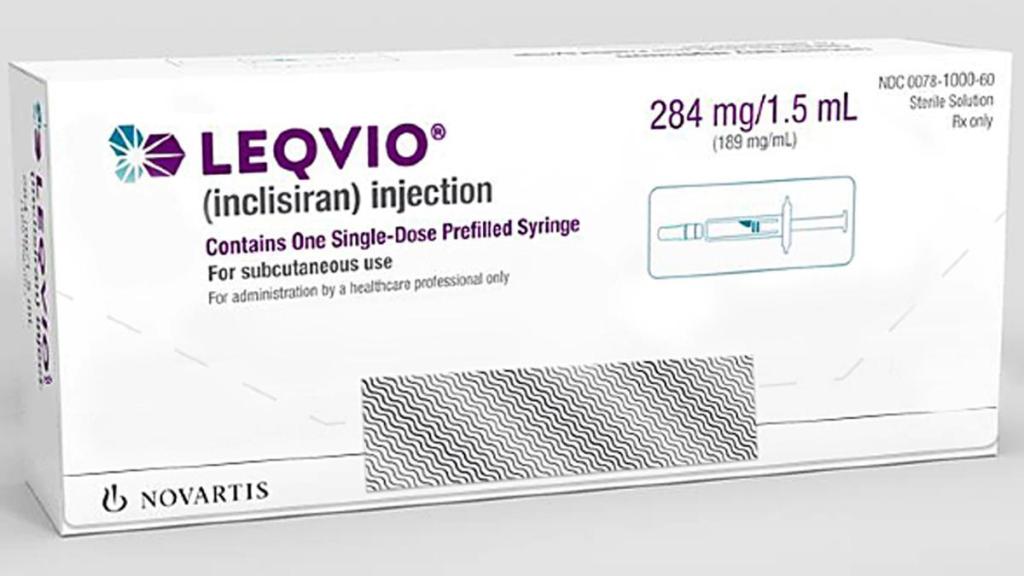
Desde el 1 de noviembre del 2023 en España, se empezó a administrar el inclisirán, comercializado bajo el nombre Leqvio, descrito por su fabricante -la farmacéutica Novartis- como un medicamento de ARN para reducir el colesterol. El mismo que tiene un coste elevado por lo que la prescripción se realiza únicamente a pacientes que no logren bajar sus cifras de colesterol «malo» por debajo de 100 mg/dl a pesar de estar adscritos a otro tratamiento y manteniendo los hábitos saludables fijados en cuanto a dieta y ejercicio.
Since November 1, 2023, inclisiran began to be administered in Spain, marketed under the name Leqvio, described by its manufacturer – the pharmaceutical company Novartis – as an RNA drug to reduce cholesterol. It has a high cost, so the prescription is only made to patients who cannot lower their «bad» cholesterol levels below 100 mg/dl despite being enrolled in another treatment and maintaining the healthy habits established in regarding diet and exercise.
¿Cómo funciona? How does it work?
- Bloqueo de la PCSK9: Esta «vacuna» se dirige a una proteína llamada PCSK9, que normalmente aumenta los niveles de colesterol LDL en el cuerpo. Blocking PCSK9: This «vaccine» targets a protein called PCSK9, which normally increases LDL cholesterol levels in the body.
- Administración: Se administra mediante inyección, y los efectos suelen durar varios meses. Administration: It is administered by injection, and the effects usually last several months.
- Reducción del colesterol: Al bloquear la PCSK9, se reduce significativamente la cantidad de colesterol LDL en la sangre. Cholesterol reduction: By blocking PCSK9, the amount of LDL cholesterol in the blood is significantly reduced.
¿Para quién es? Who is it for?
Esta terapia está indicada para personas con:
This therapy is indicated for people with:
- Niveles muy altos de colesterol LDL: A pesar de seguir un tratamiento farmacológico y llevar un estilo de vida saludable. Very high levels of LDL cholesterol: Despite following pharmacological treatment and leading a healthy lifestyle.
- Alto riesgo cardiovascular: Pacientes que han sufrido un infarto o tienen otras enfermedades cardiovasculares. High cardiovascular risk: Patients who have suffered a heart attack or have other cardiovascular diseases.
Ventajas / Advantages
- Gran eficacia: Puede reducir el colesterol LDL hasta en un 50%. Great effectiveness: It can reduce LDL cholesterol by up to 50%.
- Duración: Los efectos pueden durar varios meses con una sola dosis. Duration: The effects can last several months with a single dose.
Desventajas / Disadvantages
- Costo: Es un tratamiento relativamente nuevo y puede ser costoso. Cost: It is a relatively new treatment and can be expensive.
- No es para todos: No está indicado para todas las personas con colesterol alto, solo para aquellos con casos más severos. Not for everyone: It is not indicated for all people with high cholesterol, only for those with more severe cases.
- Efectos secundarios: Aunque generalmente bien tolerado, pueden presentarse algunos efectos secundarios leves como reacciones en el lugar de la inyección. Side Effects: Although generally well tolerated, some mild side effects such as injection site reactions may occur.
Importante / Important
- No sustituye el estilo de vida saludable: La dieta equilibrada, el ejercicio y dejar de fumar siguen siendo fundamentales para controlar el colesterol. It does not replace a healthy lifestyle: A balanced diet, exercise and quitting smoking remain essential to control cholesterol.
- Debe ser recetada por un médico: La decisión de iniciar este tratamiento debe ser tomada por un especialista en cardiología. It must be prescribed by a doctor: The decision to start this treatment must be made by a cardiology specialist.
OTRAS FORMAS DE CONTROLAR EL COLESTEROL / OTHER WAYS TO CONTROL CHOLESTEROL
Ejercicio regular / Regular exercise:
- La actividad física ayuda a aumentar el colesterol HDL (el bueno) y a disminuir el LDL (el malo). Physical activity helps increase HDL cholesterol (the good one) and decrease LDL (the bad one).
- Se recomienda realizar al menos 30 minutos de ejercicio moderado la mayoría de los días de la semana. It is recommended to get at least 30 minutes of moderate exercise most days of the week.
- Caminar, nadar, andar en bicicleta o bailar son excelentes opciones. Walking, swimming, biking, or dancing are great options.
Pérdida de peso / weight loss
- El sobrepeso y la obesidad están estrechamente relacionados con niveles altos de colesterol. Overweight and obesity are closely related to high cholesterol levels.
- Perder incluso unos pocos kilos puede marcar una gran diferencia. Losing even a few pounds can make a big difference.
Dejar de fumar / Quit smoking
- El tabaco daña las arterias y reduce el colesterol HDL. Tobacco damages the arteries and reduces HDL cholesterol.
- Dejar de fumar es una de las mejores cosas que puedes hacer por tu salud cardiovascular. Quitting smoking is one of the best things you can do for your cardiovascular health.
Controlar la presión arterial / Control blood pressure
- La hipertensión arterial puede dañar las arterias y aumentar el riesgo de enfermedades cardiovasculares. High blood pressure can damage arteries and increase the risk of cardiovascular disease.
- Mantener la presión arterial bajo control es esencial. Keeping blood pressure under control is essential.
Controlar el azúcar en la sangre / Control blood sugar
- La diabetes puede aumentar los niveles de triglicéridos y colesterol LDL. Diabetes can increase triglyceride and LDL cholesterol levels.
- Controlar los niveles de azúcar en la sangre es fundamental. Controlling blood sugar levels is essential.
Reducir el estrés / Reduce stress
- El estrés crónico puede contribuir a niveles altos de colesterol. Chronic stress can contribute to high cholesterol levels.
- Practicar técnicas de relajación como la meditación o el yoga puede ayudar. Practicing relaxation techniques such as meditation or yoga can help.
Suplementos / Supplements
- Algunos suplementos como la niacina, los estanoles y los esteroles vegetales pueden ayudar a reducir el colesterol, pero siempre consulta a tu médico antes de tomarlos. Some supplements such as niacin, stanols, and plant sterols can help lower cholesterol, but always consult your doctor before taking them.
Esta información tiene fines educativos y no debe sustituir el consejo médico profesional.
This information is for educational purposes and should not substitute professional medical advice.
Descubre más desde LA AGENCIA MUNDIAL DE PRENSA
Suscríbete y recibe las últimas entradas en tu correo electrónico.

