
Imagined Stories: WAITING FOR THE DARKNESS

Mi mente y mi emoción han sido envueltas por una música triste. Estoy ensoñado y se me introduce, imprevista, física como una caricia áspera, la idea de la muerte.
My mind and my emotion have been enveloped by sad music. I am dreaming and the idea of death is introduced to me, unexpectedly, physically like a rough caress.
Pero no pienso en Alfonsina, ni en las aguas frías que la engulleron. Pienso en ti, Alejandra y ese pensamiento es como una centella inesperada que me humedece los ojos y me desespera.
But I don’t think about Alfonsina, nor about the cold waters that swallowed her. I think of you, Alejandra and that thought is like an unexpected spark that moistens my eyes and makes me desperate.
–Ese instante que no se olvida/ Tan vacío devuelto por las sombras/ Tan vacío rechazado por los relojes/ Ese pobre instante adoptado por mi ternura/ Desnudo, desnudo de sangre de alas/ Sin ojos para recordar angustias de antaño/ Sin labios para recoger el zumo de las violencias/ perdidas en el canto de los helados campanarios.
-That moment that is not forgotten/ So empty returned by the shadows/ So empty rejected by the clocks/ That poor moment adopted by my tenderness/ Naked, naked of blood from wings/ Without eyes to remember anguish of yesteryear/ Without lips to collect the juice of violence / lost in the song of the frozen bell towers.
Sólo en este primer verso de uno solo de tus poemas se descubre, andando contigo y con tus sentimientos y deseos de aniquilación cual espasmos, toda una vida ensombrecida desde la niñez infeliz, a la adolescencia confundida y a juventud, esa de la creación soberbia de tu arte, esa también que te condujo a una madrugada de suicidio.
Only in this first verse of just one of your poems is revealed, walking with you and with your feelings and desires for annihilation like spasms, an entire life shadowed from unhappy childhood, to confused adolescence and youth, that of the superb creation of your art, that too that led you to an early morning of suicide.
Tu padre, al que amaste, fue distante. Tu madre, que te llamaba Buma, sobrenombre que odiaste, y que prefería a tu hermana Miryam, ayudó, ¿sin saberlo?, a tus depresiones y alejamientos. Entonces, ya adolescente, tu refugio fue la lectura y, luego, el primer enamoramiento, el surrealismo y la influencia de Antonin Artaud, Rimbaud, Baudelaire, Mallarmé y Rilke, cuna de tu desprecio por el modelo social de la época.
Your father, whom you loved, was distant. Your mother, who called you Buma, a nickname you hated, and who preferred your sister Miryam, helped, without knowing it?, to your depressions and estrangements. Then, as a teenager, your refuge was reading and, later, your first love, surrealism and the influence of Antonin Artaud, Rimbaud, Baudelaire, Mallarmé and Rilke, the cradle of your contempt for the social model of the time.
-Ah, fue mi tiempo de obsesiones en que me introduje a través de la poesía: la búsqueda de mi identidad, la construcción de la subjetividad, la infancia perdida y la muerte. Todo eso ya está en mi primer libro, La tierra más ajena.
-Ah, it was my time of obsessions that I introduced myself to through poetry: the search for my identity, the construction of subjectivity, lost childhood and death. All of this is already in my first book, The Most Foreign Land.
Quizás una paradoja. Lo ignoro. Pero me hace feliz que tu voz regrese de quién sabe qué cosmos perdido y resuene en mis oídos. ¿Milagro? No, no. Todo eso también lo has dejado escrito, como tu desesperación por el cuerpo imperfecto, por el asma, al fin por las anfetaminas como pretendido manotón de quien se ahoga. Y la confundida búsqueda del amor.
Perhaps a paradox. I ignore it. But it makes me happy that your voice returns from who knows what lost cosmos and resonates in my ears. Miracle? No no. You have also written all of that, like your desperation for the imperfect body, for asthma, and finally for amphetamines as the alleged heaviness of someone who is drowning. And the confused search for love.
–Ampáralo niña ciega de alma/ Ponle tus cabellos escarchados por el fuego/ Abrázalo pequeña estatua de terror./ Señálale el mundo convulsionado a tus pies/ A tus pies donde mueren las golondrinas/ Tiritantes de pavor frente al futuro/ Dile que los suspiros del mar/ Humedecen las únicas palabras/ Por las que vale vivir.
– Protect him, blind girl of soul/ Make him your hair frosted by the fire/ Embrace him, little statue of terror./ Point out to him the convulsed world at your feet/ At your feet where the swallows die/ Shivering with dread in front of the future/ Tell him that the sighs of the sea/ They moisten the only words/ For which it is worth living.
Viajaste a París, poetisa ya llamada extraña, maldita, que habías publicado Un signo en tu sombra, La última inocencia y Las aventuras perdidas, ansiando una imposible relación perfecta entre soledad y compañía, impulsada por el ansia de vivir y la certeza de que sólo aguardaba una muerte pronta.
You traveled to Paris, a poet already called strange, cursed, who had published A Sign in Your Shadow, The Last Innocence and The Lost Adventures, longing for an impossible perfect relationship between solitude and company, driven by the desire to live and the certainty that only He awaited a quick death.
Volviste más rebelde, atrevida, contradictoria, poetisa cabal que conoció a Cortázar y a Octavio Paz, quien te ayudó a obtener más reconocimiento promoviendo tus nuevos libros: Árbol de Diana –Diana, tu compañera hasta el fin-, Los trabajos y las noches, Extracción de la piedra de locura y La condesa sangrienta, entre otros reconocibles, profundos desgarramientos internos. Pero aun así persistió en tu espíritu la idea del suicidio, del dulce árbol que por imperio de la ignorancia debe secarse demasiado temprano, de tu incomodidad ante la vida y los demás.
You returned more rebellious, daring, contradictory, a true poet who met Cortázar and Octavio Paz, who helped you obtain more recognition by promoting your new books: Diana Tree –Diana, your companion until the end-, The Works and the Nights, Extraction of the Stone of Madness and The Bloody Countess, among other recognizable, deep internal tears. But even so, the idea of suicide persisted in your spirit, of the sweet tree that due to ignorance must dry up too early, of your discomfort with life and others.
-Sí. Muerte interminable, olvido del lenguaje y pérdida de imágenes. Cómo me gustaría estar lejos de la locura y la muerte…
-Yeah. Endless death, forgetting of language and loss of images. How I would like to be far from madness and death…
Pero no pudiste. La angustia fue más fuerte incluso que tus llamadas de socorro a la madrugada, despertando a Diana o a algún amigo; más que tu frustrada terapia con León Orlov, psiquiatra a quien quisiste y al que dedicaste un conmovedor poema.
But you couldn’t. The anguish was stronger even than your calls for help at dawn, waking up Diana or a friend; more than your frustrated therapy with León Orlov, a psychiatrist to whom you loved and to whom you dedicated a moving poem.
Qué hondo dolor, Alejandra. El 25 de setiembre de 1972, a los 36 años, te mataste ingiriendo un frasco de barbitúricos, a las pocas horas de salir de un hospital adonde te habían internado por tu depresión.
What deep pain, Alejandra. On September 25, 1972, at the age of 36, you killed yourself by ingesting a bottle of barbiturates, a few hours after leaving a hospital where you had been admitted for your depression.
¡Qué hondura tiene todavía esa herida en el corazón de cualquiera!
How deep that wound still is in anyone’s heart!
–Pero ese instante sudoroso de nada/ Acurrucado en la cueva del destino/ Sin manos para decir nunca/ Sin manos para regalar mariposas/ A los niños muertos.
-But that sweaty moment of nothing/ Huddled in the cave of destiny/ Without hands to say never/ Without hands to give butterflies/ To dead children.
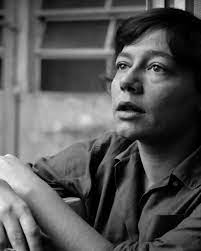
A LA ESPERA DE LA OSCURIDAD (·) es el título de uno de los poemas de Alejandra Pizarnik, poetisa nacida en Avellaneda, Buenos Aires, de padres rusos, quien más allá de la brevedad de su vida y obra, tal vez ignorada en su tiempo, generó una impresionante influencia en las generaciones siguientes de la literatura en nuestro idioma.
WAITING FOR THE DARKNESS (·) is the title of one of the poems by Alejandra Pizarnik, a poet born in Avellaneda, Buenos Aires, of Russian parents, who, beyond the brevity of her life and work, perhaps ignored in her time, generated an impressive influence on subsequent generations of literature in our language.
Descubre más desde LA AGENCIA MUNDIAL DE PRENSA
Suscríbete y recibe las últimas entradas en tu correo electrónico.
