
Imagined stories: MY VOICE

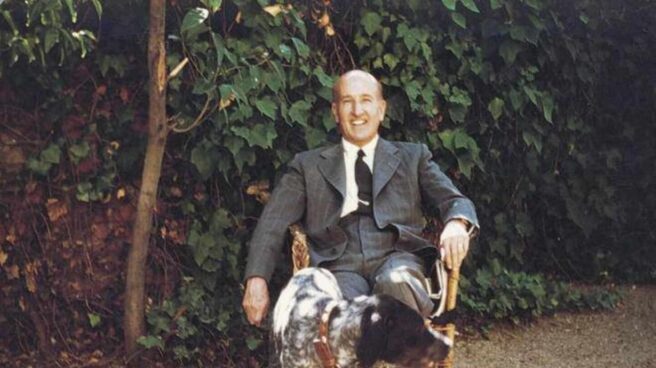
MI VOZ es el primer poema del segundo libro de Vicente Aleixandre, Espadas como labios, poeta perteneciente a la Generación del 27, Premio Nobel de Literatura 1977, que Nació en España en 1898 y allí murió en 1984. Aquejado por una persistente enfermedad, muy joven se dedicó a leer a grandes autores y luego a escribir poemas que fueron un éxito inmediato. Su obra, envolvente, ingeniosa, se caracteriza por el uso aventurero de la metáfora y está teñida por la influencia del surrealismo. Aleixandre fue miembro de la Academia de la Lengua y sus principales libros son Nacimiento último, Poemas de la consumación, La destrucción o el amor y En un vasto dominio.
MY VOICE is the first poem in the second book by Vicente Aleixandre, Swords like lips, a poet belonging to the Generation of ’27, Nobel Prize in Literature in 1977, who was born in Spain in 1898 and died there in 1984. Suffering from a persistent illness, very As a young man he dedicated himself to reading great authors and then writing poems that were an immediate success. His work, involving and ingenious, is characterized by the adventurous use of metaphor and is colored by the influence of surrealism. Aleixandre was a member of the Academy of Language and his main books are Last Birth, Poems of Consummation, Destruction or Love and In a Vast Domain.
MI VOZ – MY VOICE
¡Hombre, han dicho de ti que escribes palabras como sonidos! Qué belleza.
Man, they said about you that you write words like sounds! That beauty.
Y que nos propones una suerte de movimiento que tantea hacia la relación del verso con el mundo.
And that you propose a kind of movement that probes towards the relationship of verse with the world.
No sé si antes de volar quién sabe a qué parte, antes de que tu cuerpo flaco y viejo al fin nos abandonase, Vicente, lo has sabido. Quiero decir: si has comprendido qué intensidad de emociones despertaste en los otros, esos capaces de decir que tu poesía, enriquecida de imágenes audaces, era sensual, erótica, envolvente en un vínculo estrecho entre amor y muerte.
I don’t know if before we flew to who knows where, before your thin and old body finally abandoned us, Vicente, you knew it. I mean: if you have understood what intensity of emotions you awakened in others, those capable of saying that your poetry, enriched with bold images, was sensual, erotic, involving a close bond between love and death.
Si por uno de esos milagros en los que no creo –pero querría- me escuchas, no te confesaré mi admiración porque tus poemas merecen más. No. Te confesaré que siempre he creído, desde que aprendí a leerte, que es como haberme metido entre tus huesos y tus venas, que el secreto nace en la costa mediterránea, allá en Málaga, en aquella casa de Velintonia donde viviste tantos años; con ese aire alrededor, seco a veces, húmedo otras, que tú sentías cual suave caricia mientras el ensueño te dominaba y te embriagaba frente a un horizonte de agua verdosa y nubes agrisadas; ése, tu hábitat no canjeable y protector, el útero originario, la razón sin razón de tu genial artesanía de palabras, el hálito inspirador de tu delicadísima sensualidad.
If for one of those miracles in which I do not believe – but would like to – you listen to me, I will not confess my admiration because your poems deserve more. No. I will confess that I have always believed, since I learned to read you, that it is like having gotten into your bones and your veins, that the secret is born on the Mediterranean coast, there in Malaga, in that house in Velintonia where you lived for so many years; with that air around you, dry at times, humid at others, that you felt like a soft caress while the dream dominated you and intoxicated you in front of a horizon of greenish water and gray clouds; that, your non-exchangeable and protective habitat, the original womb, the reason without reason of your brilliant craftsmanship of words, the inspiring breath of your very delicate sensuality.
–He nacido una noche de verano/ entre dos pausas. Háblame: te escucho./ He nacido. Si vieras qué agonía/ representa la luna sin esfuerzo…
-I was born on a summer night / between two pauses. Talk to me: I listen to you./ I was born. If you saw what agony/ the moon represents without effort…
¿Quieres mantenerte ahora en silencio, después de tanto tiempo? No importa; de todos modos te responderé, porque dejaste escritas intimidades al pasar que otros editaron y difundieron: -Soy uno de los poetas en que más influye la vida. Mis libros no hubieran existido sin mi lugar, mi sitio de infancia y juventud.
Do you want to remain silent now, after so long? It doesn’t matter; In any case, I will answer you, because you left written intimacies in passing that others edited and disseminated: -I am one of the poets who is most influenced by life. My books would not have existed without my place, my place of childhood and youth.
Tal vez tampoco hubieran existido sin aquel pronto desgarramiento, la muerte de tu abuelo –“Sólo con él, tan grande y tan seguro para mí allí, sólo con él en el mar”-, devastadora, sí, pero que te ayudó a crecer, a buscar, porque tú eras ese dolor, pero un dolor que movía tu mano al escribir cada día con más valentía, más audacia, más creatividad. También dijiste, y no sabes cuántos papeles he revuelto para hallar aquella frase: -Hacer es vivir más. La poesía me fue revelada, aunque siempre siento que estoy en penumbras.
Perhaps they would not have existed either without that sudden heartbreak, the death of your grandfather – “Alone with him, so big and so safe for me there, only with him in the sea” – devastating, yes, but which helped you grow, to search, because you were that pain, but a pain that moved your hand as you wrote every day with more courage, more audacity, more creativity. You also said, and you don’t know how many papers I have shuffled through to find that phrase: -Doing is living more. Poetry was revealed to me, although I always feel like I am in the dark.
¿Penumbras, Vicente? Claro, una metáfora. Otra más, de tantas… ¿De qué diferente forma rozar apenas, sufrido pero elegante, la historia tan triste de tus enfermedades recurrentes a lo largo de la vida, más la muerte de tu madre que te hizo susurrar, entre lágrimas, “yo soy el dolor”?
Penumbras, Vicente? Sure, a metaphor. Another one, of so many… In what different way can you barely touch, suffered but elegant, the very sad story of your recurring illnesses throughout your life, plus the death of your mother that made you whisper, through tears, “I am the pain»?
–He nacido. Tu nombre era la dicha;/ bajo un fulgor una esperanza, un ave./ Llegar, llegar. El mar era un latido/, el hueco de una mano, una medalla tibia…
-I’ve been born. Your name was happiness;/ under a glow a hope, a bird./ Arrive, arrive. The sea was a heartbeat/, the hollow of a hand, a warm medal…
Al paso de los años, sentenciaron que tu verbo, revestido de sacralidad, era capaz de reconciliar al hombre con el mundo. Y volviendo a tus páginas, cualesquiera, no importa, se sabe cierto aquello de que renunciaste a ti mismo, sin ambages, explícitamente, para lograr transformarte en una simple expresión de vida. ¿Simple?
As the years passed, they declared that your word, clothed in sacredness, was capable of reconciling man with the world. And returning to your pages, whatever, it doesn’t matter, it is known to be true that you renounced yourself, without hesitation, explicitly, in order to transform yourself into a simple expression of life. Simple?
–Entonces son posibles ya las luces, las caricias, la piel,/ el horizonte,/ ese decir palabras sin sentido/ que ruedan como oídos, caracoles…
-Then the lights, the caresses, the skin, / the horizon, / that saying meaningless words / that roll like ears, snails…
La poesía fue la gran razón de tu vida. ¡Se lo confesaste a Guillén, tu amigo! Y le ofreciste tu secreto: “Ella es mi pasión, mi actitud ante la vida, porque ella no es mi respuesta sino mi pregunta”.
Poetry was the great reason for your life. You confessed it to Guillén, your friend! And you offered her your secret: “She is my passion, my attitude towards life, because she is not my answer but my question.”
Vicente, mi querido Vicente lleno de padecimientos y, sin embargo, tan romántico, tan sensual:
Vicente, my dear Vicente, full of suffering and, yet, so romantic, so sensual:
-…como un lóbulo abierto que amanece,/ (escucha, escucha) entre la luz pisada.
-…like an open lobe that dawns,/ (listen, listen) between the stepped light.
Descubre más desde LA AGENCIA MUNDIAL DE PRENSA
Suscríbete y recibe las últimas entradas en tu correo electrónico.
