

FESTIVAL DE POESÍA MANUEL ANDRADE 2023: José Manuel Recillas en la cultura.
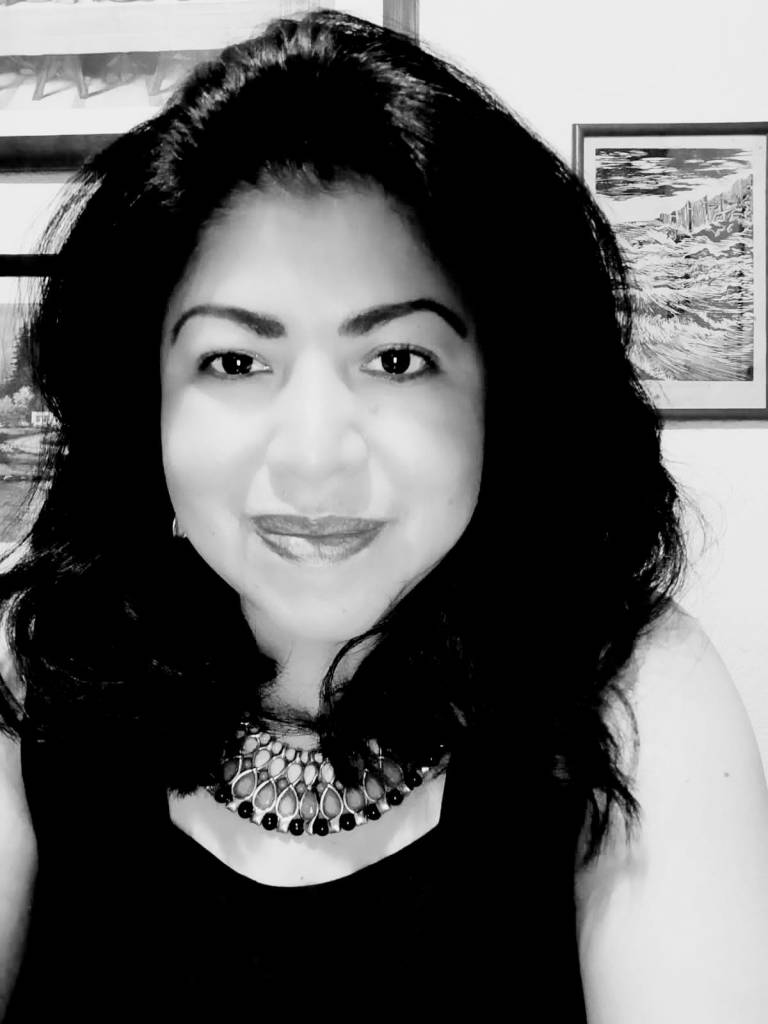
A restaurant near the Palace of Fine Arts was the setting for the meeting with Mexican poet, essayist, and translator José Manuel Recillas, winner of the National Prize for Critical Essay «Evodio Escalante» in 2016, and president of the Mexican Academy of Poetry. With a full cultural agenda, our guest today details his most ambitious projects: the Manuel Andrade Poetry Festival 2023, as well as the first Poetry Library in Mexico.
Un restaurante cercano al Palacio de Bellas Artes fue el escenario del encuentro con el poeta, ensayista y traductor mexicano José Manuel Recillas, Premio Nacional de Ensayo Crítico «Evodio Escalante» 2016, y presidente de la Academia Mexicana de Poesía, A.C. (AMP); con una agenda cultural completa, nuestro invitado de hoy nos detalla sus proyectos más ambiciosos: el Festival de Poesía Manuel Andrade 2023, además, la primera Biblioteca de Poesía en México.
José Manuel Recillas, our distinguished guest, who was awarded the Sergio Pitol Chair in 2012, is the author of works such as «La ventana y el balcón» (1992), essays like «Aproximaciones al expresionismo» (2004), «El sueño del alquimista,» among other titles that will be the subject of another enriching interview about his brilliant work as a poet and translator.
José Manuel Recillas, nuestro destacado invitado, a quien le fue otorgada La Cátedra Sergio Pitol en 2012, es autor de las obras La ventana y el balcón (1992), ensayos Aproximaciones al expresionismo (2004), El sueño del alquimista, entre otros títulos que serán materia de otra enriquecedora entrevista sobre su brillante trabajo como poeta y traductor.

Between sips of coffee, the award-winning writer Recillas, originally from Mexico City, takes the time to narrate what has happened in recent years, projects to which he has devoted himself fully, during which he has also been a meticulous observer.
Entre sorbos de café, el multipremiado escritor Recillas, originario de la Ciudad de México, se toma el tiempo para narrar lo que ha ocurrido en los últimos años, proyectos a los que se ha dedicado de lleno, tiempo en el que también ha sido un observador meticuloso.
Reflective, takes the word and takes us into its territory.
Reflexivo, toma la palabra y nos adentra a su territorio.
«Somehow, when you have more than three decades of experience, everything you do is the result of those years dedicated to the art of writing,» she reveals.
“De alguna manera, cuando tienes más de tres décadas de trayectoria todo lo que haces es el fruto de esos años dedicados a las letras”, nos revela.
The Manuel Andrade Poetry Festival 2023, of which he has taken full charge of the organization, is one of the poetry dissemination projects that emerged from the initial conversations at the Mexican Academy of Poetry when Manuel – his dear friend, a cherished poet – was still alive.
El Festival de Poesía Manuel Andrade 2023 -del que lleva toda la organización-, es uno de los proyectos de difusión de la poesía que surgió de las conversaciones iniciales en la Academia Mexicana de Poesía cuando Manuel -su amigo, poeta entrañable- estaba con vida.
«The event will take place during the first two full weeks of September, featuring 22 of the country’s top living poets. It will be held at Casa del Poeta Ramón López Velarde, located on Álvaro Obregón Avenue in the Roma neighborhood, Mexico City.»
“Se llevará a cabo las primeras dos semanas completas de septiembre, con 22 de los mejores poetas vivos del país, tendrá como sede la Casa del Poeta Ramón López Velarde, en la avenida Álvaro Obregón, colonia Roma, Ciudad de México”.
Serene and visionary, he adds, «It is not an exaggeration that we can call this Festival de Poesía Manuel Andrade, the literary event of the year, it has become a kind of curation.»
Sereno y visionario, agrega: “No es una exageración que podamos llamar a este Festival de Poesía Manuel Andrade, como el evento literario del año, se ha hecho una especie de curaduría”.
Our poet adds the rigour that this implies: «You cannot improvise a Poetry Festival if no one knows you, if no one knows who you are, if you don’t have a minimum, public track record that fellow poets, whom you are inviting, know about. You may have the luck to invite them, but it is not so easy for them to accept.»
Nuestro poeta, añade el rigor que esto implica: “Tú no puedes improvisar un Festival de Poesía si nadie te conoce, si nadie sabe quién eres, si no tienes una trayectoria mínima, pública, que conozcan los colegas a quienes estás invitando, podrías tener la suerte de invitarlos, pero no es tan fácil que acepten”.
«This festival is a job that requires a lot of energy, more time than one can imagine, because we don’t have external people to support us, everything is done internally at the AMP. Ideally, we would have to budget how much it would cost to do this if there was money, but for now, we are doing it with great pleasure.»
“Este festival es un trabajo que requiere muchísima energía, más tiempo del que uno se imagina, porque no tenemos gente externa que nos apoye, todo se hace al interior de la AMP. Idealmente habría que hacer un presupuesto de cuánto costaría hacer esto si hubiera dinero, de momento lo estamos haciendo con mucho gusto”.
«We want to demonstrate that it is possible, and having done the work, to be able to say to the cultural institutions of the country that we are carrying out projects and with financial resources from the state or institutional resources, we will be able to do even more, it is something that must be done.»
“Nosotros queremos demostrar que se puede y habiendo hecho el trabajo, poder decir a las instituciones culturales del país, que estamos llevando a cabo proyectos y con recursos financieros del estado o institucionales podremos hacer todavía más, es algo que se debe hacer”.
«Following the death of poet Manuel Andrade (2017), and the pandemic, we were forced to find new ways to develop projects, and the first one we did is: ‘The virtual poetic altar’, which can be seen through the YouTube platform, and it was an invitation made to a group of colleagues to read a poet who had recently passed away to honor their memory.»
“A raíz de la muerte del poeta Manuel Andrade (2017), y la pandemia, nos obligó a buscar formas nuevas de desarrollar proyectos, y el primero que realizamos es: “El altar virtual poético”, que se puede ver a través de la plataforma youtube, y que fue una invitación hecha a un grupo de colegas para que leyeran a un poeta que hubiera fallecido recientemente para honrar su memoria”.
«Subsequently, we collaborated with the Literature Department of the National Institute of Fine Arts on several virtual projects about the Tribute to Ramón López Velarde, two years ago, when the national poet’s centenary was celebrated.»
“Posteriormente, colaboramos con la Dirección de Literatura del Instituto Nacional de Bellas Artes, en varios proyectos virtuales sobre el Homenaje a Ramón López Velarde, hace dos años, cuando se cumplió el centenario del poeta nacional”.
In recent years, our guest tells us, he has fully embraced technology to do what younger generations effortlessly do: manage social media, create content across various platforms, design posters, all to promote poetry and cultural projects.
En los años recientes, nos revela nuestro invitado, entró de lleno al conocimiento para hacer lo que con facilidad realizan las generaciones más jóvenes, el manejo de redes sociales, crear contenido a través de distintas plataformas, elaborar carteles, todo para promover proyectos de poesía y culturales.
Manuel Andrade Chair
Cátedra Manuel Andrade
«We decided to create the Manuel Andrade Chair (Contemporary Poetics), a project that encompasses all the activities we are doing. The Mexican Poetry Academy proposed to start this year commemorating the fifth anniversary of Manuel Andrade’s passing, a project to invite poets to give a master lecture on a topic of their interest. This chair has already been inaugurated, marking everything else. Every Friday, it premieres a ‘poetry-video’, specially made with an intro and signature, featuring a poem read by a living Mexican poet, and in some cases, by deceased Mexican poets. One video is premiered per week. This project is framed within one of the objectives of this Academy, which is the promotion of poetry.»
«Decidimos crear la Cátedra Manuel Andrade (poéticas contemporáneas), un proyecto que abarca todas las actividades que estamos haciendo. La Academia Mexicana de Poesía se propuso hacer, a partir de este año, conmemorando los cinco años de fallecimiento de Manuel Andrade, un proyecto para invitar a poetas a dar una conferencia magistral sobre algún tema de su interés. Ya se inauguró esta cátedra que marca todo lo demás, la cual estrena cada viernes un ‘poe-video’ hecho especialmente con una cortinilla y su rúbrica sobre un poema leído por un poeta mexicano vivo, y, en algunos casos, de poetas mexicanos fallecidos. Se estrena uno por semana, y este proyecto está enmarcado en uno de los objetivos de esta Academia, que es la promoción de la poesía.»
«We were fortunate that a radio space opened up on a cultural station in the Mexican state, OPUS 94, which belongs to the Mexican Radio Institute (IMER), where I have the show ‘Written with music’, three-minute segments on Mondays, Wednesdays, and Fridays at 10 in the morning, with a repeat at 4:00 p.m. on the same station, which can be tuned in via the IMER website or on a traditional radio.»
«Tuvimos la fortuna de que se abriera un espacio radiofónico en una estación cultural del estado mexicano, OPUS 94, que pertenece al Instituto Mexicano de la Radio (IMER), donde tengo el espacio ‘Escrito con música’, cápsulas de tres minutos los días lunes, miércoles y viernes, a las 10 de la mañana, con repetición a las 16:00 horas en la misma estación, que puede sintonizarse vía internet en la página del IMER o en una radio tradicional.»
The Mexican Poetry Salon
El salón de la poesía mexicana
«We have opened a space on the radio, which is the first of its kind, dedicated to poetry, called ‘The Mexican Poetry Salon,’ where once a month we provide an opportunity for a Mexican poet with a minimum of 35 or 40 years of experience to present and read their poems to the station’s audience. We have already aired three of these programs. The first was inaugurated by poet and editor Juan Manuel Mendiola, the second program featured poet Eduardo Hurtado, and the third had Jose Maria Espinasa, an editor and essayist. The fourth program will feature Kyra Galván, a poet and translator. The program lasts for one hour, and the poet has the freedom to present their poetry in any way they see fit. Sometimes there is a dialogue between the guest and host José Manuel Recillas, but what matters most is that the poet’s voice is heard.»
“Abrimos un espacio, que es la primera vez en la radio, dedicado también a la poesía que se llama: ‘El salón de la poesía mexicana’, en donde una vez al mes brindamos un espacio para que un poeta mexicano con un mínimo de 35 o 40 años de trayectoria se presente a leer poemas suyos ante el público de la estación. Ya hemos transmitido tres de estos programas, el primero lo inauguró el poeta y editor Juan Manuel Mendiola, en el segundo programa tuvimos al poeta Eduardo Hurtado, el tercero José María Espinasa, editor y ensayista. En el cuarto estará Kyra Galván, poeta y traductora. El programa tiene una duración de una hora y el poeta tiene la libertad de exponer su poesía como él lo considere necesario. A veces hay un diálogo entre el invitado y el anfitrión José Manuel Recillas, lo que más importa es que se escuche la voz del poeta”.
Mexican Academy of Poetry
Academia Mexicana de Poesía
«The project of the Mexican Academy of Poetry is the result of something that only begins to come to mind when you reach a certain age, a certain trajectory, because when you start (in letters) what you think about is yourself…, you are you as an individual.»
«El proyecto de la Academia Mexicana de Poesía es el fruto de algo que solamente comienza a venir a uno a la cabeza cuando tienes cierta edad, cierta trayectoria, porque cuando uno empieza (en las letras) lo que piensas es en ti mismo…, eres tú en lo individual».
«The Mexican Academy of Poetry, A.C., was founded in 2016 as a result of a personal concern. I decided to gather a group of poets and friends to embark on its initial development stage, creating a space for the promotion of poetry and the preservation of various bibliographic archives.»
“La Academia Mexicana de Poesía, A.C., surge en 2016 producto de una inquietud personal, decidí convocar a un grupo de poetas y amigos para llevarlo a su primera etapa de desarrollo, crear un espacio donde se difunda la poesía y la preservación de archivos bibliográficos de diversa índole”.
«The project started from a series of conversations I had with Manuel Andrade, a Mexican poet with whom I had a very close relationship. He was a brilliant man, with many ideas. Practically everything the Mexican Academy of Poetry is doing right now, and starting from this year, arose from conversations and later formal projects discussed in meetings with AMP members.»
«El proyecto inició a partir de una serie de conversaciones que tuve con Manuel Andrade, poeta mexicano con el que tuve una relación muy cercana. Él era un hombre brillante, con muchísimas ideas. Prácticamente todo lo que la Academia Mexicana de Poesía está haciendo en estos momentos, y a partir de este año, surgió de conversaciones y de proyectos formales platicados en reuniones con integrantes de la AMP.»
«This Academy was founded by Manuel Andrade and his wife. It also includes the Mexican poet Roxana Elvridge-Thomas, the Mexican editor Rebeca Ocaranza Bastida, and other friends who, due to different interests, are no longer involved at this time.»
“Esta Academia fue fundada por Manuel Andrade y su esposa. También forman parte de ella la poeta mexicana Roxana Elvridge-Thomas, la editora mexicana Rebeca Ocaranza Bastida y otros amigos que, por distintos intereses, ya no están en este momento”.
«Currently we have as a product for the recovery or protection of bibliographic files, the library of Mexican poet Iliana Godoy, who passed away in December 2017, which was donated to us by her family. Additionally, we have a substantial portion of my own donated library. We also have the archive of Mexican poet Juan Bautista Villaseca, which I began to rescue even before the Academy project existed. I recovered handwritten, typed, and photographic files from him.»
«En la actualidad tenemos como producto de recuperación o protección de archivos bibliográficos, la biblioteca de la poeta mexicana Iliana Godoy, quien falleció en diciembre de 2017, que nos donó su familia. Además, tenemos una parte muy considerable de mi propia biblioteca donada. También contamos con el archivo del poeta mexicano Juan Bautista Villaseca, al cual empecé a rescatar incluso antes de que existiera el proyecto de la Academia. Recuperé archivos manuscritos, mecanoscritos y fotográficos de él.»
The Death of Writers and Poets
La muerte de escritores y poetas
«Long before the Academy’s project, I began to see a whole group of writers and poets of a certain age leaving. The awareness of this human finitude occurred to me when Carlos Montemayor died. I believe that was the first time, not because people hadn’t died before him, that I witnessed the departure of Octavio Paz, Carlos Monsiváis. The death of Ricardo Garibay, whom I consider my mentor and the reason I became a writer, affected me greatly. Suddenly, at some point, which was when Carlos Montemayor passed away, I became aware of this departure of writers. And the question I asked myself is: What happens to their archives, their library, their lifelong experience dedicated to literature?»
«Mucho antes del proyecto de la Academia, comencé a ver que se estaban yendo todo un grupo de escritores y poetas de cierta edad. La toma de conciencia de esa finitud humana me ocurrió cuando murió Carlos Montemayor. Creo que ahí fue cuando por primera vez, no porque antes de él no murieran, me tocó ver la partida de Octavio Paz, de Carlos Monsiváis. Me afectó mucho la muerte de quien considero mi maestro y por quien me volví escritor, Ricardo Garibay. De repente, en algún momento, que fue cuando falleció Carlos Montemayor, tuve conciencia de este partir de los escritores. Y la pregunta que me hice es: ¿Qué pasa con sus archivos, con su biblioteca, con la experiencia de toda una vida dedicada a las letras?».
«It was from this awareness and a series of visits to Morelia that the picture became clear to me, thanks to a lawyer friend. The idea of creating the Mexican Academy of Poetry emerged, along with finding out what would happen to the writers’ libraries after their passing. Sometimes, it becomes a burden for families because they often have a large number of books and modern homes and apartments don’t have space to accommodate those libraries. Typically, the families of writers are not inclined towards reading, let alone poetry.»
«Fue a partir de esta conciencia y de una serie de visitas a Morelia cuando se me aclaró el panorama, gracias a un amigo abogado. Surgió la idea de crear la Academia Mexicana de Poesía y de averiguar qué sucedería con la biblioteca de los escritores tras su fallecimiento. A veces, es una carga para las familias debido a que en ocasiones cuentan con una gran cantidad de libros y en las viviendas y apartamentos modernos no tienen espacio para albergar esas bibliotecas. Por lo general, las familias de los escritores no son personas dadas a la lectura, y mucho menos a la poesía.»
«I began to see that some colleagues, especially those close to me, also passed away. As a result of those absences, this project emerged with the sole purpose of protecting those books and collections, as well as creating projects once we have a headquarters. These projects will allow us to conduct studies on those specific books, on those libraries. We also aim to create the first Poetry Library in Mexico. The idea for this library comes from an anthology compiled by Carlos López Beltrán and Pedro Serrano. In the prologue of that anthology on Mexican poetry, they pointed out the need to have a poetry library in a country with so many poets. All of these mentioned elements converged into the idea of creating an institution that preserves libraries beyond the prestige of the authors.»
«Empecé a ver que algunos colegas, sobre todo cercanos a mí, también fallecieron. A raíz de esas ausencias, surgió este proyecto cuyo único interés es la protección de esos libros y acervos, además de crear proyectos una vez que tengamos una sede. Estos proyectos nos permitirán realizar estudios sobre esos libros en concreto, sobre esas bibliotecas. También tenemos como objetivo crear la primera Biblioteca de Poesía en México. La idea para esta biblioteca surge de una antología realizada por Carlos López Beltrán y Pedro Serrano. En el prólogo de esa antología sobre poesía mexicana, señalaron la necesidad de contar con una biblioteca de poesía en un país con tantos poetas. Todos estos elementos mencionados confluyeron en la idea de crear una institución que preserve las bibliotecas más allá del prestigio de los autores.»
«Carlos Montemayor’s library is preserved by the former Conaculta, now the Ministry of Culture, because Carlos Montemayor had renown and prestige. The same goes for Octavio Paz’s library, which is now part of the Casa Marie José and Octavio Paz. The same happened with the library of Alí Chumacero and other recognized writers. However, what happens to the rest of the writers, those who don’t have that showcase or fame? There are many libraries of colleagues whose fate I am unaware of. For example, a poet friend’s library ended up at the University of Querétaro. At some point, they offered us María Luisa ‘la China’ Mendoza’s library (a Mexican writer and journalist who passed away in June 2018), but they asked for a ridiculous price that we couldn’t afford. In the end, the library was donated to the University of Guanajuato.»
«La biblioteca de Carlos Montemayor está conservada por el extinto Conaculta, ahora Secretaría de Cultura, porque Carlos Montemayor tenía renombre y prestigio. Lo mismo ocurre con la biblioteca de Octavio Paz, que ahora forma parte de la Casa Marie José y Octavio Paz. Lo mismo sucedió con la biblioteca de Alí Chumacero y otros escritores reconocidos. Sin embargo, ¿qué ocurre con el resto de los escritores, aquellos que no tienen ese escaparate o fama? Existen muchas bibliotecas de colegas de las cuales desconozco su destino. Por ejemplo, la biblioteca de una amiga poeta terminó en la Universidad de Querétaro. En algún momento nos ofrecieron la biblioteca de María Luisa ‘la China’ Mendoza (escritora y periodista mexicana que falleció en junio de 2018), pero nos pedían un precio ridículo que no podíamos pagar. Al final, la biblioteca fue donada a la Universidad de Guanajuato.»
«The idea is also, at some point, to start editing books, recovering some works and authors, and that all of this is part of the legal and social objectives established in the bylaws of the Mexican Academy of Poetry.»
«La idea es también, en algún momento, empezar a editar libros, recuperar algunas obras y autores, y que todo esto forme parte de los objetivos legales y sociales que establece el acta constitutiva de la Academia Mexicana de Poesía.»
«These concerns only arise at a certain point in life when youth is already behind and one’s physical energy starts to decline. It’s when you begin to worry about these things, that energy you had when you were young is no longer with you and you have to muster up strength, as some would say, or maintain willpower or physical strength above the ailments that naturally arise when you turn fifty. Health begins to decline and illnesses start to appear. It is the moment when you need more health resources, financial support, and institutional support. One should have them, even though unfortunately we don’t have any support at the moment. But one must figure out how to move forward with projects, whether there is interest from the country’s cultural institutions or not. At this moment there isn’t, but perhaps at some other point nearby there will be, and someone who knows how to value what all of this means. So that we can contribute something to the country’s culture that goes beyond our mere individuality.»
«Estas preocupaciones solo surgen en cierto momento de la vida cuando ya la juventud quedó atrás y la energía física de uno empieza a declinar. Es cuando te empiezas a preocupar por estas cosas, esa energía que tenías cuando eras joven ya no está contigo y tienes que sacar fuerzas de flaqueza, como dirían algunos, o mantener la voluntad o las fuerzas físicas por encima de las afecciones que, por ley natural de la vida, surgen cuando ya cumples cincuenta años. La salud comienza a declinar y empiezan a aparecer enfermedades. Es el momento en el que necesitas más recursos de salud, financieros, y de apoyos institucionales. Debería uno contar con ellos, aunque lamentablemente no contamos con ningún apoyo de momento. Pero uno debe buscar ingenírselas para sacar adelante los proyectos, haya o no interés de las instituciones culturales del país. En este momento no lo hay, pero tal vez en algún otro momento cercano lo haya, y alguien que sepa valorar lo que todo esto significa. Así podamos aportarle algo a la cultura del país que vaya más allá de nuestra mera individualidad».
Descubre más desde LA AGENCIA MUNDIAL DE PRENSA
Suscríbete y recibe las últimas entradas en tu correo electrónico.
