
LA AVENTURA DEL TANGO: DEL BUCEO AL MUNDO

Luis di Matteo vive en Montevideo, en el Buceo, pero toca en Europa. Hace treinta años que sale de gira por Alemania, Finlandia, Rusia, Francia y otros países. En su trabajo conviven la música clásica, el tango, el candombe y la milonga. Continúa leyendo LA AVENTURA DEL TANGO: DEL BUCEO AL MUNDO
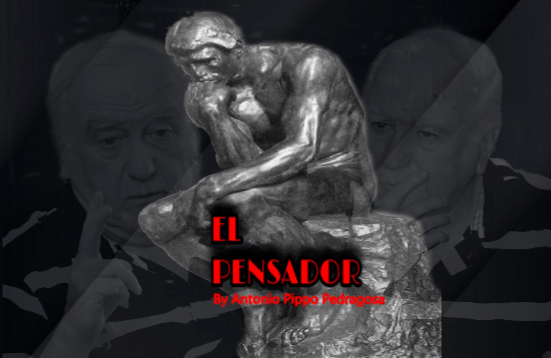

EL PENSADOR: cuando la calle es una selva

The work stoppage and street demonstrations have refueled fuel in recent days. Everything indicates that they will continue. Continúa leyendo EL PENSADOR: cuando la calle es una selva

PUNTA DE LANZA: LOS TALIBANES ALTERAN LA SENSIBILIDAD MUNDIAL

The United States of today is not the same as it was in the past. However, that country has a political style, a constant, which sometimes becomes colorless, not to say «always», when it considers that its interests are in danger, even knowing that it has its enemies identified. Continúa leyendo PUNTA DE LANZA: LOS TALIBANES ALTERAN LA SENSIBILIDAD MUNDIAL

HISTORIA: 5 de julio de 717 A C. Muere Rómulo uno de los fundadores de Roma

Desde la leyenda de Rómulo y Remo, hasta los “lupanares” o prostíbulos en Roma y Pompeya. From the legend of Romulus and Remus, to the «lupanares» or brothels in Rome and Pompeii. Continúa leyendo HISTORIA: 5 de julio de 717 A C. Muere Rómulo uno de los fundadores de Roma

LA AVENTURA DEL TANGO: EL QUE NACIÓ EN EL FRIO

-Sacar a bailar a una mujer ya es bastante difícil, así que imagínense el resto. Por suerte está el cantor en el escenario que dice lo que todos callan: “Te amo”. Porque, fíjense qué curioso, a principios de l950 los finlandeses éramos sólo tres millones. Ahora somos cinco millones. ¿Y por qué? Por el tango. Continúa leyendo LA AVENTURA DEL TANGO: EL QUE NACIÓ EN EL FRIO

EL PENSADOR: ¿RIDICULEZ O RIESGO SOCIAL?

In a pamphlet he published in 1925, entitled «What I Believe,» Bertrand Russell, in the chapter on righteous living, wrote: «When I say that the morality of conduct must be judged by its probable consequences, I mean that we wish see approved the conduct that is likely to achieve the social ends we want, and disapproved the opposite conduct. Currently this is not done; there are certain traditional norms according to which approval and disapproval are distributed regardless of the consequences Continúa leyendo EL PENSADOR: ¿RIDICULEZ O RIESGO SOCIAL?