
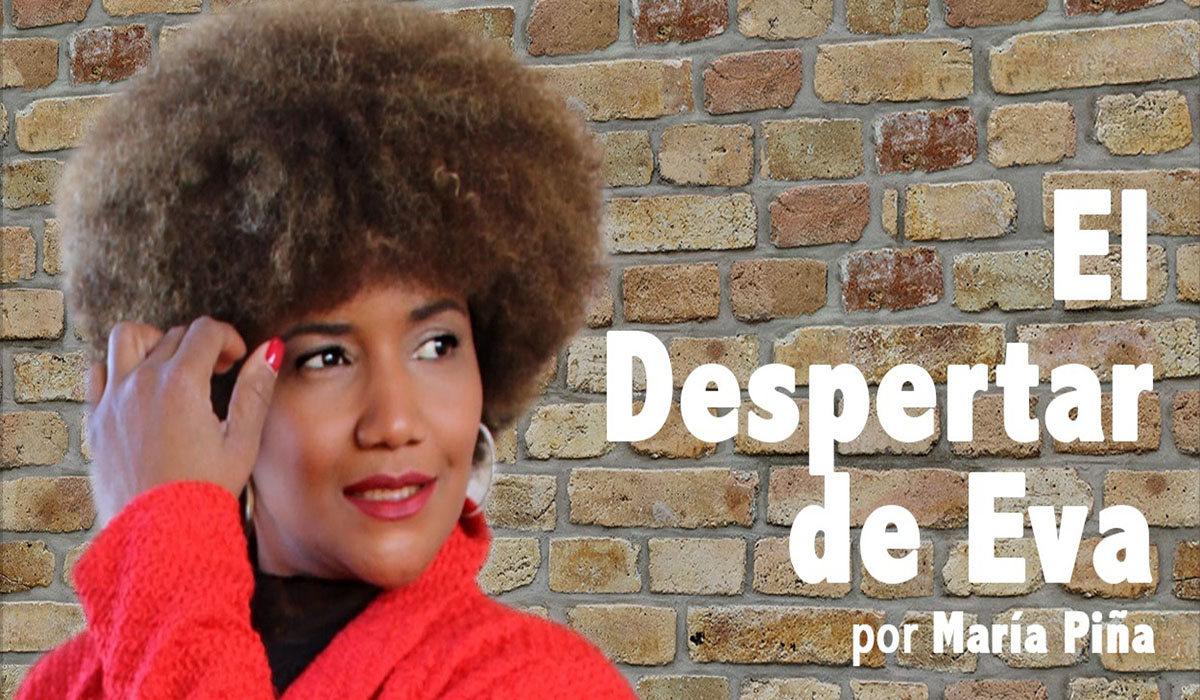
Herencias Invisibles: Patrones que nos marcan

COLUMNISTA
Invisible inheritances are those patterns of behavior, beliefs or roles that we absorb almost without realizing it, transmitted from generation to generation. Often, without questioning them, we integrate them into our lives as if they were absolute truths. Have you stopped to think how many decisions you have made based on phrases like «that’s how it’s always been done» or «it’s what’s expected of you»? These ideas, although they are often born from love and the desire to protect ourselves, can become barriers that limit our growth and our ability to define ourselves.
Las herencias invisibles son esos patrones de conducta, creencias o roles que absorbemos casi sin darnos cuenta, transmitidos de generación en generación. A menudo, sin cuestionarlas, las integramos en nuestras vidas como si fueran verdades absolutas. ¿Te has parado a pensar cuántas decisiones has tomado basándote en frases como «así siempre se ha hecho» o «es lo que se espera de ti»?. Estas ideas, aunque muchas veces nacen desde el amor y el deseo de protegernos, pueden convertirse en barreras que limitan nuestro crecimiento y nuestra capacidad de definirnos.
Take our grandmothers or mothers as an example. Many grew up with the idea that their main mission in life was to be good wives and exemplary mothers. They were taught that a woman had to sacrifice herself for her family, that success was at home and that personal or professional aspirations took a backseat. Although these values were fundamental in their time, today we live in a different world, with opportunities and challenges that require a new look.

Tomemos como ejemplo a nuestras abuelas o madres. Muchas crecieron con la idea de que su principal misión en la vida era ser buenas esposas y madres ejemplares. Se les enseñó que una mujer debía sacrificarse por su familia, que el éxito estaba en el hogar y que aspiraciones personales o profesionales quedaban en un segundo plano. Aunque estos valores fueron fundamentales en su época, hoy en día vivimos en un mundo diferente, con oportunidades y desafíos que exigen una nueva mirada.
It is possible that, without realizing it, we have inherited thoughts that hold us back. «If you are too independent, you could be left alone», «a woman should not be more successful than her partner», «girls should behave in a certain way». These beliefs shape our choices, often automatically, without us asking ourselves if they are really in tune with what we want for our lives. In many Latin American countries, for example, we were instilled with the idea that attending a wake or funeral meant wearing black, because it was a sign of respect and mourning. Nowadays, we have understood that mourning is not worn on clothes, but in the heart, and many people choose softer or even cheerful colors to say goodbye to their loved ones, celebrating their life instead of focusing on the loss.
Es posible que, sin darnos cuenta, hayamos heredado pensamientos que nos frenan. «Si eres demasiado independiente, podrías quedarte sola», «una mujer no debe ser más exitosa que su pareja», «las niñas deben comportarse de cierta manera». Estas creencias moldean nuestras elecciones, muchas veces de manera automática, sin que nos preguntemos si realmente están en sintonía con lo que queremos para nuestras vidas.
En muchos países de Latinoamérica, por ejemplo, se nos inculcó la idea de que asistir a un velorio o entierro significaba vestir de negro, porque era una muestra de respeto y duelo. Hoy en día, hemos comprendido que el luto no se lleva en la ropa, sino en el corazón, y muchas personas eligen colores más suaves o incluso alegres para despedir a sus seres queridos, celebrando su vida en lugar de centrarse en la pérdida.
Another example is the belief that women should marry young to be «well seen» by society. In many cultures, there is still pressure to start a family by a certain age, as if it were a mandatory goal. However, more and more women are choosing to wait, prioritize their personal and professional development, or even decide not to get married at all. Breaking this pattern means allowing ourselves to live according to our own times and desires.
Otro ejemplo es la creencia de que las mujeres deben casarse jóvenes para ser «bien vistas» por la sociedad. En muchas culturas, todavía hay presión para formar una familia a cierta edad, como si fuera una meta obligatoria. Sin embargo, cada vez más mujeres eligen esperar, priorizar su desarrollo personal y profesional, o incluso decidir no casarse en absoluto. Romper con este patrón significa permitirnos vivir conforme a nuestros propios tiempos y deseos.
Questioning these inheritances is not easy, but it is an act of courage. It means stopping to reflect on our fears, our expectations and the way we relate to others and ourselves. Do I really want this or am I doing it because I’m supposed to? What would happen if I allowed myself to choose something different? Giving ourselves permission to analyze our beliefs opens the door to building a more genuine life, and therefore, doing what makes us truly happy.
Cuestionar estas herencias no es fácil, pero es un acto de valentía. Significa detenerse a reflexionar sobre nuestros miedos, nuestras expectativas y la forma en que nos relacionamos con los demás y con nosotras mismas. ¿Realmente quiero esto o lo hago porque se supone que debo hacerlo? ¿Qué pasaría si me permito elegir algo diferente? Darnos el permiso de analizar nuestras creencias nos abre la puerta a construir una vida más genuina, y por tanto, hacer aquello que nos haga verdaderamente, felices.
For example, if you grew up hearing that a good mother should be available 24/7 for her children, you may feel guilty about wanting to take time for yourself. Or that your world is ending because you are having coffee with a friend or going to the movies and you are not at home paying attention to whatever someone in your family needs. If you’ve learned that talking about money or pursuing a successful career isn’t «feminine,» you may have a hard time negotiating a raise or recognizing your own professional value. And believe me, the invisible chain that tied me to thinking that money was a sin because it means being ambitious, not even a year ago I was able to break it and God, how good it feels! Not because I have become a woman who only moves for money, nothing could be further from the truth, because I move for passion, but I have reprogrammed my brain to obtain the financial reward that I deserve for what I do. Each of us has different stories, but many times the roots of our insecurities come from similar places.
Por ejemplo, si creciste escuchando que una buena madre debe estar disponible 24/7 para sus hijos, tal vez sientas culpa al querer tomar tiempo para ti misma. O que se te acaba el mundo porque quedas a tomar café con una amiga o al cine y no estás en casa pendiente a lo que sea que necesiten alguien de tu familia. Si aprendiste que hablar de dinero o ambicionar una carrera exitosa no es algo «femenino», quizás te cueste negociar un aumento o reconocer tu propio valor profesional. Y créeme la cadena invisible que me ataba a pensar que el dinero era pecado porque significa ser ambiciosa, no hace ni un año que pude romperla y Dios, que bien se siente! No porque me he convertido en una mujer que solo se mueve por dinero, nada más lejos de la realidad, porque me muevo por pasión, pero he reprogramado mi cerebro para obtener la recompensa económica que merezco por lo que hago. Cada una de nosotras tiene historias diferentes, pero muchas veces las raíces de nuestras inseguridades vienen de lugares similares.
Change begins with awareness. Once we identify these inherited beliefs, we can decide what we want to keep and what we don’t. It is not about rejecting our past or judging those who transmitted these values to us, but rather about being grateful for what we have learned and consciously choosing how we want to continue living.
El cambio comienza con la toma de conciencia. Una vez que identificamos estas creencias heredadas, podemos decidir qué queremos conservar y qué no. No se trata de rechazar nuestro pasado ni de juzgar a quienes nos transmitieron estos valores, sino de agradecer lo aprendido y elegir conscientemente cómo queremos seguir viviendo.
Rewriting our history involves taking small steps: daring to say no when something is not good for us, setting limits without feeling guilty, choosing paths that fill us with satisfaction, even if they are not what others expected for us. Every decision we make from full consciousness becomes an act of self-love and a powerful message for future generations.
Reescribir nuestra historia implica dar pequeños pasos: atrevernos a decir que no cuando algo no nos hace bien, poner límites sin sentirnos culpables, elegir caminos que nos llenen de satisfacción, aunque no sean los que otros esperaban para nosotras. Cada decisión que tomamos desde la consciencia plena se convierte en un acto de amor propio y en un mensaje lleno de fuerza para las generaciones futuras.
Imagine the impact your transformation can have on those around you. A girl who sees her mother chasing her dreams will understand that she can do it too. A friend who watches you advocate for your well-being will be inspired to do the same. Every time you break a pattern that no longer represents you, you open space for other women to also free themselves from their own invisible chains.
Imagina el impacto que puede tener tu transformación en quienes te rodean. Una niña que ve a su madre persiguiendo sus sueños entenderá que también puede hacerlo. Una amiga que observa cómo defiendes tu bienestar se sentirá inspirada a hacer lo mismo. Cada vez que rompes un patrón que ya no te representa, abres espacio para que otras mujeres también se liberen de sus propias cadenas invisibles.
My friend, do not allow inherited beliefs to continue directing your life just because. Ask yourself which values and patterns truly nourish you and which limit you. Dare to choose what is good for you, and don’t think it is selfishness, because it is not.
Amiga mía, no permitas que las creencias heredadas sigan dirigiendo tu vida porque sí. Pregúntate qué valores y patrones realmente te nutren y cuáles te limitan. Atrévete a elegir lo que te hace bien, y no creas que es egoísmo, porque no lo es.
Comparte esta reflexión con otras mujeres, hablemos de estos temas, ayudémonos a reconocer esas herencias invisibles para transformarlas en herramientas de crecimiento y empoderamiento personal.
Nosotras tenemos el poder de escribir nuestra propia historia y no hay mejor momento para empezar que ahora.
Share this reflection with other women, let’s talk about these issues, let’s help each other recognize those invisible inheritances to transform them into tools of personal growth and empowerment. We have the power to write our own story and there is no better time to start than now.
Descubre más desde LA AGENCIA MUNDIAL DE PRENSA
Suscríbete y recibe las últimas entradas en tu correo electrónico.
