
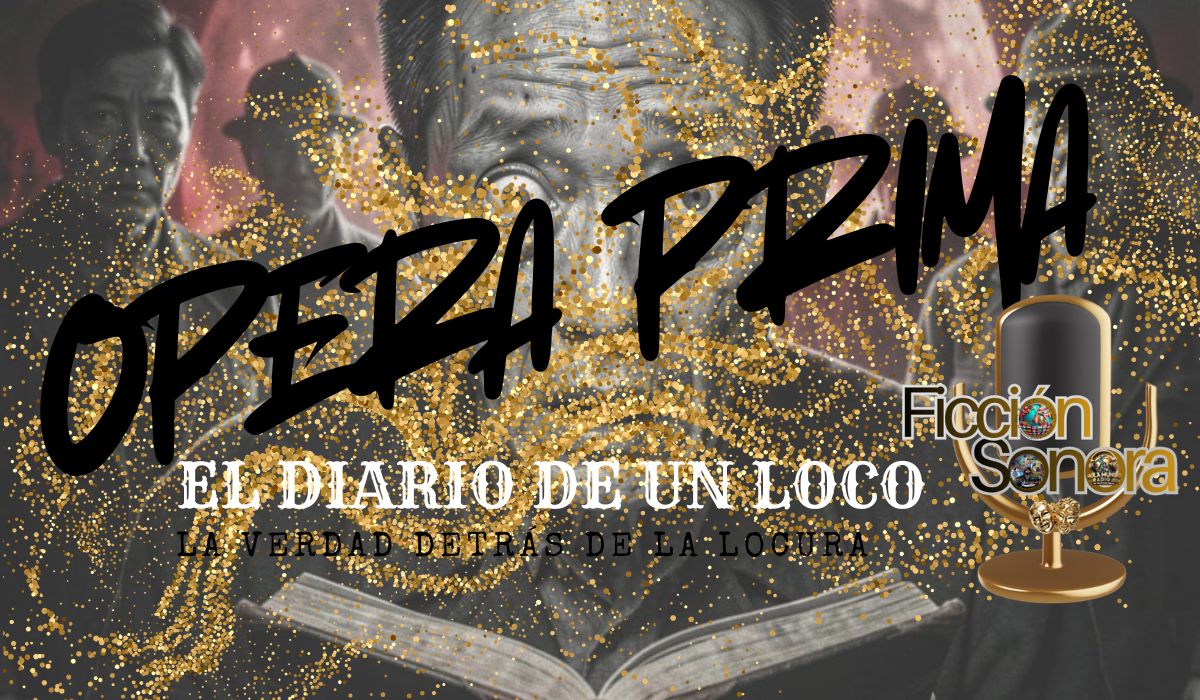
«GOD, THE STAGE AND DIGITAL CANNIBALISM: THE HARD-FOOTED CRY OF JOSÉ ANTONIO..»
Confesiones de un hombre que rompió el silencio para salvar el alma de una obra.
Confessions of a man who broke his silence to save the soul of a work.
Hay entrevistas que se leen con los ojos y otras que se escuchan desde la entraña. Lo que sigue no es una charla técnica sobre radioteatro ni un intercambio de cumplidos profesionales. Es el testimonio de un hombre que, al intentar interpretar a un loco, terminó encontrándose con sus propias verdades guardadas en cajones que llevaban años sin abrir.
There are interviews you read with your eyes and others you hear from the depths of your being. What follows is not a technical discussion about radio drama nor an exchange of professional compliments. It is the testimony of a man who, in attempting to portray a madman, ended up confronting his own truths, hidden away in drawers that had remained unopened for years.
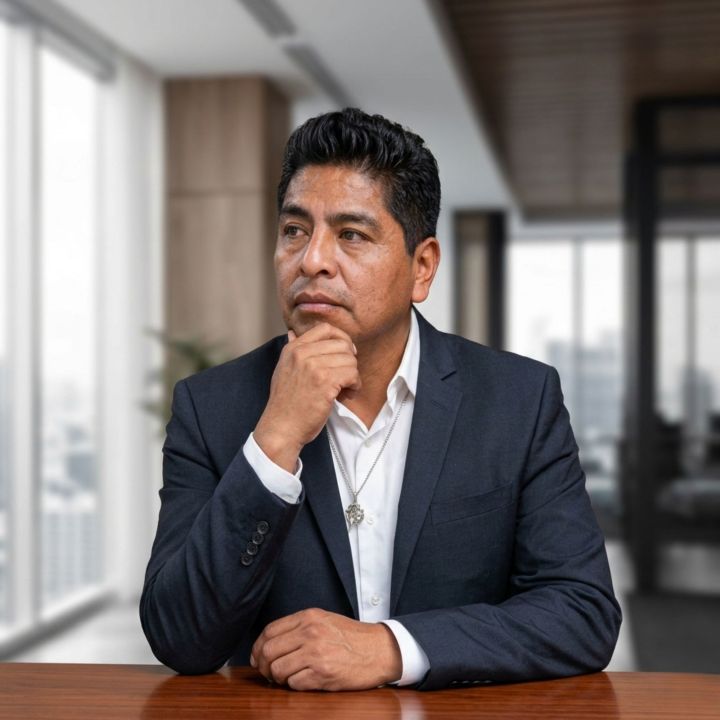
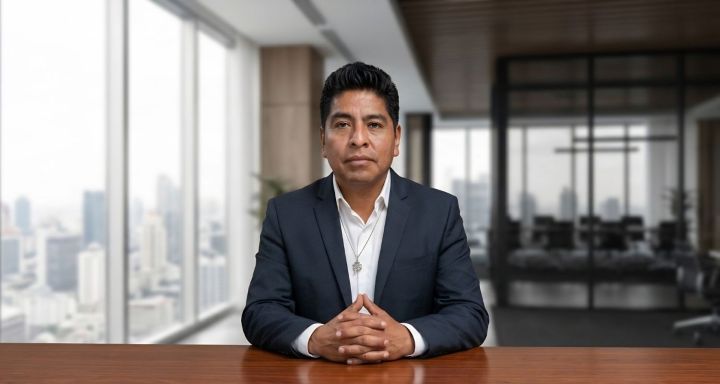
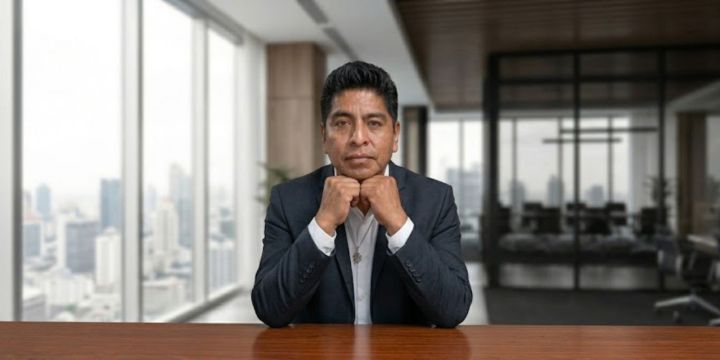
José Antonio, Gerente de Edición Audio & Sonido de Hola Mundo Online RadioTV+ https://holamundoonlineradio.com/ y miembro del Cónclave Estratégico del APCSX GROUP muy allegado a la Presidencia del Grupo Empresarial, pero, ante todo cirujano del espíritu, nos confiesa que para esta obra no entregó su voz, sino su silencio. En un mundo anestesiado por el «contenido» y los ídolos de cartón , él decidió arrodillarse antes de grabar para pedir que Dios lo vaciara de todo lo que no fuera verdadero.
José Antonio, Audio & Sound Editing Manager of Hola Mundo Online RadioTV+ https://holamundoonlineradio.com/ and member of the APCSX GROUP Strategic Council, very close to the Group’s President, but above all a surgeon of the spirit, confesses that for this work he didn’t offer his voice, but his silence. In a world anesthetized by «content» and cardboard idols, he decided to kneel before recording to ask God to empty him of everything that wasn’t true.
En esta conversación, José Antonio se despoja del maquillaje del actor para hablarnos de la impotencia de gritar en el vacío , de la lucha entre el sagrario y el escenario , y de esa aterradora frontera donde el personaje de Lu Xun dejó de ser un guion para convertirse en un espejo.
In this conversation, José Antonio sheds the actor’s makeup to speak to us of the impotence of shouting into the void, of the struggle between the sanctuary and the stage, and of that terrifying boundary where the character of Lu Xun ceased to be a script and became a mirror.
Pasen y lean. Pero cuidado: después de esto, el silencio ya no les parecerá el mismo.
Come in and read. But be warned: after this, silence will no longer seem the same.
1 DESDE LA PASIÓN DEL ACTOR / FROM THE ACTOR’S PASSION
¿Qué parte de tu propia alma pusiste en manos de este loco para poder interpretarlo con verdad? What part of your own soul did you place in the hands of this madman in order to be able to interpret him truthfully?
Todo. Le entregué absolutamente todo. Y no lo digo como figura retórica. Lo digo porque cuando uno decide subirse a un escenario o pararse frente a un micrófono con una historia como esta no puede guardarse nada. El personaje lo huele. El público lo huele. Y si llegas con la mitad del alma el resultado suena exactamente a eso. A mitad. Yo llegué con mis miedos, con mis silencios cómplices, con mis verdades guardadas en cajones que llevaba años sin abrir. Y fue doloroso. Pero fue real. Y en el teatro la única moneda que vale es esa. La realidad. Recuerdo que una noche antes de grabar me arrodillé y le pedí a Dios que me vaciara de todo lo que no servía para que solo quedara lo verdadero. Y creo que esa oración fue la mejor preparación que pude tener.
Everything. I gave him absolutely everything. And I don’t say that as a figure of speech. I say it because when you decide to step onto a stage or stand in front of a microphone with a story like this, you can’t hold anything back. The character senses it. The audience senses it. And if you arrive with only half your soul, the result sounds exactly like that. Half. I arrived with my fears, with my complicit silences, with my truths locked away in drawers I hadn’t opened in years. And it was painful. But it was real. And in theater, the only currency that matters is that. Reality. I remember that the night before recording, I knelt down and asked God to empty me of everything that was useless so that only the true remained. And I think that prayer was the best preparation I could have had.
¿Cómo se construye sonoramente el miedo y qué papel juega el silencio en esta obra? How is fear constructed sonically, and what role does silence play in this work?
El silencio es el personaje más poderoso de toda esta obra y tardé un tiempo en darme cuenta de eso. Al principio llenaba todo. Música, efectos, atmósferas. Porque tenía miedo del vacío. Y un día entendí que ese miedo al vacío era exactamente lo mismo que siente el loco. Entonces lo usé. Empecé a construir el miedo no con lo que se escucha sino con lo que está a punto de escucharse y todavía no llega. Esa fracción de segundo donde el público contiene la respiración sin que nadie se lo pida. Ahí vive el verdadero terror. No en el grito sino en el silencio que lo precede. Y curiosamente fue en esos silencios donde más sentí la presencia de Dios trabajando. Porque el silencio en la oración y el silencio en el escenario tienen algo en común. En los dos uno aprende a escuchar lo que no se puede decir con palabras.
Silence is the most powerful character in this entire work, and it took me a while to realize that. At first, it filled everything: music, effects, atmospheres. Because I was afraid of the void. And one day I understood that this fear of the void was exactly the same as what a madman feels. So I used it. I began to construct fear not with what is heard, but with what is about to be heard but hasn’t yet arrived. That fraction of a second where the audience holds its breath without anyone asking them to. That’s where true terror resides. Not in the scream, but in the silence that precedes it. And curiously, it was in those silences that I most felt the presence of God at work. Because silence in prayer and silence on stage have something in common. In both, one learns to hear what cannot be said with words.
¿Cuáles son esos libros de moral de hoy que siguen dciendo comer personas? What are those moral books of today that still say eating people?
Como actor te digo que los veo todos los días. Los veo en la industria del entretenimiento que descarta a la gente cuando deja de ser útil. Los veo en las redes sociales que construyen ídolos de cartón y los destruyen con la misma velocidad y la misma sonrisa. Los veo en los aplausos que recibe el que triunfa sin importar cómo llegó hasta arriba. Y lo más perturbador es que todos participamos. Todos compramos ese boleto. Todos alimentamos ese sistema con nuestra atención, con nuestro tiempo, con nuestro silencio cómodo. El canibalismo de hoy tiene pantalla y millones de seguidores. Y se llama contenido. Por eso creo que el arte hecho desde la fe tiene una responsabilidad enorme en este tiempo. Porque cuando uno crea desde Dios no busca el aplauso fácil. Busca despertar algo que el mundo moderno está apagando. La conciencia. El alma. La capacidad de indignarse ante lo que está mal.
As an actor, I can tell you I see them every day. I see them in the entertainment industry that discards people when they cease to be useful. I see them on social media that builds cardboard idols and destroys them with the same speed and the same smile. I see them in the applause received by those who succeed, regardless of how they got to the top. And the most disturbing thing is that we all participate. We all buy that ticket. We all feed that system with our attention, our time, our comfortable silence. Today’s cannibalism has a screen and millions of followers. And it’s called content. That’s why I believe that art made from faith has an enormous responsibility in this time. Because when one creates from God, one doesn’t seek easy applause. One seeks to awaken something that the modern world is extinguishing: conscience, the soul, the capacity to be outraged by what is wrong.
¿Cómo conviven en ti el hombre que busca la paz en el sagrario y el actor que debe gritar contra la injusticia social? How do the man who seeks peace in the tabernacle and the actor who must shout against social injustice coexist within you?
Con mucha conversación interna. Con muchas noches preguntándome si estoy en el lugar correcto haciendo lo correcto. Pero desde que empecé esta obra entendí algo que cambió todo. El actor y el creyente no son dos personas distintas que viven en el mismo cuerpo. Son la misma persona que aprendió dos idiomas diferentes para decir la misma cosa. Uno habla en silencio frente a Dios. El otro habla en voz alta frente al mundo. Pero los dos están diciendo exactamente lo mismo. Que la injusticia duele. Que el silencio cuesta. Que la verdad vale más que la comodidad. Cuando entendí eso dejé de sentir la contradicción y empecé a sentir la fuerza de las dos cosas juntas. El sagrario me da la paz para no gritar desde el enojo. Y el escenario me da la voz para hacer visible lo que recibo en la oración. Los dos se necesitan. Sin la fe el teatro se vacía. Sin el teatro la fe se queda guardada donde nadie puede verla.
With much internal dialogue. With many nights wondering if I’m in the right place doing the right thing. But since I began this work, I understood something that changed everything. The actor and the believer are not two different people living in the same body. They are the same person who learned two different languages to say the same thing. One speaks silently before God. The other speaks aloud before the world. But both are saying exactly the same thing: that injustice hurts, that silence is costly, that truth is worth more than comfort. When I understood that, I stopped feeling the contradiction and began to feel the power of both together. The tabernacle gives me the peace not to scream in anger. And the stage gives me the voice to make visible what I receive in prayer. They both need each other. Without faith, the theater is empty. Without the theater, faith remains locked away where no one can see it.
¿Qué significa para ti personalmente salvar a los niños? What does saving children mean to you personally?
Como actor significa algo muy concreto. Significa que cada vez que subo a un escenario o enciendo un micrófono tengo una responsabilidad enorme con los que me están escuchando. Especialmente con los jóvenes. Porque el arte entra sin pedir permiso. Entra por los oídos y va directo al corazón antes de que la cabeza pueda revisarlo y filtrar. Y eso es un poder que no me pertenece a mí. Me fue prestado. Y tengo que usarlo con honestidad y con cuidado. Salvar a los niños desde el escenario significa mostrarles que hay historias que valen la pena. Que hay verdades que merecen ser dichas en voz alta. Que el arte no es decoración sino conversación. Y desde mi fe significa además mostrarles que tienen un Padre que los conoce por nombre. Que no son un número en una estadística ni un usuario en una plataforma. Que su alma tiene un valor que ningún algoritmo puede calcular. Eso es lo que quiero que se lleven cuando escuchan esta obra.
As an actor, it means something very concrete. It means that every time I step onto a stage or turn on a microphone, I have an enormous responsibility to those listening to me, especially young people. Because art enters without asking permission. It enters through the ears and goes straight to the heart before the head can process and filter it. And that’s a power that doesn’t belong to me. It was lent to me. And I have to use it honestly and carefully. Saving children from the stage means showing them that there are stories worth telling, that there are truths that deserve to be spoken aloud, that art isn’t decoration but conversation. And from my faith, it also means showing them that they have a Father who knows them by name, that they aren’t a number in a statistic or a user on a platform, that their soul has a value that no algorithm can calculate. That’s what I want them to take away when they hear this work.
¿Hubo algún momento en que la frontera entre el personaje y el hombre se borrara? Was there ever a moment when the boundary between the character and the man blurred?
Sí, y fue exactamente en la entrada donde el loco se pregunta si él mismo sin saberlo también comió carne humana alguna vez. Estaba solo frente al micrófono y de repente tuve que parar. Apagar todo. Sentarme en silencio. Porque la pregunta había dejado de ser del personaje y se había convertido en mía. Y me quedé ahí sentado sin respuesta durante un tiempo que no supe medir. Esos son los momentos que un actor no puede fabricar ni repetir ni ensayar. Simplemente llegan. Y cuando llegan lo único que puedes hacer es no huir de ellos. Quedarte ahí adentro, aunque duela. Porque de ahí sale lo único que de verdad vale la pena en el escenario. La verdad sin maquillaje. Después de ese momento fui a la iglesia. Me senté frente al sagrario un buen rato sin decir nada. Y sentí algo muy parecido a lo que siente uno después de confesar algo difícil. No alivio exactamente. Sino la certeza de que no estaba solo cargando eso.
Yes, and it was precisely at the entrance where the madman wonders if he himself, unknowingly, had once eaten human flesh. I was alone in front of the microphone, and suddenly I had to stop. Turn everything off. Sit in silence. Because the question had ceased to be the character’s and had become mine. And I sat there without an answer for a time I couldn’t measure. Those are the moments an actor can’t manufacture, repeat, or rehearse. They simply arrive. And when they arrive, the only thing you can do is not run from them. Stay there inside, even if it hurts. Because that’s where the only thing truly worthwhile on stage comes from. The unvarnished truth. After that moment, I went to church. I sat before the tabernacle for a good while without saying a word. And I felt something very similar to what one feels after confessing something difficult. Not relief, exactly. But the certainty that I wasn’t alone in carrying that burden.
¿Qué enfermedad social esperas que ayude a curar esta obra en quienes la escuchen? What social ill do you hope this work will help cure in those who listen to it?
La anestesia. Eso es lo que más me preocupa del mundo en que vivimos. No la maldad declarada sino la insensibilidad tranquila. La gente que ya no se indigna. La gente que escucha una injusticia y encoge los hombros porque ya está acostumbrada. Porque ya vio demasiadas. Porque el sistema la fue adormeciendo tan suavemente que ni siquiera sintió el momento en que dejó de sentir. Eso es lo que esta obra quiere romper. Esa anestesia cómoda y silenciosa. No con un sermón. No con un discurso político. Sino con algo mucho más poderoso que todo eso. Con una historia contada desde las tripas. Porque las historias llegan donde los argumentos no pueden entrar. Y yo creo además que cuando el arte nace desde la fe carga algo que el arte solo no puede tener. Carga gracia. Y la gracia llega a lugares donde ninguna técnica ni ningún efecto de sonido puede entrar. Por eso le pedí a Dios desde el principio que no fuera yo el que hablará en esta obra. Sino Él. A través de mi voz. A través del loco de Lu Xun. A través del silencio entre una frase y otra.
The numbness. That’s what worries me most about the world we live in. Not overt evil, but the quiet insensitivity. People who are no longer outraged. People who hear of an injustice and shrug their shoulders because they’re used to it. Because they’ve seen too many. Because the system has lulled them to sleep so gently that they didn’t even notice the moment they stopped feeling. That’s what this work wants to break. That comfortable, silent numbness. Not with a sermon. Not with a political speech. But with something much more powerful than all of that. With a story told from the gut. Because stories reach where arguments can’t. And I also believe that when art is born from faith, it carries something that art alone cannot possess. It carries grace. And grace reaches places where no technique or sound effect can penetrate. That’s why I asked God from the beginning that it not be me speaking in this work. But Him. Through my voice. Through the madman of Lu Xun. Through the silence between one phrase and the next.
2 DESDE LA IMPOTENCIA / FROM IMPOTENCE
¿Qué parte de tu propia alma pusiste en manos de este loco? What part of your own soul did you put in the hands of this madman?
Mi silencio. Eso fue lo que puse. Y me avergüenza reconocerlo. Porque uno cree que es buena persona, que está del lado correcto, que su fe lo protege de ser cómplice de algo malo. Y luego llega este loco y te muestra que no. Que también callaste cuando debiste hablar. Que también miraste hacia otro lado cuando era más cómodo. Y eso duele de una manera que no tiene remedio fácil.
My silence. That’s what I put in. And I’m ashamed to admit it. Because you think you’re a good person, that you’re on the right side, that your faith protects you from being complicit in something wrong. And then this madman comes along and shows you that’s not the case. That you also kept quiet when you should have spoken up. That you also looked the other way when it was more convenient. And that hurts in a way that has no easy remedy.
¿Cómo se construye sonoramente el miedo y qué papel juega el silencio en esta obra? How is fear sonically constructed, and what role does silence play in this work?
Hay algo que me desespera del silencio y es que no puedes forzarlo. No puedes fabricarlo. O el público lo siente o no lo siente. Y eso me quitó el sueño muchas noches durante la producción. Porque yo podía controlar la música, los efectos, mi propia voz. Pero no podía controlar si el silencio que yo construía realmente llegaba a tocar algo dentro de quien escucha. Y esa impotencia de saber que tienes la herramienta más poderosa del audio en tus manos pero que su efecto no depende completamente de ti… eso es lo más difícil y lo más honesto de este trabajo.
There’s something about silence that frustrates me, and that’s that you can’t force it. You can’t manufacture it. Either the audience feels it or they don’t. And that kept me up many nights during production. Because I could control the music, the effects, my own voice. But I couldn’t control whether the silence I constructed actually touched something within the listener. And that powerlessness of knowing you have the most powerful tool in audio in your hands, but that its effect doesn’t depend entirely on you… that’s the most difficult and the most honest part of this work.
¿Cuáles son esos libros de moral de hoy que siguen diciendo comer personas? What are those morality books of today that still say eating people?
Están en todas partes y eso es precisamente lo que me desespera. Porque no son monstruos escondidos en las sombras. Son sistemas normales que todos usamos todos los días. Son pantallas que encendemos cada mañana. Son silencios que repetimos cada noche. Y yo me pregunto qué puedo hacer yo solo contra algo tan grande tan normalizado tan invisible. Y a veces honestamente no tengo respuesta.
They’re everywhere, and that’s precisely what drives me to despair. Because they aren’t monsters hiding in the shadows. They’re normal systems that we all use every day. They’re screens we turn on every morning. They’re silences we repeat every night. And I wonder what I can do alone against something so vast, so normalized, so invisible. And sometimes, honestly, I don’t have an answer.
¿Cómo conviven en ti el hombre del sagrario y el actor que grita contra la injusticia? How do the man of the tabernacle and the actor who shouts against injustice coexist within you?
A veces no conviven. A veces pelean. Hay noches que salgo del ensayo con el alma revuelta y me arrodillo y le digo a Dios que no entiendo nada. Que no entiendo por qué el mundo sigue igual después de tantos siglos de verdades dichas y gritos lanzados y obras escritas. Y el silencio que recibo no siempre me alcanza para callar la impotencia.
Sometimes they don’t get along. Sometimes they fight. There are nights when I leave rehearsal with my soul in turmoil, and I kneel down and tell God that I don’t understand anything. That I don’t understand why the world remains the same after so many centuries of truths spoken, cries uttered, and works written. And the silence I receive isn’t always enough to quiet my powerlessness.
¿Qué significa para ti salvar a los niños? What does saving children mean to you?
Me parte el corazón esta pregunta. Porque uno quisiera salvarlos a todos y no puede. Uno quisiera apagar todas las pantallas y sentarlos en círculo y contarles que la vida es más grande y más hermosa que todo lo que el algoritmo les ofrece. Pero el mundo va más rápido que uno. Y a veces siento que llegamos tarde. Que mientras nosotros preparamos esta obra afuera están siendo devorados en tiempo real y nadie lo está viendo.
This question breaks my heart. Because one would like to save them all, and one can’t. One would like to turn off all the screens and sit them in a circle and tell them that life is bigger and more beautiful than anything the algorithm offers them. But the world moves faster than we do. And sometimes I feel we’re too late. That while we’re preparing this play, outside they’re being devoured in real time, and no one is seeing it.
¿Hubo algún momento en que la frontera entre el personaje y tú se borrara? Was there ever a moment when the boundary between the character and you blurred?
Sí. Y fue aterrador. Porque de repente la pregunta del loco dejó de ser suya y se convirtió en mía. ¿Y si yo también sin saberlo fui parte de lo que denuncio? ¿Y si mi comodidad también costó algo que alguien más pagó sin que yo me enterara? Tuve que parar la grabación. Sentarme. Quedarme en silencio. Y no encontré respuestas. Solo más preguntas. Y esa impotencia todavía la cargo.
Yes. And it was terrifying. Because suddenly the madman’s question stopped being his and became mine. What if I, too, unknowingly, was part of what I’m denouncing? What if my comfort also came at a cost, something someone else paid for without my knowledge? I had to stop recording. Sit down. Remain silent. And I found no answers. Only more questions. And I still carry that feeling of powerlessness.
¿Qué enfermedad esperas curar con esta obra? What ailment do you hope to cure with this work?
La anestesia. Pero hay momentos en que me pregunto si el enfermo quiere ser curado. Si la gente realmente quiere salir de su comodidad o solo quiere entretenerse un rato y seguir igual. Y esa duda me pesa más que cualquier otra cosa. Porque uno puede dar todo en el escenario y todo en el micrófono. Pero no puede obligar a nadie a despertar. Y eso a veces se siente como gritar en el vacío. Como el loco de Lu Xun. Gritando una verdad que todos escuchan y muy pocos quieren cargar.
The anesthesia. But there are times when I wonder if the patient wants to be cured. If people truly want to step outside their comfort zone or just be entertained for a while and then go back to normal. And that doubt weighs on me more than anything else. Because you can give everything on stage and everything into the microphone. But you can’t force anyone to wake up. And that sometimes feels like shouting into the void. Like the madman in Lu Xun. Shouting a truth that everyone hears and very few want to bear.
EL VEREDICTO: EL GRITO QUE NOS SALVA.. / THE VERDICT: THE CRY THAT SAVES US..
La travesía de José Antonio por los pasillos de la locura de Lu Xun no es un ejercicio de nostalgia literaria; es un despertar eléctrico en medio de un mundo sedado. Al apagar el micrófono y salir del estudio, lo que queda no es solo una ficción sonora de excelencia técnica, sino un testimonio de verdad sin maquillaje que nos obliga a mirarnos todos al espejo.
José Antonio’s journey through the corridors of Lu Xun’s madness is not an exercise in literary nostalgia; it is an electric awakening in the midst of a sedated world. When the microphone is turned off and he leaves the studio, what remains is not only a technically excellent sonic fiction, but a raw, unvarnished testimony of truth that forces us all to look in the mirror.
José Antonio ha logrado lo que muy pocos se atreven: poner su propia alma, sus miedos y sus silencios al servicio de una causa mayor. Ha convertido el audio en una herramienta de sanación y el escenario en un púlpito de justicia, recordándonos que el arte, cuando está impregnado de fe, tiene el poder de romper la anestesia social y devolvernos la capacidad de sentir.
José Antonio has achieved what very few dare: to put his own soul, his fears, and his silences at the service of a greater cause. He has transformed audio into a tool for healing and the stage into a pulpit of justice, reminding us that art, when imbued with faith, has the power to break through social anesthesia and restore our capacity to feel.
Escuchar su interpretación es aceptar el reto de dejar de ser cómplices del silencio. Es una invitación a buscar, como él, esa «gracia» que llega donde los argumentos no entran. Hoy, la obra de José Antonio se levanta no solo como su ópera prima, sino como un faro de integridad en una industria de cartón.
Listening to his interpretation is accepting the challenge of ceasing to be complicit in silence. It is an invitation to seek, as he does, that «grace» that reaches where arguments cannot. Today, José Antonio’s work stands not only as his debut, but as a beacon of integrity in a cardboard industry.
La pregunta que queda en el aire, vibrando en el silencio que sigue a su voz es…:
The question that hangs in the air, vibrating in the silence that follows his voice, is:
¿Seremos capaces de despertar, o seguiremos devorándonos unos a otros en la comodidad de nuestra propia indiferencia?.
Will we be able to awaken, or will we continue devouring one another in the comfort of our own indifference?
José Antonio ha hecho su parte: ha lanzado el grito. Ahora, nos toca a nosotros decidir si tenemos el valor de escucharlo.
José Antonio has done his part: he has cried out. Now, it’s up to us to decide if we have the courage to listen.

PRONTO..!!
SOON..!!
Descubre más desde LA AGENCIA MUNDIAL DE PRENSA
Suscríbete y recibe las últimas entradas en tu correo electrónico.

