
THE GARDEN OF DREAMS: MENTAL HEALTH, THE ART OF CARING FOR THE INVISIBLE.

COLUMNISTA
La salud mental no siempre se ve. No sangra, no hace ruido, no deja marcas evidentes en la superficie. Sin embargo, condiciona cada gesto con el que atravesamos el mundo. En, El Jardín de los Sueños, la salud mental es el equilibrio silencioso que permite que todo lo demás crezca.
Mental health isn’t always visible. It doesn’t bleed, it doesn’t make noise, it doesn’t leave obvious marks on the surface. Yet, it influences every gesture with which we navigate the world. In *The Garden of Dreams*, mental health is the silent balance that allows everything else to flourish.
Piensa que en la salud mental como un jardín interno que nos aleja del juicio y nos acerca al cuidado. Nadie espera que un jardín esté siempre en flor; tampoco deberíamos exigirnos estar bien en todo momento. Hay días de sol y otros de tormenta, y ambos forman parte del mismo ecosistema. El problema no es que existan las tormentas, sino ignorarlas hasta que arrasan con todo.
Think of mental health as an inner garden that moves us away from judgment and closer to self-care. No one expects a garden to always be in bloom; nor should we demand that we be well at all times. There are sunny days and stormy days, and both are part of the same ecosystem. The problem isn’t that storms exist, but ignoring them until they devastate everything.
El primer acto de cuidado es reconocer el estado del suelo. El cansancio crónico, la ansiedad constante, la tristeza que no se va, la desconexión emocional son señales. No son fallas morales ni debilidades de carácter: son indicadores de que algo necesita atención. Escuchar estas señales es salud mental en acción. Callarlas, negarlas o maquillarlas con optimismo forzado empobrece el terreno.
The first act of self-care is recognizing the state of your mental well-being. Chronic fatigue, constant anxiety, persistent sadness, and emotional disconnection are all signs. They are not moral failings or weaknesses of character: they are indicators that something needs attention. Listening to these signals is mental health in action. Ignoring them, denying them, or masking them with forced optimism only weakens the foundation.
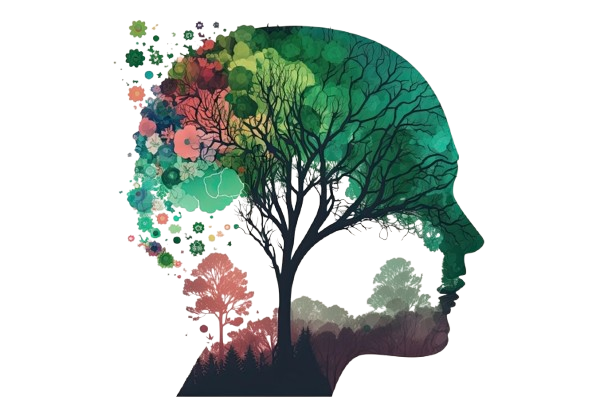
Regar el jardín interno, cuando hablamos de salud mental, implica crear rutinas que sostengan la vida emocional. Dormir, alimentarse, moverse, respirar, hablar. Parece simple, pero en un mundo que glorifica la hiperexigencia, lo básico se vuelve revolucionario. No todo se resuelve con fuerza de voluntad; muchas veces se empieza ordenando lo elemental.
Watering our inner garden, when we talk about mental health, means creating routines that sustain our emotional well-being. Sleeping, eating, moving, breathing, talking. It seems simple, but in a world that glorifies excessive demands, the basics become revolutionary. Not everything can be solved with willpower; often, it starts with organizing the essentials.
La poda, aquí, es específicamente delicada. Supone cuestionar discursos que hemos normalizado: “Siempre puedo”, “no molesto a nadie”, “ya se me va a pasar”. También implica poner límites al exceso de información, a la comparación constante, a la idea de que el valor personal depende del renacimiento. Podar estos pensamientos no nos debilita; nos devuelve espacio interno.
The pruning here is particularly delicate. It involves questioning narratives we’ve normalized: «I can always do it,» «I’m not bothering anyone,» «I’ll get over it.» It also means setting limits on information overload, constant comparison, and the idea that personal worth depends on being reborn. Pruning these thoughts doesn’t weaken us; it gives us back inner space.
En todo jardín aparecen plagas. En la salud mental toman forma de culpa, miedo, rumiación, autoataque. Combatirlas con violencia interna suele empeorar la situación. La alternativa es fortalecer el ecosistema: pedir ayuda profesional, apoyarse en vínculos seguros, aprender a nombrar lo que duele. La terapia el acompañamiento y la medicación, cuando son necesarias, no son signos de derrota, sino herramientas de cuidado.
Pests appear in every garden. In mental health, they take the form of guilt, fear, rumination, and self-harm. Fighting them with internal violence usually worsens the situation. The alternative is to strengthen the ecosystem: seek professional help, lean on secure relationships, and learn to name what hurts. Therapy, support, and medication, when necessary, are not signs of defeat, but tools for self-care.
Hay estaciones que asustan, el invierno emocional, cuando cuesta levantarse, cuando el sentido se vuelve borroso. En esos momentos, la salud mental no se trata de florecer, sino de sobrevivir con dignidad. A veces el objetivo del día es simplemente resistir. Y eso también cuenta como crecimiento, aunque no se vea.
There are frightening seasons, like the emotional winter, when it’s hard to get up, when meaning becomes blurred. In those moments, mental health isn’t about flourishing, but about surviving with dignity. Sometimes the goal of the day is simply to endure. And that, too, counts as growth, even if it’s not visible.
El jardín interno no prospera en aislamiento. La salud mental es también un asunto colectivo. Los entornos laborales, familiares y sociales pueden nutrir o erosionar. Hablar del malestar, escuchar sin minimizar, deja de romantizar el agotamiento y el sufrimiento es parte de crear un clima más humano. Cuidarnos no es un gesto egoísta; es una responsabilidad compartida.
The inner garden doesn’t thrive in isolation. Mental health is also a collective matter. Work, family, and social environments can either nurture or erode it. Talking about discomfort, listening without minimizing, and ceasing to romanticize exhaustion and suffering are all part of creating a more humane atmosphere. Taking care of ourselves isn’t a selfish gesture; it’s a shared responsibility.
Finalmente, está la paciencia. Ningún proceso profundo es inmediato. La salud mental se construye y se repara con tiempo, recaídas y aprendizajes. Celebra pequeños brotes, un día más liviano, una emoción nombrada, una ayuda aceptada, es reconocer que el jardín sigue vivo.
Finally, there’s patience. No profound process is immediate. Mental health is built and repaired over time, through setbacks and learning. Celebrate small signs of growth—a lighter day, an emotion named, help accepted—it’s acknowledging that the garden is still alive.
Cuidar la salud mental es cuidar la raíz de nuestros sueños. Porque sin raíces sanas, ningún proyecto sostiene su altura. Y porque un mundo más habitable empieza, siempre, en el cuidado de lo invisible.
Taking care of our mental health is taking care of the root of our dreams. Because without healthy roots, no project can reach its full potential. And because a more habitable world always begins with caring for what is invisible.

También estamos en radio. Sintoniza todos los Miércoles en HOLA MUNDO online radio este gran programa cultural, con historias, libros, personalidades, grandes entrevistas y mucho más haciendo click aqui: https://holamundoonlineradio.wixsite.com/holamundoonlineradio «Jardín de los Sueños » a las 18:00 PM HORAS ESPAÑA. con Virginia Van der Dijs IMPERDIBLE
We are also on the radio. Tune in every Wednesday to HOLA MUNDO online radio for this great cultural program, with stories, books, personalities, great interviews and much more by clicking here: https://holamundoonlineradio.wixsite.com/holamundoonlineradio «Jardín de los Sueños» at 6:00 PM Spanish Time. with Virginia Van der Dijs. NOT TO BE MISSED
Descubre más desde LA AGENCIA MUNDIAL DE PRENSA
Suscríbete y recibe las últimas entradas en tu correo electrónico.
