
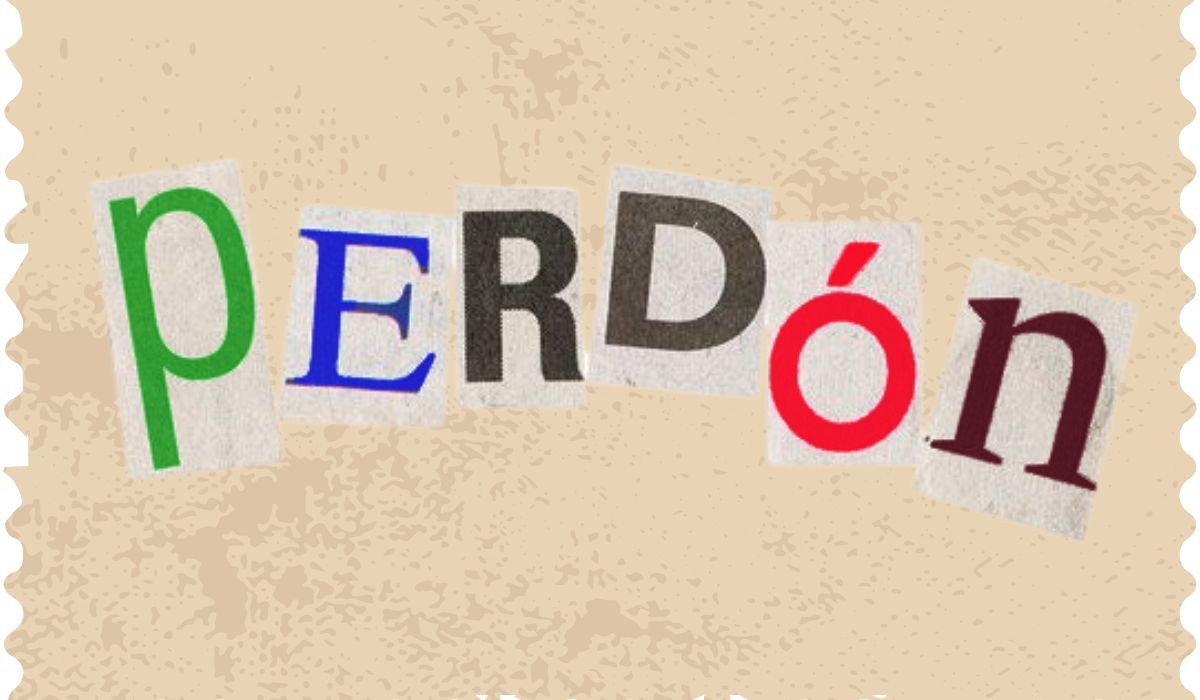
PSYCHOLOGY: FORGIVENESS, Benefits, strengths we acquire

Prensa Especializada
En el presente artículo vamos a hablar de la necesidad del perdón, máxime en la etapa de adulto mayor, y de cuantas herramientas que en algún momento podamos hacer uso de ellas. Recordemos que la mayor tasa de fallecimientos de adultos mayores, se debe a problemas cardiovasculares. Queremos iniciarnos con la frase: «No podemos cambiar el pasado, pero si la percepción de nuestro pasado».
In this article we are going to talk about the need for forgiveness, especially in the older adult stage, and about how many tools that we can use at some point. Let us remember that the highest rate of deaths in older adults is due to cardiovascular problems. We want to start with the phrase: «We cannot change the past, but we can change the perception of our past.»
Así es, son múltiples las investigaciones sobre los recuerdos. Podemos afirmar que los recuerdos sobre nuestro pasado, en una gran mayoría son grabaciones sesgadas. Al momento de recurrir a la memoria para visualizar sucesos estos se nos pueden presentar equivocados, ya que podemos olvidar detalles. Es más, en algunos casos hasta se puede “recordar” vivencias que nunca sucedieron. “Johnson et al., 1993; Loftus y Pickrell, 1995; Schacter, 1999, 2022” (1). Y es que vemos según pensamos. Nuestros conocimientos, creencias y valores, condicionan a la hora de seleccionar lo que vemos, aprendemos y posteriormente almacenamos. “Alba & Hasher, 1983; Bransford y Johnson, 1972; Dooling y Christiaansen, 1977; Schacter y otros, 2007; Schank y Abelson, 1977” (2).
That’s right, there are multiple investigations into memories. We can affirm that the vast majority of memories about our past are biased recordings. When resorting to memory to visualize events, they may appear wrong, since we may forget details. What’s more, in some cases you can even “remember” experiences that never happened. “Johnson et al., 1993; Loftus and Pickrell, 1995; Schacter, 1999, 2022” (1). And we see as we think. Our knowledge, beliefs and values determine when we select what we see, learn and subsequently store. “Alba & Hasher, 1983; Bransford and Johnson, 1972; Dooling and Christiaansen, 1977; Schacter et al., 2007; Schank and Abelson, 1977” (2).
Para nada con esto queremos decir que la memoria tenga fallos, lo que ocurre es que al interactuar nuestra base de datos neuronal y aprendizaje, el cerebro termina por completar la realidad. Cuando una serie de imágenes que acabamos de ver no nos proporcionan una información comprensible, podemos tender a vislumbrarla previa consulta a nuestra base de datos, como de igual forma actúa la inteligencia artificial. Cerramos la historia de ese recuerdo en concreto al “haber completado la información”. “Hemmer y Steyvers, 2009 (3); Huttenlocher y otros, 1991”. Esta realidad nos puede llevar a preguntarnos ¿Nuestros recuerdos, la información que acabamos de revivir corresponden a lo que vivimos, o esta sesgada por nuestras expectativas, por nuestra forma de contemplar el mundo a medida que hemos ido madurando? La emoción que llegamos a sentir en aquel momento, la información que el hipocampo en función de nuestras expectativas decidió guardar en aquellas fechas y que en este preciso instante recuperamos ¿es la misma? ¿El daño que nos hicieron a que respuesta se debió? A través del perdón podemos hallar la contestación.
By this we do not mean at all that memory has flaws, what happens is that when our neural database and learning interact, the brain ends up completing reality. When a series of images that we have just seen do not provide us with understandable information, we can tend to glimpse it after consulting our database, as artificial intelligence acts in the same way. We close the story of that specific memory by “having completed the information.” “Hemmer and Steyvers, 2009 (3); Huttenlocher et al., 1991.” This reality can lead us to ask ourselves: Do our memories, the information that we have just relived, correspond to what we experienced, or is it biased by our expectations, by our way of contemplating the world as we have matured? Is the emotion that we felt at that moment, the information that the hippocampus, based on our expectations, decided to store on those dates and that we recover at this precise moment, the same? The damage they did to us was due to what response? Through forgiveness we can find the answer.
Sabemos que cuanto procesamos debe contener coherencia. Frases sencillas como «voy a hacer todo lo que este en mi mano» en función de nuestra memoria, base de datos, al rememorarla puede aparecer hoy como «me dijo que lo iba a hacer.» También, al hacer una interrupción sobre un evento lo completamos y con el tiempo se recuerda mejor. “Boltz, 1992 (4); Gold et al., 2017; Schwan y Garsoffky, 2004 (5). Boltz (1992) (6)”, y es que los recuerdos no son impresiones perfectas del pasado, pueden estar sujetos a sesgos. Distorsiones causadas por nuestros conocimientos, acompañada de creencias y valores.
We know that everything we process must contain coherence. Simple phrases like «I’m going to do everything in my power» depending on our memory, database, when we remember it, can appear today as «he told me he was going to do it.» Also, by making an interruption about an event we complete it and over time it is better remembered. “Boltz, 1992 (4); Gold et al., 2017; Schwan and Garsoffky, 2004 (5). Boltz (1992) (6)”, and memories are not perfect impressions of the past, they can be subject to biases. Distortions caused by our knowledge, accompanied by beliefs and values
Para concluir decir, que cuando recordamos escenas que violaron nuestras expectativas y nos causaron dolor, hoy pueden presentar un sesgo para recordarlas. Definitivamente nuestra memoria para recordar es falible. Olvidamos, distorsionamos o podemos llegar a recordar hechos que nunca sucedieron. De ahí como vamos a ir viendo la importancia de incorporar el perdón a nuestra vida, al ser un factor de “realidad” a nuestra propia biografía. De ahí que, desde finales del pasado siglo hasta el día de hoy, este constructo que denominamos perdón, ha traspasado el campo de lo religioso, para incorporarse a la psicología como una herramienta más a tenor de los resultados que, sobre la felicidad, resiliencia y en las relaciones interpersonales está obteniendo. Ya en el año 1989 Susan Wade, creo el primer autoinforme para evaluar el perdón (7) y en 1998 Mc Cullough, Rachal, Sandage, Worthington,Wade-Brown y Hight (8), presentaron otro sobre evitación y venganza. McCullough, Worthington y Rachal en 1997, lo definieron como un cambio de conductas destructivas voluntarias, por otras constructivas dirigidas contra el que nos ha hecho daño.
To conclude, when we remember scenes that violated our expectations and caused us pain, today we may have a bias in remembering them. Definitely our memory to remember is fallible. We forget, distort or we can remember events that never happened. From there, we are going to see the importance of incorporating forgiveness into our lives, as it is a “reality” factor in our own biography. Hence, from the end of the last century to the present day, this construct that we call forgiveness has gone beyond the field of religion, to be incorporated into psychology as a tool more based on the results that, on happiness, resilience and in interpersonal relationships he is obtaining. Already in 1989, Susan Wade created the first self-report to evaluate forgiveness (7) and in 1998 Mc Cullough, Rachal, Sandage, Worthington, Wade-Brown and Hight (8) presented another on avoidance and revenge. McCullough, Worthington and Rachal in 1997 defined it as a change from voluntary destructive behaviors to constructive ones directed against those who have harmed us.
Y es que en el vocabulario de la vida no existen las palabras castigo o premio; solo concurren consecuencias. Cada sujeto en su opinión, siempre intenta hacer las cosas de la mejor manera. Dada su transcendencia en el cambio conductual, existencial para mejor que provoca en el hombre debería de formar parte por pura higiene, de todo sujeto. Hasta por egoísmo deberíamos perdonar con independencia de ser merecido o no. Nadie debería estar cargando todo el día con ese sentimiento de rencor en el corazón. Perdonar es liberar, crecer y madurar. Encierra todo un proceso de reflexión, de autoconocimiento, con resultados. Con puntos a seguir a partir de ese momento en la toma de conocimiento. En el acto de perdonar siempre coexiste el agradecimiento y la responsabilidad.
And in the vocabulary of life there are no words punishment or reward; There are only consequences. Each subject, in their opinion, always tries to do things in the best way. Given its significance in the behavioral, existential change for the better that it provokes in man, it should be part of every subject, for pure hygiene. Even out of selfishness we should forgive regardless of whether it is deserved or not. No one should have to carry that feeling of resentment in their heart all day. To forgive is to release, grow and mature. It involves a whole process of reflection, of self-knowledge, with results. With points to follow from that moment on in gaining knowledge. In the act of forgiving, gratitude and responsibility always coexist.
Perdonar es clave para liberarnos del rencor, deseo de venganza y oportunidad única para reconocerse, aceptar y generar misericordia. Conocer lo saludable de no malgastar energías. Para su aprendizaje está el apego, el reconocimiento y la responsabilidad. Desarrolla el sentido del humor. Genera confianza. Ayuda en nuestra aceptación. Contagia en todo momento, genera vínculo y desbarata toda percepción de amenaza. Es fuente de felicidad, contagia.
Forgiveness is key to freeing ourselves from resentment, desire for revenge and a unique opportunity to recognize, accept and generate mercy. Know how healthy it is to not waste energy. For their learning there is attachment, recognition and responsibility. Develop a sense of humor. Build trust. It helps in our acceptance. It is contagious at all times, generates bond and destroys any perception of threat. It is a source of happiness, it is contagious.
Uno de los hallazgos que proporciona el perdón, es que nos permite descubrir nuestro mecanismo inconsciente de muchas de nuestras actuaciones, las buenas y menos buenas, tanto nuestros éxitos, habilidades, como valores y ciertas tendencias que padecemos. El perdón no es solo una pura cuestión de bondad. Es tomar conciencia de que en “eso” hemos fallado, cometido un error que gracias al otro hemos descubierto, hecho nos va a permitir evolucionar, madurar. Si no lo hacemos, de nuevo la vida -nuestra constante profesora- con distintos actores o no, nos presentará quizás en otro escenario la misma situación para que aprendamos. Debemos perdonar y con humildad dar gracias.
One of the findings that forgiveness provides is that it allows us to discover our unconscious mechanism of many of our actions, the good and less good, both our successes, abilities, values and certain tendencies that we suffer from. Forgiveness is not just a matter of pure kindness. It is becoming aware that in “that” we have failed, made a mistake that thanks to others we have discovered, a fact that will allow us to evolve, mature. If we don’t do it, once again life – our constant teacher – with different actors or not, will perhaps present us with the same situation in another scenario so that we can learn. We must forgive and humbly give thanks.
Perdonar es liberar al otro de la responsabilidad de aquella escena. Liberarlo porque se ha comprendido, aprendido. Es por ello que, al perdonar además de introyectar la lección, nos enriquecemos de humildad y nos colmamos de paz. Es uno de los valores fundamentales, junto con la empatía, la honestidad, la paciencia, el altruismo y la confianza
Forgiving is freeing the other from responsibility for that scene. Release it because it has been understood, learned. That is why, by forgiving in addition to introjecting the lesson, we are enriched with humility and filled with peace. It is one of the fundamental values, along with empathy, honesty, patience, altruism and trust
Con anterioridad dejamos constancia que perdonar requiere de un acto de voluntad, que al unísono modula nuestro pensamiento permitiéndonos entrar en una nueva visión del mundo. Liberarnos de ese gasto de energía que nos está consumiendo por el hecho de mantener esa escena, y que por el hecho de perdonar liberamos, y lo más hermoso es que más que reconocemos, empezamos a conocernos con toda nuestra inmensidad. Desaparece el dolor, a la vez que empieza a tomar cuerpo la compasión. Engendra maduración, proporciona fuerza, dejamos de ver “lo negativo”, la empatía nos desborda, ayudándonos en cualquier toma de decisión a ponernos en el zapato del otro y sentir. Desde el punto de vista psicológico: permite que asumamos nuestra biografía. Constatamos su transcendencia. El alcance del cambio conductual cuanto más se va avanzando en este proceso asombra y nos asombra.
Previously we stated that forgiving requires an act of will, which in unison modulates our thinking, allowing us to enter a new vision of the world. Free ourselves from that expenditure of energy that is consuming us by maintaining that scene, and that by forgiving we release, and the most beautiful thing is that more than we recognize, we begin to know ourselves with all our immensity. The pain disappears, while compassion begins to take shape. It engenders maturation, provides strength, we stop seeing “the negative”, empathy overwhelms us, helping us in any decision-making to put ourselves in the other’s shoes and feel. From the psychological point of view: it allows us to assume our biography. We confirm its significance. The scope of behavioral change the further we progress in this process amazes and amazes us.
Beneficios del perdón / Benefits of Forgiveness

Existe un vínculo fisiológico entre los estados emocionales -en este caso- negativos y el estrés en el cuerpo. Sabemos que el estrés producido por el querer vengarse y/o pensamientos de odio, al producirse una descarga de cortisol, por efectos de esta hormona podemos llegar a destruir nuestro sistema inmunológico, siendo -el que lo sufre- el más vulnerable a la enfermedad.
There is a physiological link between negative emotional states – in this case – and stress in the body. We know that the stress produced by wanting revenge and/or thoughts of hate, when a release of cortisol occurs, due to the effects of this hormone we can destroy our immune system, making the person who suffers it the most vulnerable to the disease.
Si es la primera vez que ha iniciado el proceso, posiblemente le cueste. Debe insistir. Le aseguro que lo va a compensar con un crecimiento personal. Todo a su alrededor va a cambiar para bien. Hacer las paces, perdonar es todo lo contrario a perder, es crecer, no solo en conocimiento de su verdad, también en humildad. Cuandoperdonamos presentamos una mejor salud emocional. El cambio de percepción -le recuerdo que su manera de pensar ha cambiado- ha provocado en su organismo una reducción en ira y tenencia a la depresión.
If this is the first time you have started the process, it may be difficult for you. You must insist. I assure you that you will make up for it with personal growth. Everything around you is going to change for the better. Making peace, forgiving is the complete opposite of losing, it is growing, not only in knowledge of its truth, but also in humility. When we forgive we present better emotional health. The change in perception – I remind you that your way of thinking has changed – has caused a reduction in anger and tendency towards depression in your body.
Pasos a dar / Steps to take
- Tomar conciencia de lo que realmente representa perdonary del esfuerzo que necesitamos. Become aware of what forgiveness really represents and the effort we need.
- Una energía que al poner en práctica lo deseado nos va a proporcionar seguridad. An energy that, when putting into practice what we desire, will provide us with security.
- Si es necesario repasar su por qué; hágalo. Debemos estar muy seguros. Es imprescindible. Hablamos sobre, antes que nada, perdonar es un acto volitivo. Efectivamente requiere un esfuerzo, aunque para nuestra satisfacción constatemos que de manera contingente percibiremos en nuestro cuerpo una agradable sensación de autoestima y maduración. Requiere caridad. Tercera virtud teologal. Si, es necesaria la caridad, difícil en este nuevo “espíritu del tiempo” tan cargado de relativismo. If you need to review your why; do it. We must be very sure. It is essential. We talked about, first of all, forgiveness is a volitional act. Indeed, it requires an effort, although to our satisfaction we realize that we will contingently perceive in our body a pleasant sensation of self-esteem and maturation. It requires charity. Third theological virtue. Yes, charity is necessary, difficult in this new “spirit of the time” so loaded with relativism.
- Entremos en “aquello a perdonar” y convirtámonos en facilitadores del perdón. ¡Es tal la agradable descarga hormonal que tenderemos a buscar lo positivo! El perdón es incompatible con la imputación, en su magnético vacío no hay culpables ni víctimas en el concepto literal de la palabra. Si los hubiera, debe volver a empezar de nuevo; posiblemente aún ha obviado una parte del engranaje del proceso de perdonar. Let us enter into “that which is to be forgiven” and let us become facilitators of forgiveness. The pleasant hormonal discharge is such that we will tend to look for the positive! Forgiveness is incompatible with imputation, in its magnetic void there are no culprits or victims in the literal concept of the word. If there are, you must start over again; Possibly you have even missed a part of the mechanism of the forgiveness process.
- A través del perdón vamos a liberar la emoción que contiene, que guarda la herida. Golpeamos la aldaba de la puerta que nos conduce al dolor guardado. Necesitamos que el dolor, esa sensación aflictiva, ese guardado sentimiento se altere para conmocionar a sus células guardián hasta lo suficiente, y poder así, de esta manera, transformarlo para su huida en el necesario y puro vapor que después los ojos condensaran en llanto. Necesitamos de la descarga transformada en lágrimas, precisamos de al menos un prurito fisiológico. Es por ese motivo, que lo dicho sin verdad, con algún engaño guardado, es imposible. Se requiere de un cuerpo limpio, para poder sentir que estamos perdonando, y sentir el motor y la energía necesaria para el cambio. Through forgiveness we are going to release the emotion that contains, that holds the wound. We hit the knocker on the door that leads us to the saved pain. We need the pain, that afflictive sensation, that hidden feeling to be altered to shock its guardian cells enough, and thus be able, in this way, to transform it for its escape into the necessary and pure vapor that the eyes will later condense into tears. We need the discharge transformed into tears, we need at least a physiological itch. It is for this reason that what is said without truth, with some hidden deception, is impossible. A clean body is required to be able to feel that we are forgiving, and to feel the drive and energy necessary for change.
- Acaba de llegar a la escena, analizarla; perdonamos. Just arrive at the scene, analyze it; we forgive
- Empiece a perdonar. Al rememorar tal vez constatará malestar. Todos cometemos errores. Somos imperfectos. Quizás también usted. Permanezca en este estado de tranquilidad mientras no cesen las imágenes, dese un tiempo para ello. Ejerza la voluntad. Start to forgive. When you think back, you may notice discomfort. We all make mistakes. We are imperfect. Maybe you too. Remain in this state of tranquility as long as the images do not stop, give yourself time for this. Exercise your will.
- La importancia del sufrimiento como aprendizaje, como valor; maduración. No lo evite. Acepte ese dolor, haga de él un puro aprendizaje. Ya fue, paso. Parta preguntándose ¿para qué? Ejercítese en el aprendizaje de aquellas experiencias. Comentamos que cuando nos liberamos de aquella emoción que con tanto primor guardaba aquel daño, una inmensa tranquilidad inunda nuestro cuerpo, y lo que es más importante; la percepción de la realidad cambia. Son los efectos neuronales proporcionados por la empatía los que está haciendo posible el que pueda percibir paz, tranquilidad y ganas de continuar. The importance of suffering as learning, as value; maturation. Don’t avoid it. Accept that pain, make it a pure learning experience. That’s it, it’s over. Start wondering why? Exercise in learning from those experiences. We comment that when we free ourselves from that emotion that so carefully guarded that damage, an immense tranquility floods our body, and what is more important; the perception of reality changes. It is the neural effects provided by empathy that are making it possible for you to perceive peace, tranquility and the desire to continue.
- Perdonar es un antídoto, una barrera para la depresión y la ansiedad. Desbarata pensamientos obsesivos y la tendencia a la «rumiación» Forgiveness is an antidote, a barrier to depression and anxiety. Disrupts obsessive thoughts and the tendency to “rumination.”
- Sea humilde, busque hasta encontrar su debilidad. Una vez reconocidas son esas y no otras, las que va a necesitar como energía para ese proceso en el tiempo. Sea agradecido por todo lo que tiene y le consienten por amor. Ame cuanto tiene antes de que tenga que empezar a amarlo por haberlo perdido. Be humble, search until you find your weakness. Once recognized, it is those and not others, that will be needed as energy for that process over time. Be grateful for everything you have and be spoiled out of love. Love everything you have before you have to start loving it for losing it.
- Quizás requiera tiempo: tómelo. It may take time: take it.
- Quizás la compañía de un especialista: llámelo. Perhaps the company of a specialist: call him.
- Sabemos que perdonarse es un acto difícil, pero ¡Es tan liberador! ¡Es tanta fuerza y confianza que se adquiere! Solo es apto para los fuertes; requiere valor y autoestima; usted ya está en el camino. Perdonar es un compromiso, lleva parejo una modificación, y la humildad lleva a la verdad. Decía San Agustín: para llegar al conocimiento de la verdad hay muchos caminos de los que destacaba tres: El primero es la humildad, el segundo la humildad y el tercero la humildad. We know that forgiving yourself is a difficult act, but it is so liberating! There is so much strength and confidence that is acquired! It is only suitable for the strong; requires courage and self-esteem; you are already on the path. Forgiveness is a commitment, it involves modification, and humility leads to truth. Saint Augustine said: to reach the knowledge of the truth there are many paths of which he highlighted three: The first is humility, the second is humility and the third is humility.
- Acaba de perdonarse? Pues debe pasar ahora al segundo nivel. Acérquese a quien ha ofendido para solicitarle que le perdone. Es posible que no lo consiga. Llénese de humildad, empatía y paciencia, pero hágalo. Tome la decisión. No importa que sea por escrito; pero hágalo. Envíele un correo, un mensaje de “wasap”, pero hágalo antes de que no pueda llevarlo a cabo, todo su ser se lo va a agradecer. La respuesta no es lo más importante. Lo transcendental es que, a través del acto, usted ya no es el mismo. Eso sí que es lo importante, y no hay marcha atrás. Did you just forgive yourself? Well, you must now go to the second level. Approach the person you have offended to ask them to forgive you. You may not succeed. Fill yourself with humility, empathy and patience, but do it. Make the decision. It doesn’t matter if it is in writing; but do it. Send him an email, a WhatsApp message, but do it before he can’t do it, his whole being will thank you. The answer is not the most important thing. The transcendental thing is that, through the act, you are no longer the same. That is what is important, and there is no going back.
- El ser perdonados, no es olvidar la causa, la escena problema, eso siempre va a permanecer ahí como parte de nuestro crecimiento, de nuestra biografía. Ser perdonado es liberar la emoción que produjo la situación problema. Ese es el milagro del perdón, porque lo que duele y mata no es lo que ocurrió, no fue el hecho en sí, sino la emoción que lo encierra y que cada vez que se retoma, vuelve y vuelve a surgir. La turbación que fue necesaria para guardar las conclusiones, las interpretaciones que hicimos del hecho. La posterior rumiación. Al utilizar como herramienta el perdón, toda ella queda desbaratada. Pasó. De sobra sabemos que no tiene remedio. Sabemos que la escena no puede cambiar, pero al ejercer el perdón estamos haciendo surgir una atracción nueva, porque ya no está el calor que la contenía, lo hemos liberado ya que para nada es necesario. Nueva visión. Nueva porque en ella hay aceptación, empatía, honestidad. Contiene amor. Being forgiven is not about forgetting the cause, the problem scene, that will always remain there as part of our growth, of our biography. To be forgiven is to release the emotion that produced the problem situation. That is the miracle of forgiveness, because what hurts and kills is not what happened, it was not the event itself, but the emotion that contains it and that every time it is resumed, it returns and re-emerges. The confusion that was necessary to keep the conclusions, the interpretations that we made of the event. The subsequent rumination. By using forgiveness as a tool, everything is destroyed. Passed. We know very well that there is no remedy. We know that the scene cannot change, but by exercising forgiveness we are making a new attraction emerge, because the heat that contained it is no longer there, we have released it since it is not necessary at all. New Vision. New because in it there is acceptance, empathy, honesty. It contains love.
- Qué nos perdonen no lleva implícita la reconciliación. El perdón es aceptar, disolver el dolor, pero en modo alguno una segura continuidad. Tú, has dejado de ser tú. Forgiveness does not imply reconciliation. Forgiveness is acceptance, dissolving the pain, but in no way a secure continuity. You, you have stopped being you.
- A estas alturas quizás sea necesario decir que para pedir perdón es requisito la existencia de daño. Cuando se sienta seguro; ejerza. Hoy es el día. Recuerde que solo ahora es el momento en que puede actuar. El instante que tiene la oportunidad de obrar. At this point it may be necessary to say that to ask for forgiveness the existence of damage is a requirement. When you feel safe; exercise. Today is the day. Remember that only now is the time you can act. The moment you have the opportunity to act.
- Acaba de pedir perdón y no ha sido perdonado. No tire la toalla. Le aseguro que puede sonreír porque no va a tardar en ser perdonado. Es Ley natural. He has just asked for forgiveness and has not been forgiven. Don’t throw in the towel. I assure you that you can smile because it will not take long for you to be forgiven. It is natural law.
- Ahora ya sabe tanto a nivel mental como a través de su propio cuerpo, lo que es superar el dolor. Constatar su proceso madurativo a través de respuestas y comportamiento. Tampoco su mirada es la misma. Su percepción del mundo, de usted mismo. Tampoco su pensamiento. No siente dolor, tampoco está enfermo. Now you know, both mentally and through your own body, what it means to overcome pain. Verify their maturation process through responses and behavior. Nor is his look the same. Your perception of the world, of yourself. Neither does his thinking. He doesn’t feel pain, nor is he sick.
- Nunca como ahora ha amado de “esa manera”. Ocurre, tal vez, que nunca supo lo que era amar. ¡Qué cosa la responsabilidad! Todo gracias a haber realizado el proceso del perdón. Never before has he loved “that way” like now. It happens, perhaps, that he never knew what it was to love. What a responsibility! All thanks to having carried out the forgiveness process.
Absolutamente todas las fortalezas que comentamos se pueden adquirir y desarrollar.
- https://www.researchgate.net/publication/373554359_False_memories_for_ending_of_events
- file:///C:/Users/USUARIO/Downloads/Dialnet-InfluenciaDelRecuerdoInmediatoYDelContextoEnElProc-2857410%20(3).pdf
- https://onlinelibrary.wiley.com/doi/full/10.1111/j.1756-8765.2008.01010.x
- https://psycnet.apa.org/record/1992-18627-001
- https://onlinelibrary.wiley.com/doi/10.1002/acp.940
- https://psycnet.apa.org/record/1992-18627-001
- https://www.researchgate.net/publication/253644557_Un_instrumento_para_la_evaluacion_del_perdon_en_el_ambito_del_divorcio_y_la_separacion
- https://www.researchgate.net/publication/250371671_El_Perdon_en_Relaciones_Cercanas_Conceptualizacion_desde_una_Perspectiva_Psicologica_e_Implicancias_para_la_Practica_Clinica
- https://doi.org/10.1002/j.1556-6678.2004.tb00288.x
- https://psycnet.apa.org/record/2000-15337-004
- https://doi.org/10.1111/j.1741-3729.2005.callf.x-i1
- https://www.uma.es/media/files/La_tabla_rasa_el_cerebro_social_y_la_mente_seductora.pdf
- [PDF] La formación de falsos recuerdos | Erudito semántico (semanticscholar.org)
- (PDF) Falsos recuerdos para el final de los eventos (researchgate.net)
Ramón Morcillo López Ph.D.
Doctor en psicología
Colegiado CV.06004
San Francisco de Quito, a 2 de julio de 2024
Descubre más desde LA AGENCIA MUNDIAL DE PRENSA
Suscríbete y recibe las últimas entradas en tu correo electrónico.
