

PERUVIAN CUISINE: IMPORTANCE, «TYPICAL DISHES»

La cocina peruana, con su rica historia, diversidad de sabores y técnicas culinarias únicas, merece ser presentada al mundo como lo que es, «Un tesoro culinario» por las siguientes razones:
Peruvian cuisine, with its rich history, diversity of flavors and unique culinary techniques, deserves to be presented to the world as what it is, «A culinary treasure» for the following reasons:
- Diversidad y riqueza cultural: resultado de un mestizaje cultural milenario, que combina influencias indígenas, españolas, africanas, asiáticas y europeas. Esta mezcla ha dado lugar a una explosión de sabores, aromas y texturas que la convierten en una de las gastronomías más diversas y completas del mundo. Diversity and cultural richness: it is the result of an ancient cultural mix, which combines indigenous, Spanish, African, Asian and European influences. This mixture has given rise to an explosion of flavors, aromas and textures that make it one of the most diverse and complete cuisines in the world.
- Ingredientes frescos y de alta calidad: Perú posee una gran variedad de climas y microclimas, lo que permite cultivar una gran cantidad de productos agrícolas frescos y de alta calidad. Desde frutas tropicales y verduras exóticas hasta tubérculos andinos y granos únicos, la cocina peruana se basa en ingredientes frescos y de gran sabor. Fresh, high-quality ingredients: Peru has a wide variety of climates and microclimates, which allows for the cultivation of a large amount of fresh, high-quality agricultural products. From tropical fruits and exotic vegetables to Andean tubers and unique grains, Peruvian cuisine is based on fresh, great-tasting ingredients.
- Técnicas culinarias ancestrales y modernas: que la cocina peruana ha conservado y perfeccionado técnicas culinarias ancestrales, como la cocción en piedra, la liofilización y la fermentación, combinándolas con técnicas modernas para crear platos innovadores y sorprendentes. Ancestral and modern culinary techniques: Peruvian cuisine has preserved and perfected ancient culinary techniques, such as stone cooking, freeze-drying and fermentation, combining them with modern techniques to create innovative and surprising dishes.
- Sabores únicos y distintivos: La cocina peruana se caracteriza por sus sabores únicos y distintivos, que combinan lo dulce, lo salado, lo ácido y lo picante de manera equilibrada. El uso de ingredientes como el ají, el limón, las hierbas aromáticas y las especias aporta a los platos peruanos un sabor intenso y memorable. Unique and distinctive flavors: Peruvian cuisine is characterized by its unique and distinctive flavors, which combine sweet, salty, sour and spicy in a balanced way. The use of ingredients such as chili, lemon, aromatic herbs and spices gives Peruvian dishes an intense and memorable flavor.
- Patrimonio cultural invaluable: La cocina peruana es parte del patrimonio cultural intangible del Perú y una fuente de identidad nacional. Compartirla con el mundo significa dar a conocer la riqueza cultural y la diversidad del país. Invaluable cultural heritage: Peruvian cuisine is part of the intangible cultural heritage of Peru and a source of national identity. Sharing it with the world means making known the cultural wealth and diversity of the country.
- Potencial para el turismo gastronómico: La cocina peruana tiene un gran potencial para impulsar el turismo gastronómico en el país. Atraer a visitantes de todo el mundo interesados en descubrir nuevos sabores y experiencias culinarias únicas puede generar importantes beneficios económicos y sociales. Potential for gastronomic tourism: Peruvian cuisine has great potential to boost gastronomic tourism in the country. Attracting visitors from around the world interested in discovering new flavors and unique culinary experiences can generate important economic and social benefits.
- Promoción de la biodiversidad: La cocina peruana utiliza una gran variedad de ingredientes autóctonos, muchos de los cuales son únicos del Perú. Al dar a conocer estos ingredientes al mundo, se contribuye a la promoción de la biodiversidad del país y a la preservación de su riqueza natural. Promoting biodiversity: Peruvian cuisine uses a wide variety of indigenous ingredients, many of which are unique to Peru. By making these ingredients known to the world, we contribute to the promotion of the country’s biodiversity and the preservation of its natural wealth.
- Intercambio cultural y gastronómico: Compartir la cocina peruana con el mundo permite establecer un diálogo intercultural y gastronómico, promoviendo el intercambio de conocimientos, experiencias y tradiciones culinarias. Cultural and gastronomic exchange: Sharing Peruvian cuisine with the world allows establishing an intercultural and gastronomic dialogue, promoting the exchange of knowledge, experiences and culinary traditions.
- Reconocimiento internacional: La cocina peruana ha recibido en los últimos años un gran reconocimiento internacional, ganando premios y posicionándose entre las mejores del mundo. Presentarla al mundo significa consolidar este reconocimiento y seguir posicionando al Perú como un destino gastronómico de primer nivel. International recognition: Peruvian cuisine has received great international recognition in recent years, winning awards and positioning itself among the best in the world. Presenting it to the world means consolidating this recognition and continuing to position Peru as a top-level gastronomic destination.
En definitiva, la cocina peruana es un tesoro culinario que merece ser compartido con el mundo. Su diversidad, sus sabores únicos, su riqueza cultural y su potencial para el desarrollo económico y social la convierten en una de las gastronomías más importantes del planeta.
In short, Peruvian cuisine is a culinary treasure that deserves to be shared with the world. Its diversity, its unique flavors, its cultural richness and its potential for economic and social development make it one of the most important cuisines on the planet.
CHUPE DE CAMARONES
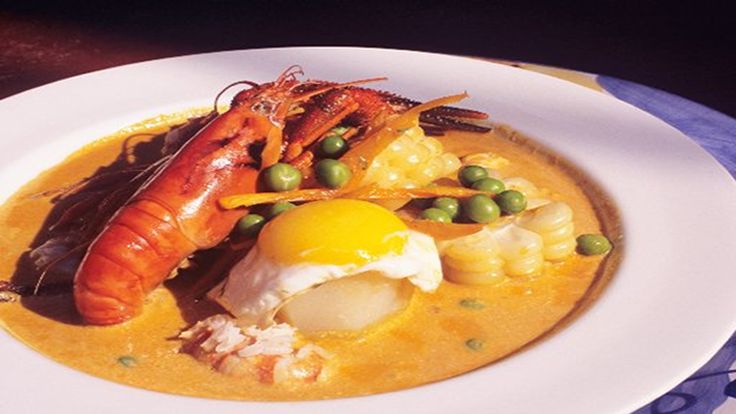
El Chupe de Camarones, es un plato emblemático de Arequipa y orgullo de la gastronomía peruana, ostenta una historia rica y fascinante que refleja el encuentro de dos culturas: la indígena y la española. De hecho sus orígenes se remontan a la época prehispánica, cuando los Incas ya disfrutaban de un guiso sustancioso llamado «chuwa misa» («cuenco hondo» en quechua), elaborado con papas, carne de llama y hierbas aromáticas. Este plato era común en las celebraciones del Huarachicuy, un ritual de paso a la adultez.
Chupe de Camarones, is an emblematic dish of Arequipa and pride of Peruvian gastronomy, it boasts a rich and fascinating history that reflects the meeting of two cultures: the indigenous and the Spanish. In fact, its origins date back to pre-Hispanic times, when the Incas already enjoyed a hearty stew called «chuwa misa» («deep bowl» in Quechua), made with potatoes, llama meat and aromatic herbs. This dish was common in Huarachicuy celebrations, a ritual of passage to adulthood.
La llegada de los españoles en el siglo XVI marca un punto de inflexión en la historia del chupe. Los ingredientes europeos como la leche, el queso, los huevos y las especias se incorporaron a la receta, dando origen a una explosión de sabores nuevos y complejos. El uso del camarón, abundante en las costas peruanas, se convirtió en un elemento distintivo del plato.
The arrival of the Spanish in the 16th century marks a turning point in the history of chupe. European ingredients such as milk, cheese, eggs and spices were incorporated into the recipe, giving rise to an explosion of new and complex flavors. The use of shrimp, abundant on the Peruvian coast, became a distinctive element of the dish.
Con el paso del tiempo, el chupe de camarones evolucionó y se popularizó en todo el país, especialmente en las regiones costeras. Cada región aportó sus propias variaciones a la receta, utilizando ingredientes locales y técnicas culinarias distintivas. Sin embargo, Arequipa se consolidó como la cuna del chupe de camarones. La ciudad blanca, conocida por su clima frío y su rica tradición culinaria, perfeccionó la receta utilizando ingredientes frescos y de alta calidad, como los camarones del Valle de Tambo, las papas arequipeñas y el queso fresco local convirtiéndose en todo un símbolo de identidad y un ícono de la gastronomía peruana. Su sabor único, que combina la frescura del mar con la calidez de la tierra, lo convierte en una experiencia culinaria inolvidable que cautiva a paladares alrededor del mundo.
As time went by, shrimp chupe evolved and became popular throughout the country, especially in coastal regions. Each region brought its own variations to the recipe, using local ingredients and distinctive culinary techniques. However, Arequipa established itself as the birthplace of shrimp chupe. The white city, known for its cold climate and rich culinary tradition, perfected the recipe using fresh and high-quality ingredients, such as shrimp from the Tambo Valley, Arequipa potatoes and local fresh cheese, becoming a symbol of identity and an icon of Peruvian gastronomy. Its unique flavor, which combines the freshness of the sea with the warmth of the land, makes it an unforgettable culinary experience that captivates palates around the world.
La verdadera historia del chupe de camarones va más allá de una simple lista de ingredientes, nos habla del mestizaje cultural, la adaptación y la evolución. Es un homenaje a la creatividad y el ingenio de los cocineros peruanos a lo largo de los siglos, quienes han sabido preservar y enriquecer este tesoro culinario.
The true story of shrimp chupe goes beyond a simple list of ingredients, it tells us about cultural mixing, adaptation and evolution. It is a tribute to the creativity and ingenuity of Peruvian chefs throughout the centuries, who have known how to preserve and enrich this culinary treasure.
| Ingredientes/ Ingredients |
| 1 kilo de camarones limpios 1 kilo of clean shrimp 1/2 taza aceite 1/2 cup oil 1 taza de cebolla picada 1 cup chopped onion 4 dientes de ajos picados 4 cloves of garlic, minced 1 tomate picado sin piel ni pepas 1 chopped tomato without skin or seeds 2 litros caldo de pescado 2 liters fish broth 1/2 taza de arroz 1/2 cup of rice 1/2 kilo de papa blanca pelada y cortada por la mitad 1/2 kilo of white potato, peeled and cut in half 1 choclo en rodajas 1 sliced corn 1 taza habas verdes 1 cup green beans 1 taza repollo en trozos 1 cup chopped cabbage 1 taza de zapallo en cubos de 2 cm 1 cup of pumpkin, cut into 2 cm cubes 1/2 taza huacatay picado 1/2 cup chopped huacatay 5 huevos 5 eggs 1 taza de leche evaporada 1 cup evaporated milk 1/2 kilo de queso fresco desmenuzado 1/2 kilo of crumbled fresh cheese Sal y pimienta al gusto Salt and pepper to taste |
| Preparación / Preparation |
| Dore a fuego alto en una olla con aceite caliente la cebolla, el ajo, el tomate y sazone con sal y pimienta. Vierta el caldo y deje hervir. Incorpore el arroz y cocine cinco minutos. Eche inmediatamente la papa, el choclo y cocine durante cinco minutos más. Agregue las habas, el repollo, el zapallo, el huacatay y rectifique la sazón. Bata un huevo y adicione lentamente a la preparación anterior. Añada los cuatro huevos restantes y deje hervir durante dos minutos. Eche los camarones enteros, de un hervor, vierte la leche, incorpore el queso y rectifique la sazón. Sirva caliente. Rinde para 4 personas. |
Brown the onion, garlic, and tomato over high heat in a pot with hot oil and season with salt and pepper. Pour in the broth and bring to a boil. Add the rice and cook for five minutes. Immediately add the potato and corn and cook for five more minutes. Add the beans, cabbage, pumpkin, huacatay and adjust the seasoning. Beat an egg and slowly add to the previous preparation. Add the remaining four eggs and boil for two minutes. Add the whole shrimp, bring to a boil, pour in the milk, add the cheese and adjust the seasoning. Serve hot. Serves 4 people.
ARROZ CON PATO A LA CHICLAYANA
El Arroz con Pato a la Chiclayana, es un plato emblemático de Chiclayo y orgullo de la gastronomía peruana, que ostenta una historia rica y fascinante que se remonta a los pueblos prehispánicos y se enriquece con el encuentro de culturas. De hecho las raíces del Arroz con Pato a la Chiclayana se encuentran en las antiguas culturas de Lambayeque y Chimú, que habitaban la región norte del Perú. Estas culturas ya criaban el pato, lo consumían en diversas ocasiones y lo preparaban con técnicas culinarias ancestrales.
Arroz con Pato a la Chiclayana is an emblematic dish of Chiclayo and the pride of Peruvian gastronomy, which boasts a rich and fascinating history that dates back to pre-Hispanic peoples and is enriched by the encounter of cultures. In fact, the roots of Arroz con Pato a la Chiclayana are found in the ancient cultures of Lambayeque and Chimú, who inhabited the northern region of Peru. These cultures already raised duck, consumed it on various occasions and prepared it with ancestral culinary techniques.
La llegada de los españoles en el siglo XVI marcó un punto de inflexión en la historia de dicho plato, ya que los ingredientes europeos como el arroz, las cebollas, el ajo y las especias se incorporaron a la receta, dando origen a una explosión de sabores nuevos y complejos. La combinación del pato con el arroz, un cereal traído de Asia, pasó a convertirse en un elemento distintivo del plato y que con el paso del tiempo, el Arroz con Pato a la Chiclayana evolucionó y se popularizó en todo el Perú, especialmente en las regiones norteñas. De hecho, cada región aportó sus propias variaciones a la receta, utilizando ingredientes locales y técnicas culinarias distintivas. Sin embargo, Chiclayo se consolidó como la cuna del Arroz con Pato. Chiclayo, la ciudad del sol, conocida por su rica tradición cultural y su vibrante gastronomía, perfeccionó la receta utilizando ingredientes frescos y de alta calidad, como el pato criollo de la región, el arroz cultivado en Lambayeque y el ají amarillo, un ingrediente esencial de la cocina peruana.
The arrival of the Spanish in the 16th century marked a turning point in the history of this dish, since European ingredients such as rice, onions, garlic and spices were incorporated into the recipe, giving rise to an explosion of new and complex flavors. The combination of duck with rice, a cereal brought from Asia, became a distinctive element of the dish and with the passage of time, Arroz con Pato a la Chiclayana evolved and became popular throughout Peru, especially in the northern regions. In fact, each region brought its own variations to the recipe, using local ingredients and distinctive culinary techniques. However, Chiclayo established itself as the birthplace of Arroz con Pato. Chiclayo, the city of the sun, known for its rich cultural tradition and vibrant gastronomy, perfected the recipe using fresh, high-quality ingredients, such as the region’s creole duck, rice grown in Lambayeque, and yellow chili, an essential ingredient. of Peruvian cuisine.
Hoy en día, el Arroz con Pato a la Chiclayana es un símbolo de la identidad de los chiclayanos y un ícono de la gastronomía peruana. Su sabor único, que combina la carne jugosa del pato con el aroma del arroz y el toque picante del ají, lo convierte en una experiencia culinaria inolvidable que cautiva a paladares alrededor del mundo.
Today, Arroz con Pato a la Chiclayana is a symbol of the identity of Chiclayans and an icon of Peruvian gastronomy. Its unique flavor, which combines the juicy meat of the duck with the aroma of rice and the spicy touch of chili, makes it an unforgettable culinary experience that captivates palates around the world.
La verdadera historia del Arroz con Pato a la Chiclayana va más allá de una simple lista de ingredientes ya que nos relata del mestizaje cultural, la adaptación y la evolución. Es un homenaje a la creatividad y el ingenio de los cocineros peruanos a lo largo de los siglos, quienes han sabido preservar y enriquecer este tesoro culinario.
The true story of Arroz con Pato a la Chiclayana goes beyond a simple list of ingredients as it tells us about cultural mixing, adaptation and evolution. It is a tribute to the creativity and ingenuity of Peruvian chefs throughout the centuries, who have known how to preserve and enrich this culinary treasure.
Ingredientes / Ingredients
1 k de arroz  1 kl of rice                                                                                                                                                                                                                                               1 ½ taza de zapallo loche rallado 1 ½ cup grated loche squash
1 atado de culantro 1 bunch of cilantro
Aji mirasol licuado liquefied chili mirasol
cebolla picada en cuadraditos muy fina mente  onion chopped very finely into squares
Ajos, pelados y picados Garlic, peeled and chopped
Aceite Oil
Pimienta Pepper
1 pato de 2 k, pelado y limpio, trozado en presas 1 duck, 2 kg, peeled and cleaned, cut into pieces
1 k de arvejas verdes, peladas 1 kg green peas, peeled
½ taza de zapallo, picado ½ cup pumpkin, chopped
1 botella de cerveza negra grande 1 large bottle of stout
1 cubito sazonador 1 seasoning cube
Sal Salt
Preparación / Preparation
Calentar el aceite en una sartén y dorar las presas de pato. Una vez doradas retirarlas a un recipiente.
Verter el aceite donde se frieron las presas de pato a una olla. Agregarla cebolla a punto cristalino freir el ajo, echar el culantro licuado y dejar que se cocine hasta que se ponga pastoso luego agregar el aji mirasol y dejar a punto pastoso poner las presas de pato y dejar que suden por diez minutos, luego agregar el fondo de pato y las arvejas, y el loche rallado, dejar que se cocine bien el pato, sacar las presas.
luego agregar la cerveza negra y echar el arroz, cuando este este secando echar los pimentones cortados en tiras y dejar que cocine a fuego lento. Colocar las presas de pato al final. Servir, con una salsa criolla. 5 Porciones
Heat the oil in a frying pan and brown the duck pieces. Once golden, remove them to a container. Pour the oil where the duck pieces were fried into a pot. Add the onion to a crystalline point, fry the garlic, add the liquefied coriander and let it cook until it becomes pasty, then add the mirasol chili and let it become pasty, add the duck pieces and let them sweat for ten minutes, then add the stock. of duck and peas, and the grated loche, let the duck cook well, remove the pieces. then add the black beer and add the rice, when it is drying, add the peppers cut into strips and let it cook over low heat. Place the duck preys last. Serve with a Creole sauce. 5 Servings

Esta última receta tradicional de la cocina peruana ARROZ con PATO a la Chiclayana, va dedicado a nuestra Marisol Paredes Apolitano quien es Natural de Chiclayo, Coordinadora General en Nuestra America Online Radio & en Eventos de LA AMDP, gran amiga y colega desde Perú.
This last traditional recipe of Peruvian cuisine, RICE with DUCK a la Chiclayana, is dedicated to our Marisol Paredes Apolitano who is a native of Chiclayo, General Coordinator at Nuestra America Online Radio & LA AMDP Events, a great friend and colleague from Peru.
Descubre más desde LA AGENCIA MUNDIAL DE PRENSA
Suscríbete y recibe las últimas entradas en tu correo electrónico.


Todo muy rico, apetecen todos esos plato, pero el arroz de pato a la chiclayana me invita también a visitar a mi amiga Marisol Paredes. Gracias DCtistina un artículo que despierta el apetito.
Me gustaMe gusta
¡Qué rico plato!, me encantaŕa saborear un plato de la cocina peruana. Voy a tomar la receta y a ver qué tal me sale. Gracias por la iniciativa.
Me gustaMe gusta