

«Emotional Salary: The Key to Well-being for Your Life»
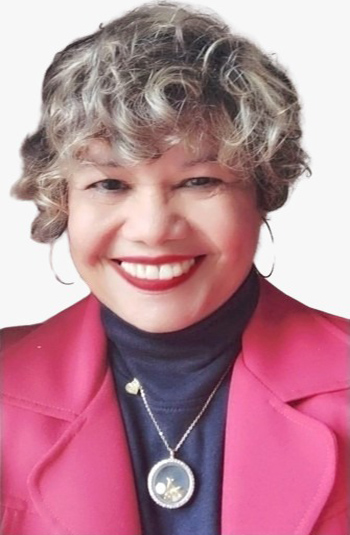
YUMAK APONTE Dra. Ciencias de la Educación, Escritora, Productora de Radio en Hola Mundo. COLUMNISTA
Hoy vamos a hablar de algo que nos toca a todos, pero que pocos se atreven a mirar de frente: nuestra relación emocional con el dinero. Porque el dinero no solo vive en nuestros bolsillos, también habita en nuestras creencias, en nuestras heridas, en nuestros sueños. «Salario Emocional: La Clave del Bienestar para la vida»
Today we’re going to talk about something that affects us all, but that few dare to confront head-on: our emotional relationship with money. Because money doesn’t just live in our pockets; it also lives in our beliefs, our wounds, and our dreams. «Emotional Salary: The Key to Well-being for Life»

“La libertad financiera no comienza en tu cuenta bancaria, comienza en tu mente.”
“Financial freedom doesn’t start in your bank account, it starts in your mind.”
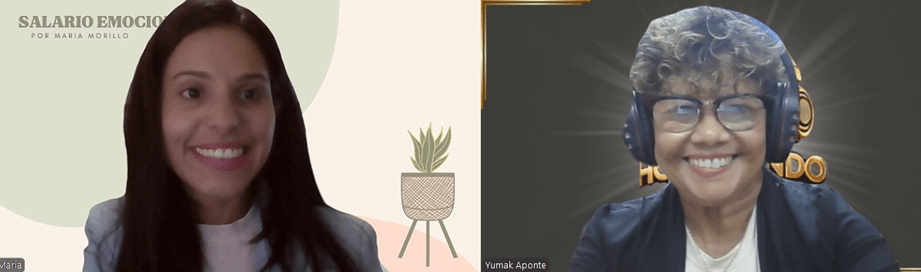
En un mundo donde el dinero suele medirse en cifras, bienes y logros, pocas veces nos detenemos a explorar el vínculo emocional que tenemos con él. ¿Qué creencias lo moldean? ¿Qué heridas lo distorsionan? ¿Qué sueños lo impulsan? En esta conversación íntima y reveladora, María Morillo —coach financiera emocional— nos invita a mirar hacia adentro para transformar nuestra relación con el dinero.
In a world where money is often measured in numbers, possessions, and achievements, we rarely stop to explore the emotional connection we have with it. What beliefs shape it? What wounds distort it? What dreams drive it? In this intimate and revealing conversation, María Morillo—emotional financial coach—invites us to look inward to transform our relationship with money.
Para disertar sobre el tema tenemos a una invitada especial:
To discuss the topic we have a special guest:
María Morillo

María no solo habla de números, habla de alma. Ingeniera industrial con maestría en administración de negocios, certificada en contabilidad y programación neurolingüística (PNL), dejó atrás una sólida carrera en el sector energético para dedicarse a un propósito mayor: ayudar a las personas a reconciliarse con su historia financiera y vivir desde la autenticidad.
María doesn’t just talk numbers; she talks about her soul. An industrial engineer with a master’s degree in business administration, certified in accounting and neurolinguistic programming (NLP), she left behind a solid career in the energy sector to dedicate herself to a greater purpose: helping people reconcile their financial history and live authentic lives.
Originaria de Venezuela y residenciada en Estados Unidos desde 2010, María es también esposa y madre de dos niñas, quienes le recuerdan que la abundancia se cultiva desde la presencia, el disfrute y la verdad personal. Hoy comparte su metodología a través de talleres, sesiones personalizadas y contenido digital que inspira a cientos de personas a salir del piloto automático y redefinir su libertad financiera.
Originally from Venezuela and living in the United States since 2010, María is also a wife and mother of two daughters, who remind her that abundance is cultivated through presence, enjoyment, and personal truth. Today, she shares her methodology through workshops, personalized sessions, and digital content that inspires hundreds of people to break out of autopilot and redefine their financial freedom.
El inicio de una transformación
The beginning of a transformation
Cuando le preguntamos cómo llegó al mundo del coaching financiero emocional, María nos comparte una historia de pausa, introspección y despertar: “En un momento de mi vida decidí hacer una pausa en mi carrera corporativa. Sentía que algo en mí pedía un cambio, aunque no sabía cuál era ese siguiente capítulo. Gracias a mi planificación financiera pude retirarme unos meses, ajustarme a un presupuesto y ocuparme de mí, de mi familia, y de entender qué estaba pasando dentro de mí.”
When we asked her how she got into the world of emotional financial coaching, María shares a story of pause, introspection, and awakening: “At one point in my life, I decided to take a break from my corporate career. I felt something inside me was asking for a change, although I didn’t know what that next chapter was. Thanks to my financial planning, I was able to step back for a few months, stick to a budget, take care of myself, my family, and understand what was happening inside me.”
Durante ese receso, comenzó a estudiar programación neurolingüística y descubrió una conexión profunda entre nuestras emociones, pensamientos y la manera en que nos relacionamos con el dinero. Lo que parecía una crisis, se convirtió en una oportunidad de reinvención. “Muchas personas me decían: ‘¿Te volviste loca? ¿Cómo dejas una carrera estable por una crisis existencial?’ Pero yo les decía: ‘Esto se siente como libertad financiera’. Y me di cuenta de que con menos ingreso me sentía más tranquila y feliz que antes.”
During that break, she began studying neurolinguistic programming and discovered a deep connection between our emotions, thoughts, and the way we relate to money. What seemed like a crisis became an opportunity for reinvention. “Many people would ask me, ‘Have you gone crazy? How do you leave a stable career because of an existential crisis?’ But I would tell them, ‘This feels like financial freedom.’ And I realized that with less income, I felt calmer and happier than before.”

Ese despertar la llevó a unir su experiencia financiera con el crecimiento personal, dando vida a su programa de coaching financiero emocional. Una propuesta que redefine el concepto de abundancia y lo lleva del banco a la mente.
That awakening led her to combine her financial experience with personal growth, giving life to her emotional financial coaching program. A proposal that redefines the concept of abundance and takes it from the bank to the mind.
El dinero como espejo emocional
Money as an emotional mirror
¿Por qué el dinero genera emociones tan intensas como miedo, culpa o ansiedad? María lo explica con claridad: el dinero es un reflejo de nuestra historia. En él proyectamos nuestras inseguridades, creencias familiares y sociales. Desde pequeños, aprendemos que hablar de dinero es tabú: no se pregunta cuánto gana alguien, ni cuánto costó algo. Esta cultura del silencio lo convierte en un terreno fértil para los juicios y la confusión emocional.
Why does money generate such intense emotions as fear, guilt, or anxiety? María explains it clearly: money is a reflection of our history. We project our insecurities, family, and social beliefs onto it. From a young age, we learn that talking about money is taboo: we don’t ask how much someone earns, or how much something cost. This culture of silence makes it fertile ground for judgment and emotional confusion.
“Cuando nos enfrentamos a decisiones financieras, como gastar o ahorrar, todas esas emociones afloran. Nos preguntamos si lo estamos haciendo bien o mal, si ganar mucho nos convierte en malas personas. Son historias que nos hemos contado durante años.” Nuestra historia personal y familiar influye profundamente en cómo gestionamos nuestras finanzas. María nos invita a mirar hacia atrás, a observar cómo nuestros cuidadores se relacionaban con el dinero. ¿Vivían desde la escasez? ¿Desde el derroche? ¿Desde el miedo o el control? Todo eso se filtra en nuestra propia narrativa financiera.
“When we’re faced with financial decisions, like spending or saving, all those emotions surface. We wonder if we’re doing things right or wrong, if earning a lot makes us bad people. These are stories we’ve told ourselves for years.” Our personal and family history profoundly influences how we manage our finances. María invites us to look back, to observe how our caregivers related to money. Did they live from a place of scarcity? From waste? From fear or control? All of this filters into our own financial narrative.
“Somos como esponjas. Absorbemos lo que vemos en casa, en la escuela, en el trabajo. Y si crecimos viendo que el dinero era difícil de conseguir, hoy nos puede costar disfrutarlo. O si vimos descontrol, podemos repetir patrones de gasto impulsivo.”
“We’re like sponges. We absorb what we see at home, at school, at work. And if we grew up seeing money as hard to come by, it may be hard to enjoy it today. Or if we saw it as uncontrolled, we may repeat impulsive spending patterns.”
Señales de una relación tóxica con el dinero
Signs of a toxic relationship with money
María identifica algunas señales claras que indican una relación desbalanceada con el dinero:
Maria identifies some clear signs that indicate an unbalanced relationship with money:
- Sentir culpa al gastar. Feeling guilty about spending.
- Vivir con ansiedad al revisar la cuenta bancaria. Living with anxiety when checking your bank account.
- Evitar hablar de dinero, especialmente en pareja. Avoiding talking about money, especially with your partner.
- Ganar bien, pero no disfrutarlo. Earning a good amount, but not enjoying it.
- Creer que más dinero es la única solución a todos los problemas.
Estas señales no solo afectan nuestras finanzas, sino también nuestra calidad de vida, nuestras relaciones y nuestro bienestar emocional.
These signals not only affect our finances, but also our quality of life, our relationships, and our emotional well-being.
La gestión emocional como brújula financiera
Para María, la gestión emocional es la base de la libertad financiera. No se trata de acumular millones, sino de alinear nuestras decisiones con nuestros valores más profundos. “Cuando entiendes qué es verdaderamente importante para ti, el dinero se convierte en tu aliado. Ya no es algo que temes, sino una herramienta que te acompaña en tu camino.”
For María, emotional management is the foundation of financial freedom. It’s not about accumulating millions, but rather aligning our decisions with our deepest values. «When you understand what’s truly important to you, money becomes your ally. It’s no longer something you fear, but a tool that accompanies you on your journey.»
Desde esa base emocional sólida, cualquier estructura financiera se vuelve sostenible. Porque está construida desde la autenticidad, no desde el miedo ni la comparación.
From that solid emotional foundation, any financial structure becomes sustainable. Because it’s built on authenticity, not fear or comparison.
De la escasez a la abundancia: el poder del diálogo interno
Cultivar una mentalidad de abundancia comienza por observar lo que nos decimos a diario. María lo explica con una metáfora sencilla pero poderosa: “Si ando por la vida diciendo ‘no me alcanza’, ‘no tengo’, ‘soy un desastre’, adivina qué va a pasar: vas a buscar más deudas, porque eso es lo que tu mente está programada para encontrar.”
Cultivating an abundance mindset begins with observing what we tell ourselves every day. María explains it with a simple but powerful metaphor: “If I go through life saying, ‘I don’t have enough,’ ‘I don’t have anything,’ ‘I’m a mess,’ guess what’s going to happen: you’re going to seek out more debt, because that’s what your mind is programmed to find.”
La clave está en identificar esas creencias limitantes —esas “mentiras”, como ella las llama— y reemplazarlas por afirmaciones que nos beneficien. Si ya vamos a contarnos historias, que sean historias que nos impulsen.
The key is to identify those limiting beliefs—those “lies,” as she calls them—and replace them with affirmations that benefit us. If we’re going to tell ourselves stories, let them be stories that inspire us.
“Prefiero que te digas ‘soy rico’, ‘el dinero llega a mí’. Y el dinero va a llegar, no la deuda.”
“I prefer you to say to yourself, ‘I’m rich,’ ‘money comes to me.’ And the money will come, not the debt.”
Herramientas para reconectar con el dinero desde la intención
Tools to reconnect with money from intention
María propone ejercicios simples pero transformadores:
Maria proposes simple but transformative exercises:
- Cuestiona tu diálogo interno: ¿Qué te estás diciendo sobre el dinero? ¿Es realmente cierto? Question your internal dialogue: What are you telling yourself about money? Is it really true?
- Haz una lista de tus creencias limitantes y cámbialas por afirmaciones positivas. Make a list of your limiting beliefs and replace them with positive affirmations.
- Reflexiona antes de tomar decisiones financieras: ¿Esto me acerca o me aleja de mi plan? ¿Está alineado con mis valores? Reflect before making financial decisions: Does this move me closer to or further from my plan? Is it aligned with my values?
- Reconoce lo que sí puedes cubrir hoy: Luz, comida, techo… eso también es abundancia. Recognize what you can afford today: Light, food, shelter… that’s also abundance. Recognize what you can afford today: Light, food, shelter… that’s also abundance.
“Cuando nos enfocamos en lo que sí, bajamos en la escala emocional y podemos tomar decisiones desde la calma.”
“When we focus on what is, we lower the emotional scale and can make decisions calmly.”
Un enfoque que transforma desde adentro
An approach that transforms from within
A diferencia del coaching financiero tradicional, el programa de María —Salario Emocional— no comienza con hojas de cálculo ni presupuestos rígidos. Comienza con la persona.
Unlike traditional financial coaching, María’s program—Emotional Salary—doesn’t begin with spreadsheets or rigid budgets. It begins with the individual.
“Primero equilibramos pensamientos, emociones y acciones. Luego planificamos ahorro, jubilación, pago de deudas… lo que la persona necesite. Pero desde una base sólida.”
“First, we balance thoughts, emotions, and actions. Then we plan for savings, retirement, debt repayment… whatever the individual needs. But from a solid foundation.”
Sin esa base, cualquier intento de cambio se convierte en una “dieta financiera” que empieza el lunes y termina el lunes en la tarde.
Without that foundation, any attempt at change becomes a “financial diet” that starts on Monday and ends on Monday afternoon.
Los errores más comunes: motivación sin transformación
The most common mistakes: motivation without transformation
María advierte que muchas personas comienzan con entusiasmo, pero sin revisar las raíces profundas de sus patrones financieros. El resultado: repiten comportamientos, abandonan planes y vuelven al piloto automático.
Maria warns that many people begin with enthusiasm, but without examining the deep roots of their financial patterns. The result: they repeat behaviors, abandon plans, and return to autopilot.
“El cerebro siempre busca lo cómodo. Si no cuestionamos lo que está en el subconsciente, no hay cambio. Y sin cambio, no hay transformación.”
“The brain always seeks comfort. If we don’t question what’s in the subconscious, there is no change. And without change, there is no transformation.”
¿Se puede tener libertad financiera sin ganar grandes sumas?
Can you have financial freedom without earning large sums?
La respuesta de María es contundente: sí, absolutamente. La libertad financiera no depende de cifras astronómicas, sino de decisiones conscientes y alineadas con nuestros valores. “El día que decidí usar mis ahorros para tomar un receso laboral, fui libre financieramente. Cubrí mis necesidades, prioricé mi bienestar y mi familia. No me di lujos, pero viví desde mi verdad.”
María’s answer is resounding: yes, absolutely. Financial freedom doesn’t depend on astronomical sums, but on conscious decisions aligned with our values. «The day I decided to use my savings to take a break from work, I became financially free. I covered my needs, prioritized my well-being and my family. I didn’t indulge in luxuries, but I lived my truth.»
La clave está en la gratitud por lo que ya se tiene, mientras se sigue construyendo.
No se trata de conformarse, sino de avanzar desde la coherencia.
The key is gratitude for what you already have, while continuing to build. It’s not about settling, but rather moving forward with consistency.
El primer paso: transformar el diálogo interno
The first step: transforming internal dialogue
Para quienes sienten que nunca lograrán estabilidad financiera, María ofrece un mensaje esperanzador: “Respira profundo. Lo que te estás diciendo viene de creencias aprendidas. Y son mentiras. Sí, cuesta, pero también avanzas. Pon tus pensamientos a trabajar para ti.”
For those who feel they’ll never achieve financial stability, Maria offers a hopeful message: “Take a deep breath. What you’re telling yourself comes from learned beliefs. And they’re lies. Yes, it’s hard, but you also make progress. Put your thoughts to work for you.”
Así como se dice que el dinero debe trabajar para nosotros, también nuestros pensamientos deben hacerlo. Y eso requiere constancia, paciencia y práctica.
Just as it’s said that money should work for us, so too should our thoughts. And that requires consistency, patience, and practice.
Cómo empezar hoy mismo
How to get started today
María propone dos acciones simples pero transformadoras:
Maria proposes two simple but transformative actions:
- Observa tu diálogo interno y cuestiona cada pensamiento limitante. Observe your internal dialogue and question every limiting thought.
- Haz consciente cada gasto diario. Pregúntate: ¿esto refleja algo que realmente valoro? Be mindful of each daily expense. Ask yourself: Does this reflect something I truly value?
“Cuando empiezas a cuestionarte, ya no hay vuelta atrás. Las micro acciones diarias generan un cambio profundo.” Desde una taza de café hasta una decisión de vida, todo puede convertirse en una oportunidad para reconectar con tu propósito y transformar tu relación con el dinero.
“Once you start questioning yourself, there’s no turning back. Daily micro-actions generate profound change.” From a cup of coffee to a life decision, everything can become an opportunity to reconnect with your purpose and transform your relationship with money.
El dinero como espejo de tu autenticidad
Money as a mirror of your authenticity
Esta entrevista con María Morillo nos recuerda que el dinero no es solo una herramienta económica, sino también emocional. Es un espejo que refleja nuestras creencias, nuestros miedos y nuestros sueños. Y como todo espejo, puede limpiarse, puede reencuadrarse y puede mostrarnos una nueva versión de nosotros mismos.
This interview with María Morillo reminds us that money is not only an economic tool, but also an emotional one. It’s a mirror that reflects our beliefs, our fears, and our dreams. And like any mirror, it can be cleaned, it can be reframed, and it can show us a new version of ourselves.
La libertad financiera no es un destino lejano. Es una práctica diaria. Es elegir desde la intención. Es vivir desde la verdad.
Financial freedom isn’t a distant destination. It’s a daily practice. It’s choosing from intention. It’s living from truth.
“La libertad financiera no comienza en tu cuenta bancaria, comienza en tu mente.”
Financial freedom doesn’t start in your bank account, it starts in your mind.”
Antes de despedirnos, María nos comparte su proyecto estrella: Salario Emocional, un programa de seis semanas completamente online y personalizado, diseñado para ayudarte a reconectar con tu dinero desde la intención, la emoción y la autenticidad. “La manera más fácil de contactar conmigo es a través de Instagram en @salario_emocional. Allí encontrarás un test gratuito que te dará un feedback valioso sobre tu relación con el dinero y tu organización financiera.”
Before we say goodbye, María shares her flagship project: Emotional Salary, a six-week, completely online and personalized program designed to help you reconnect with your money through intention, emotion, and authenticity. “The easiest way to contact me is through Instagram at @salario_emocional. There you’ll find a free test that will give you valuable feedback about your relationship with money and your financial organization.”
Además, María está celebrando un nuevo hito: el lanzamiento de su libro “Y si no hubiese sucedido”, que será presentado el 9 de noviembre en Houston. En él, comparte una historia personal y profunda sobre el camino que la llevó a convertirse en coach financiera emocional.
María is also celebrating a new milestone: the launch of her book “Y si no había pasó,” which will be presented on November 9 in Houston. In it, she shares a profound and personal story about the path that led her to become an emotional financial coach.
“En esta entrevista les conté una parte, pero en el libro hay algo mucho más grande. Es una invitación a mirar hacia adentro.”
“In this interview, I told you part of it, but the book contains something much bigger. It’s an invitation to look within.”
Reflexión final:
Final reflection:
El dinero como camino de autoconocimiento
Money as a path to self-knowledge
Esta entrevista con María Morillo nos deja una enseñanza poderosa: la libertad financiera no es un destino, es un proceso de reconexión con uno mismo. No se trata de tener más, sino de entender mejor. De alinear lo que pensamos, sentimos y hacemos con lo que realmente valoramos.
This interview with María Morillo leaves us with a powerful lesson: financial freedom isn’t a destination, it’s a process of reconnecting with oneself. It’s not about having more, but about understanding better. About aligning what we think, feel, and do with what we truly value.
“No es cuánto ganas, es qué tan alineado está tu estilo de vida con tus valores.”
“It’s not how much you earn, it’s how aligned your lifestyle is with your values.”
Gracias, María
Thank you, Maria
Desde el primer minuto, María nos regaló claridad, calidez y herramientas prácticas para transformar nuestra relación con el dinero. Nos recordó que la libertad financiera no es una meta lejana, sino una práctica diaria que comienza en la mente y se construye desde la intención.
From the very first minute, María gave us clarity, warmth, and practical tools to transform our relationship with money. She reminded us that financial freedom isn’t a distant goal, but a daily practice that begins in the mind and is built on intention.
Gracias por acompañarnos en esta conversación transformadora. Y recuerda: el dinero no solo vive en tus bolsillos, también habita en tus creencias, tus heridas y tus sueños.
Thank you for joining us for this transformative conversation. And remember: money doesn’t just live in your pockets; it also lives in your beliefs, your wounds, and your dreams.
Si algo de lo que escuchaste hoy te hizo clic, te movió o te incomodó… ¡felicidades! Ese es el primer paso hacia tu propia transformación financiera emocional.
If anything you heard today resonated with you, moved you, or made you uncomfortable… congratulations! That’s the first step toward your own emotional financial transformation.
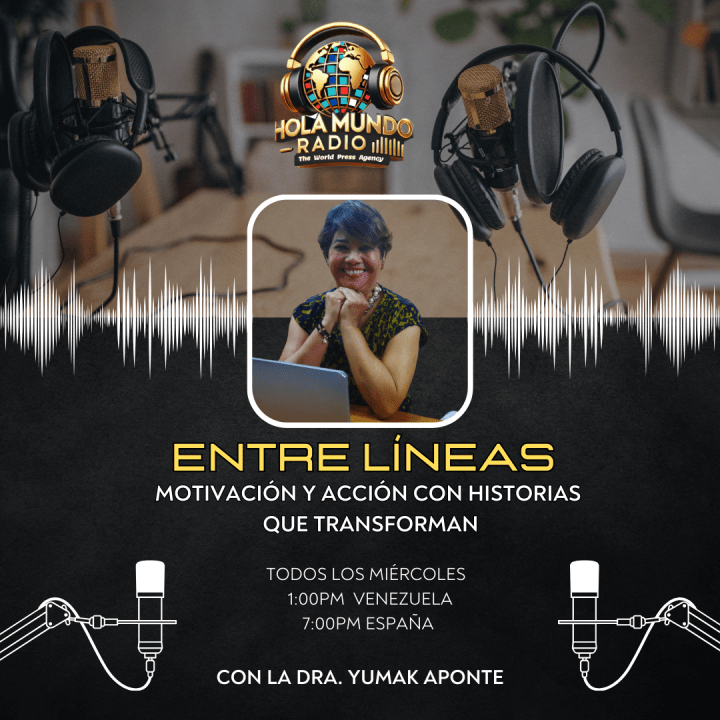
Nota: También estamos en radio. Sintoniza todos los Miércoles en HOLA MUNDO online radiotv+ este gran programa, haciendo click aqui: https://holamundoonlineradio.wixsite.com/holamundoonlineradio «Entre Líneas: Motivación en acción con Historias que transforman» a las 19:00 PM HORAS ESPAÑA.
Note: We are also on the radio. Tune in every Wednesday to HOLA MUNDO online radio for this great program by clicking here: https://holamundoonlineradio.wixsite.com/holamundoonlineradio «Between the Lines: Motivation in Action with Transforming Stories» at 7:00 PM Spanish Time.
Descubre más desde LA AGENCIA MUNDIAL DE PRENSA
Suscríbete y recibe las últimas entradas en tu correo electrónico.

