
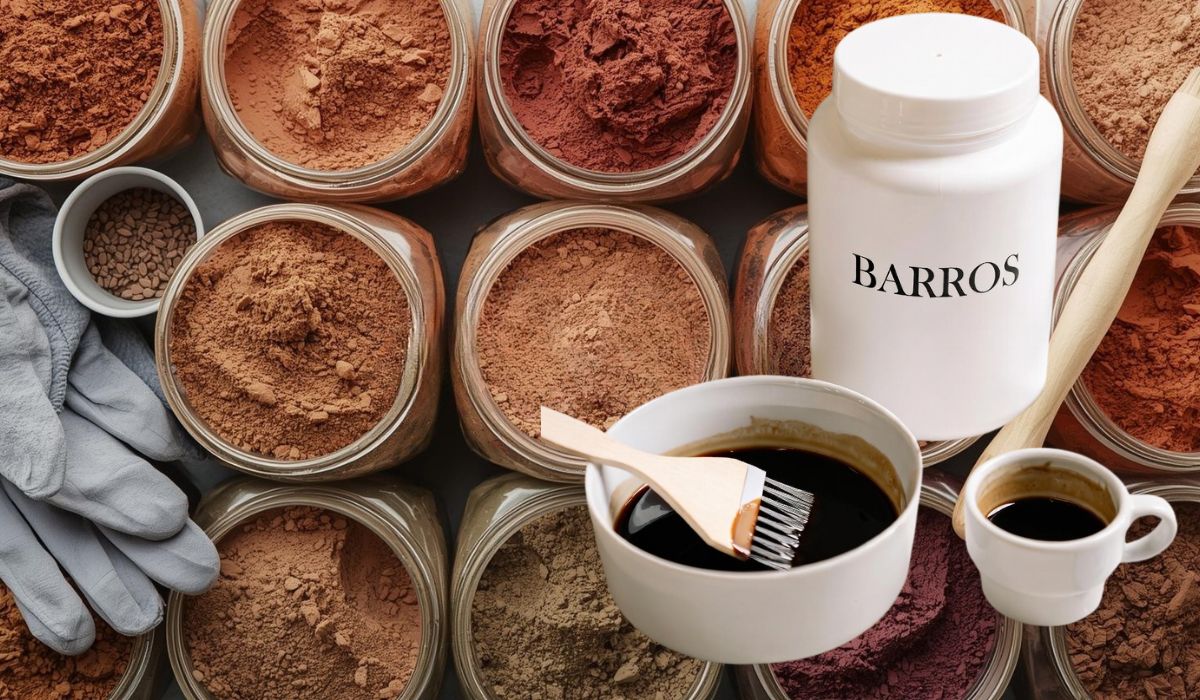
Hair Clay: the natural color that cares for your hair. What is it? How does it work and why are more and more people choosing it?

Durante años nos enseñaron que teñirse el cabello implicaba resignarse al daño: picor, sequedad, rotura o un color artificial que no perdona el paso del tiempo. Hoy, eso afortunadamente, está cambiando.
En plena era de la cosmética consciente, los barros vegetales han dejado de ser un secreto de profesionales para convertirse en una alternativa real, eficaz y saludable al alcance de todos.
For years we were taught that dyeing our hair meant resigning ourselves to the damage: itching, dryness, breakage, or an artificial color that doesn’t age gracefully. Today, thankfully, that’s changing. In the midst of the conscious cosmetics era, plant-based muds have gone from being a professional secret to a real, effective, and healthy alternative available to everyone.
Y no, no es una moda. Es ciencia vegetal aplicada al cuidado capilar.
And no, it’s not a fad. It’s plant science applied to hair care.
¿Qué es realmente el barro capilar? y por qué no es “solo barro” What exactly is hair mud? And why isn’t it «just mud»?
Aunque popularmente los llamamos “barros”, estamos hablando de mezclas de plantas pulverizadas —como henna, índigo, cassia o amla— que tiñen el cabello por depósito, sin romper ni forzar su estructura.
Although we popularly call them «muds», we are talking about mixtures of powdered plants —such as henna, indigo, cassia or amla— that dye the hair by deposition, without breaking or forcing its structure.
“El barro no fuerza el cabello: lo acompaña.” Cristina Barcelona
“Mud doesn’t force the hair: it complements it.” Cristina Barcelona
A diferencia de los tintes químicos, que abren la cutícula y alteran el interior del cabello, el barro:
Unlike chemical dyes, which open the cuticle and alter the inside of the hair, mud:
- Se adhiere a la fibra capilar It adheres to the hair fiber
- Respeta la arquitectura natural del cabello Respect the natural architecture of the hair
- Aporta color, brillo y cuerpo sin dañarlo It adds color, shine and body without damaging it
Más que un tinte, es color + tratamiento en un solo gesto.
More than just a dye, it’s color + treatment in one step.
Cómo funciona el barro: explicado fácil. How mud works: explained simply
El secreto del barro está en los fitopigmentos, es decir, los pigmentos naturales de las plantas.
Cuando se activan correctamente, estos pigmentos se fijan a la queratina del cabello como si lo envolvieran, creando un color vivo, elegante y natural.
The secret of the mud lies in the phytopigments, that is, the natural pigments of plants.
When properly activated, these pigments bind to the hair’s keratin as if enveloping it, creating a vibrant, elegant, and natural color.
No hay química agresiva, ni amoníaco, ni oxidantes.
Hay tiempo, temperatura y paciencia.
There are no harsh chemicals, no ammonia, no oxidizers. There is time, temperature, and patience.
Preparación del barro en casa (el paso clave para que funcione bien) Preparing the mud at home (the key step for it to work well)
Aunque este protocolo nace en el ámbito profesional, puede hacerse perfectamente en casa siguiendo unas reglas básicas.
Although this protocol originated in the professional sphere, it can be perfectly done at home following some basic rules.
1. La temperatura importa / Temperature matters
- El agua debe estar caliente, entre 70 °C y 80 °C The water should be hot, between 70°C and 80°C.
- Si está tibia, el color quedará débil If it’s lukewarm, the color will be weak.
- Si hierve, se estropean los pigmentos If it boils, the pigments will be ruined.
Truco casero: agua muy caliente, sin llegar a hervir.
Home remedy: very hot water, but not boiling.
2. El reposo también tiñe / Rest also stains
Una vez mezclado el polvo con el agua:
Once the powder is mixed with the water:
- Deja reposar la mezcla entre 20 y 40 minutos Let the mixture rest for 20 to 40 minutes
- Este tiempo permite que el color “despierte” This time allows the color to “awaken”
No es inmediato, OJO y eso es parte de su magia.
It’s not immediate, mind you, and that’s part of its magic.
3. El cabello debe estar limpio de verdad / The hair must be really clean
Antes de aplicar el barro:
Before applying the mud:
- Lava el cabello con un champú sencillo, sin siliconas. Lava el cabello con un champú sencillo, sin siliconas
- El objetivo es eliminar residuos que bloquean el color. El objetivo es eliminar residuos que bloquean el color.
Piensa en el cabello como si fuera un lienzo: cuanto más limpio, mejor pinta.
Piensa en el cabello como si fuera un lienzo: cuanto más limpio, mejor pinta.
¿El barro cubre las canas? La verdad sin promesas falsas /
Does the mud cover the reeds? The truth without false promises
Sí, cubre las canas, pero no como un tinte químico. Y esto porque el barro no crea un color “bloque”.
Crea un efecto translúcido, como un vitral. Es decir….
Yes, it covers gray hair, but not like a chemical dye. That’s because clay doesn’t create a solid color. It creates a translucent effect, like stained glass. In other words…
- La cana no desaparece: se transforma Gray hair doesn’t disappear: it transforms
- Refleja la luz y se integra con el resto del cabello It reflects light and blends in with the rest of the hair
- No hay efecto raíz marcado al crecer There is no marked root effect when growing
El resultado es elegante, natural y sin contrastes artificiales.
The result is elegant, natural, and without artificial contrasts.
“No es cubrir, es transformar.” Cristina Barcelona
“It’s not about covering up, it’s about transforming.” Cristina Barcelona
Importante si lo que se busca son tonos oscuros / Important if you are looking for dark tones
Si tienes muchas canas y buscas castaños o negros profundos:
If you have a lot of gray hair and are looking for deep brown or black shades:
- Se necesita un proceso en dos pasos / A two-step process is needed
- Henna (base) Henna (base)
- Índigo (tono oscuro) (dark tone)
Saltarse este paso puede provocar reflejos verdosos. Aquí el orden definitivamente sí importa.
Skipping this step can cause greenish reflections. Here, the order definitely matters.
Beneficios reales para la salud del cabello / Real benefits for hair health
El barro no solo colorea. Mejora el cabello desde la primera aplicación, es decir es todo un tratamiento.
Mud doesn’t just color. It improves hair from the first application; in other words, it’s a complete treatment.
Más cuerpo y volumen / More body and volume
Al depositarse sobre la fibra, el cabello definitivamente…
When deposited on the hair fiber, the hair definitely…
- Aumenta su grosor Increases thickness
- Se ve más denso y fuerte. Ideal para cabellos finos o debilitados. Sea por los químicos utilizados, el paso del tiempo. It looks thicker and stronger Ideal for fine or weakened hair, whether due to chemical treatments or the passage of time.
Cuero cabelludo más equilibrado / More balanced scalp
Plantas como la cassia o el amla:
Plants such as cassia or amla:
- Regulan la grasa They regulate oil production.
- Calman picores They soothe itching.
- Ayudan con la descamación They help with flaking.
Protección natural / natural protection
Los taninos vegetales:
Plant tannins
- Protegen del sol They protect from the sun.
- Evitan la degradación de la queratina They prevent keratin degradation.
- Mantienen el brillo por más tiempo They maintain shine for longer.
Palabras clave explicadas sin complicaciones / Keywords explained without complications
- Sustantividad: capacidad del color para quedarse en el cabello sin dañarlo Substantivity: the ability of the color to remain in the hair without damaging it
- Lawsone: el pigmento natural de la henna Lawsone: the natural pigment of henna
- Taninos: responsables del brillo y la resistencia Tannins: responsible for shine and resistance
- Fitocosmética: cosmética basada en plantas con función estética y terapéutica Phytocosmetics: plant-based cosmetics with aesthetic and therapeutic functions
No necesitamos memorizar esto. Solo entender que el color viene de la naturaleza, no del laboratorio.
We don’t need to memorize this. We just need to understand that color comes from nature, not from the laboratory.
Preguntas frecuentes (respuestas claras)
Frequently Asked Questions (Clear Answers)
¿El barro aclara el cabello oscuro?
No. El barro no aclara, solo aporta color.
Does mud lighten dark hair?
No. Mud doesn’t lighten hair, it only adds color.
¿Puedo volver a tintes o mechas después?
Con cuidado. Algunos barros pueden reaccionar con decoloraciones. Consulta siempre a un profesional.
Can I dye or highlight hair again afterward? With caution. Some muds can react with bleach. Always consult a professional.
¿Cuánto dura el color?
Es permanente. Evoluciona con el cabello, no se “lava”.
How long does the color last? It’s permanent. It evolves with your hair; it doesn’t wash out.
¿El color con barro se va cuando me lavo el cabello? No. El color no desaparece con los lavados como un baño de color químico.
Lo que sí ocurre es que, durante las primeras semanas, el exceso de pigmento superficial puede perder intensidad, algo totalmente normal.
Does the clay color wash out when I wash my hair? No. The color doesn’t disappear with washing like a chemical color treatment. What does happen is that, during the first few weeks, the excess surface pigment may fade, which is perfectly normal.
¿Entonces el barro es permanente? Sí, es permanente, pero de una forma distinta a los tintes químicos.
No crea un bloque de color rígido: evoluciona con el cabello, se vuelve más natural con el tiempo y no deja cortes de raíz marcados.
So, is clay permanent? Yes, it’s permanent, but in a different way than chemical dyes. It doesn’t create a rigid block of color: it evolves with the hair, becoming more natural over time, and doesn’t leave harsh root lines.
“Permanente no significa rígido, sino integrado al cabello.” Cristina Barcelona
“Permanent doesn’t mean rigid, but rather integrated into the hair.” Cristina Barcelona
¿Cada cuánto tiempo debo volver a teñirme con barro? Depende de tu crecimiento y del efecto que busques:
How often should I re-dye my hair with clay? It depends on your hair growth and the effect you want:
- Raíz: cada 4 a 6 semanas Roots: Every 4 to 6 weeks
- Todo el cabello: cada 2 a 3 meses, solo para refrescar tono y brillo All of the hair: Every 2 to 3 months, just to refresh tone and shine
Muchas personas solo retocan la raíz y dejan largos intactos.
Many people only touch up their roots and leave the lengths untouched.
¿El color se intensifica con el tiempo? Sí. Con aplicaciones repetidas, el barro construye color por capas, logrando tonos más profundos y mayor brillo sin dañar la fibra.
Does the color intensify over time? Yes. With repeated applications, the clay builds color in layers, achieving deeper tones and greater shine without damaging the hair fiber.
¿Puedo usar barro aunque no tenga canas? Sí. El barro no es solo para cubrir canas: aporta reflejos, cuerpo, fuerza y brillo, incluso en cabellos naturales.
Can I use clay even if I don’t have gray hair? Yes. Clay isn’t just for covering gray hair: it adds highlights, body, strength, and shine, even to natural hair.
¿Es para todo el mundo?
Sí, si buscas naturalidad, salud y un color vivo.
No, si quieres un efecto artificial ultra opaco.
Is it for everyone? Yes, if you’re looking for a natural, healthy look and vibrant color. No, if you want an ultra-matte, artificial effect.
¿El barro reseca el cabello? Al principio puede sentirse más firme o seco debido a los taninos vegetales.
Esto se equilibra fácilmente con:
Does clay dry out hair? Initially, it may feel stiffer or drier due to the plant tannins. This is easily balanced with:
- Aceites naturales Natural oils
- Hidratación suave y constante Gentle and lasting hydration
En resumen….
In summary….
- No se va con los lavados It doesn’t wash out.
- No deja raíz marcada It doesn’t leave visible roots.
- Se retoca según crecimiento It can be touched up as hair grows.
- Mejora el cabello con el uso Hair improves with use.
Cómo cuidar el color en casa (muy importante) / How to care for your hair color at home (very important)
Las primeras 48 horas / The first 48 hours
No laves el cabello. Don’t wash your hair. El color sigue fijándose con el aire. The color will continue to set with the air.
Uso de Champú suave siempre / Always use a mild shampoo
- Sin sulfatos agresivos No harsh sulfates
- pH ácido (4.5–5.5) Acidic pH (4.5–5.5)
Sellado ácido, brillo máximo / Acid etched, maximum shine
Una vez por semana:
Once a week
- Agua fría + un chorrito de vinagre de manzana o limón cierra la cutícula y potencia el brillo. Cold water + a splash of apple cider vinegar or lemon juice Closes the cuticle and enhances shine.
Hidratación inteligente / Smart hydration
- Evita siliconas pesadas Avoid heavy silicones.
- Usa aceites naturales como argán o jojoba Use natural oils like argan or jojoba.
Cuidar un cabello teñido con barro es como cuidar una madera noble: no necesita químicos agresivos, sino respeto, nutrición y tiempo.
Caring for hair dyed with clay is like caring for fine wood: it doesn’t need harsh chemicals, but rather respect, nourishment, and time.
El resultado no es un color que se estropea, sino un tono que evoluciona con elegancia.
The result is not a color that deteriorates, but a tone that evolves with elegance.
Descubre más desde LA AGENCIA MUNDIAL DE PRENSA
Suscríbete y recibe las últimas entradas en tu correo electrónico.

