

THE SCIENCE OF FEELING: THE BIOPSYCHOMUSICAL THEORY
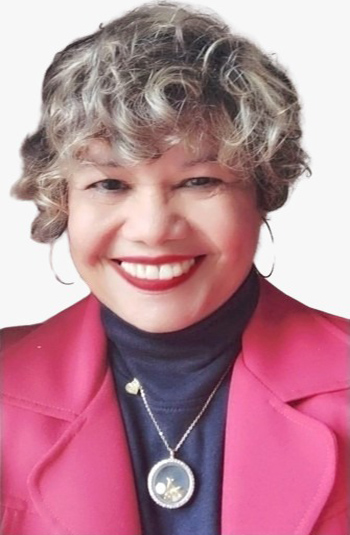
Hoy nos sumergiremos en una temática fascinante y profundamente humana: la Teoría Biopsicomusical. ¿Qué sucede cuando la biología, la psicología y la música se entrelazan para potenciar el desarrollo del ser humano? ¿Cómo puede este enfoque revolucionar la educación, la salud emocional y el crecimiento personal?
Today we dive into a fascinating and deeply human topic: the Biopsychomusical Theory. What happens when biology, psychology, and music intertwine to enhance human development? How can this approach revolutionize education, emotional health, and personal growth?
En el vasto universo de las teorías educativas y terapéuticas, pocas propuestas logran integrar cuerpo, emoción y mente de forma tan armónica como la teoría biopsicomusical. En esta entrevista exclusiva, el Dr. Yixon nos guía por los fundamentos de este enfoque innovador que redefine cómo aprendemos y cómo podemos sanar. Para responder a estas preguntas, nos acompaña un especialista que ha dedicado su vida a investigar y aplicar esta teoría en diversos contextos
In the vast universe of educational and therapeutic theories, few proposals manage to integrate body, emotion, and mind in such a harmonious way as the biopsychomusical theory. In this exclusive interview, Dr. Yixon guides us through the fundamentals of this innovative approach that redefines how we learn and how we can heal. To answer these questions, we are joined by a specialist who has dedicated his life to researching and applying this theory in various contexts.
Donde el ritmo del cuerpo se encuentra con la melodía de la mente.
Where the rhythm of the body meets the melody of the mind.
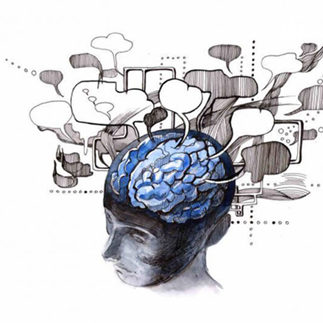
Qué es la Teoría Biopsicomusical: Según el Dr. Yixon, el aprendizaje biopsicomusical se basa en la integración simbiótica de tres tipos de aprendizaje:
What is the Biopsychomusical Theory: According to Dr. Yixon, biopsychomusical learning is based on the symbiotic integration of three types of learning:
- Biocognitivo o bioarmónico: centrado en los procesos mentales y cognitivos. Biocognitive or bioharmonic: focused on mental and cognitive processes.
- Biomotor o biorítmico: vinculado al movimiento y la coordinación física. Biomotor or biorhythmic: linked to physical movement and coordination.
- Bioemocional o biomelódico: relacionado con las emociones y su expresión. Bioemotional or biomelodic: related to emotions and their expression.
Actualmente dirige el Equipo de Integración de Anzoátegui, el Centro de Tendencias Educativas, y es tutor universitario. También cofundó Avantis Health, unidad médica enfocada en salud e inclusión.
Es creador de la teoría Biopsicomusical del Aprendizaje y promotor de la integración biopsicosocial de personas con necesidades educativas especiales.
He currently directs the Anzoátegui Integration Team, the Center for Educational Trends, and is a university tutor. He also co-founded Avantis Health, a medical unit focused on health and inclusion. He is the creator of the Biopsychomusical Learning Theory and promoter of the biopsychosocial integration of people with special educational needs.
La fusión simultánea de estas tres líneas genera un cuarto tipo de aprendizaje: el biometarmónico, que representa la mente y sus procesos. Este modelo explica cómo aprenden las personas neurotípicas cuando los tres aprendizajes se activan a la vez, y cómo lo hacen los individuos con neurodivergencias cuando se activan en secuencia o con desfase temporal.
He is the creator of the Biopsychomusical Learning Theory and promoter of the biopsychosocial integration of people with special educational needs. The simultaneous fusion of these three lines generates a fourth type of learning: the biometarmonic, which represents the mind and its processes. This model explains how neurotypical people learn when the three learnings are activated at the same time, and how individuals with neurodivergences do so when they are activated in sequence or with a time lag.
Hacemos un paréntesis para dar a conocer quien es nuestro invitado / We take a parenthesis to introduce our guest:
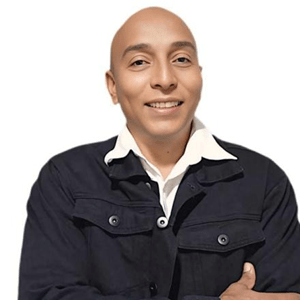
Yixon José Martínez es un profesional venezolano con amplia experiencia en educación, cultura e inclusión social. Posee una sólida formación académica como Profesor de Educación Integral y Especial, Magíster en Ciencias con mención en Orientación de la Conducta, y Doctor en Ciencias Educativas. Ha realizado estudios musicales en ejecución de instrumentos, teoría y solfeo, participando en talleres especializados. Es fundador de la Fundación Cultural “Aurora Arreaza Monagas” y director de agrupaciones musicales escolares.
Yixon José Martínez is a Venezuelan professional with extensive experience in education, culture, and social inclusion. He has a solid academic background as a Teacher in Integral and Special Education, Master’s in Sciences with a mention in Behavioral Guidance, and Doctor in Educational Sciences. He has pursued musical studies in instrument performance, theory, and solfège, participating in specialized workshops. He is the founder of the “Aurora Arreaza Monagas” Cultural Foundation and director of school musical groups.
Actualmente dirige el Equipo de Integración de Anzoátegui, el Centro de Tendencias Educativas, y es tutor universitario. También cofundó Avantis Health, unidad médica enfocada en salud e inclusión.
Es creador de la teoría Biopsicomusical del Aprendizaje y promotor de la integración biopsicosocial de personas con necesidades educativas especiales.
He currently directs the Anzoátegui Integration Team, the Center for Educational Trends, and is a university tutor. He also co-founded Avantis Health, a medical unit focused on health and inclusion. He is the creator of the Biopsychomusical Learning Theory and promoter of the biopsychosocial integration of people with special educational needs.
Un enfoque ecléctico y ecológico / An eclectic and ecological approach
La teoría biopsicomusical no nace de una sola corriente, sino de una síntesis entre el conductismo, el constructivismo y los avances recientes en neurociencia. “Es una visión ecológica del aprendizaje”, afirma Yixon, quien desarrolló esta propuesta como parte de su tesis doctoral en Venezuela en 2019. Su objetivo: crear ecosistemas de aprendizaje donde cuerpo, emoción y mente se entrelacen de forma natural.
The biopsychomusical theory does not arise from a single current, but from a synthesis between behaviorism, constructivism, and recent advances in neuroscience. “It is an ecological vision of learning,” affirms Yixon, who developed this proposal as part of his doctoral thesis in Venezuela in 2019. Its objective: to create learning ecosystems where body, emotion, and mind intertwine naturally.
¿Es necesario ser músico para aplicarla? / Is it necessary to be a musician to apply it?
Una de las preguntas más frecuentes entre docentes es si deben tener formación musical para implementar esta teoría. La respuesta es no. El término “biopsicomusical” no se refiere a la música como disciplina artística, sino como metáfora de la armonía natural del aprendizaje. Cualquier educador puede aplicar este enfoque para perfeccionar técnicas y desarrollar habilidades, sin necesidad de ser músico. “La música es una manifestación cultural; la biopsicomusicalidad es una expresión de la naturaleza”, explica Yixon.
One of the most frequent questions among teachers is whether they need musical training to implement this theory. The answer is no. The term “biopsychomusical” does not refer to music as an artistic discipline, but as a metaphor for the natural harmony of learning. Any educator can apply this approach to perfect techniques and develop skills, without needing to be a musician. “Music is a cultural manifestation; biopsychomusicality is an expression of nature,” explains Yixon.
De la teoría a la práctica: casos reales / From theory to practice: real cases
Este enfoque ha demostrado ser eficaz en contextos terapéuticos. El Dr. Yixon ha trabajado con personas con afasia, apraxia motora y dificultades grafomotoras, logrando avances significativos en su rehabilitación. Un ejemplo clave es el tratamiento del lenguaje a través de la respiración. “Sin una corriente de aire en el sistema fonador, no se puede emitir un fonema”, señala. La respiración se aborda como una actividad biomotora, y al entrenarla técnicamente, el cerebro puede crear nuevas rutas energéticas que se transforman en respuestas conscientes y, con la práctica, en reflejos automáticos.
This approach has proven effective in therapeutic contexts. Dr. Yixon has worked with people with aphasia, motor apraxia, and graphomotor difficulties, achieving significant advances in their rehabilitation. A key example is the treatment of language through breathing. “Without an airflow in the phonatory system, a phoneme cannot be emitted,” he points out. Breathing is addressed as a biomotor activity, and by training it technically, the brain can create new energetic pathways that transform into conscious responses and, with practice, into automatic reflexes.
Biopsicomusicalidad: Movimiento, emoción y cognición en armonía
Biopsychomusicality: Movement, emotion, and cognition in harmony
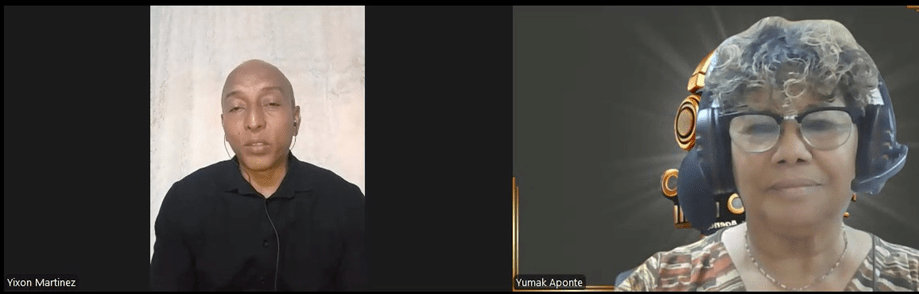
La teoría biopsicomusical no solo propone una nueva forma de entender el aprendizaje, sino que también redefine cómo se integran los elementos biológicos, emocionales y cognitivos en un solo sistema armónico. En esta segunda parte de nuestra entrevista, el Dr. Yixon profundiza en los componentes esenciales de cada dimensión.
The biopsychomusical theory not only proposes a new way of understanding learning, but also redefines how biological, emotional, and cognitive elements are integrated into a single harmonious system. In this second part of our interview, Dr. Yixon delves into the essential components of each dimension. * Movement at all levels: the biological dimension
* Movimiento en todos los niveles: la dimensión biológica / Movement at all levels: the biological dimension
Para Yixon, todo en la vida es movimiento. Desde los macro movimientos del ecosistema terrestre, pasando por los meso movimientos de nuestras acciones cotidianas, hasta los micro movimientos internos como los latidos del corazón o la digestión. Incluso los procesos mentales se consideran nanomovimientos. Esta visión holística del movimiento sustenta el aprendizaje biomotor, que abarca la motricidad en todas sus escalas y conecta directamente con la fisiología del organismo.
For Yixon, everything in life is movement. From the macro movements of the terrestrial ecosystem, through the meso movements of our daily actions, to the micro movements internal like heartbeats or digestion. Even mental processes are considered nanomovements. This holistic vision of movement underpins biomotor learning, which encompasses motor skills at all scales and connects directly with the physiology of the organism.
* Melodía emocional: la dimensión psíquica / Emotional melody: the psychic dimension
La emoción, etimológicamente entendida como “movimiento”, también se manifiesta en niveles sutiles. Según Yixon, existe una “melodía subliminal” que guía a los organismos a través de campos electromagnéticos, generando respuestas emocionales ante estímulos naturales o artificiales. Este aprendizaje bioemocional se basa en reacciones electroquímicas que orientan al individuo hacia respuestas positivas o negativas, moldeando su conducta.
Emotion, etymologically understood as “movement,” also manifests at subtle levels. According to Yixon, there is a “subliminal melody” that guides organisms through electromagnetic fields, generating emotional responses to natural or artificial stimuli. This bioemotional learning is based on electrochemical reactions that orient the individual toward positive or negative responses, shaping their behavior.
* Cognición melódica: la dimensión mental / Melodic cognition: the mental dimension
El aprendizaje biocognitivo se refiere a la capacidad del organismo para identificar y responder a los estímulos que lo rodean. Cuando las tres dimensiones se fusionan, se genera un proceso mental que responde a esa melodía invisible conectada al campo electromagnético de la Tierra. Es una sinfonía interna que organiza la mente desde lo más profundo.
Biocognitive learning refers to the organism’s ability to identify and respond to the stimuli around it. When the three dimensions fuse, a mental process is generated that responds to that invisible melody connected to the Earth’s electromagnetic field. It is an internal symphony that organizes the mind from the deepest level.
La música como puente entre cerebro y emoción
Music as a bridge between brain and emotion
La música, más allá del arte, tiene el poder de activar simultáneamente las tres grandes áreas del cerebro: el cerebelo, el sistema límbico y la neocorteza. Desde la vida intrauterina, el oído —uno de los primeros órganos en desarrollarse— permite al feto responder a estímulos sonoros. Yixon destaca que la calidad del entorno sonoro puede influir en el bienestar del bebé: sonidos agradables relajan, mientras que la contaminación sonora puede generar estrés.
Music, beyond art, has the power to simultaneously activate the three major areas of the brain: the cerebellum, the limbic system, and the neocortex. From intrauterine life, the ear—one of the first organs to develop—allows the fetus to respond to sound stimuli. Yixon highlights that the quality of the sound environment can influence the baby’s well-being: pleasant sounds relax, while noise pollution can generate stress.
Estimulación biopsicomusical en niños y adolescentes
Biopsychomusical stimulation in children and adolescents
La música posee propiedades físicas —duración, altura, intensidad, timbre— que provocan respuestas específicas en los organismos vivos. En contextos educativos, esto permite diseñar entornos sonoros que guíen el comportamiento y potencien el aprendizaje. Tal como ocurre con las bandas sonoras en el cine, la música puede modular emociones y conductas en el aula.
Music possesses physical properties—duration, pitch, intensity, timbre—that provoke specific responses in living organisms. In educational contexts, this allows for designing sound environments that guide behavior and enhance learning. Just as with soundtracks in cinema, music can modulate emotions and behaviors in the classroom.
Inclusión y neurodivergencia: una teoría para todos
Inclusion and neurodivergence: a theory for everyone.

Uno de los aportes más valiosos de la teoría biopsicomusical es su aplicabilidad en educación especial. Yixon explica que las personas con discapacidad aprenden en forma de tríada, es decir, con respuestas motoras, emocionales y cognitivas que no ocurren simultáneamente, sino en distintos tiempos. Para ello, se diseñan actividades que respetan tres tipos de tiempo:
One of the most valuable contributions of the biopsychomusical theory is its applicability in special education. Yixon explains that people with disabilities learn in a triad form, meaning with motor, emotional, and cognitive responses that do not occur simultaneously, but at different times.
- Fisiológico: relacionado con el cuerpo. Physiological: related to the body.
- Cronológico: medido por el reloj. Chronological: measured by the clock.
- Psicológico o cariano: vinculado a la percepción interna del tiempo. Psychological or kairos: linked to the internal perception of time.
Además, se consideran los cambios climatognosféricos —factores ambientales que influyen en el estado del individuo— para adaptar las actividades. En contraste, las personas neurotípicas aprenden con la tríada tonal, donde las tres respuestas se entrelazan al mismo tiempo.
Additionally, climatognospheric changes—environmental factors that influence the individual’s state—are considered to adapt the activities. In contrast, neurotypical people learn with the tonal triad, where the three responses intertwine at the same time.
Más allá del aula: terapias, autoconocimiento y bienestar biopsicomusical
Beyond the classroom: therapies, self-knowledge, and biopsychomusical well-being
La teoría biopsicomusical no se limita al ámbito educativo. Su alcance terapéutico y transformador se extiende a profesionales de la salud, la psicología y el desarrollo humano. En esta última parte de nuestra entrevista, el Dr. Yixon nos invita a explorar cómo esta propuesta puede mejorar la vida de niños, adultos y personas mayores.
The biopsychomusical theory is not limited to the educational field. Its therapeutic and transformative reach extends to health professionals, psychology, and human development. In this last part of our interview, Dr. Yixon invites us to explore how this proposal can improve the lives of children, adults, and older people.
Música como herramienta terapéutica
Music as a therapeutic tool
Yixon hace un llamado a los especialistas a no subestimar el poder de la música. A menudo relegada a lo recreativo o a las primeras etapas del desarrollo, la música posee principios y propiedades capaces de:
Yixon calls on specialists not to underestimate the power of music. Often relegated to the recreational or to the early stages of development, music possesses principles and properties capable of:
- Modificar conductas Modifying behaviors
- Corregir patrones de movimiento Correcting movement patterns
- Estimular procesos cognitivos de alto nivel Stimulating high-level cognitive processes.
La teoría biopsicomusical propone una visión ecológica del aprendizaje, inspirada en cómo aprenden los organismos vivos sin necesidad de escuelas. “Los árboles, las tortugas, las mariposas monarca… todos aprenden de forma biopsicomusical”, afirma Yixon. Esta perspectiva invita a los profesionales a indagar y conocer una nueva corriente psicológica en servicio de la humanidad.
The biopsychomusical theory proposes an ecological vision of learning, inspired by how living organisms learn without the need for schools. “Trees, turtles, monarch butterflies… all learn in a biopsychomusical way,” affirms Yixon. This perspective invites professionals to investigate and learn about a new psychological current in service of humanity.
Aprendizaje en adultos y adultos mayores
Learning in adults and older adults.

El aprendizaje no termina con la juventud. Según Yixon, “la única premisa para seguir aprendiendo es estar vivo”. Para los adultos mayores, la teoría ofrece técnicas erontológicas adaptadas a su desarrollo vital..
Learning does not end with youth. According to Yixon, “the only premise for continuing to learn is to be alive.” For older adults, the theory offers erontological techniques adapted to their life development.
Aunque se pierdan habilidades motoras, emocionales y cognitivas, es posible….
Although motor, emotional, and cognitive skills may be lost, it is possible….
- Recuperar patrones de movimiento (como la respiración consciente) To recover movement patterns (such as conscious breathing)
- Identificar y ajustar estímulos sonoros que generan estrés Identify and adjust sound stimuli that generate stress
- Reconectarse con el entorno a través de los campos electromagnéticos y la fuerza de gravedad Reconnect with the environment through electromagnetic fields and the force of gravity.
Este enfoque se basa en el estadio alterno de la teoría, llamado simbiosis cosmológica, que considera cómo las fuerzas naturales influyen en el aprendizaje y el bienestar.
This approach is based on the alternate stage of the theory, called cosmological symbiosis, which considers how natural forces influence learning and well-being.
Estimulación biopsicomusical en todas las etapas / Biopsychomusical stimulation in all stages
La música posee propiedades físicas —duración, altura, intensidad, timbre— que provocan respuestas específicas en los organismos vivos. Esto permite diseñar entornos sonoros que guíen el comportamiento y potencien el aprendizaje. La teoría propone técnicas específicas para cada etapa:
Music possesses physical properties—duration, pitch, intensity, timbre—that provoke specific responses in living organisms. This allows for designing sound environments that guide behavior and enhance learning. The theory proposes specific techniques for each stage:
| ETAPA/ STAGE | TÉCNICAS APLICADAS/ APPLIED TECHNIQUES |
|---|---|
| Vida intrauterina intrauterine life | Estimulación sonora en vacío, canciones suaves Sound stimulation in a vacuum, soft songs |
| Primera infancia Early childhood | Técnicas pedagógicas para desarrollo motor, emocional y cognitivo Pedagogical techniques for motor, emotional and cognitive development |
| Adolescencia Adolescence | Métodos para canalizar emociones y fortalecer el pensamiento Methods for channeling emotions and strengthening thinking |
| Adultez Adulthood | Técnicas andragógicas adaptadas al estilo de aprendizaje adulto Andragogical techniques adapted to the adult learning style |
| Adulto mayor Older adult | Ejercicios conscientes y estimulación sonora personalizada Mindful exercises and personalized sound stimulation |
Proyectos con propósito: sembrando armonía para el futuro
Projects with purpose: sowing harmony for the future
Para el Dr. Yixon, la teoría biopsicomusical no es solo una propuesta académica, sino una misión de vida. Actualmente, su equipo trabaja en la formación de niños y adultos en diversas áreas, con el objetivo de fomentar un desarrollo integral basado en esta visión ecológica y armónica del aprendizaje.
For Dr. Yixon, the biopsychomusical theory is not just an academic proposal, but a life mission. Currently, his team works on training children and adults in various areas, with the objective of fostering integral development based on this ecological and harmonious vision of learning.
Desde su sede en Avanti Health, en Lechería (estado Anzoátegui, Venezuela), impulsa actividades presenciales y virtuales, y comparte contenido educativo a través de redes sociales como TikTok bajo el nombre “Teoría Biopsico-Musical”. Su sueño es que en el futuro existan ecosistemas de aprendizaje en todo el mundo, donde la vida se desarrolle en equilibrio con su entorno.
From his headquarters at Avanti Health, in Lechería (Anzoátegui state, Venezuela), he promotes in-person and virtual activities, and shares educational content through social networks like TikTok under the name “Teoría Biopsico-Musical.” His dream is that in the future there will be learning ecosystems around the world, where life develops in balance with its environment.
Entre acordes, emociones y ciencia, la teoría biopsicomusical
Between chords, emotions, and science, the biopsychomusical theory
Nos recuerda que somos seres profundamente conectados con el sonido. Que la música no solo se escucha: se siente, se vive y se transforma en un puente hacia el bienestar.
Reminds us that we are beings deeply connected with sound. That music is not only heard: it is felt, lived, and transformed into a bridge toward well-being.
Agradecemos al Dr. Yixon por compartir su visión y a ti, lector, por abrir tu mente y tu corazón a nuevas formas de comprender el crecimiento humano. Que esta melodía de conocimiento siga expandiéndose, inspirando a más personas a vivir en sintonía con su naturaleza.
We thank Dr. Yixon for sharing his vision and you, reader, for opening your mind and heart to new ways of understanding human growth. May this melody of knowledge continue to expand, inspiring more people to live in tune with their nature.
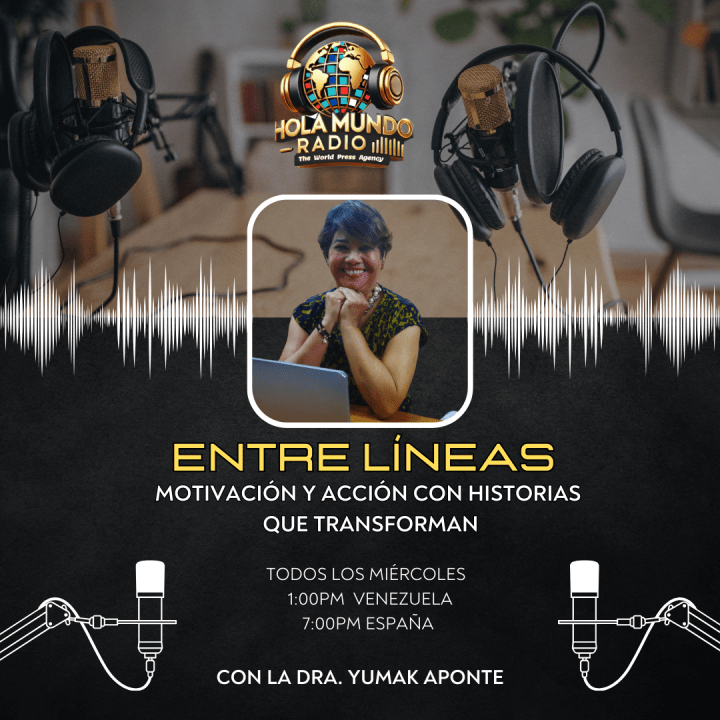
Nota: También estamos en radio. Sintoniza todos los Miércoles en HOLA MUNDO online radiotv+ este gran programa, haciendo click aqui: https://holamundoonlineradio.wixsite.com/holamundoonlineradio «Entre Líneas: Motivación en acción con Historias que transforman» a las 19:00 PM HORAS ESPAÑA.
Note: We are also on the radio. Tune in every Wednesday to HOLA MUNDO online radio for this great program by clicking here: https://holamundoonlineradio.wixsite.com/holamundoonlineradio «Between the Lines: Motivation in Action with Transforming Stories» at 7:00 PM Spanish Time.
Descubre más desde LA AGENCIA MUNDIAL DE PRENSA
Suscríbete y recibe las últimas entradas en tu correo electrónico.

