
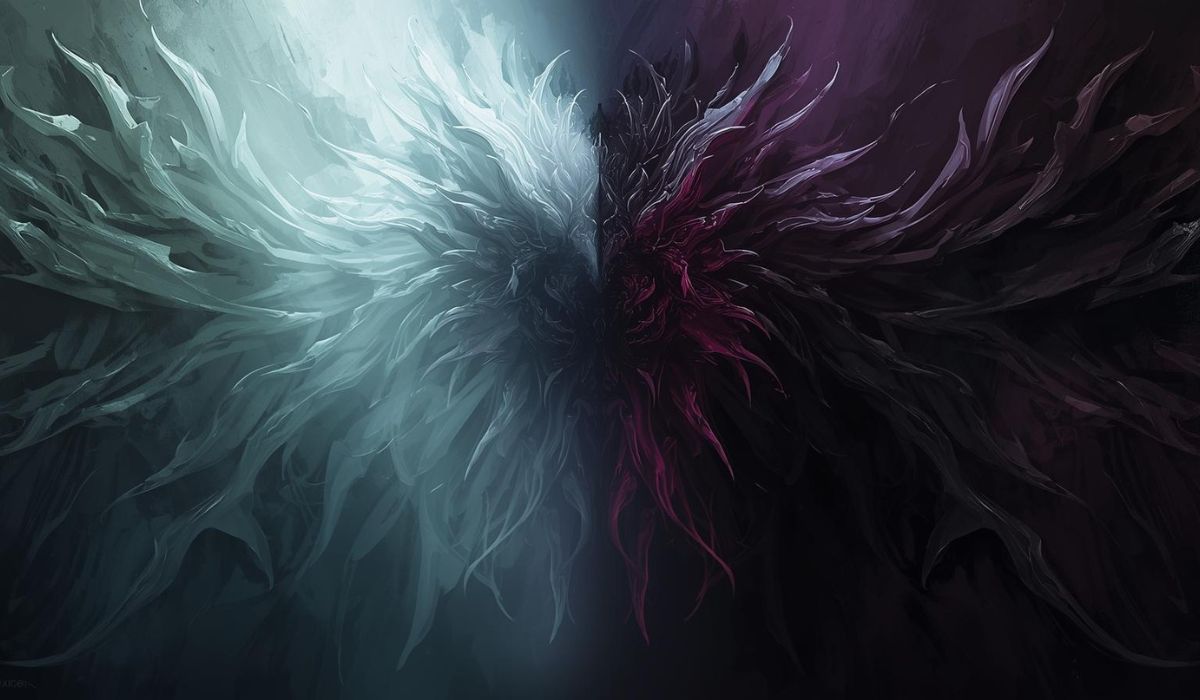
From ascent to the abyss: the metamorphosis of the Gothic, from light to darkness

Nacido como arte de luz en la Edad Media, el gótico fue rebautizado como “bárbaro” y siglos después se convirtió en símbolo de misterio, melancolía y oscuridad. Una historia de metamorfosis estética y espiritual.
Born as an art of light in the Middle Ages, Gothic was rebranded as «barbaric» and centuries later became a symbol of mystery, melancholy, and darkness. A story of aesthetic and spiritual metamorphosis.
El arte gótico nació como un canto de luz. Entre los siglos XII y XVI, las catedrales se elevaron al cielo con arcos apuntados, bóvedas de crucería y vitrales que teñían de colores las piedras. Cada rayo de sol que atravesaba sus vidrieras era una metáfora de ascensión espiritual: lo divino descendía para encontrarse con lo humano.
Gothic art was born as a song of light. Between the 12th and 16th centuries, cathedrals rose to the heavens with pointed arches, ribbed vaults, and stained-glass windows that tinged the stones with color. Each ray of sunlight that pierced their windows was a metaphor for spiritual ascension: the divine descending to meet the human.

Pero el nombre “gótico” no fue amable. Los renacentistas lo usaron como insulto, asociándolo con lo “bárbaro” frente a la pureza del clasicismo. Así, el esplendor luminoso quedó marcado con la huella de lo extraño, lo decadente y lo sombrío.
But the name «Gothic» was not a kind one. The Renaissance used it as an insult, associating it with the «barbaric» in contrast to the purity of Classicism. Thus, the luminous splendor was marked by the strange, the decadent, and the gloomy.
Siglos después, el Romanticismo rescató esas ruinas medievales. Castillos en penumbra, torres ennegrecidas, cementerios cubiertos de hiedra: allí encontraron misterio, melancolía y un nuevo lenguaje estético. El gótico resurgió, ya no como luz celestial, sino como sombra poética: inspiración de literatura, en música de lo fúnebre y en moda del duelo cargadas de nocturnidad. Y es que el gótico, nunca dejó de ser un puente entre lo humano y lo eterno, entre la luz y la sombra.
Centuries later, Romanticism rescued those medieval ruins. Darkened castles, blackened towers, ivy-covered cemeteries: there they found mystery, melancholy, and a new aesthetic language. Gothic art resurfaced, no longer as celestial light, but as poetic shadow: inspiration for literature, funeral music, and mourning fashions steeped in nocturnality. Gothic art never ceased to be a bridge between the human and the eternal, between light and shadow.
Hoy, la cultura gótica evoca estética oscura, poesía maldita y música melancólica. Sin embargo, en su origen, fue un arte de transparencia y espiritualidad. Esa doble naturaleza —luz y sombra, elevación y abismo— revela que el gótico nunca murió, solo mutó. De vitral a ruina, de plegaria a susurro nocturno, de ascensión a descenso. Un mismo nombre, dos rostros: el del cielo que se abre y el de la oscuridad que nos envuelve.
Today, Gothic culture evokes dark aesthetics, cursed poetry, and melancholic music. However, at its origin, it was an art of transparency and spirituality. This dual nature—light and shadow, elevation and abyss—reveals that Gothic never died, it only mutated. From stained glass to ruin, from prayer to nocturnal whisper, from ascension to descent. One name, two faces: that of the heavens that open and that of the darkness that envelops us.
Un espejo de la condición humana: siempre oscilando entre la claridad y la penumbra.
A mirror of the human condition: always oscillating between clarity and darkness.
Descubre más desde LA AGENCIA MUNDIAL DE PRENSA
Suscríbete y recibe las últimas entradas en tu correo electrónico.

