

«Sowing the Future: Green Education for a Sustainable Planet»

COLUMNISTA
En un mundo donde los efectos del cambio climático y la degradación ambiental son cada vez más evidentes, la educación verde se convierte en una semilla de esperanza para un futuro sostenible. No se trata solo de transmitir conocimientos sobre el medio ambiente, sino de formar ciudadanos conscientes, responsables y comprometidos con la protección de nuestro planeta.
In a world where the effects of climate change and environmental degradation are increasingly evident, green education becomes a seed of hope for a sustainable future. It’s not just about transmitting knowledge about the environment, but also about developing conscious, responsible, and committed citizens who protect our planet.
"Educar para cuidar, transformar y preservar:
el camino hacia un mundo más verde."
"Educate to care, transform, and preserve:
the path to a greener world."
Sembrar futuro a través de la educación verde implica integrar valores ecológicos en la enseñanza, promoviendo prácticas sostenibles desde la infancia. Desde la reducción del consumo, el reciclaje y el uso responsable de los recursos, hasta la innovación en energías limpias y la preservación de la biodiversidad. Más allá de las aulas, la educación ambiental inspira acciones cotidianas que generan un impacto positivo en nuestra sociedad y el entorno.
Sowing the future through green education involves integrating ecological values into teaching, promoting sustainable practices from childhood. From reducing consumption, recycling, and the responsible use of resources, to innovation in clean energy and the preservation of biodiversity. Beyond the classroom, environmental education inspires everyday actions that generate a positive impact on our society and the environment.
Cada aprendizaje sobre la naturaleza es una oportunidad para fortalecer el vínculo entre el ser humano y su hábitat. En un planeta donde cada decisión cuenta, educar para la sostenibilidad es el camino hacia un mundo más equilibrado, consciente y respetuoso con la vida en todas sus formas. No solo estamos sembrando conocimiento, sino cultivando una nueva generación de agentes de cambio, capaces de transformar el presente y construir un mañana más verde y justo para todos.
Every lesson learned about nature is an opportunity to strengthen the bond between humans and their habitat. On a planet where every decision counts, educating for sustainability is the path to a more balanced, conscious, and respectful world for life in all its forms. We are not only sowing knowledge, but also cultivating a new generation of agents of change, capable of transforming the present and building a greener and more just tomorrow for all.
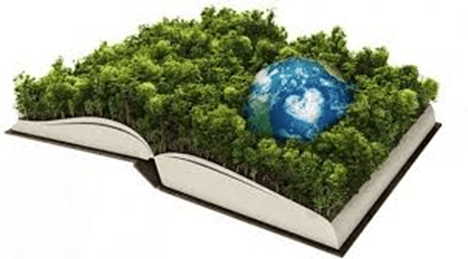
La educación verde
equipa a los estudiantes  con los conocimientos,  habilidades
y valores necesarios  para afrontar
los desafíos ambientales
del futuro
y tomar
decisiones informadas.
Green education equips students with the knowledge, skills, and values necessary to face the environmental challenges of the future and make informed decisions.
Para conversar sobre la temática entrevistamos al especialista Profesor Alejandro Fonseca.
To discuss the topic, we interviewed specialist Professor Alejandro Fonseca.

Un destacado académico y experto en ciencias sociales, con una amplia trayectoria en educación e investigación. Actualmente, se desempeña como Profesor Universitario y jefe del Área de Historia en el Departamento de Ciencias Sociales del IPMAR-UPEL. Su compromiso con la enseñanza y la investigación lo ha llevado a profundizar sus estudios en el ámbito cultural, siendo candidato a Doctor en Cultura Latinoamericana y Caribeña por la UPEL.
A distinguished academic and expert in social sciences, he has extensive experience in education and research. He currently serves as a University Professor and Head of the History Department in the Department of Social Sciences at IPMAR-UPEL. His commitment to teaching and research has led him to further his studies in the cultural field, and he is a PhD candidate in Latin American and Caribbean Culture at UPEL.
Cuenta con una sólida formación académica, ostentando el título de Magíster en Educación, mención Geografía, y desempeñándose como docente en los programas de posgrado de Geografía e Historia. Su vocación investigadora lo ha llevado a ser miembro activo de reconocidas instituciones académicas, como el Centro Internacional Miranda y el Núcleo de Investigaciones Geoaula, además de haber sido fundador del Círculo de Lectura y Estudio Angostura 2019, un espacio de reflexión y análisis crítico.
He has a solid academic background, holding a Master’s degree in Education, with a focus on Geography, and serving as a professor in graduate programs in Geography and History. His research vocation has led him to be an active member of renowned academic institutions, such as the Miranda International Center and the Geoaula Research Center. He is also the founder of the Angostura 2019 Reading and Study Circle, a space for reflection and critical analysis.
Más allá, de su labor docente e investigativa, el Profesor Fonseca también ha estado comprometido con el desarrollo de políticas educativas y ambientales, ejerciendo el rol de Coordinador Regional de Formación del Partido Verde de Venezuela. Con una trayectoria de 19 años en el Subsistema de Educación Media General, ha demostrado un firme compromiso con la formación de nuevas generaciones y la promoción de una educación sostenible. Su conocimiento, experiencia y dedicación hacen de él un referente en la enseñanza de la historia y la geografía, así como en la construcción de propuestas educativas alineadas con el desarrollo sostenible y la cultura latinoamericana.
Beyond his teaching and research, Professor Fonseca has also been committed to the development of educational and environmental policies, serving as Regional Training Coordinator for the Green Party of Venezuela. With a 19-year career in the General Secondary Education Subsystem, he has demonstrated a firm commitment to the training of new generations and the promotion of sustainable education. His knowledge, experience, and dedication make him a leading figure in the teaching of history and geography, as well as in the development of educational proposals aligned with sustainable development and Latin American culture.
"Educar hoy para cosechar un mañana verde,
donde la sostenibilidad sea el legado de cada generación."
«Educate today to harvest a green tomorrow, where sustainability is the legacy of each generation.»
_YA: Bueno Alejandro un placer tenerte aquí en nuestro programa, ¿qué es la educación verde y porque es tan importante en la actualidad? Well, Alejandro, it’s a pleasure to have you here on our program. What is green education and why is it so important today?
_Alejandro: Bueno, hay una definición de la cultura y de la educación verde que está muy cuestionado hoy en el mundo y eso debemos tenerlo muy en cuenta y tener mucha claridad al respecto, la educación verde en el mundo lo que llamaríamos, por ejemplo, la educación ambiental se remite simple y llanamente a ámbitos descriptivos y sobre todo de algunas problemáticas socio naturales en el planeta, pero no acarrea un nivel de compromiso y de acción más allá de las que impide el mismo sistema, o en este caso vamos a llamarlo por su nombre el sistema moderno económico colonial capitalista, es decir, esta educación verde en las instancias educativas por ejemplo se remite a algunas asignaturas, se remite a instancias procedimentales sin ningún ápice sin ningún tipo de compromiso con las transformaciones y que se comprometa con las grandes transformaciones del sistema, por supuesto estamos en un mundo en que ya el tema ambiental es una emergencia, una gran necesidad y lamentablemente los sistemas educativos en el mundo están prácticamente de espalda a esta emergencia, seguimos anclaos a unas coordenadas epistemológicas a una coordenadas culturales, a unas coordenadas científicas y filosóficas instadas del siglo 19, nuestro comportamiento antropocéntrico, no nos deja ver y dialogar con lo que llamaríamos ese soporte natural, la pacha mama lo que sería la madre naturaleza, en este caso la educación verde o la educación ambiental debe dar 3 o 4 o 5 pasos más adelante.
_Alejandro: Well, there is a definition of green culture and education that is highly questioned in the world today and we must take this into account and be very clear about it, green education in the world, what we would call, for example, environmental education, refers simply and plainly to descriptive areas and above all to some socio-natural problems on the planet, but it does not entail a level of commitment and action beyond those prevented by the system itself, or in this case we are going to call it by its name, the modern colonial economic capitalist system, that is to say, this green education in educational institutions, for example, refers to some subjects, it refers to procedural instances without any iota of commitment to the transformations and that is committed to the great transformations of the system, of course we are in a world in which the environmental issue is already an emergency, a great need and unfortunately the educational systems in the world are practically turning their backs on this emergency, we remain anchored to epistemological coordinates, to cultural coordinates, to scientific and philosophical coordinates urged from the 19th century, our anthropocentric behavior does not allow us to see and dialogue with what we would call that natural support, Pacha Mama, which would be Mother Nature, in this case green education or environmental education must take 3 or 4 or 5 steps further.
Precisamente para resguardar lo que son las condicionantes de vida de las futuras generaciones, ahí observamos por ejemplo como ya la organización de naciones unidas, el programa para el desarrollo de las naciones unidas el ultimo, ya han impulsado lo que es la agenda 30, debemos revisarla debemos cuestionarla, dialogarla, porque, resulta y acontece que estamos a 5 años de esa agenda y lamentablemente todas las agendas todos los objetivos que se han venido impulsando de estas instancias multilaterales sobre todo en 1992 han quedado allí, han quedado en letra modesta, entonces parece ser o pareciera que la humanidad desde su sistema institucional, internacional, multilateral, desde los estados nacionales desde sus ministerios desde todas sus instituciones, no hacen caso a este tipo de llamados o llamamientos a lo que es la reflexión y las acciones concretas con respecto a la naturaleza.
Precisely to safeguard what are the conditions of life of future generations, there we observe for example how the United Nations Organization, the United Nations Development Program, the latest, has already promoted what is Agenda 30, we must review it, we must question it, dialogue about it, because, it turns out and it happens that we are 5 years away from that agenda and unfortunately all the agendas all the objectives that have been promoted by these multilateral bodies, especially in 1992, have remained there, have remained in modest print, so it seems to be or it would seem that humanity, from its institutional, international, multilateral system, from the national states, from their ministries, from all their institutions, do not pay attention to this type of calls or calls for reflection and concrete actions with respect to nature.
«La educación verde es la llave para un planeta resiliente.»
«Green education is the key to a resilient planet.»
Estamos en un momento bastante crítico, yo diría que según algunos expertos, que estamos entrando en una fase de no retorno o en un punto de no retorno y eso es muy grave, el calentamiento climático o el cambio climático se está tornando inminente ya la función de los hielos en el norte en el sur en los casquetes polares en los glaciares sudamericanos en el caso de Venezuela hemos perdido ya el glacial Humboldt hemos perdido algunas nieves que antes se consideraban perpetuas, ya no son perpetuas, entonces ya el cambio se está dando y estamos entrando en ese punto de no retorno para nuestra civilización, la educación entonces es importante, pero nosotros tenemos que entonces cambiar los paradigmas pedagógicos educativos, epistemológicos y a buscarlos más hacia la concreción curricular, la concreción educativa pedagógica que esté conectada esencialmente y fundamentalmente con la esencia de la reproducción de la vida, no solamente humana sino de toda la vida planetaria
We are at a very critical moment, I would say according to some experts, that we are entering a phase of no return or a point of no return and that is very serious, global warming or climate change is becoming imminent, the function of the ice in the north, in the south, in the polar ice caps, in the South American glaciers, in the case of Venezuela, we have already lost the Humboldt glacier, we have lost some snow that was previously considered perpetual, they are no longer perpetual, so the change is already taking place and we are entering that point of no return for our civilization, education is therefore important, but we have to change the educational and epistemological paradigms and look for them more towards curricular concretion, educational pedagogical concretion that is essentially and fundamentally connected with the essence of the reproduction of life, not only human but of all planetary life.
_Y. A: ¿Cómo influye la educación ambiental en la formación de ciudadanos responsables con el planeta? How does environmental education influence the development of citizens who are responsible for the planet?
_Alejandro: así es por supuesto se necesita una nueva noción de ciudadanía no podemos seguir anclados a las coordenadas de la ciudadanía liberal, esa ciudadanía heredada del siglo 18 del siglo 19 ya nuestra ciudadanía es planetaria más que nacional, donde la ciudadanía, que no está anclado solamente a las lógicas epistemológicas de la sociedad burguesa liberal y por supuesto de la ciudad y de la urbanidad sino que entendemos una nueva ciudadanía ahora si desde unas nuevas coordenadas desde la selva, la sierra, los llanos, ciudades, barrios, comunas y que por supuesto es una ciudadanía que se ancla en sus coordenadas ya no universales sino «pluriuniversales», y esa pluriuniversalidad es amplia y extensiva hacia la naturaleza como se entiende un ciudadano liberal frente al hecho de la naturaleza, hemos visto que ese proyecto de la modernidad liberal, se ha acabado, se ha desvitalizado, incluso desmovilizado, necesitamos ciudadanos que se aboquen al resguardo de su soporte natural, porque no queda otra alternativa.
_Alejandro: that’s right, of course, a new notion of citizenship is needed, we cannot remain anchored to the coordinates of liberal citizenship, that citizenship inherited from the 18th century, from the 19th century, our citizenship is now planetary rather than national, where citizenship, which is not anchored only to the epistemological logic of liberal bourgeois society and of course of the city and urbanity, but we understand a new citizenship now from new coordinates from the jungle, the mountains, the plains, cities, neighborhoods, communes and which of course is a citizenship that is anchored in its coordinates no longer universal but «pluriuniversal», and this pluriuniversality is broad and extensive towards nature, as a liberal citizen understands himself in the face of the fact of nature, we have seen that this project of liberal modernity has ended, it has been devitalized, even demobilized, we need citizens who dedicate themselves to the protection of their natural support, because there is no other alternative.
Estamos en el año 2025 y por supuesto nos queda 20, 25, 30 años, que se van a dar unos cambios mucho más dramáticos, el proceso de calentamiento se está dando a unos pasos vertiginosos sobre todo en la gran cuenca amazónica en la parte centro norte de sur América que sería Venezuela en este caso donde habito, la temperatura la sensación térmica en este caso, es tremenda y cada año que pasa los termómetros siguen elevándose. Vemos por ejemplo, esta informaciones estadísticas como entonces la temperatura en los últimos 100 años en los últimos 200 años, de proceso de revolución industrial en el mundo occidental se ha dado de una manera tan exponencial, que nos lleva a reflexionar, debemos detenernos, hacer una pausa en el modelo económico de producción y yo diría de destrucción de la naturaleza que es llevado a cabo por el sistema económico internacional, que se está instado culturalmente por una modernidad que le da un fundamento ontológico, también tratarlo en los términos de un proceso de descolonización epistemológico.
We’re in the year 2025, and of course, we have 20, 25, 30 years left, in which much more dramatic changes are going to occur. The global warming process is proceeding at a dizzying pace, especially in the great Amazon basin in the north-central part of South America, which would be Venezuela in this case, where I live. The temperature, the thermal sensation in this case, is tremendous, and every year that passes, the thermometers continue to rise. We see, for example, this statistical information, like the temperature over the last 100 years, over the last 200 years, of the process of industrial revolution in the Western world, which has occurred in such an exponential manner, that it leads us to reflect. We must stop, pause, in the economic model of production and, I would say, of destruction of nature that is carried out by the international economic system, which is being culturally urged by a modernity that gives it an ontological foundation. We must also treat it in terms of a process of epistemological decolonization.
Debemos revisar esos referentes de progreso de desarrollo que hemos heredado durante el siglo XX y que en nada nos han servido sino para meras estadísticas, meros indicadores de bienestar de desarrollo y lo peor que no se traduce en lo concreto de la vida material donde por ejemplo los animales silvestres de la amazonia, de los bosques húmedos, de nuestros llanos, etc. Se han visto altamente afectados como corporalidades sufrientes, que nos está llevando a una extinción sistemática, están acabándose los biomas, están acabándose los habitad mientras que entonces se da un proceso incesante de acumulación económica que nos dicen que estamos bien y resulta ser que no estamos tan bien porque entonces nuestro soporte de vida está fracturándose se está fragmentando está cayendo en un proceso de desvitalización sistemático y eso tenemos que reflexionarlo sobre todo para las futuras generaciones, el problema del agua es agobiante.
We must review those benchmarks of development progress that we inherited during the 20th century and that have served us in no way but as mere statistics, mere indicators of development well-being and the worst thing is that they do not translate into the concrete of material life where, for example, wild animals of the Amazon, of the humid forests, of our plains, etc. They have been highly affected as suffering corporalities, which is leading us to a systematic extinction, biomes are ending, habitats are ending while then there is an incessant process of economic accumulation that tells us that we are fine and it turns out that we are not so well because then our life support is fracturing, it is fragmenting, it is falling into a process of systematic devitalization and we have to reflect on this above all for future generations, the water problem is overwhelming.

_Y. A: la idea de esos programas Alejandro es educar, informar a los jóvenes a todo el ciudadano, qué papel juegan las escuelas y las universidades para la práctica sostenible. The idea of these programs, Alejandro, is to educate and inform young people and all citizens about the role schools and universities play in sustainable practices
_Alejandro: bueno, las universidades o los sistemas educativos para ser más específicos deben revisarse, sus estructuras curriculares, estamos en tiempo donde los perentorio, lo necesario es crear profesional para ofrecer como mano de obra barata profesional etc. En el marco de un proceso económico de industrialización y empresarial necesitamos un sistema educativo que se aboque para la conservación en función de los objetivos de conservación de la vida toda, porque entendemos primeramente que la vida es la esencia, es la base, es el fundamento ontológico de toda la praxis humana a partir de allí, se levante todo el edificio de la civilización humana de lo contrario que haríamos por ejemplo con ir a una universidad y profesionalizar abogados, doctores, economistas, maestros pero de espaldas a estos criterios se debe cambiar sus estructuras, hay programas pero son insuficientes, sobre todo en Venezuela por ejemplo encontramos las grandes misiones que conciernen al ambiente, sin embargo, insistimos en que hay un horizonte paradigmático que siguen todas estas instituciones y que lamentablemente terminan ancladas a los mismos elementos y objetivos civilizatorias de la modernidad.
_Alejandro: Well, universities or educational systems to be more specific must be reviewed, their curricular structures, we are in a time where it is peremptory, what is necessary is to create professionals to offer as cheap professional labor etc. Within the framework of an economic process of industrialization and entrepreneurship we need an educational system that focuses on conservation based on the objectives of conservation of all life, because we understand first of all that life is the essence, it is the base, it is the ontological foundation of all human praxis from there, the entire edifice of human civilization is raised otherwise what would we do for example by going to a university and professionalizing lawyers, doctors, economists, teachers but turning their backs on these criteria their structures must be changed, there are programs but they are insufficient, especially in Venezuela for example we find the great missions that concern the environment however, we insist that there is a paradigmatic horizon that all these institutions follow and that unfortunately end up anchored to the same civilizing elements and objectives of modernity.
Ojo con el concepto de modernidad, el concepto de modernidad que yo estoy planteando acá es un concepto anclado en las coordenadas coloniales del eurocentrismo y del occidentalismo en este caso son coordenadas que están de espalda a la naturaleza, entonces aquí tenemos por ejemplo a la epistemología originaria de nuestros pueblos indígenas no estoy diciendo que tenemos que ser como nuestros indígenas pero si debemos resguardar un respeto, es esencial respetar la vitalidad de la pacha mama de la madre tierra de la madre toda, por qué, porque ahí se resguarda el oxígeno ahí se resguarda la reproducción orgánica, la reproducción del agua, los ciclos hídricos, el clima y por supuesto es donde las universidades y los sistemas educativos a nivel de sus programaciones curriculares deben determinarse, con el ambiente bastante centrado en el currículo es decir, como tratamos a la tierra, al agua, al viento, a las plantas, a las especies, a las hormigas, a las abejas, las abejas que están hoy que es el día mundial de las abejas es decir, como tratamos a los insectos, entonces no es el hombre y por aquello que tiene una carga increíblemente patriarcal y machista, pero no es el hombre del siglo XIX, es la humanidad, es el hombre la mujer los niños las niñas los ancianos los adultos mayores que se deben comprometer en la construcción de un nuevo modelo educativo que debe ser constantemente actualizado porque si no entonces estaríamos en el campo de un proceso improductivo ideológico en el cual bueno, simple y llanamente damos una fe ciega en la Ciencia.
Be careful with the concept of modernity, the concept of modernity that I am proposing here is a concept anchored in the colonial coordinates of Eurocentrism and Westernism in this case they are coordinates that turn their backs on nature, so here we have for example the original epistemology of our indigenous peoples I am not saying that we have to be like our indigenous people but we must safeguard respect, it is essential to respect the vitality of Pacha Mama of Mother Earth of Mother All, why, because oxygen is safeguarded there organic reproduction is safeguarded, the reproduction of water, the water cycles, the climate and of course it is where universities and educational systems at the level of their curricular programming must be determined, with the environment quite centered on the curriculum, that is, how we treat the earth, the water, the wind, the plants, to the species, to the ants, to the bees, the bees that are here today, which is World Bee Day, that is to say, how we treat insects, then it is not man and because of that he has an incredibly patriarchal and sexist burden, but it is not the man of the 19th century, it is humanity, it is man, woman, boys, girls, the elderly, the older adults who must commit to the construction of a new educational model that must be constantly updated because if not then we would be in the field of an unproductive ideological process in which well, simply and plainly we give blind faith to Science.
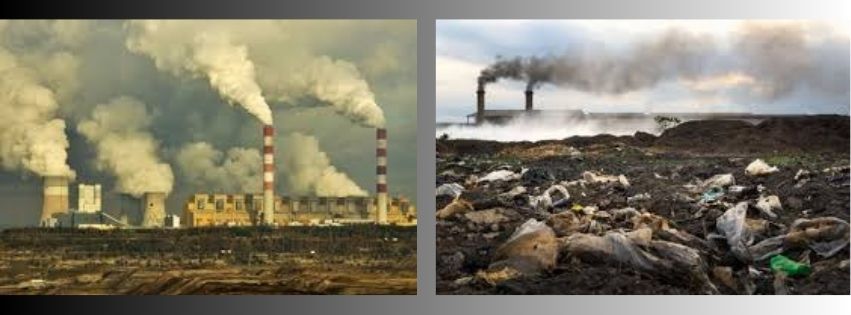
Fijémonos en los que está ocurriendo en los océanos hay una isla de plástico ya se habla de un tercer continente entre lo que es la isla de Hawái y el continente norte americano no la parte norte de América, prácticamente un continente de plástico, es decir, todo el plástico arrojado durante el siglo XX en toda esa gran cuenca del océano pacifico es lamentable y eso lo ha generado, la civilización moderna occidental, como paradigma la universidad entonces debe alejarse
Let’s look at what is happening in the oceans, there is an island of plastic, there is already talk of a third continent between the island of Hawaii and the North American continent, not the northern part of America, practically a continent of plastic, that is, all the plastic thrown during the 20th century in that entire great basin of the Pacific Ocean is regrettable and that is what modern Western civilization has generated, as a paradigm the university must then move away
_YA: Cómo puede la educación verde ayudar a combatir el cambio climático. How green education can help combat climate change
_Alejandro: bueno la educación verde en esencia lo que busca es concientizar sobre todo a las generaciones más jóvenes no por ello están exentos los adultos, los adultos mayores, nosotros los contemporáneos y si en nuestros niños y niñas deben comprometerse, pero generando una retroalimentación un Feedback desde practicas ambientalistas, estas prácticas debemos objetivarlas críticamente, no podemos seguir suscribiendo por ejemplo el tema del reciclaje sin tocar un ápice de lo que son las lógicas de producción material que generan las grandes industrias del plástico, es decir, no es suficiente entonces decirle a una niña o un niño en la escuela, mira vamos a reciclar, pero entonces hay una industria que produce exponencialmente, no seriamos coherente y consecuentes, debemos ser lógicos en ese aspectos, y ser críticos, el proceso de reciclaje es una fase de las tareas que debemos hacer para resguardas las condiciones del ambiente, no suscribimos el medio ambiente hoy en día se habla conceptualmente del ambiente en este caso pero nosotros entendemos que el ambiente se ha visto afectado por una estructura civilizatoria material y de producción material que bueno, ha extendido sus límites.
_Alejandro: Well, green education essentially seeks to raise awareness, especially among the younger generations, but that doesn’t mean that adults, older adults, we contemporaries are exempt, and yes, our children must be committed, but generating feedback from environmental practices. We must critically objectify these practices. We cannot continue to subscribe, for example, to the issue of recycling without touching an iota of the logic of material production generated by the large plastic industries. In other words, it is not enough to tell a girl or a boy in school, look, let’s recycle, but then there is an industry that produces exponentially. We would not be coherent and consequential. We must be logical in those aspects and be critical. The recycling process is a phase of the tasks that we must do to protect the conditions of the environment. We do not subscribe to the environment. Today, we speak conceptually about the environment in this case, but we understand that the environment has been affected by a material civilizational structure and material production that, well, has extended its limits.
Observamos como se ha desbordado la producción de plástico, y entonces nuestras escuelas se ve impedida, excedida por esos elementos porque no podemos estar colocando lo que yo denomino en esta nueva categorías de ecoindustralización no podemos atender todo el problema y resolver el problema solamente por reciclaje solamente por detener la maquina destructora, es necesario frenar los mecanismos sobre todo de consumo que se han exacerbado todo consumo viene instado viene impulsado, sea por una publicidad, sea por un sistema publicitario que invitan al consumo desenfrenado de productos entonces hay que tener en cuenta eso, no se trata de decirle a una niña bueno puedes tomar x marca de gaseosa, y no importa ese plástico lo vamos a reciclar, creo que ese no es el mensaje, debemos ser consecuentes si queremos hacer una ciencia humanista si queremos ser y reproducir una ciencia ambientalista con sustancia, con lo que es el resguardo a la pacha mama, y a la madre naturaleza entonces tenemos que tomar mucha seriedad y ser muy consecuentes y muy serios al respecto de estos mensajes.
We observe how plastic production has overflowed, and then our schools are impeded, exceeded by these elements because we cannot be placing what I call in this new category of eco-industrialization, we cannot address the entire problem and solve the problem only by recycling, only by stopping the destructive machine, it is necessary to stop the mechanisms, especially those of consumption that have been exacerbated, all consumption is urged, it is driven, whether by advertising, whether by an advertising system that invites the unbridled consumption of products, then we must take that into account, it is not about telling a girl, well, you can drink x brand of soda, and it doesn’t matter, that plastic is going to be recycled, I think that is not the message, we must be consistent if we want to make a humanistic science, if we want to be and reproduce an environmentalist science with substance, with what is the protection of Pacha Mama, and Mother Nature, then we have to take it very seriously and be very consistent and very serious about these messages.
La educación verde es fundamental, no se remite solamente a un escuela, a unas instancias de educación media, técnica, universitaria, no, insistimos en la educación ambiental debe aparecer en nuestras pantallas de televisión a diario bueno impulsado por las redes de internet, por las redes sociales, madres padres, deben estar allí, ser consecuentes en el dialogo con nuestras futuras generaciones y nosotros ser coherentes, también practicar lo que enunciamos, lo que decimos, es decir, ser coherente para entonces educación ambiental la educación verde o ese enfoque verde tenga en verde una pertinencia extraordinaria.
Green education is fundamental, it is not limited only to a school, to secondary, technical, or university education institutions, no, we insist that environmental education must appear on our television screens every day, well, driven by the Internet and social networks, mothers and fathers must be there, be consistent in their dialogue with our future generations and we must be consistent, also practice what we say, what we say, that is, be consistent so that environmental education, green education, or that green approach has extraordinary relevance.
_YA: Para todas esas familias que nos están escuchando a través de este programa, como puede una familia integrarse en su vida cotidiana a la educación ambiental o al cuido del ambiente. For all those families listening to us through this program, how can a family integrate environmental education or environmental care into their daily lives?
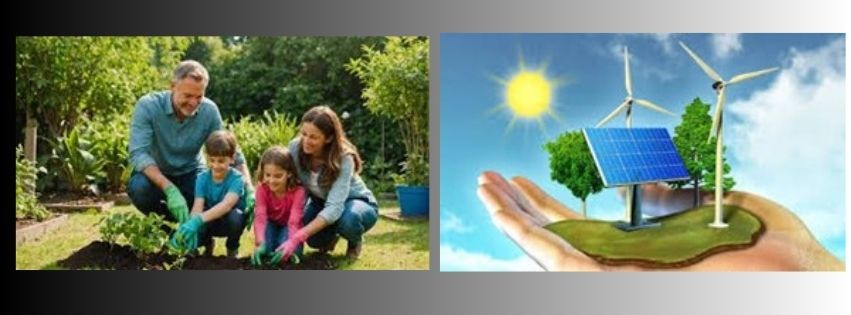
_Alejandro: bueno enfatizaba en que lo que decimos y hacerlo, la familia es garante entonces de ello, es decir, manos a la siembra, la siembra de plantas, de árboles en nuestras comunidades, arboricemos, hay ejemplos extraordinarios, yo hace poco veía por ejemplo el corredor verde, que se impulsó hace algunos años en la ciudad de Medellín eso aseguro y resguardo por ejemplo que se bajara algunos grados Celsius en la ciudad, es decir, lo que es los micro climas urbanos, pero también hablemos de los micro climas en nuestros hogares, como utilizamos por ejemplo algunos materiales que no ayudan al proceso de recuperación del ambiente y no disminuyen los grados Celsius de la temperatura, debemos ser consecuentes en nuestro hogar no solamente plantas alimenticias, ornamentales sino bueno vamos con las medicinales y bueno que embellecen y engalanan vamos a decirlo de alguna manera nuestras instancias nuestros espacios en el hogar.
_Alejandro: Well, I was emphasizing that what we say and do, the family is the guarantor of that, that is to say, hands to sowing, the planting of plants, of trees in our communities, let’s plant trees, there are extraordinary examples, I recently saw for example the green corridor, which was promoted a few years ago in the city of Medellín, that ensured and protected for example that a few degrees Celsius would be lowered in the city, that is to say, what are the urban micro climates, but also let’s talk about the micro climates in our homes, how we use for example some materials that do not help the process of environmental recovery and do not lower the degrees Celsius of the temperature, we must be consistent in our home, not only food plants, ornamental plants but well, let’s go with the medicinal ones and well, those that beautify and adorn, let’s say it in some way, our instances, our spaces in the home.
Imaginémonos una urbanización por ejemplo que fue diseñada en el siglo XX bajo los cánones paradigmáticos de la arquitectura occidental, ahora si resguardadas por lo verde, con mucho verdor, es decir lo concreto o en este caso los materiales de cemento de concreto engalanados por lo ver por la siembra por los porrones con árboles, árboles que no dañen las tuberías, es decir, debemos de hacernos también del conocimiento y la ciencia de que arbole sembrar que arboles no sembrar y bueno la familia comprometerse con estas tareas, eso repercute mucho en lo imaginario y en la subjetividad de los niños y niñas yo particularmente tengo 2 hijos y los he llevado a sembrar en algunas jornadas de siembra de árboles y eso determina su subjetividad, papa cuando vamos a sembrar, cuando nos vas a llevar a sembrar otros árboles, y yo les digo bueno si tenemos que ser consecuentes vamos a un rio hay que sembrar algún arbolito.
Let’s imagine a housing development for example that was designed in the 20th century under the paradigmatic canons of Western architecture, now protected by greenery, with lots of greenery, that is to say the concrete or in this case the concrete cement materials adorned by the planting of trees in jugs, trees that do not damage the pipes, that is to say, we must also acquire the knowledge and the science of which trees to plant and which trees not to plant and well the family must commit to these tasks, that has a great impact on the imagination and the subjectivity of the boys and girls. I particularly have two children and I have taken them to plant on some tree planting days and that determines their subjectivity, dad when are we going to plant, when are you going to take us to plant other trees, and I tell them well if we have to be consistent we go to a river we have to plant some little trees.
Esto lo veremos bueno en años, pero es necesario, cuantos litros de oxígeno produce un árbol, eso en una ciudad es clave entonces hay que incluso legislaran una ordenanzas para que entonces se promueva se custodie, se proteja mira las formaciones arborescentes en nuestras comunidades, en nuestras ciudades la ciudad no puede seguir siendo la imagen del siglo XX y del siglo XIX la ciudad del siglo XXI tiene que ser una ciudad verde, tiene que ser una ciudad de aguas cristalinas, tiene que ser una ciudad que canalice las aguas de lluvias, que las canalice inteligentemente no que las deseche, la ciudad tiene que ser ahora en el siglo XXI una ciudad que se avoque sobre todo por la conservación sobre todo por sus quebradas, de sus ríos, de sus riachuelos, de sus cuerpos de agua, no podemos seguir dándonos el lujo de seguir contaminando y la familia es una célula verde, la familias son las células verdes, familias consientes y de la nueva ciudad que necesitamos, creo y pienso que ese es un mensaje sobre todo para una educación y voy a decirlo en estos términos Yumak, una educación transmoderna que vaya más allá de la modernidad, de lo que aprendimos en el siglo XX y seamos más consecuente una educación ambiental allí lo dejo.
We will see this well in years, but it is necessary, how many liters of oxygen does a tree produce, that in a city is key, so we must even legislate ordinances so that they are promoted, guarded, protected, look at the tree formations in our communities, in our cities the city cannot continue to be the image of the 20th century and the 19th century, the city of the 21st century has to be a green city, it has to be a city of crystal clear waters, it has to be a city that channels rainwater, that channels it intelligently, not discards it, the city has to be now in the 21st century a city that focuses above all on conservation, especially for its ravines, its rivers, its streams, its bodies of water, we cannot continue to afford to continue polluting and the family is a green cell, families are the green cells, conscious families and of the new city that we need, I believe and I think that this is a message above all for an education and I am going to say it in these terms Yumak, a transmodern education that goes beyond modernity, beyond what we learned in the 20th century, and we are more consistent in environmental education, I leave it there.
_YA: Que rol juegan las tecnologías verdes en la enseñanza de prácticas sostenibles. What role do green technologies play in teaching sustainable practices?
_Alejandro: Las tecnologías verdes deben dar un salto cualitativo en lo que es la demanda sobre todo energética veos allí, o apreciamos por ejemplo las distintas modalidades la energía eólica, solar, incluso la de las mareas, pero hay un detalle que debemos tener muy en cuenta, es el nivel exacerbado de consumo que tiene el sistema, y estas energías verdes son tan costosas dentro del sistema que no terminan respondiendo, no terminan resolviendo el problema de la demanda energética, sin embargo, esto no es para que caigamos en una vorágines desesperanzadora y si debemos entonces reflexionar críticamente el sistema, sus demandas energéticas, sus niveles de consumo, no podemos seguir consumiendo tanta electricidad, tanta agua, no podemos consumir tanto petróleo tanto hidrocarburo, tanto gas, tantos minerales porque entonces no estaríamos haciendo nada, la tecnología verde en su fundamento ontológico debe ser revisada, debe ser replanteada, ya que no hacemos nada con adornar el paisaje, incluso algunos países no les gusta ver en sus paisajes naturales ver esas hélices gigantescas produciendo energía eólica energía limpia, hay países que detestan incluso esos parques eólicos, y te digo bueno, lo que son aquellos parques de paneles solares de tecnología solar, pero entonces debemos revisar, que es lo que va a suceder con las tecnologías verdes, las tecnologías verdes pienso que deben dárseles un giro sobre todo de 180 grados en sus lógicas productivas.
_Alejandro: Las tecnologías verdes deben dar un salto cualitativo en lo que es la demanda sobre todo energética veos allí, o apreciamos por ejemplo las distintas modalidades la energía eólica, solar, incluso la de las mareas, pero hay un detalle que debemos tener muy en cuenta, es el nivel exacerbado de consumo que tiene el sistema, y estas energías verdes son tan costosas dentro del sistema que no terminan respondiendo, no terminan resolviendo el problema de la demanda energética, sin embargo, esto no es para que caigamos en una vorágines desesperanzadora y si debemos entonces reflexionar críticamente el sistema, sus demandas energéticas, sus niveles de consumo, no podemos seguir consumiendo tanta electricidad, tanta agua, no podemos consumir tanto petróleo tanto hidrocarburo, tanto gas, tantos minerales porque entonces no estaríamos haciendo nada, la tecnología verde en su fundamento ontológico debe ser revisada, debe ser replanteada, ya que no hacemos nada con adornar el paisaje, incluso algunos países no les gusta ver en sus paisajes naturales ver esas hélices gigantescas produciendo energía eólica energía limpia, hay países que detestan incluso esos parques eólicos, y te digo bueno, lo que son aquellos parques de paneles solares de tecnología solar, pero entonces debemos revisar, que es lo que va a suceder con las tecnologías verdes, las tecnologías verdes pienso que deben dárseles un giro sobre todo de 180 grados en sus lógicas productivas.
«Sembrando conciencia verde, cosechamos un planeta azul.»
«By sowing green consciousness, we reap a blue planet.»
No puede ser que entonces para producir una celda corto voltaica se requiera bueno una cantidad de recursos dinerarios materiales etcétera, insistimos no estamos en un momento bastante demandante, por aquí yo me permito presentarte un libro que presenta sobre todo aspectos energéticos, es de James Lovelock la Venganza de la Tierra, es un libro que en este momento está leyendo mi hijo mayor, pero entonces te presenta unos datos energéticos por allá del año 2006 y en este momento bueno se hablaban de estimaciones del año 2014 – 2015 que no se cumplieron y lamentablemente estamos enrumbados hacia un desastre ecológico, un desgaste planetario porque la huella ecológica está dejando por ejemplo el sector de los hidrocarburo es tremendo, los océanos están cada día más devastados por estas lógicas hidrocarburíferas, entonces las tecnologías verdes hacia donde van, hacia donde se dirigen, insistimos las tecnologías verdes no pueden estar tampoco ancladas a intereses crematístico a intereses de ganancias creo o pienso más bien que esto debe superar debe ir más allá de esas lógicas crematísticas del sistema, es un enfoque sistémico novedoso lo que necesitamos para y a propósito de la producción de nuevas tecnologías, la educación o los sistemas educativos deben abocarse a dar respuestas en materia de una nueva epistemología, una nueva ciencia que se aboque a la naturaleza, no en que este de espalda.
It cannot be that to produce a short voltaic cell requires a quantity of monetary, material resources etc. We insist we are not in a very demanding moment. Here I would like to introduce you to a book that presents above all energy aspects, it is by James Lovelock The Revenge of the Earth, it is a book that at this moment my oldest son is reading, but then it presents you some energy data from back in 2006 and at this moment, well, estimates were being talked about for the year 2014-2015 that were not met and unfortunately we are heading towards an ecological disaster, a planetary decay because the ecological footprint that the hydrocarbon sector is leaving, for example, is tremendous, the oceans are increasingly devastated by these hydrocarbon logics, so where are green technologies going, where are they headed? We insist that green technologies cannot be anchored to monetary interests, to profit interests, I believe, or rather I think that this must overcome, must go beyond these monetary logics of the system. It is a novel systemic approach that we need for and in relation to the production of new technologies, education or educational systems must focus on providing answers in terms of a new epistemology, a new science that focuses on nature, not on turning its back on it.
_YA: Qué cambios han observado en las personas que han participado en tu programa de educación verde. What changes have you observed in the people who have participated in your green education program?
_Alejandro: si, bueno si se han dado cambios , hay cambios en la subjetividad hay cambios en las narrativas, e las lógicas, en los comportamientos, insistimos en que por ejemplo ahí está el modo de vida, el modo de existencia que muchos y muchas se articulan a eso, ahí tenemos por ejemplo el horizonte de vida en Sumak Kawsay y el Suma Qamaña» el estilo de vida vivamos bien, de nuestros pueblos andino amazónicos que debemos entonces recobrarlos y si, ponerlos en una perspectiva dialógica con lo mejor de la modernidad porque tampoco podemos decir que la modernidad es macabra y simple y llanamente es mala, creo que no seriamos realistas, lo mejor de la modernidad en una orientación sobre todo dialógica analéptica con lo mejor de los pueblos del sur, de África de Sudamérica, de Oceanía, en esa perspectiva ecológica nos daría grandes resultados, sobre todo aquellas personas que ya están vinculadas con procesos de recuperación de habitad, procesos de producción educativos sobre todo de conocimientos que partan desde ese horizonte ecológico, mira les ha cambiado la vida, entonces va más allá de las simple recuperación del plástico del vidrio del caucho etcétera, insisto la eco industrialización es importantísima en este momento es decir darle un nuevo sentido, no es un tema de la basura, de reciclar lo desechado, etc.
_Alejandro: yes, well yes there have been changes, there are changes in subjectivity, there are changes in narratives, and logic, in behaviors, we insist that for example there is the way of life, the way of existence that many articulate to that, there we have for example the horizon of life in Sumak Kawsay and the Suma Qamaña» the lifestyle let us live well, of our Andean Amazonian peoples that we must then recover and yes, put them in a dialogical perspective with the best of modernity because we cannot say that modernity is macabre and simply and plainly is bad, I think we would not be realistic, the best of modernity in an orientation above all analeptic dialogical with the best of the peoples of the south, of Africa, South America, of Oceania, in that ecological perspective it would give us great results, especially those people who are already linked to habitat recovery processes, educational production processes, especially of knowledge that start from that ecological horizon, look, it has changed their lives, So it goes beyond the simple recovery of plastic, glass, rubber, etc. I insist that eco-industrialization is extremely important at this time, that is, giving it a new meaning; it is not a matter of garbage, of recycling what is discarded, etc.
Es replantearnos nuestros esquemas de consumo energético, alimenticio, nuestra vestimenta, etc. Es el replanteo, sonara bastante atrevido lo que voy a decir, el gran reseteo que por allí, se ha planteado yo no lo comparto tanto, pero si hay que replantearse el sistema, hay que replantear hay que transformar todo para reiniciar esto, para comenzar ahora si con unas nuevas perspectivas de consumo, con unas nuevas perspectivas de producción con unas nuevas perspectivas de mercado, no es el mercado como se vislumbraba neoliberalmente a finales del siglo 20 debemos recobrar ahora o impulsar una nueva noción de mercado de intercambio de producto de intercambio de mercancía pero que no atente a la vida que no atente a las condiciones de vida de nuestras especies, así el mercado sería una instancia científica, concreta y cultural en la cual el ser humano este en el centro al igual que el resto de las especies animales y vegetales de este planeta en el centro del sistema y no estamos de espalda y estemos atentando contra estos.
It is about rethinking our patterns of energy consumption, food, our clothing, etc. It is the rethinking, it may sound quite daring what I am going to say, the great reset that has been proposed there, I do not agree with it so much, but if we have to rethink the system, we have to rethink, we have to transform everything to restart this, to begin now with new perspectives of consumption, with new perspectives of production with new market perspectives, it is not the market as it was envisioned neoliberally at the end of the 20th century, we must now recover or promote a new notion of a market for the exchange of products, the exchange of merchandise, but one that does not threaten life, that does not threaten the living conditions of our species, so the market would be a scientific, concrete and cultural instance in which the human being is at the center, just like the rest of the animal and plant species of this planet, at the center of the system, and we do not turn our backs and are attacking them.
_YA: Qué acciones concretas pueden tomar los oyentes de nuestro programa para contribuir a un mundo más sostenible desde hoy mismo. What concrete actions can our program listeners take to contribute to a more sustainable world starting today?
_Alejandro: Bueno fijémonos que en nuestras habitad urbanos, rurales, en el campo, en la montaña etc. Nosotros precisemos algunos espacios para la siembra no solamente alimentos, sino especies vegetales sobre todo que sean endémicas que sean del lugar estudiemos la composición de un árbol, estudiemos la vegetación su formaciones, sus características, para que, en que nos pueden ayudar, precisemos un espacios cercano en nuestra casa, localmente y pensando globalmente, que yo siembre un árbol, dos, tres, cuatro, diez arboles al mes, cerca de mi casa, cerca de la escuela, con las maestras con los maestros, con los niños, con las niñas, con los ancianos que están ya por irse, seria extraordinario, esas son actividades y aspectos concretos que pudiéramos impulsar, yo hace algún tiempo venia estudiando por ejemplo el método de siembre intensiva Miyazaki un japones que habla por ejemplo tomar un espacio de aproximadamente de 3 metros de diámetro es decir una circunferencia y entonces ahí sembrar bajo unas lógicas por supuesto, no es sembrar cualquier cosa y ahí meter de todo, arbustos, arboles medianos, arboles grandes, bueno capacitar a la gente en las lógicas de las sombras que ejercen estos árboles, bueno la radiación solar que va a acelerar el proceso fotosintético y de crecimiento de algunas plantas entonces el método Miyazaki en algunas ciudades y en algunas comunidades seria extraordinario, sería algo muy bonito ver un espacio densamente poblado de especies vegetal, donde entonces llegan las aves hay un cuerpo de agua, y bueno por supuesto se fomenta y se impulsa la vida.
_Alejandro: Well let’s look at our urban, rural, rural, mountain, etc. habitats. We need some spaces to plant not only food, but plant species, especially those that are endemic to the place. Let’s study the composition of a tree, let’s study the vegetation, its formation, its characteristics, so that, in what way can they help us, we need a space close to our house, locally and thinking globally, that I plant a tree, two, three, four, ten trees a month, near my house, near the school, with the teachers, with the boys, with the girls, with the elderly who are about to leave, it would be extraordinary, those are activities and concrete aspects that we could promote, I have been studying for example the Miyazaki intensive planting method, a Japanese method that talks about, for example, taking a space of approximately 3 meters in diameter, that is to say, a circumference, and then planting there under certain logic, of course, it is not about planting anything and putting everything in there, shrubs, medium-sized trees, large trees, well, training people in the logic of the shadows that these trees cast, well, the solar radiation that will accelerate the photosynthetic process and the growth of some plants, so the Miyazaki method in some cities and in some communities would be extraordinary, it would be something very beautiful to see a space densely populated with plant species, where the birds then arrive there is a body of water, and well of course life is encouraged and promoted.
_YA: Alejandro queremos expresar nuestro más profundo agradecimiento por compartir con nosotros tus valiosos conocimientos y reflexión de la educación verde, y su impacto en la sostenibilidad del planeta, tu mensaje nos inspira a mirar hacia el futuro con esperanza y compromiso, entendiendo que cada acción y enseñanza es una semilla que puede transformar el mundo. Alejandro, we want to express our deepest gratitude for sharing with us your valuable knowledge and reflection on green education and its impact on the sustainability of the planet. Your message inspires us to look to the future with hope and commitment, understanding that every action and lesson is a seed that can transform the world.
_Alejandro: Siempre para servirte Yumak, a ti y a tu programa y bueno a todos los que están escuchando y va a leer este artículo.
_Alejandro: Always here to serve you, Yumak, you and your program, and well, everyone who is listening and will read this article.
Nota: También estamos en radio. Sintoniza todos los Miércoles en HOLA MUNDO online radio este gran programa, haciendo click aqui: https://holamundoonlineradio.wixsite.com/holamundoonlineradio «Entre Líneas: Motivación en acción con Historias que transforman» a las 19:00 PM HORAS ESPAÑA.
Note: We are also on the radio. Tune in every Wednesday to HOLA MUNDO online radio for this great program by clicking here: https://holamundoonlineradio.wixsite.com/holamundoonlineradio «Between the Lines: Motivation in Action with Transforming Stories» at 7:00 PM Spanish Time.
Descubre más desde LA AGENCIA MUNDIAL DE PRENSA
Suscríbete y recibe las últimas entradas en tu correo electrónico.

