
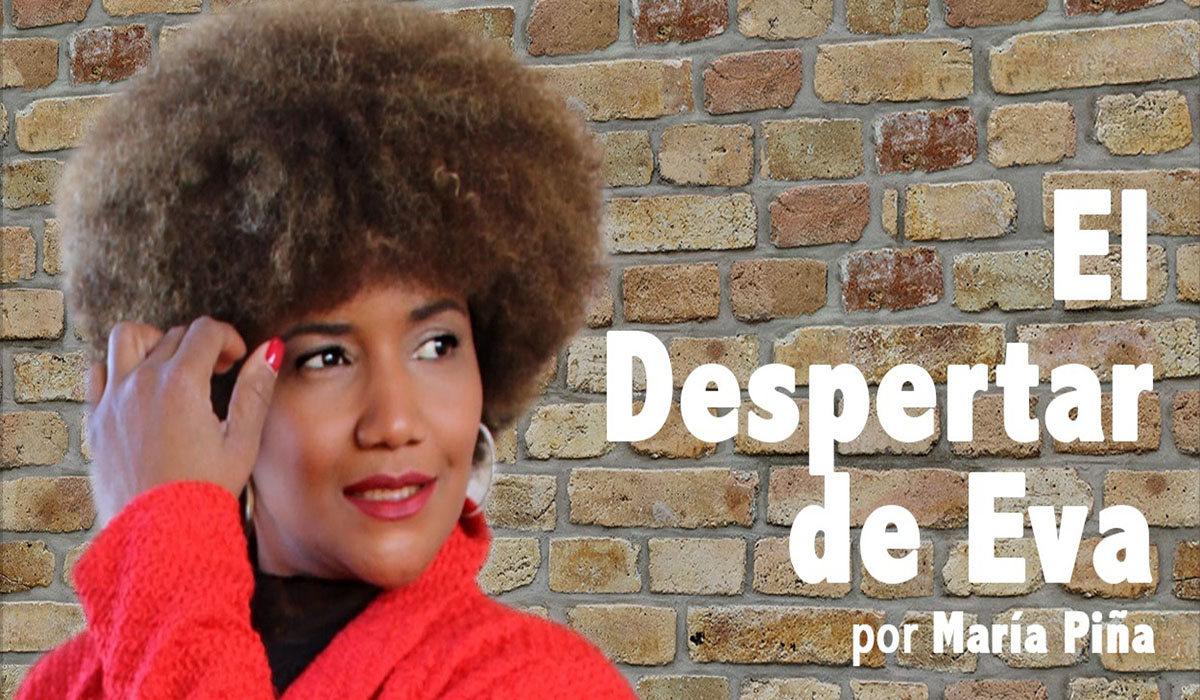
El despertar de Eva: la menopausia, el tabú que te roba el poder
COLUMNISTA
For centuries, the word menopause has been spoken in hushed tones. As if it were a kind of death sentence, a gray, almost shameful stage marked by hot flashes, wrinkles, and silence. We were taught that with it comes the end of «the best of life,» that desire, beauty, and even a woman’s usefulness ceases. But you know what? That’s a lie.
Durante siglos, la palabra menopausia se ha pronunciado en voz baja. Como si fuera una especie de sentencia de muerte, una etapa gris, casi vergonzosa, marcada por sofocos, arrugas y el silencio. Nos enseñaron que con ella se acaba “lo mejor de la vida”, que deja de latir el deseo, la belleza y hasta la utilidad de la mujer.
¿Pero sabes qué? Eso es mentira.
Menopause isn’t the end. It’s the new fire. And it can be your second adolescence.
La menopausia no es el final. Es el fuego nuevo. Y puede ser tu segunda adolescencia.
How many times have you seen your mother, your grandmother, or your aunt talk openly about their menopause? Surely few… or none. For many women of previous generations, this stage was experienced in whispers, hidden tears, and a kind of shame that they didn’t quite know where it came from.
¿Cuántas veces viste a tu madre, tu abuela o tu tía hablar abiertamente de su menopausia? Seguro pocas… o ninguna. Para muchas mujeres de generaciones anteriores, esta etapa se vivía entre susurros, lágrimas escondidas y una especie de vergüenza que no sabían bien de dónde venía.
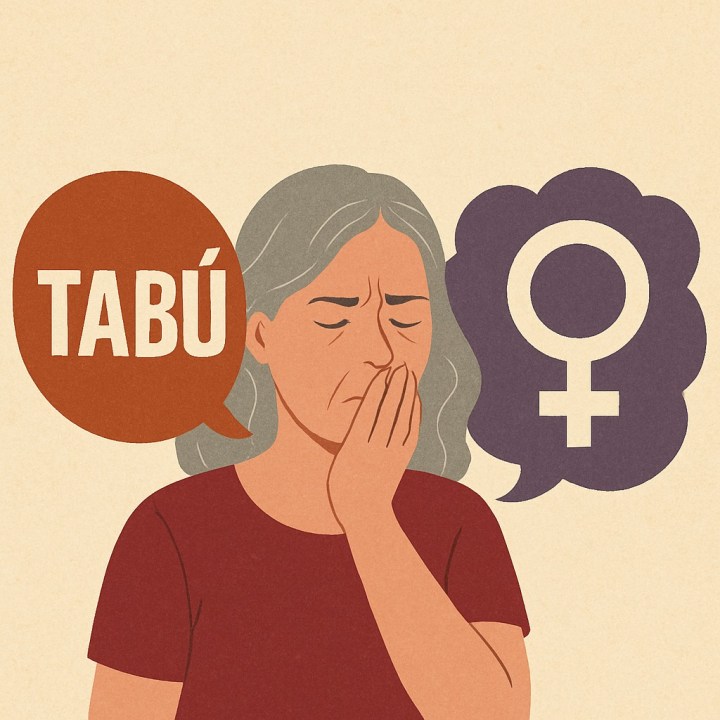
The message was clear: “You’re no longer useful.” You’re no longer fertile, you’re no longer «good,» you’re no longer interesting. Society—and here we really need to say it out loud—pushed us to believe that we’re worth only our ability to procreate or seduce. Once that’s gone, what’s left?
El mensaje era claro: “ya no sirves”. Ya no eres fértil, ya no estás «buena», ya no interesas.
La sociedad —y aquí sí que hay que decirlo en voz alta— nos empujó a creer que valemos por nuestra capacidad de procrear o seducir. Una vez que eso se va, ¿qué queda?
I’ll tell you what’s left, what’s left, my dear, is EVERYTHING. Because the body obviously changes, but so do you.
Te digo yo lo que queda, lo que queda, querida, es TODO. Porque el cuerpo, evidentemente cambia, pero tú también.
Yes, there are physical changes. Hot flashes, insomnia, irritability, drier skin, decreased energy. But didn’t we also experience them at 13, when we got our first period, and no one prepared us emotionally for that? That adolescence also hit us hard, and yet it was the beginning of a new phase. This one can be too. The difference lies in how you look at it and how you take care of yourself.
Sí, hay cambios físicos. Sofocos, insomnio, irritabilidad, piel más seca, bajón de energía. Pero ¿no los tuvimos también a los 13, cuando nos llegó la primera regla y nadie nos preparó emocionalmente para eso? Esa adolescencia también nos golpeó y, sin embargo, fue el inicio de una nueva etapa. Esta también puede serlo. La diferencia está en cómo la miras y cómo te cuidas.
On the other hand, there are the stereotypes, which are deeply painful. Some people think that a menopausal woman is bitter, disheveled, «hysterical.» That she’s lost her desire, that she’s moody by default, that it’s better not to get too close. And the worst part is that many women believe this too. They isolate themselves, feel less valuable, as if they no longer have anything to contribute. I remember at a conference I gave on menopause and art, a sixty-something attendee told me: «I had to be emptied and I was no longer useful. Now I understand that’s not the case. People talk a lot without knowing.» And that’s the crux of the matter: we are experts at opining on things we don’t know. But it’s time we debunk these myths that, like so many others, we have ingrained in our heads.
Por otro lado, están los estereotipos, que duelen y mucho. Hay quienes piensan que una mujer menopáusica es amargada, desaliñada, «histérica». Que perdió el deseo, que está de mal humor por defecto, que mejor no acercarse mucho.
Y lo más grave es muchas mujeres lo creen también. Se aíslan, se sienten menos valiosas, como si ya no tuvieran nada que aportar. Recuerdo en una conferencia que dicté sobre la menopausia y el arte, una asistente de unos sesenta años me comentaba: “a mí es que me tuvieron que vaciar y ya no servía, ahora comprendo que no, la gente habla mucho sin saber”. Y es ahí el kit de la cuestión, somos expertos en opinar de lo que no sabemos. Pero es hora de que desmontemos esos mitos que tenemos como tantos otros, metidos en la cabeza.
Did you know that many women discover their true calling after 50? Or that sexual desire doesn’t die, but rather transforms?
¿Sabías que muchas mujeres descubren su vocación verdadera después de los 50? ¿O que el deseo sexual no muere, sino que se transforma?
In fact, many say they’ve never enjoyed sex as much as they do now, without the fear of pregnancy, without the rush of before, without the need to «perform.» Just for pleasure, for connection, for skin. My mother, who is my best friend, has always told me that her best sexual period was just after menopause. So, my dear Eva, reclaim your power.
De hecho, muchas aseguran que nunca habían disfrutado tanto del sexo como ahora, sin miedo al embarazo, sin la prisa de antes, sin la necesidad de “cumplir”. Solo por placer, por conexión, por piel. Mi madre, que es mi mejor amiga, siempre me ha dicho que su mejor etapa sexual fue justo después de la menopausia. Así que mi querida Eva, a recuperar tu poder..
Menopause can also be a rebirth. It’s the moment when you stop pleasing, you stop chasing other people’s expectations. Your body, although different, is still your temple.
La menopausia también puede ser un renacimiento. Es el momento en que dejas de complacer, dejas de correr detrás de expectativas ajenas. Tu cuerpo, aunque distinto, sigue siendo tu templo.
It’s not about denying what’s happening, but about experiencing it from a different perspective. From self-love.
No se trata de negar lo que ocurre, sino de vivirlo desde otra conciencia. Desde el amor propio.
Exercise. Sleep better. Learn about nutrition. And, above all, talk about it. With friends, with your daughters, with your doctor, with your partner—they especially need to understand that we are not sick, nor crazy, nor are we less than ourselves; it’s a natural process and as such, we must see it. It’s up to you to break the silence you inherited, to break the cycle.
Haz ejercicio. Duerme mejor. Aprende sobre alimentación. Y, sobre todo; háblalo. Con amigas, con tus hijas, con tu médico, con tu pareja, ellos especialmente deben comprender que no estamos enfermas, ni locas, ni somos menos, es un proceso natural y como tal, hay que verlo. Te toca a ti romper el silencio que heredaste, romper el círculo.
Think of this stage as a second adolescence, only now you have more knowledge and greater self-esteem. Think about this: if your first adolescence was about discovering yourself, this second one is about winning yourself back. But now with experience, with confidence, with less fear of «what people will say.»
Piensa que esta etapa es como una segunda adolescencia solo que ahora, tienes más conocimiento y, una gran autoestima. Piensa en esto: si la primera adolescencia fue para descubrirte, esta segunda es para reconquistarte. Pero ahora con experiencia, con seguridad, con menos miedo al “qué dirán”.
Do you want to cut your hair? Do it. Do you want to start a business? Do it. Do you want to travel alone, start therapy, take dance classes? DO IT.
¿Quieres cortarte el pelo? hazlo.
¿Quieres emprender? hazlo.
¿Quieres viajar sola, empezar terapia, tomar clases de baile? HAZLO.
El mundo necesita mujeres que no se avergüencen de sus procesos, sino que los abracen. Cuando hablas sin miedo de tu menopausia, estás liberando también a las que vienen detrás.
The world needs women who aren’t ashamed of their journeys, but rather embrace them. When you speak fearlessly about your menopause, you are also liberating those who come after you.
Therefore, it’s time to change the narrative. Let’s stop seeing menopause as a punishment and start seeing it for what it truly is: a powerful, sacred, transformative stage.
Por lo tanto, es momento de que cambiemos la narrativa. Dejemos de ver la menopausia como un castigo y empecemos a verla como lo que realmente es, una etapa poderosa, sagrada, transformadora.
You are not a finished woman. You are a woman on a slow burn. And that fire, properly channeled, can illuminate paths, both your own and those of others.
No eres una mujer acabada. Eres una mujer en fuego lento. Y ese fuego, bien canalizado, puede iluminar caminos, propios y ajenos.
Because in the end, menopause doesn’t take away your power. It reminds you of it.
Porque al final, la menopausia no te quita el poder. Te lo recuerda.
Until next week, my dear Eva. Hugs from the bottom of my heart.
Hasta la próxima semana, mi querida Eva.
Abrazos del alma.

Descubre más desde LA AGENCIA MUNDIAL DE PRENSA
Suscríbete y recibe las últimas entradas en tu correo electrónico.
