
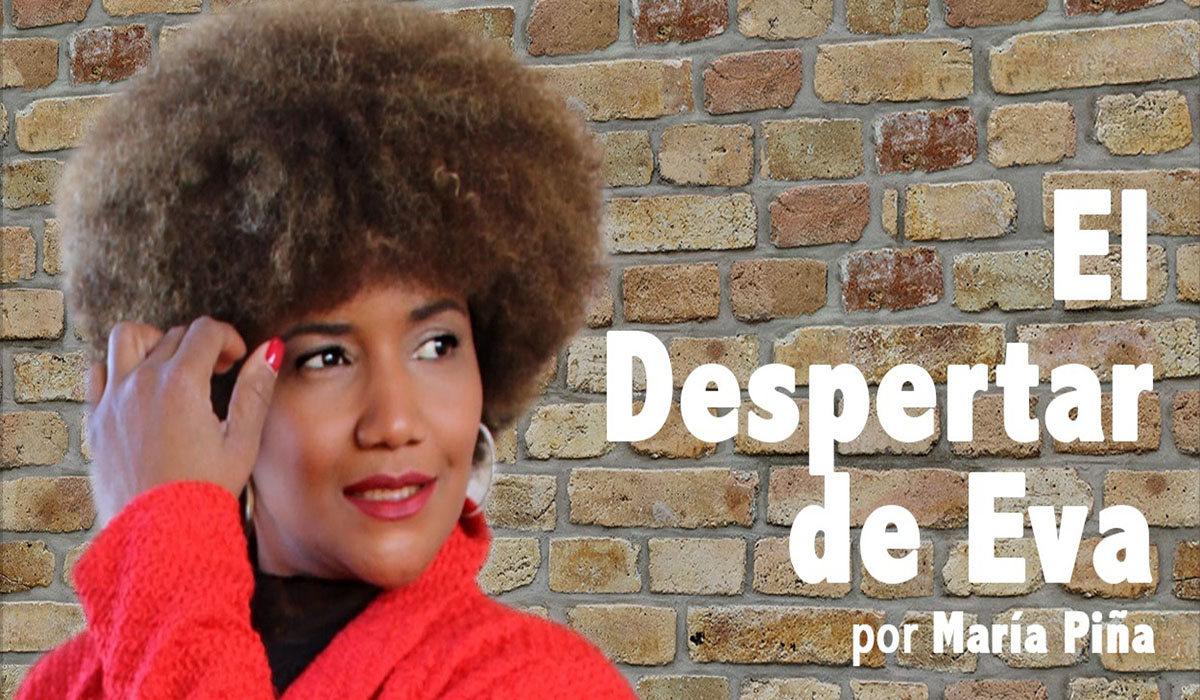
El despertar de Eva: La culpa femenina, ¿Nos sentimos mal por elegirnos a nosotras mismas?
COLUMNISTA
March 8, International Women’s Day, is a day of reflection and struggle for equality. However, there is something that continues to mark our lives: female guilt. A guilt that we often feel when we choose to put our needs, desires and dreams above social, family and work expectations that seem to be defined from a place other than us.
El 8 de marzo, Día Internacional de la Mujer, es una fecha de reflexión y lucha por la igualdad. Sin embargo, hay algo que sigue marcando nuestras vidas: la culpa femenina. Una culpa que a menudo sentimos cuando elegimos anteponer nuestras necesidades, deseos y sueños por encima de las expectativas sociales, familiares y laborales que parecen definirse desde un lugar ajeno a nosotras.
Why do we feel bad about prioritizing ourselves? From a young age, we are taught to always be the caregivers, the ones who are available to others, the ones who must put the needs of others above their own. We are often told that being generous, understanding and self-sacrificing makes us more worthy of love and respect. But what happens when we decide to choose ourselves?
¿Por qué nos sentimos mal por priorizarnos? Desde pequeñas, nos enseñan a ser siempre las cuidadoras, las que están disponibles para los demás, las que deben poner las necesidades de los otros por encima de las propias. A menudo se nos dice que ser generosas, comprensivas y sacrificadas nos hace más dignas de amor y respeto. Pero, ¿qué pasa cuando decidimos elegirnos?
An example is that if one day, being mothers and workers and a long etc., we carry everything forward, we decide to take a day for ourselves, to escape from the daily routine, it happens that, instead of feeling relieved, we feel guilty. Why? Because in our minds the voice of society resonates, reminding us that a good mother should never distance herself from her children. Despite needing that respite to recharge our energies, it seems that guilt consumes us and makes us doubt our own worth. It is a cycle that repeats itself: every time we choose ourselves, the impostor arrives who makes us feel selfish, as if we were failing at everything and everyone. But it doesn’t have to be that way, that’s why we must question ourselves and take care of ourselves and love ourselves a lot every day and above all, take care of our emotional and mental health. So, meet up with your friends on any given day without a scheduled celebration and celebrate life, take a break, dance, dedicate a day to doing nothing, to reading, to staying in your pajamas all day, to recharging your batteries, but do it without guilt and without remorse.
Un ejemplo es que, si un día, siendo madres y trabajadoras y un largo etc., lo llevamos todo para adelante, decidimos tomarnos un día para nosotras, escapar de la rutina diaria, sucede que, en lugar de sentirnos aliviadas, sentimos culpabilidad. ¿Por qué? Porque en nuestra mente resuena la voz de la sociedad que nos recuerda que una buena madre nunca debe alejarse de sus hijos. A pesar de necesitar ese respiro para recargar energías, parece que la culpa nos consume y nos hace dudar de nuestra propia valía. Es un ciclo que se repite: cada vez que nos elegimos, llega la impostora que nos hace sentir egoístas, como si estuviéramos fallando en todo y a todos. Pero no tiene por qué ser así, por eso debemos cuestionarnos y cuidarnos y amarnos mucho cada día y sobre todo, cuidar nuestra salud emocional y mental. Por eso, queda con tus amigas un día cualquiera sin celebración calendarizada y celebra la vida, tomate ese respiro, baila, dedícate un día a no hacer nada, a leer, a quedarte en pijama todo el día, a recargar las pilar, pero hazlo sin culpas y sin remordimientos.

Because this guilt, sometimes invisible but powerful, is intertwined with the message that our worth is conditioned by our capacity for sacrifice. But what if choosing ourselves is not an act of selfishness, but of self-love? What if, instead of feeling guilty, we celebrate our decisions?
Porque esta culpa, a veces invisible pero poderosa, se entrelaza con el mensaje de que nuestra valía está condicionada a nuestra capacidad de sacrificio. Pero, ¿y si elegirnos a nosotras mismas no es un acto de egoísmo, sino de amor propio? ¿Y si, en lugar de sentir culpa, celebramos nuestras decisiones?
Throughout history, many women have managed to break away from that guilt and, despite it, have dared to follow their dreams. For example; Marie Curie, who, despite being a mother and facing the pressure of the society of her time, followed her passion for science, being the first woman to win the Nobel Prize and the only human being to win two Nobel Prizes in different fields. Or Frida Kahlo, who, despite her physical and emotional pain, and the social expectation about her role as a wife and woman, immersed herself in her art and broke cultural barriers, leaving a legacy that still inspires today. These women not only challenged the norms of their time, but demonstrated that true power lies in the ability to choose ourselves, even when guilt gets in the way.
A lo largo de la historia, muchas mujeres han logrado romper con esa culpa y, a pesar de ella, se han atrevido a seguir sus sueños. Por ejemplo; Marie Curie, quien, a pesar de ser madre y enfrentar la presión de la sociedad de su tiempo, siguió su pasión por la ciencia, siendo la primera mujer en ganar el Premio Nobel y el único ser humano en ganar dos Premios Nobel en diferentes campos. O Frida Kahlo, que, a pesar de su dolor físico y emocional, y de la expectativa social sobre su rol como esposa y mujer, se sumergió en su arte y rompió barreras culturales, dejando un legado que aún inspira hoy en día. Estas mujeres no solo desafiaron las normas de su tiempo, sino que demostraron que el verdadero poder reside en la capacidad de elegirnos, incluso cuando la culpa se interponga.
The problem of female guilt lies not only in how we perceive ourselves, but also in how we are perceived by others. When we decide to take time for ourselves, to disconnect from external demands and focus on our emotional and mental health, we are often judged. We are told that we are selfish, that we are being unnecessary, that we are not fulfilling the role expected of us as mothers, daughters, workers. But who said that fulfilling these roles means that we are selfish?
El problema de la culpa femenina no solo radica en cómo nos percibimos nosotras mismas, sino también en cómo somos percibidas por los demás. Cuando decidimos tomar tiempo para nosotras, para desconectarnos de las demandas externas y centrarnos en nuestra salud emocional y mental, a menudo somos juzgadas. Se nos dice que somos egoístas, que estamos siendo innecesarias, que no estamos cumpliendo con el papel que se espera de nosotras como madres, hijas, trabajadoras. Pero, ¿quién ha dicho que cumplir con estos roles significa que somos egoístas?
In this month of March, which we commemorate on International Women’s Day, I call for reflection. Eliminating guilt does not mean giving up generosity or empathy, but understanding that our well-being also matters. Choosing ourselves is not an act against others, it is an act of care towards ourselves and therefore, of self-love. Because only when we choose ourselves, we can give the best of ourselves.
En este mes de marzo, que conmemoramos en el Día Internacional de la Mujer, hago un llamado a la reflexión.
Eliminar la culpa no significa renunciar a la generosidad o a la empatía, sino entender que nuestro bienestar también importa. Elegirnos no es un acto en contra de los demás, es un acto de cuidado hacia nosotras mismas y por ende, de amor propio. Porque solo cuando nos elegimos, podemos dar lo mejor de nosotras.
We will be one step closer to true liberation, to that freedom that allows us to be masters of our decisions, of our lives, without fear or guilt. Choosing ourselves is, in fact, a revolutionary act of love, respect and power. Let us celebrate our freedom to decide, to be, to care and to choose without feeling that something is wrong. If we manage to understand that choosing ourselves is an act of courage and revolution, we will be closer to true equality. Choosing ourselves, even when we feel guilty, is what will lead us to live authentically, without fear.
Estaremos un paso más cerca de la verdadera liberación, de esa libertad que nos permite ser dueñas de nuestras decisiones, de nuestras vidas, sin miedo ni culpas. Elegirnos, es, en realidad, un acto revolucionario de amor, respeto y poder. Celebremos nuestra libertad de decidir, de ser, de cuidar y de elegir sin sentir que algo está mal. Si logramos entender que elegirnos es un acto de valentía y revolución, estaremos más cerca de la verdadera igualdad. Elegirnos, incluso cuando nos sentimos culpables, es lo que nos llevará a vivir auténticamente, sin miedo.

Descubre más desde LA AGENCIA MUNDIAL DE PRENSA
Suscríbete y recibe las últimas entradas en tu correo electrónico.
