

«Juana» the mistreated queen
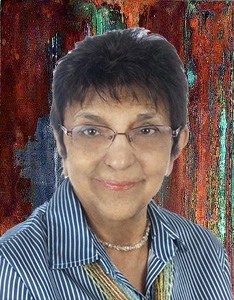
TERESA FERNANDEZ HERRERA.
Periodista, Escritora, Editorialista. CDG de Cultura. COLUMNISTA
---------------------------------------------------------------------------------------------------------------
Hoy traemos a Culturas del Mundo, la tremenda historia de Juana I de Castilla, por su vinculación a muchos países de Europa: Archiduquesa de Austria, Duquesa de Borgoña, Condesa de Flandes, Reina de Castilla, Aragón, Navarra, Nápoles, Sicilia y el Nuevo Mundo. Si hay una mujer del Renacimiento que fue víctima de todos los hombres de su familia, fue Juana I de Castilla, mal llamada “Juana la Loca”
Today we bring to Cultures of the World, the tremendous story of Juana I of Castile, for her links to many countries in Europe: Archduchess of Austria, Duchess of Burgundy, Countess of Flanders, Queen of Castile, Aragon, Navarre, Naples and the New World . If there is a Renaissance woman who was a victim of all the men in her family, it was Juana I of Castile, wrongly called “Juana la Loca.”
Recientemente he tenido ocasión de ver el conocido monólogo “Juana” de Manuel Ballesta, representado por la actriz Mar Galera, en el que la reina reflexiona sobre su vida desde su soledad y confinamiento eterno.
I recently had the opportunity to see the well-known monologue “Juana”, performed by the actress Mar Galera, in which the queen reflects on her life from her loneliness and eternal confinement.

Reflexiones que reflejamos aquí, ateniéndonos a hechos dentro de lo posible.
Reflections that we reflect here, sticking to facts as much as possible.
Las noticias que nos llegan de la joven Juana es que era inteligente y estudiosa, que dominaba el latín, el griego y el francés, algo que no podía decirse de muchos príncipes de su tiempo. Era muy aficionada a la música, era virtuosa del laúd, el clavicordio y el monocordio.. Quizá la princesa mejor preparada del Renacimiento. Parece que a su madre, Isabel, le preocupaba que no se interesase mucho por la religión, en esos tiempos un problema.
The news that reaches us about the young Juana is that she was intelligent and studious, that she mastered Latin and Greek, something that could not be said of many princes of her time. She was very fond of music, she was a virtuoso of the lute, the harpsichord and the monochord… Perhaps the best prepared princess of the Renaissance. It seems that his mother, Isabel, was worried that he was not very interested in religion, which was a problem in those times.
Ella no era heredera de nada, por nacimiento estaba destinada a ser un hermoso ornamento o reina consorte en cualquier corte europea.
She was not an heir to anything, by birth she was destined to be a beautiful ornament in any European court.
Isabel, su madre, había rechazado a todos los pretendientes que le buscaban su hermano el rey Enrique IV y sus validos. Rechazó dos veces al rey de Portugal, que estuvo a punto de ser causa de una guerra, rechazó al Duque de Anjou, hermano del rey de Francia y se casó con quién ella quiso, el príncipe Fernando de Aragón.
Isabel, his mother, had rejected all the suitors sought for her by her brother, King Henry IV, and his followers. She twice rejected the king of Portugal, which almost caused a war, she rejected the Duke of Anjou, brother of the king of France, and married whoever she wanted, Prince Ferdinand of Aragon.
Pero, para sus hijas e hijo buscó matrimonios de conveniencia por toda Europa. Isabel con el rey de Portugal, Juan con Margarita de Austria, Juana con Felipe archiduque de Austria, Gran Duque de Borgoña y conde de Flandes, Catalina con Enrique de Inglaterra y María con el viudo de su hermana rey de Portugal.
But, for her daughters and son, she looked for husbands of convenience throughout Europe. Elizabeth with the King of Portugal, John with Margaret of Austria, Joan with Philip Archduke of Austria, Grand Duke of Burgundy and Count of Flanders, Catherine with Henry of England and Mary with her sister’s widower King of Portugal.
Todo parecía perfecto, pero Isabel murió de sobreparto, Juan de una extraña dolencia a los veinte años. Su joven esposa, Margarita esperaba un hijo, que nació muerto. Y cuando murió el príncipe Miguel de la Paz, hijo del rey de Portugal y de la fallecida Isabel, Juana, que no esperaba ninguna herencia se convirtió en heredera de Castilla, Aragón, Navarra, Nápoles, Sicilia y el Nuevo Mundo.
Everything seemed perfect, but Isabel died of over-childbirth, Juan of a strange ailment at the age of twenty. His young wife, Margarita, was expecting a son, who was stillborn. And when Prince Miguel de la Paz, son of the king of Portugal and the deceased Isabel, died, Juana, who did not expect any inheritance, became heir to Castile, Aragon, Navarre, Naples and the New World.
La mayor desgracia que le pudo ocurrir. Juana, que ya había sido maltratada por su marido, quién le retiró el séquito que la había acompañado desde Castilla en su viaje a Flandes para casarse, tuvo la desgracia añadida de enamorarse locamente de él, o como diríamos ahora, tener una pulsión sexual exacerbada. Pero al convertirse en heredera, a Felipe llamado el Hermoso, se le desató la ambición de ser, no rey consorte, sino rey titular. Pero ahí estaba el padre de Juana, Fernando, que también quería ser rey de Castilla desde la muerte de su esposa Isabel I, y que no se fiaba ni un pelo de su yerno Felipe y con razón, porque ya se la había jugado aliándose con el rey de Francia, en ese momento enemigo de España. Así que en lo que sí se pusieron de acuerdo fue en ponerse en contra de que Juana gobernase.
The greatest misfortune that could have happened. Juana, who had already been mistreated by her husband, withdrawing the entourage that had accompanied her from Castile on her trip to Flanders to get married, had the added misfortune of falling madly in love or, as we would say now, having an exacerbated sexual drive. But upon becoming heir, Philip, called the Fair, unleashed his ambition to be, not a consort king, but a titular king. But there was Juana’s father, Fernando, who also wanted to be king of Castile, who did not trust his son-in-law Felipe one bit and with good reason, because he had already risked allying himself with the king of France, at that time enemy of Spain. So what they did agree on was to be against Juana ruling.
Parece obvio que Juana tuviese alguna rareza. Llevaba años de maltrato a sus espaldas, los continuos ligues de Felipe con sus propias doncellas, que ella no soportaba; separarla de sus hijos, incluso antes de su primer viaje a Castilla como herederos, hijos que nunca se movieron de Flandes. Someterla a confinamientos y a la pobreza; la separación de su marido cuando él regresó a Flandes, porque estaba embarazada de su hijo Fernando, que nació en Castilla le alteraron profundamente.
It seems obvious that Juana had some oddity. She had years of abuse behind her, Felipe’s continuous affairs with his own maids, which she could not stand; separate her from her children, who never left Flanders. Subject it to confinements and poverty; separating her from her husband, when on their first trip to Castile as heirs, they did not allow her to return with him to Flanders because she was pregnant with their son Fernando, who was born in Castile.
Todo sin contar con ella, así era entonces, pero para una mujer inteligente, ese maltrato continuado de ninguneo, de no poder decidir nada de su vida, por fuerza había de tener consecuencias. Y es normal que gritara de impotencia, que se desesperara…
All without counting on her, and for a woman of that time, for her intelligent misfortune, this continued abuse of being ignored, of not being able to decide anything about her life, had to have consequences. And it is normal that he screamed of helplessness, that he became desperate…
Felipe tenía veintiocho años cuando murió de una rápida enfermedad en Castilla. Que Juana se desesperara, no lo asumiera, se negara a creerlo, es algo que ha ocurrido muchas veces , cada uno vive sus duelos según sus posibilidades y las de Juana eran muchas.
Felipe was twenty-eight years old when he died of a rapid illness in Castile. That Juana became desperate, did not assume it, refused to believe it, is something that has happened many times, each person lives their duels according to their possibilities and Juana’s were many.
Su padre, ya sin yerno de por medio, fue quién la discapacitó y quién la encerró en el castillo fortaleza de Tordesillas, de donde solo salió muerta. Para su desgracia vivió setenta y cinco años y tenía veinticinco cuando la encerraron. Cincuenta años de confinamiento forzado. Tuvo a su hija póstuma Catalina, su única compañía. Tuvo guardianes maltratadores.
Her father, now without a son-in-law involved, was the one who disabled her and locked her in the castle fortress of Tordesillas, from where she emerged dead. Unfortunately for her, she lived to be seventy-five years old and was twenty-five when she was locked up. Fifty years of forced confinement. He had his posthumous daughter Catalina, his only company. He had abusive guardians.
A Juana le presionaron ferozmente para que firmara su abdicación, cosa que nunca hizo. Así que lucidez, tenía. Muerto su padre en 1616, el heredero, su hijo Carlos, vino por primera vez a España, y reinó como lo había hecho su abuelo, de forma delegada, porque la reina siempre fue Juana. Reina nominal, pero reina legítima.
Juana was fiercely pressured to sign her abdication, which she never did. So lucidity, I had. After his father died in 1616, the heir, his son Carlos, came to Spain for the first time, and reigned as his grandfather had done, in a delegated manner, because the queen was always Juana. Nominal queen, but legitimate queen.
Sabemos de una anécdota terriblemente cruel. Carlos vino a España con sus hermanas, Leonor e Isabel. Fueron a visitar a su madre en Tordesillas. Se sabe que la mayor, Leonor le dijo: “Habéis tenido hijos pero no habéis sido madre”. Eso a una pobre mujer, separada a la fuerza de ellos desde la infancia. Y lo peor. Se llevaron a Catalina, único consuelo de Juana, porque “allí no vivía como una princesa”.
We know of a terribly cruel anecdote. Carlos came to Spain with his sisters, Leonor and Isabel. They went to visit their mother in Tordesillas. It is known that the eldest, Leonor, told her: “You have had children but you have not been a mother.” That to a poor woman, forcibly separated from them since childhood. And the worst. They took Catalina, Juana’s only consolation, because “she didn’t live like a princess there.”
La reacción de Juana fue tan violenta que aquellos desalmados tuvieron que devolvérsela. Años más tarde se la llevaron definitivamente para casarla con el rey de Portugal, Juan III. Era el año 1525. A Juana le quedaban treinta años más de confinamiento y soledad.
Juana’s reaction was so violent that those heartless people returned her to her until years later when they took her away permanently to marry her to the king of Portugal, Juan III. It was the year 1525. Juana had thirty more years of confinement and solitude left.

Juana fue la maestra de su hija Catalina, a quién enseñó todo lo que ella sabía, que era mucho. Le aficionó a la música y hay documentación de que la niña, a pesar del confinamiento, era feliz y risueña. Eso, ¿lo consigue una madre loca?.
Juana was her daughter Catalina’s teacher, to whom she taught everything she knew, which was a lot. She became interested in music and there is documentation that the girl, despite confinement, was happy and smiling. Does a crazy mother achieve that?
Se da la circunstancia de que en el año 1555, murió Juana y abdicó su hijo Carlos en Bruselas de todos sus reinos a la edad de 55 años. Es decir, Carlos nunca fue rey nominal de los reinos de España, porque su madre falleció sin abdicar.
It so happens that in 1555, Juana died and her son Charles abdicated all his kingdoms in Brussels at the age of 55. That is, Carlos was never nominal king of the kingdoms of Spain, because his mother died without abdicating.
Hoy en día se pone muy en duda la locura de Juana. De lo que no hay duda es de que ha sido una de las mujeres peor maltratadas de la Historia.
Nowadays, Juana’s madness is highly questioned. What there is no doubt is that she has been one of the worst abused women in history.
Mar Galera teatraliza todo esto de forma tan real que causa angustia.
Mar Galera dramatizes all this in such a real way that it causes anguish.
Descubre más desde LA AGENCIA MUNDIAL DE PRENSA
Suscríbete y recibe las últimas entradas en tu correo electrónico.

Juana de Arco, para mi, ha sido una de las figuras más emblemáticas de nuestra historia, y en especial de la Iglesia Católica. Para mi, fue una mujer de fe y de gran valor con un destino marcado por lo tragico, donde sus convicciones espirituales, chisqueron a muchos y dieron esperanza a otras muchas personas. Era una mujer culta, de gran fortaleza y firmeza que no se dejaba dominar, y en esos tiempos, es difno de admirar.
Fue poco entendida, y mal interpretada por quienes se oponían a ella y a su liderazgo espiritual. Sus conocimientos bíblicos eran muy extensos, por eso supo defenderse con astucia e inteligencia de quienes le acusaron injustamente.
Juana fue, para mí, adelantada a su tiempo. Una mujer humilde, que no buscaba ser venerada. Se consideraba pecadora, como el resto de los mortales y pedía perdón por sus faltas, según cuenta su historia. Una mujer que no buscaba su propia gloria, sino que se sometía siemore a la voluntad de Dios.
Gracias Teresa por hablar de un personaje relevante en nuestra historia, que además es mujer.
Me gustaMe gusta