

Nuclear survivors of Hiroshima and Nagasaki visit Cartagena de Indias 2024

Prensa Especializada
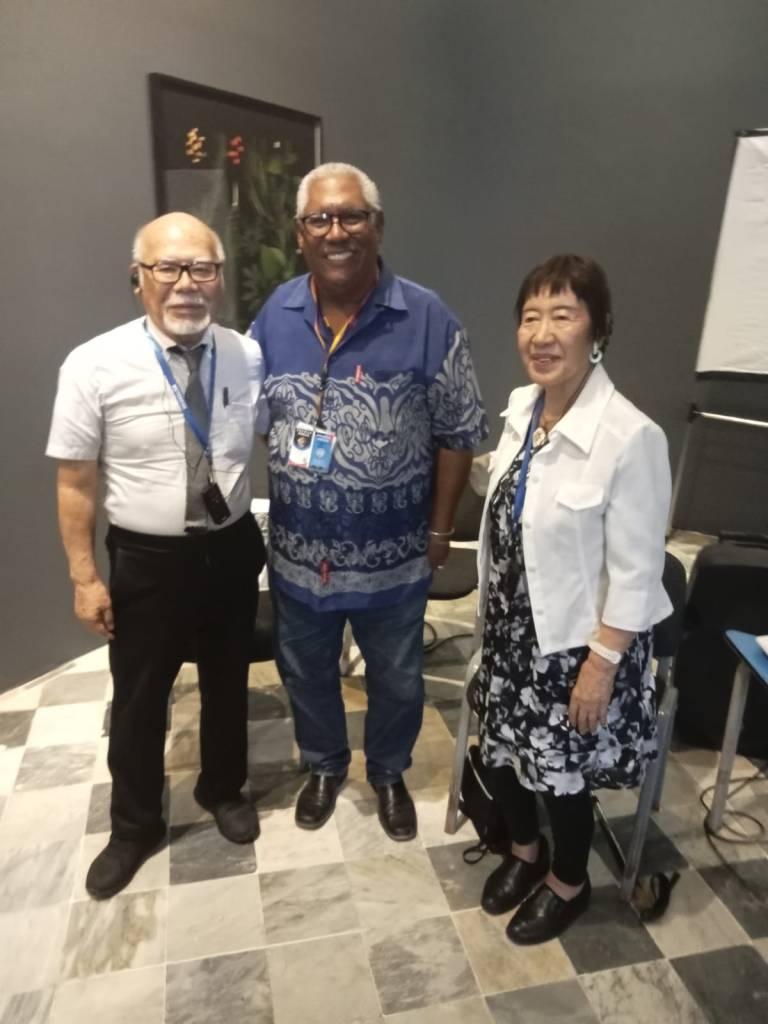
Estos dos sobrevivientes internacionales de la bomba nuclear lanzada en Hiroshima y Nagasaki en 1945 nos honraron con su visita a Cartagena de Indias para compartir su testimonio y llamar la atención, con su voz y presencia, contra el uso de las armas nucleares.
These two international survivors of the nuclear bomb dropped on Hiroshima and Nagasaki in 1945 honored us with their visit to Cartagena de Indias to share their testimony and draw attention, with their voice and presence, against the use of nuclear weapons.
En su recorrido en el Barco de la Paz que recorre el mundo con sobrevivientes de Hiroshima y Nagasaki, en un importante conversatorio en el Museo Histórico de Cartagena, en este junio de 2024 nos contaron sus experiencias.
During their journey on the Peace Boat that travels the world with survivors of Hiroshima and Nagasaki, in an important conversation at the Historical Museum of Cartagena, in June 2024 they told us about their experiences.
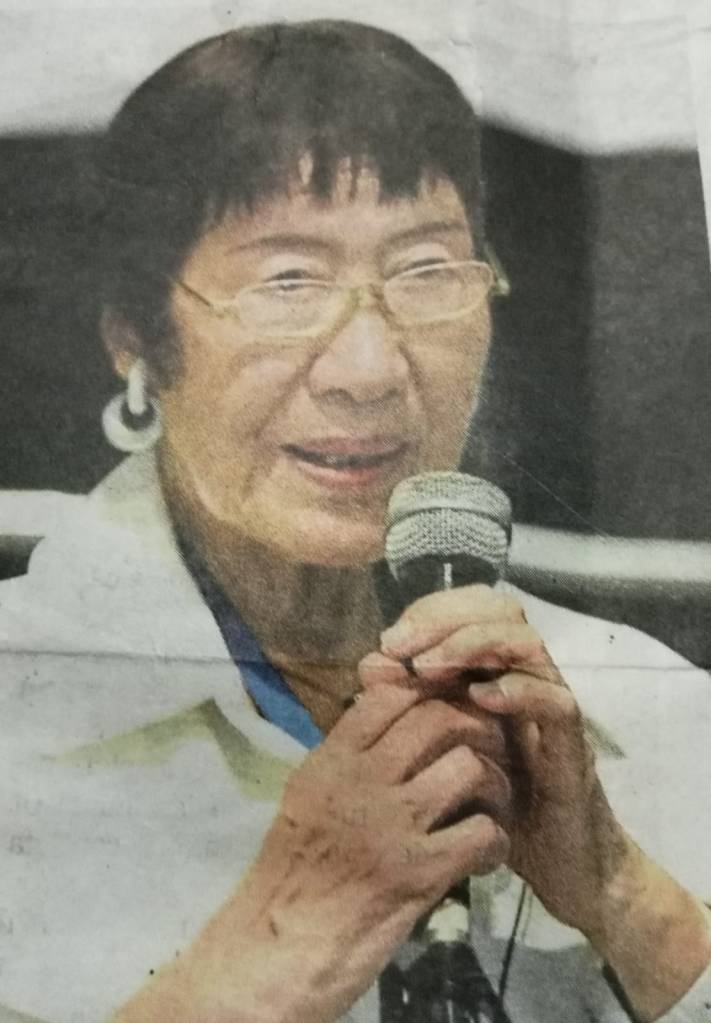
Tamaka Toshiko cuenta que ese fatídico día ella se dirigía a su escuela primaria. Eran las 08.00 a. m. de aquel 6 de agosto de 1945 cuando la bomba nuclear cayó sobre la ciudad, dejando más de 80 mil personas muertas y otras 50 mil que fallecieron a consecuencia de la explosión. De ese instante nos cuenta que era como un esplendor cegador, el aire se volvió ardiente y un polvo caliente invadió todo, llegando a ocultar al sol. Su piel se llenó de ampollas, y en su boca y labios percibía un extraño sabor a polvo de escombros. Todo estaba destruido: el hospital, la escuela. Su madre buscaba cómo ayudarle, y en su destruida casa vio un fragmento de cielo azul que le devolvió la esperanza de vivir. Hoy, a sus 85 años, lo recuerda como el momento en que supo que había un mañana.
Tamaka Toshiko says that on that fateful day she was on her way to her primary school. It was 8:00 a.m. m. of that August 6, 1945 when the nuclear bomb fell on the city, leaving more than 80 thousand people dead and another 50 thousand who died as a result of the explosion. He tells us about that moment that it was like a blinding splendor, the air became burning and a hot dust invaded everything, even hiding the sun. His skin was filled with blisters, and in his mouth and lips he smelled a strange taste of rubble dust. Everything was destroyed: the hospital, the school. His mother was looking for a way to help him, and in her destroyed house she saw a fragment of blue sky that gave her hope of living. Today, at 85 years old, he remembers it as the moment he knew there was a tomorrow.
Celebra estar en Colombia y reconoce la labor realizada por el país en la lucha contra las minas terrestres, además insiste en que los problemas de los países no se resuelven con armas nucleares.
He celebrates being in Colombia and recognizes the work done by the country in the fight against landmines, and also insists that countries’ problems cannot be solved with nuclear weapons.

Tadayoshi Ogawa tenía un año de edad cuando cayó la bomba en Nagasaki. Hoy, a sus 80 años, nos cuenta que vivía a 8 kilómetros de Nagasaki, su familia sobrevivió y sigue viva después de esa bomba del 09 de agosto. Tadayoshi viaja en este barco de paz, contando esta horrible historia de destrucción y dolor de la bomba nuclear lanzada contra dos ciudades de Japón. Este fotógrafo lidera el proyecto NUNCA OLVIDEMOS, en el que espera obtener mil fotos de Nagasaki para la conmemoración de los cien años de ese holocausto que horrorizó al mundo entero, y se alegra de todo corazón cuando nos presenta a su nieta, quien le acompaña y continuará con este legado. Entre las dos ciudades se calcula que murieron más de 214.000 personas víctimas de la explosión de las bombas.
Tadayoshi Ogawa was one year old when the bomb fell on Nagasaki. Today, at 80 years old, he tells us that he lived 8 kilometers from Nagasaki, his family survived and is still alive after that bomb on August 9. Tadayoshi travels on this ship of peace, telling this horrible story of destruction and pain from the nuclear bomb dropped on two cities in Japan. This photographer leads the NEVER FORGET project, in which he hopes to obtain a thousand photos of Nagasaki for the commemoration of the hundred years of that holocaust that horrified the entire world, and he is heartily happy when he introduces us to his granddaughter, who accompanies him and will continue this legacy. Between the two cities, it is estimated that more than 214,000 people died as victims of the bomb explosion.
El Barco de la Paz después de dejar a Cartagena, continua su ruta por el mundo y a bordo estos dos ilustres personales que aun siguen luchando por el no uso de las armas nucleares.
The Peace Boat, after leaving Cartagena, continues its route around the world and on board these two illustrious people who still continue to fight for the non-use of nuclear weapons

Este conversatorio es de los que se llevan en el corazón y fue un honor para La Agencia Mundial de Prensa estar presente y conocer a Tamaka y Tadayoshi en este relato tan conmovedor que nos hace sentir por lo que pasaron. Adiós queridos y recordados amigos, buena mar.
This conversation is one that is held in the heart and it was an honor for the World Press Agency to be present and meet Tamaka and Tadayoshi in this moving story that makes us feel what they went through. Goodbye dear and remembered friends, good sea.
Descubre más desde LA AGENCIA MUNDIAL DE PRENSA
Suscríbete y recibe las últimas entradas en tu correo electrónico.

