
«Casa Sordera» and its «Herencia cantaora»

Prensa Especializada
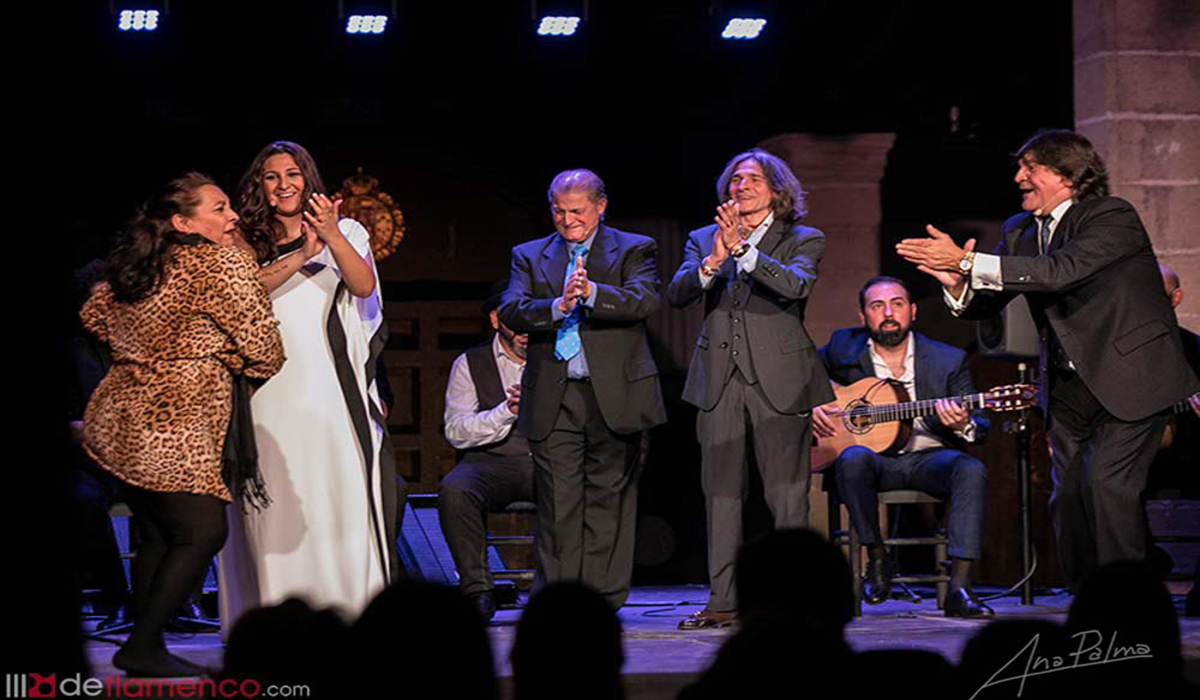
Vicente Soto Sordera, su hermano Enrique Soto y su hija Lela Soto, cantaores gitanos del histórico Barrio de Santiago de Jerez de la Frontera, dejaron ayer viernes 23 de febrero su Herencia cantaora, acompañados por las guitarras de Vicente Santiago y Antonio Malena, y las palmas y jaleos de Ángel Peña y Manuel Soto en la Sala de Cámara del Auditorio Nacional. Todos de Jerez, todos de la familia Sordera.
Vicente Soto Sordera, his brother Enrique Soto and his daughter Lela Soto, gypsy singers from the historic Santiago neighborhood of Jerez de la Frontera, left their singing heritage yesterday, Friday, February 23, accompanied by the guitars of Vicente Santiago and Antonio Malena, and the clapping and jaleos by Ángel Peña and Manuel Soto in the Chamber Room of the National Auditorium. All from Jerez, all from the Sordera family.
No es la primera vez que asisto a un concierto de Herencia Cantaora. Nunca es el mismo, ni son los mismos, porque esta familia tiene recursos e historia para hacerlo. Vicente Soto, el Patriarca actual de la familia, su hermano Enrique, luciendo figura de gitano cabal, sombrero incluido. Lela cada vez más exquisita en estilo y registros de su hermosa voz lírica de soprano ligera.
This is not the first time I have attended a Herencia Cantaora concert. It is never the same, nor are they the same, because this family has the resources and history to do it. Vicente Soto, the current Patriarch of the family, his brother Enrique, looking like a complete gypsy, hat included. Lela increasingly exquisite in style and registers of her beautiful lyrical light soprano voice.
Genuino cante jerezano. Y digo esto porque cantaores hay muchos en Jerez, pero no todos tienen eso que llamo esencia jerezana, que tiene además de la forma de cantar tan identitaria, tan bien entonada y dicha, sostenida y arpegiada, con matices y quejíos propios, algo más que además de todo eso tienen los Sordera, empezando por el Patriarca. La humildad, la comunicación cercana y respetuosa con el público, siempre diciendo lo que van a cantar, de donde o de quién procede el cante, a quién se lo dedican a quién recuerdan. Empatía. Se ponen de pie para comunicar, como debe ser.
Genuine Jerez singing. And I say this because there are many singers in Jerez, but not all of them have what I call Jerez essence, which, in addition to the way of singing so distinctive, so well intoned and said, sustained and arpeggiated, with its own nuances and quejíos, something more than In addition to all that, the Deaf people have it, starting with the Patriarch. Humility, close and respectful communication with the public, always saying what they are going to sing, where or who the song comes from, who they dedicate it to, who they remember. Empathy. They stand up to communicate, as they should.
Digo esto porque como todos sabemos los hay que pegan el trasero a la silla desde que salen hasta que se van y no dan ni las buenas noches al público. Y eso, canten como canten, no es esencia…
I say this because, as we all know, there are those who stick their butts to the chair from the moment they leave until they leave and don’t even say good night to the public. And that, no matter how they sing, is not essence…
Deleitó Enrique empezando el concierto con un surtido de cantes antiguos a capella empezando por martinetes. Razón tiene para ello, porque como muy bien recuerda mi colega Fermín Lobatón en su presentación del concierto y yo tengo escrito por alguna parte, la herencia cantaora de los Sordera de Jerez se remonta al siglo XIX, a lo más pionero del cante jerezano, a Francisco Valencia Soto, artísticamente Paco la Luz, creador de una seguiriya que si no fue la primera, está entre las primeras de la historia de la seguiriya en el Flamenco, cuando aún no se llamaba flamenco.
Enrique delighted by starting the concert with an assortment of old a cappella songs starting with martinetes. There is reason for this, because as my colleague Fermín Lobatón very well remembers in his presentation of the concert and I have written somewhere, the singing heritage of the Sordera de Jerez dates back to the 19th century, to the most pioneering of Jerez singing, to Francisco Valencia Soto, artistically Paco la Luz, creator of a seguiriya that, if not the first, is among the first in the history of the seguiriya in Flamenco, when it was not yet called flamenco.
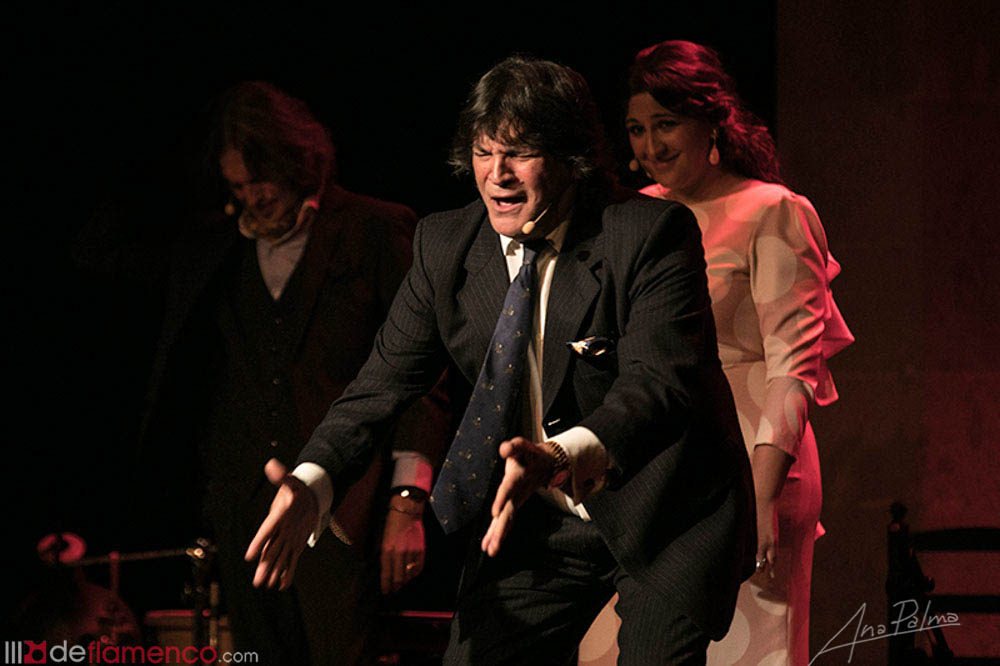
Luego Lela, la benjamina cantaora de la familia, que cada vez que se le escucha se le nota su continuo crecimiento como cantaora, en voz, en exquisitez, en perfeccionamiento vocal, en todo. Recordó a la Niña de los Peines y a “Tito Chano”, cantó por ellos, y recordó también que ella como artista de última generación canta como canta, aunque siempre tenga sus raíces cantaoras en su memoria.
Then Lela, the youngest singer of the family, who every time you listen to her you can see her continuous growth as a singer, in voice, in exquisiteness, in vocal improvement, in everything. She remembered Niña de los Peines and “Tito Chano”, she sang for them, and also remembered that as a cutting-edge artist she sings the way she sings, although she always has her cantaora roots in her memory.
El Patriarca se nos fue por un ratito a Sevilla y recordó a Antonio Machado, el gran poeta sevillano que como recordó Vicente Soto murió en una ciudad francesa huyendo de la muerte y luchando por la libertad al inicio de 1939. Añado, esa ciudad es Colliure en los Pirineos franceses y allí sigue enterrado, no porque España no haya reclamado su retorno, que lo ha hecho. Es que los franceses, históricos acogedores de artistas, le quieren entre ellos.
The Patriarch went to Seville for a little while and remembered Antonio Machado, the great Sevillian poet who, as Vicente Soto recalled, died in a French city fleeing death and fighting for freedom at the beginning of 1939. I add, that city is Collioure in the French Pyrenees and he remains buried there, not because Spain has not demanded his return, which it has done. The thing is that the French, historically welcoming artists, want him among them.
El Patriarca con su voz tan flamenca y jerezana, con sus gotas de aguardiente, su planta de gitano cabal, flamenco y elegante, un maduro atractivo como se dice ahora, y muy bien dicho, nos regaló una soleá por bulerías, entre otros palos, que como él bien dijo la soleá por bulerías es una bulería machacá. Bravo maestro, un placer escucharle. Y por alegrías, unas alegrías made in Casa Sordera, tan especiales.
The Patriarca with his very flamenco and Jerez voice, with his drops of brandy, his gypsy spirit, flamenco and elegant, an attractive mature man as they say now, and very well said, gave us a soleá por bulerías, among other palos, As he rightly said, soleá por bulerías is a bulería machacá. Bravo teacher, a pleasure to listen to you. And for joys, some joys made in Casa Sordera, so special.
Recrearon Jerez, nos hicieron sentir en esa hermosa e histórica ciudad, desde Asta Regia hasta el Jeré de hoy, su tierra, que aman como nadie y así lo transmiten. Porque el primer elemento de la esencia jerezana, es, que no lo había dicho antes, su amor a Jerez, su orgullo de ser de Jerez. Y eso los Sordera lo sienten a carta cabal.
They recreated Jerez, they made us feel in that beautiful and historic city, from Asta Regia to today’s Jeré, their land, which they love like no one else and transmit it that way. Because the first element of the Jerez essence is, which I had not said before, its love for Jerez, its pride in being from Jerez. And the Deaf people feel that fully.
Un final por bulerías, fin de fiesta por todo lo grande, con todos aportando sus pasos de baile, porque aunque lo suyo no sea bailar, tienen toda la grasia marca de Jerez.
A bulerías finale, a grand finale of the party, with everyone contributing their dance steps, because although dancing is not their thing, they have all the grace of Jerez.
Total. Que nos alegraron la noche, nos hicieron pasarlo tan bien como lo pasan ellos. Transmiten arte y divertimento, Dios los bendiga.
Total. They made our night happy, they made us have as much fun as they did. They transmit art and entertainment, God bless them.
Me voy pá Jeré el jueves 29, ¡bendito sea! su festival flamenco. Canela fina.
I’m leaving for Jeré on Thursday the 29th, bless him! its flamenco festival. Fine cinnamon.
NOTA: Las fotos son de otra «Herenciacantaora»
NOTE: The photos are from another «Herenciacantaora»
Descubre más desde LA AGENCIA MUNDIAL DE PRENSA
Suscríbete y recibe las últimas entradas en tu correo electrónico.
