
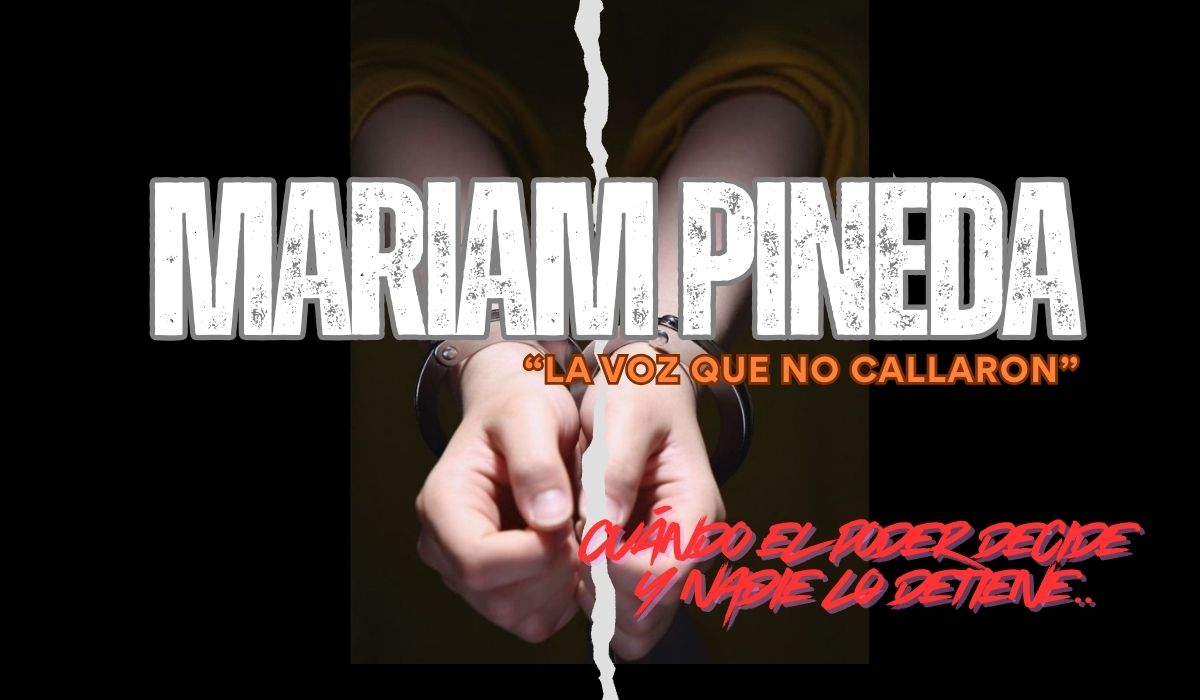
Mariam Pineda: When power decides and no one stops it…
(Cobardía – Abuso – Conciencia – Epílogo)
(Cowardice – Abuse – Conscience – Epilogue)
Porque toda tragedia tiene un momento exacto en que alguien decide huir.
Alguien decide castigar.
Alguien decide callar.
Y esas decisiones, más que los sentimientos, son las que cambian el destino.Because every tragedy has a precise moment when someone decides to flee. Someone decides to punish. Someone decides to remain silent. And those decisions, more than feelings, are what change destiny.
Si en la primera parte escuchamos a quienes amaron y sostuvieron, hoy escuchamos a quienes eligieron. https://agenciamundialdeprensa.com/2026/03/02/mariam-pineda-nadie-cae-sola-la-primera-parte-del-juicio-invisible/
If in the first part we listened to those who loved and supported, today we listen to those who chose. https://agenciamundialdeprensa.com/2026/03/02/mariam-pineda-nadie-cae-sola-la-primera-parte-del-juicio-invisible/
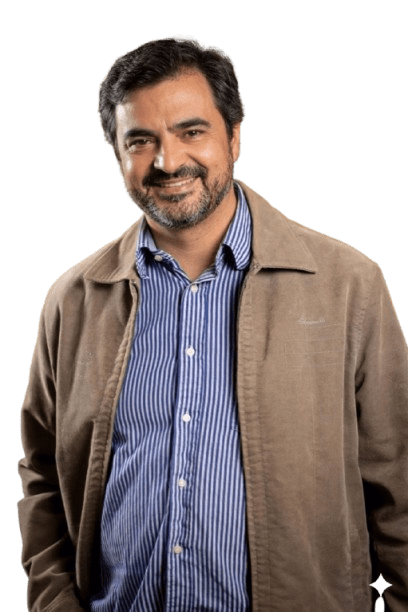
PEDRO «La huida que tuvo nombre ..»
PEDRO «The escape that had a name…»
Pedro no empuñó un arma ni firmó una sentencia. Pero encendió la mecha. Y cuando el riesgo se volvió real, eligió desaparecer.
Mariam guardó su nombre.
Él guardó su libertad. ¿Cobardía, miedo, traición silenciosa?
Pedro didn’t wield a weapon or sign a death warrant. But he lit the fuse. And when the risk became real, he chose to disappear. Mariam kept her name to herself. He kept his freedom to himself. Cowardice, fear, silent betrayal?
CB Pedro, ¿sabías que estabas empujando a Mariam hacia el abismo? Cada quien es dueño de sus actos, yo no empujé a nadie. Lamento que se haya interpretado de esa forma. Tampoco le tendí una trampa o la usé. Es una pena lo sucedido. Si se busca un culpable, cada quien asuma la que le corresponda. La toma de decisiones es personal.
CB Pedro, did you know you were pushing Mariam toward the abyss? Everyone is responsible for their own actions; I didn’t push anyone. I regret that it was interpreted that way. I didn’t set a trap for her or use her either. What happened is a shame. If someone is going to be blamed, let everyone take responsibility for their own actions. Decision-making is personal.
CB ¿En qué momento decidiste huir? Hablan de huir. Yo lo considero un retiro. ¿Acaso quienes se van de un país gobernado por una dictadura no están huyendo también? Mi vida estaba en peligro y me cansé de luchar. Las muertes duelen a quienes se quiere y luego se olvidan. Si me quedaba hubiese corrido la misma suerte que Mariam y la misma de muchos otros, ¿eso cambió las cosas en el país? ¿Quiénes siguen al mando después de tantas muertes? ¿No son acaso los mismos?
CB When did you decide to flee? They talk about fleeing. I consider it a retreat. Aren’t those who leave a country ruled by a dictatorship also fleeing? My life was in danger, and I got tired of fighting. Deaths hurt those you love, and then they’re forgotten. If I had stayed, I would have suffered the same fate as Mariam and many others. Did that change things in the country? Who’s still in charge after so many deaths? Aren’t they the same people?
CB ¿Te fuiste por miedo… o por egoísmo? Por ninguna de las dos. Ya lo dije. Me fui porque estaba cansado de luchar solo. Se buscan mártires, yo no quería serlo. La gente está acostumbrada que otros peleen por ellos. La tiranía no la tumba un hombre o una mujer. El mundo es gobernado por el poder, el dinero y el sexo. Los valores parecieran han perdido terreno y poco importan. Si de verdad quieren derrocar al sistema, hay que atacar a la culebra por la cabeza y dejar de ser peones del sistema, piezas que este necesita para martirizar y atornillarse más en el poder por el miedo que esto genera.
CB Did you leave out of fear… or out of selfishness? Neither. I already said that. I left because I was tired of fighting alone. They’re looking for martyrs, and I didn’t want to be one. People are used to others fighting for them. Tyranny isn’t overthrown by a man or a woman. The world is governed by power, money, and sex. Values seem to have lost ground and matter little. If you truly want to overthrow the system, you have to attack the snake by the head and stop being pawns of the system, pieces it needs to torment and further entrench itself in power through the fear it generates.
CB ¿Esperabas que ella guardara tu nombre? Mariam fue importante para mí. La amé. Lloré a solas su muerte. No sabes cuánto se puede llorar y no poder despedirte. El vacío es enorme. La vida sigue.
CB Did you expect her to keep your name? Mariam was important to me. I loved her. I cried alone when she died. You don’t know how much you can cry and not be able to say goodbye. The emptiness is enormous. Life goes on.
CB Cuando supiste que no te delató, ¿qué sentiste? Que me delatara o no, era lo mismo. ¿Crees que las cosas hubiesen cambiado para ella si me delataba? Si yo hubiese estado en su lugar, si hubiese sido yo el capturado, habría hecho lo mismo.
CB When you found out she didn’t betray you, what did you feel? Whether she betrayed me or not, it was the same. Do you think things would have been different for her if she had betrayed me? If I had been in her place, if I had been the one captured, I would have done the same.
CB ¿La amabas lo suficiente como para quedarte? No le veo el sentido. Si me quedaba hubiésemos sido dos los presos y dos los muertos. El único sentido que podría verle es el de la trascendencia y para eso tendría que creer en la reencarnación. Hay quienes nacen para ser mártires. Con esto no la estoy juzgando ni menospreciando sus actos. Si su muerte afecta al sistema para derrumbarlo, entonces su muerte habría valido la pena, sino sería un número más. El mundo está lleno de números. El dueño del poder se alimenta de ellos. La población se maneja al generar miedo. Usan la muerte de otros para tener a los pueblos gobernados, por el miedo. Me preguntaste antes si tuve miedo, ¿es que es malo tenerlo? El miedo te protege y a veces es necesario. Quizá busqué una excusa y la razón fue miedo, podría verse así, pero si la muerte hubiese sido mía ¿el sistema seguiría igual o cambiaría? Probablemente lo que hubiese cambiado es la estatua en una plaza. ¿A quién estarías entrevistando hoy si hubiese sido yo el muerto? Buscarías la noticia en otro rostro, porque de eso vives, de la noticia, de tus seguidores. Si no hay muertos no hay noticia, y tú no tendrías trabajo. ¿Quién se beneficia de esto? Me imagino que el dueño del poder debe estar riendo mientras come y ve el noticiero. ¿Por qué no vas tú y lo entrevistas a él?
CB: Did you love her enough to stay? I don’t see the point. If I had stayed, there would have been two of us imprisoned and two dead. The only meaning I could see is transcendence, and for that, I would have to believe in reincarnation. Some are born to be martyrs. I’m not judging her or belittling her actions. If her death affects the system enough to bring it down, then her death would have been worthwhile; otherwise, she would just be another statistic. The world is full of numbers. Those in power feed on them. The population is manipulated by generating fear. They use the deaths of others to keep people governed through fear. You asked me earlier if I was afraid. Is it wrong to be afraid? Fear protects you, and sometimes it’s necessary. Perhaps I looked for an excuse, and the reason was fear. It could be seen that way, but if I had died, would the system have stayed the same or changed? Probably what would have changed is the statue in a plaza. Who would you be interviewing today if I had been the one who died? You’d look for the news in someone else’s face, because that’s how you make a living, from the news, from your followers. If there are no deaths, there’s no news, and you wouldn’t have a job. Who benefits from this? I imagine the one in power must be laughing while he eats and watches the news. Why don’t you go and interview him?
CB ¿Te pesa más la culpa o el alivio de no haber sido detenido? Por supuesto que el alivio. Si te detienen pierdes. ¿Has jugado alguna vez al escondite? Si te consiguen pierdes y se acaba el juego. En sociedad se es más útil libre que preso, sino no hubiese cárceles.
CB: Do you feel more guilt or relief at not being arrested? Of course, relief. If you’re arrested, you lose. Have you ever played hide-and-seek? If they find you, you lose, and the game is over. In society, one is more useful free than imprisoned; otherwise, there wouldn’t be prisons.
CB Si pudieras hablar con ella hoy, ¿le pedirías perdón… o volverías a huir? ¿Por qué insistir en el huir? Porque me fui, supongo ¿Por qué perdón? Cada quién es dueño de sus actos. ¿Es que la apresaron a ella para dar con mi paradero o porque pensaron que su voz podría derrumbarlos o quizá porque necesitaban de ella para seguir amedrentando? La maldad crece en el caos.
CB: If you could speak with her today, would you ask for forgiveness… or would you run away again? Why insist on running away? Because I left, I suppose. Why forgiveness? Everyone is responsible for their own actions. Did they arrest her to find me, or because they thought her voice could bring them down, or perhaps because they needed her to continue intimidating others? Evil thrives in chaos.
A veces no condena quien acusa.
Condena quien abandona.
Sometimes the accuser doesn’t condemn. The one who abandons condemns.
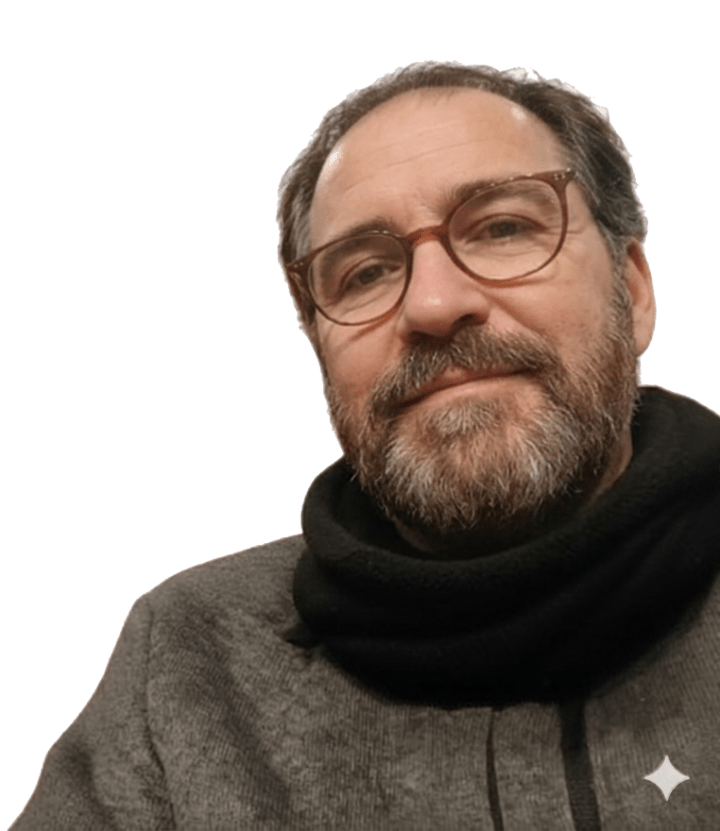
PEDROSA El uniforme que no toleró un “no”
PEDROSA The uniform that wouldn’t tolerate a «no»
Pedrosa tenía rango, autoridad y poder institucional.
Lo que no tuvo fue aceptación. El rechazo de Mariam no fue un gesto menor: fue una herida en su ego.
Y cuando el poder se siente desafiado, puede volverse implacable. ¿Abuso de poder, venganza estructural?
Pedrosa had rank, authority, and institutional power.
What he lacked was acceptance. Mariam’s rejection was no small gesture: it was a blow to his ego.
And when power feels challenged, it can become ruthless. Abuse of power, systemic revenge?
CB: Pedrosa, ¿desde cuándo confunde usted autoridad con derecho sobre el cuerpo y la dignidad de una mujer? Desde siempre, desde que me tratataba con desden cuando era joven.
CB: Pedrosa, since when have you confused authority with a right over a woman’s body and dignity? Always, ever since you treated me with disdain when I was young.
CB Cuando Mariam rechazó sus insinuaciones, ¿se sintió herido… o desafiado? Desilusionado, no es más que una mujer más, con aires de grandeza, pronto se vera olvidada
CB: When Mariam rejected your advances, did you feel hurt… or challenged? Disillusioned. She’s just another woman, with airs of grandeur; she’ll soon be forgotten.
CB ¿Fue su condena un acto de justicia o de venganza? ¿Venganza, justicia? NO, quizás despecho, nadie y menos una mujer me trata así y no sé aviene a mis deseos
CB: Was her conviction an act of justice or revenge? Revenge, justice? No, perhaps spite. No one, least of all a woman, treats me like that and doesn’t comply with my desires.
CB ¿Cuántas veces ha utilizado su uniforme como escudo para sus deseos personales? El uniforme ayuda pero el hombre está detrás, con la combinación poder y miedo se consigue todo
CB: How many times have you used your uniform as a shield for your personal desires? The uniform helps, but the man is behind it. With the combination of power and fear, you can get anything.
CB ¿Le molestaba más la rebeldía de Mariam o su integridad? Ambas y su empatía por el pueblo y no por mi.
CB: Did Mariam’s rebelliousness or her integrity bother you more? Both, and her empathy for the people, not for me.
CB ¿Qué le resultó imperdonable: que no cediera… o que no tuviera miedo? Que no cediera, una mujer como ella no tiene o no aparenta tener miedo, es demasiado orgullosa.
CB: What did you find unforgivable: that she wouldn’t give in… or that she wasn’t afraid? That she wouldn’t give in; a woman like her isn’t afraid, or doesn’t appear to be. She’s too proud.
CB ¿Alguna vez temió que la verdad saliera a la luz? No lo iba a permitir por eso controlamos los medios de comunicación.
CB: Did you ever fear the truth would come out? I wasn’t going to allow it; that’s why we control the media.
CB Cuando firmó su destino, ¿durmió tranquilo? Muy tranquilo
CB: When you signed your fate, did you sleep soundly? Very soundly.
CB ¿Se considera un hombre de honor? Claro, Dios, patria y justicia
CB: Do you consider yourself a man of honor? Of course, God, country, and justice.
CB Si se quitara el uniforme, ¿qué quedaría? Yo mismo, con menos poder, pero seguiría dando miedo, el uniforme solo me abre puertas y me da alas a mis pulsiones y deseos más bajos y crueles.
CB: If you took off your uniform, what would remain? Myself, with less power, but I would still be frightening. The uniform only opens doors and gives wings to my lowest and cruelest impulses and desires.
El uniforme impone respeto.
Pero no garantiza honor.
The uniform commands respect.
But it doesn’t guarantee honor.
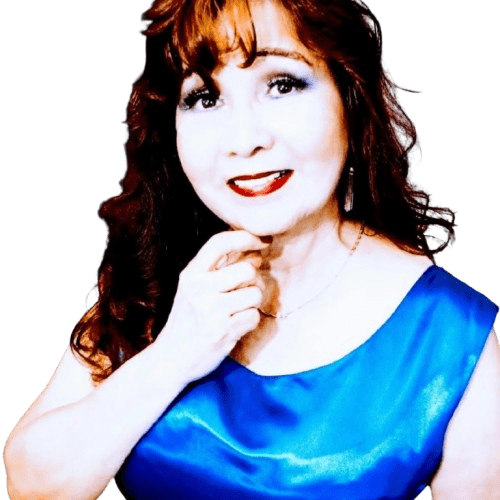
LULY LÓPEZ «La mirada que interpretó la historia«
LULY LÓPEZ «The gaze that interpreted history»
Luly López la periodista americana, presentadora del Plató de Tv Española, no estuvo en el estrado, pero comprendió el peso simbólico de lo que ocurría. Su mirada aportó una lectura distinta: la dimensión humana detrás del conflicto que se preguntaba una y otra vez porque. ¿Interpretación, sensibilidad, reflexión?
Luly López, the American journalist and presenter of the Spanish TV show «Plató,» wasn’t on the panel, but she understood the symbolic weight of what was happening. Her perspective offered a different interpretation: the human dimension behind the conflict, repeatedly asking why. Was it interpretation, sensitivity, or reflection?
CB: Luly, usted ha declarado en varias oportunidades como espacios que Mariam Pineda es “una presa política”. ¿Afirmo, en un programa en directo, que en España no existe separación real de poderes? Así es, es lo que se vió, es lo que entendimos… que España esta bajo una brutal represión, que es lo que el mundo vio en este caso de Mariam Pineda.
CB: Luly, you have stated on several occasions that Mariam Pineda is a “political prisoner.” Did you affirm, on a live program, that there is no real separation of powers in Spain? Yes, that’s what we saw, that’s what we understood… that Spain is under brutal repression, which is what the world witnessed in the Mariam Pineda case.
CB Como periodista estadounidense trabajando en España, ¿considera que este caso coloca a España al nivel de países que usted misma ha criticado por vulneraciones a la libertad ideológica? Así es, en el mundo tenemos casos muy concretos, podríamos mencionar algunos, pero hoy en España con este caso de Mariam Pineda se ha dejado ver un sistema de gobierno autoritario, limitando libertades civiles, con el control absoluto de libertad de expresión a que todo humano, tanto hombre como mujer, tiene derecho.
CB: As an American journalist working in Spain, do you consider that this case places Spain on the same level as countries you yourself have criticized for violations of freedom of expression? Yes, we have very specific cases around the world; we could mention some. But today, in Spain, with the Mariam Pineda case, an authoritarian system of government has been revealed, limiting civil liberties, with absolute control over freedom of expression, to which every human being, both men and women, is entitled.
CB Entonces, usted sostiene que la condena es desproporcionada. ¿Está cuestionando la figura jurídica de la prisión permanente revisable o el modo en que se ha aplicado en este caso concreto. Asi es, porque realmente me cuesta entender, no solo porque soy periodista, sino como mujer libre y pensante y originaria de un país donde puede uno expresarse pacíficamente de cualquier ideología diferente al gobierno, sin consecuencias fatales. cuestiono la figura jurídica de la prisión permanente revisable, porque no hay justificación para que esta excelente mujer, maestra y madre, llegara a estas tan extremas consecuencias solo por pensar diferente, perdiendo su libertad y posteriormente su vida misma, porque lógicamente dentro de una justicia imparcial no tiene por qué llegar a tales extremos, como es en este caso concreto de Mariam Pineda.
CB So, you maintain that the sentence is disproportionate. Are you questioning the legal concept of life imprisonment with review or the way it has been applied in this specific case? Yes, because I really struggle to understand, not only because I am a journalist, but also as a free and thinking woman from a country where one can peacefully express any ideology different from the government’s, without fatal consequences. I question the legal concept of life imprisonment with review because there is no justification for this excellent woman, teacher, and mother to have suffered such extreme consequences simply for thinking differently, losing her freedom and subsequently her life itself. Logically, within an impartial justice system, it shouldn’t reach such extremes, as in this specific case of Mariam Pineda.
CB Si mañana el Tribunal Constitucional ratificara la sentencia. ¿Seguiría defendiendo que Mariam Pineda es inocente o hablaríamos ya de una cuestión de convicción personal más que jurídica? Yo seguiría defendiéndola, estoy convencida que es completamente inocente, y podríamos cuestionarnos ¿si hay alguna persona bajo el poder en estos momentos tan cruciales, que esconde una oscura intención personal, como para perjudicarla al grado de verla muerta? Porque es incomprensible que llegue a tales consecuencias solo por pensar diferente.
CB If the Constitutional Court were to uphold the sentence tomorrow, would you continue to maintain that Mariam Pineda is innocent, or would it then be a matter of personal conviction rather than legal argument? I would continue to defend her. I am convinced that she is completely innocent, and we could question whether there is someone in power at this crucial moment who is hiding a dark personal agenda, one that would harm her to the point of seeing her dead. Because it is incomprehensible that such consequences would befall her simply for thinking differently.
CB ¿No cree que convertir a Mariam en símbolo puede estar alimentando una polarización social peligrosa? No, todo lo contrario. Ojala que esto en un futuro pudiese convertirse en un cambio radical para bien de Espana.
CB Don’t you think that turning Mariam into a symbol could be fueling a dangerous social polarization? No, quite the opposite. I hope that in the future this could become a radical change for the better in Spain.
CB Usted ha usado el hashtag #MariamInocente. ¿No considera que eso puede interpretarse como una toma de partido que compromete su imparcialidad profesional? Antes de mi imparcialidad profesional, esta lo yo como ser humano creo, y uno de ellos es el derecho a la libertad de expresar lo que uno piensa y desea para su país, familia, y para sí mismo.
CB You’ve used the hashtag #MariamInnocent. Don’t you think that could be interpreted as taking sides, compromising your professional impartiality? Before my professional impartiality, there’s what I believe in as a human being, and one of those beliefs is the right to freedom of expression, to express what one thinks and wants for one’s country, family, and oneself.
CB Si Mariam hubiese defendido ideas contrarias a las suyas, ¿la estaría defendiendo con la misma intensidad? Claro que no, yo quizá solo pasaría la noticia de manera imparcial.
CB If Mariam had defended ideas contrary to yours, would you be defending her with the same intensity? Of course not. I might just report the news impartially.
CB ¿Dónde traza usted la línea entre libertad de expresión y posible incitación al desorden público? Ella ha hablado con coherencia, y plasmado en esas banderas bordadas sus ideales, su causa no veo la mencionada incitación.
CB: Where do you draw the line between freedom of expression and possible incitement to public disorder? She has spoken coherently, and embodied her ideals and her cause in those embroidered flags; I don’t see the aforementioned incitement.
CB Como comunicadora, ¿cree que los medios están informando o construyendo un relato emocional que puede influir en la estabilidad institucional? No me parece que sea así, pero creo que igual que yo están sorprendidos de como este caso ha escalado en grandes proporciones para mal, y mis colegas solamente están como yo dando la importancia que este caso merece. Pero por otro lado seria fabuloso que en un futuro se lograse esa estabilidad institucional que España merece.
CB: As a communicator, do you think the media is reporting or constructing an emotional narrative that could influence institutional stability? I don’t think so, but I believe that, like me, they are surprised at how this case has escalated to such a large and negative degree, and my colleagues are simply, like me, giving this case the importance it deserves. But on the other hand, it would be wonderful if, in the future, the institutional stability that Spain deserves could be achieved.
CB Y finalmente, Luly. López… si Mariam estuviera viva y mañana sale de prisión y el tiempo demuestra que la sentencia fue legal y ajustada a Derecho, ¿reconocería usted que se equivocó? Bueno no creo que mis palabras expresadas en los momentos cruciales que vivimos con este caso, las pudiese cambiar, ni arrepentirme de haberlas expresado, porque mis ideales serán hoy, mañana y siempre los mismos.
CB And finally, Luly López… if Mariam were alive and were released from prison tomorrow, and time proved that the sentence was legal and in accordance with the law, would you admit that you were wrong? Well, I don’t think I could change the words I expressed during the crucial moments of this case, nor regret having said them, because my ideals will be the same today, tomorrow, and always.
A veces no se necesita poder para influir.
Se necesita conciencia.
Sometimes you don’t need power to have an influence. You need awareness.
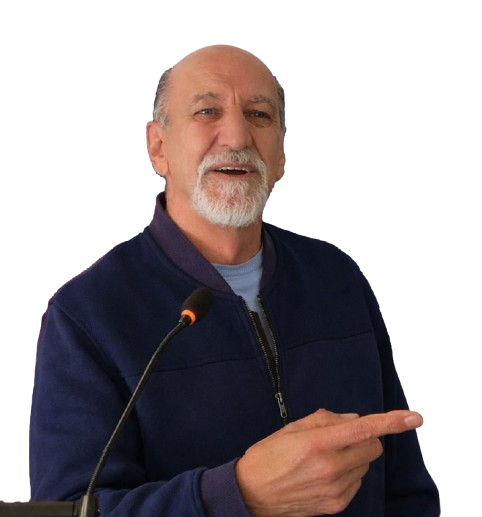
FRANCISCO RUBIO «El Epílogo con memoria»
FRANCISCO RUBIO «The Epilogue with Memory»
Cuando la historia parecía concluida, el epílogo abrió una nueva herida: la memoria. No absolvió.
No suavizó.
Recordó que la justicia legal no siempre coincide con la justicia moral. ¿Conciencia colectiva?
Just when the story seemed to have ended, the epilogue opened a new wound: memory. It offered no absolution. It offered no solace. It reminded us that legal justice does not always coincide with moral justice. Collective conscience?
CB Francisco, o mejor dicho Paco, te entrevisto como la voz que cierra la herida. Cuéntanos, ¿el epílogo fue un cierre o una denuncia? Ambas cosas. Supone un cierre, como broche final de la historia, en el que se deja claro que “mientras exista alguien capaz de amar, sin pedir permiso, de luchar sin miedo, de bordar su ideología en cada gesto… Mariam vivirá”.-Y supone una denuncia, cuando proclamo en el Epílogo, que “cuando Mariam murió tembló la ciudad” , que no murió una mujer. Murió un sistema que creyó que callándola apagaría el fuego, pero su voz… su voz se coló por las ventanas” y no pudieron callarla.
CB Francisco, or rather Paco, I’m interviewing you as the voice that heals the wound. Tell us, was the epilogue a closure or a denunciation? Both. It represents a closure, like the final touch to the story, in which it’s made clear that «as long as there is someone capable of loving without asking permission, of fighting without fear, of embroidering their ideology in every gesture… Mariam will live on.» And it represents a denunciation, when I proclaim in the Epilogue that «when Mariam died the city trembled,» that it wasn’t just a woman who died. A system died that believed silencing her would extinguish the fire, but her voice… her voice slipped through the windows,” and they couldn’t silence her.
CB ¿Qué buscaste despertar en el público: justicia, conciencia o memoria? Bueno realmente el público al escuchar la obra, ya se da cuenta, de que la justicia brilla por su ausencia, que no hay libertad de expresión, que por lo que lucha Mariam, es una causa justa, y que el abuso de autoridad, es lo que prima en la actuación contra Mariam. Busco que estas dos circunstancias queden claras en el público. Causa justa por la que lucha y total ausencia de justicia por quien debería ejecutarla.
CB: What did you hope to awaken in the audience: justice, conscience, or memory? Well, the audience, upon hearing the play, already realizes that justice is conspicuously absent, that there is no freedom of expression, that what Mariam is fighting for is a just cause, and that abuse of power is the prevailing factor in the actions against Mariam. I want these two circumstances to be clear to the audience: the just cause she fights for and the complete absence of justice from those who should be carrying it out.
Remover conciencias es algo que la historia de Mariam Pineda, lleva implícita en su creación ¿Puede haber alguien que no se vea reflejado en su causa?- Y por supuesto activar la memoria, también es algo que pretendo despertar en los oyentes, que no olviden que una vez hubo alguien que luchó por la libertad que ahora disfrutan.
Raising awareness is something that Mariam Pineda’s story inherently carries within its creation. Is there anyone who doesn’t see themselves reflected in her cause? – And of course, activating memory is also something I intend to awaken in the listeners, so they don’t forget that once there was someone who fought for the freedom they now enjoy.
CB ¿Crees que Mariam fue víctima de personas o de un sistema? Aunque Mariam tuvo la mala suerte de caer en las manos de Pedrosa, como juez y persona que abusa de su Autoridad, y morir asesinada bajo sus órdenes, la realidad es que el sistema ya estaba preparado para cortar las alas de libertad con las que soñaba Mariam, disponiendo, a su favor de las leyes injustas, pero escritas, que la condenaban a su pena máxima, si no existía arrepentimiento por su parte.
CB Do you think Mariam was a victim of individuals or of a system? Although Mariam had the misfortune of falling into Pedrosa’s hands, as a judge and someone who abused his authority, and being murdered on his orders, the reality is that the system was already prepared to clip the wings of freedom Mariam dreamed of, using unjust but written laws to its advantage, laws that condemned her to the maximum penalty if she didn’t repent.
CB ¿Por qué decidiste terminar la historia de esa manera? Para despertar y provocar sentimientos en el público, removiendo conciencias y dejando claro, que la muerte de Mariam, marca un antes y un después en la vida de muchos jóvenes, que además de ver en ella a una mártir de la libertad, también ven un referente a seguir, dándose cuenta de todo lo que ha supuesto el legado de Mariam, que muere, sólo por atreverse a soñar, pero disfrutando de su libertad de pensamiento.
CB Why did you decide to end the story that way? To awaken and provoke feelings in the audience, stirring consciences and making it clear that Mariam’s death marks a turning point in the lives of many young people, who, in addition to seeing her as a martyr for freedom, also see her as a role model, realizing the full significance of Mariam’s legacy—she died simply for daring to dream, but enjoying her freedom of thought.
CB ¿El epílogo absuelve, condena o simplemente recuerda? Absuelve de cualquier atisbo de culpa a Mariam, lógicamente. -Condena el disparo de la sentencia, que no duda en culparla de algo que incomoda al Estado y que quiere quitársela de encima. Y recuerda el poder que puede tener una Voz, cuando es seguida por una mayoría de gente que la apoya y que impide que pueda ser silenciada.
CB Does the epilogue absolve, condemn, or simply remember? It absolves Mariam of any trace of guilt, logically. It condemns the verdict, which doesn’t hesitate to blame her for something that makes the State uncomfortable and wants to get rid of her. And it reminds us of the power a Voice can have when it’s followed by a majority of people who support it and prevent it from being silenced.
CB ¿La historia termina… o apenas comienza en la conciencia del espectador? Espero que no termine nunca y que siempre vaya a mejor. La historia nunca acaba, se transforma, cambia, pero siempre sigue su curso. Sin embargo la conciencia del espectador tiene un recorrido más largo y posiblemente infinito. Quizás nunca olvide una situación como ésta, porque, por desgracia, situaciones así, como las que se dan en esta historia de Mariam, se repiten muchas veces a lo largo de esa historia, que nunca termina. Mi deseo es, que permanezca, de por vida, en la mente y en la conciencia del espectador que la escuche.
CB Does the story end… or is it just beginning in the viewer’s consciousness? I hope it never ends and that it always gets better. History never ends; it transforms, it changes, but it always continues its course. However, the viewer’s consciousness has a longer and possibly infinite journey. Perhaps they will never forget a situation like this because, unfortunately, situations like those in Mariam’s story are repeated many times throughout that history, which never ends. My wish is that it remains, for life, in the mind and consciousness of the viewer who hears it.
El epílogo no cerró la historia.
La elevó a reflexión.
The epilogue didn’t end the story. It elevated it to a point of reflection.
VOCES VARIAS «El eco colectivo»
VARIOUS VOICES «The collective echo»
Más allá de los protagonistas, quedaron voces protagónicas y voces sueltas.
Opiniones cruzadas. Testimonios breves.. Ecos de una historia que nadie vivió de la misma manera.
Beyond the main characters, there remained prominent voices and isolated voices. Conflicting opinions. Brief testimonies. Echoes of a story that no one experienced in the same way.
Voces protagónicas…
Leading voices…
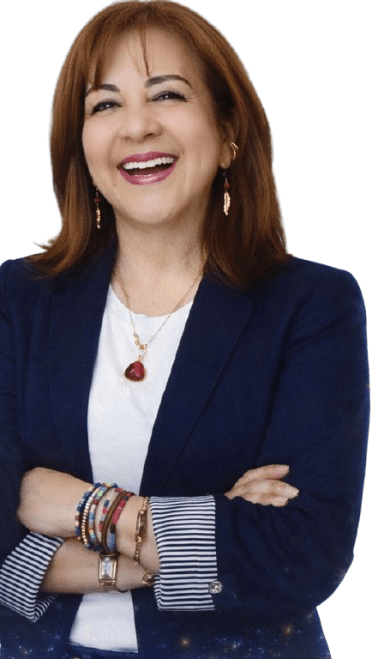
- Abogada defensora de Mariam (Claudia Jaramillo): Ser la abogada defensora en la obra Mariam fue mucho más que asumir mi rol como tal, fue abrazar una causa, una historia y un grito de libertad que atraviesa el tiempo. Sintiendo el peso la injusticia, la impotencia de luchar con argumentos firmes frente a un poder ya decidido a condenar. Defender a Mariam no era solo actuar como letrada, era pararme con convicción frente a un sistema que no quería escuchar. Era intentar que la verdad tuviera espacio en medio del silencio impuesto. Y a pesar de todo, Mariam fue condenada. Murió en su celda. Y esa parte de la historia me estremeció profundamente. Como abogada defensora, sentí la frustración de no poder cambiar el desenlace, el dolor de ver cómo la justicia humana puede fallar. Pero al mismo tiempo entendí algo poderoso: aunque su cuerpo fue encerrado y su vida apagada, su voz no fue silenciada. Ser parte de esta historia me recordó que defender es un acto de valentía, incluso cuando el resultado no es el esperado. Que hay causas que trascienden los fallos y las sentencias. Que la dignidad no la define un veredicto, sino la firmeza con la que se sostiene la verdad. Aún así, me siento honrada de haber sido esa voz que argumentó, que insistió, que no se rindió. Aunque el final fue trágico, el mensaje fue eterno: las voces valientes pueden ser perseguidas, pero nunca olvidadas. Y hoy llevo en el corazón el compromiso de seguir defendiendo, desde donde esté, la justicia, la verdad y la dignidad humana.
Mariam’s Defense Attorney (Claudia Jaramillo): Being Mariam’s defense attorney was much more than simply fulfilling my role; it was embracing a cause, a story, and a cry for freedom that transcends time. I felt the weight of injustice, the powerlessness of fighting with firm arguments against a power already determined to condemn. Defending Mariam wasn’t just acting as a lawyer; it was standing with conviction before a system that refused to listen. It was trying to give the truth a voice amidst the imposed silence. And despite everything, Mariam was convicted. She died in her cell. That part of the story deeply moved me. As her defense attorney, I felt the frustration of not being able to change the outcome, the pain of seeing how human justice can fail. But at the same time, I understood something powerful: although her body was locked away and her life extinguished, her voice was not silenced. Being part of this story reminded me that defending is an act of courage, even when the result is not what one hoped for. There are causes that transcend rulings and sentences. Dignity isn’t defined by a verdict, but by the unwavering commitment to the truth. Even so, I feel honored to have been that voice that argued, that persisted, that never gave up. Although the end was tragic, the message was eternal: courageous voices may be persecuted, but they are never forgotten. And today, I carry in my heart the commitment to continue defending, from wherever I am, justice, truth, and human dignity.
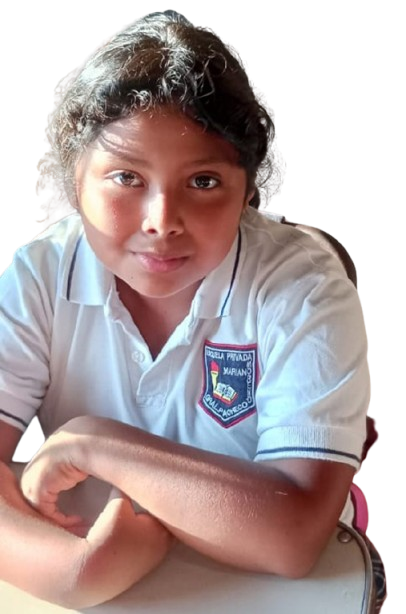
- Hija de Mariam..(Zoe): Soy la hija de Mariam y, me sentí un poco triste de que mi mamá se tuvo que ir a la universidad. Quería pasar más tiempo con ella pero se tenia que ir a la universidad, a esas charlas que dan de Tik tok donde siempre tenía que hablar su verdad… Mmmm La impresión que también tengo de mi madre y sus consejos de ser una luchadora con palabras y no con espadas ni violencia, eso me da alegría como hija.
Mariam’s daughter (Zoe): I’m Mariam’s daughter, and I felt a little sad that my mom had to go to university. I wanted to spend more time with her, but she had to go to university, to those TikTok talks where she always had to speak her truth… Mmm. The impression I also have of my mother and her advice to be a fighter with words and not with swords or violence, that makes me happy as her daughter.
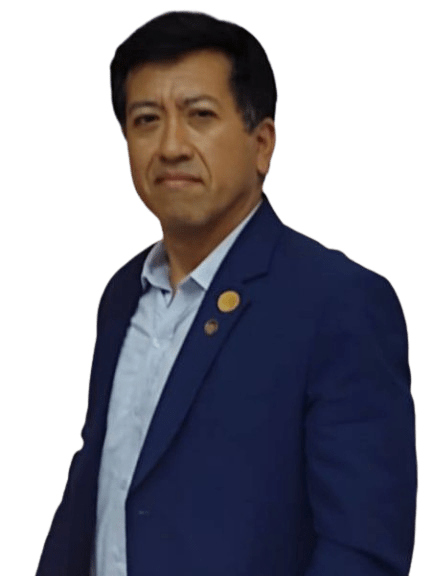
- El Fiscal… (Isaac Zafra) Los agitadores y azuzadores son un grave problema y un peligro para nuestro bien ordenado sistema. No podemos permitir que gente revoltosa se levanté y alborote al pueblo. La mala hierba la extirpamos de a raíz. Alguien tenía que pagar el precio de tal osadía y Mariam Pineda era el rostro visible de la irrespetuosidad y la ruptura de las reglas del buen vivir. Si hay azuzadores los acusaremos a todos ante el más estricto y severo tribunal. Una simple mujer no puede convertirse en un dolor de cabeza para el gobierno. No lo permitiremos. Como que soy un fiscal erudito en mi oficio. He dicho!!!
The Prosecutor… (Isaac Zafra) Agitators and instigators are a serious problem and a danger to our well-ordered system. We cannot allow unruly people to rise up and stir up trouble among the people. We will uproot the weeds. Someone had to pay the price for such audacity, and Mariam Pineda was the visible face of disrespect and the breaking of the rules of good living. If there are instigators, we will prosecute them all before the strictest and most severe court. A mere woman cannot become a headache for the government. We will not allow it. I am, after all, a prosecutor well-versed in my profession. I have spoken!
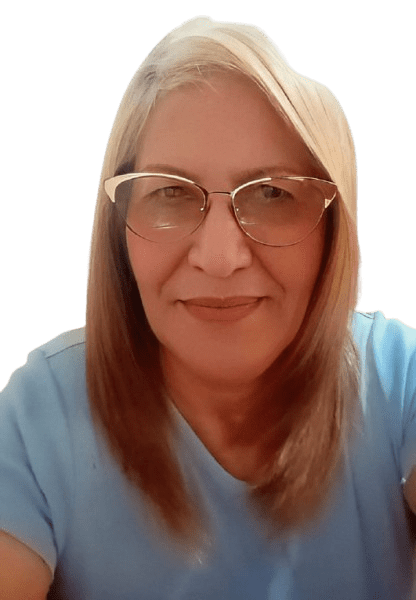
- La Jueza (Josefina Mendoza) Como jueza pues, en esta oportunidad supuse que podría recibir «beneficios» del régimen que me permita vivir con holgura y que, por supuesto, claro que recibía órdenes de Pedrosa y en caso de no cumplirlas, pues me tendría que atener a las consecuencias que tal desobediencia acarreaba como perder privilegios, y de pronto que no se me permita ejercer más y quizás hasta iría a prisión por desacato o algún otro cargo. Así que aunque sabía que no era justa, porque claro que lo sabía y que en mi conciencia muy adentro simpatizaba con Marian y su causa siempre sentí que ella fue justa en actuar como lo hizo.
Judge (Josefina Mendoza): As a judge, I assumed that I could receive «benefits» from the system that would allow me to live comfortably. Of course, I received orders from Pedrosa, and if I didn’t comply, I would have to face the consequences of such disobedience, such as losing privileges, being barred from practicing law altogether, and perhaps even going to prison for contempt or some other charge. So, although I knew it wasn’t fair—because of course I knew it—and deep down I sympathized with Marian and her cause, I always felt that she was just in acting as she did.
Voces múltiples
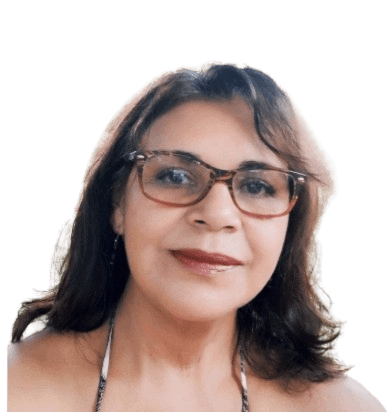
- Juanita Chinchilla de Costa Rica: Cuando escuché que a Mariam la habían llevado detenida por una causa noble, no lo podía creer.
Entonces, motivé a mis familiares y amistades para que nos fuéramos a las calles a protestar!
Ahí usamos megáfonos, creamos unas pancartas llamativas y salimos para que nuestra voz se escuchara.
Se me erizaba la piel al gritar y pedir: Libertad para Mariam. Lo pedía en nombre de la justicia para quienes están privados de libertad por causas que no tienen razón para estar ahí dentro, como fue el caso de ella… También lloré mucho cuando escuché en las pantallas de televisión donde trasmitían el vídeo de Mariam con su voz serena, pero FUERTE!! Mi clamor iba hacia los ingratos que la enjuiciaban a ella… Y cuando la mataron…. Tuve un gran dolor y sentimiento como si fuera a una hermana mía, una buena amiga, la representación de las madres que queremos un mejor mañana para nuestra familia. A la que le arrebataron su vida ingratamente con brutal atropello. Al final de todo lo sucedido, pronunció una frase de despedida … Una frase corta, y aún así, se me quebró la voz …Realmente esa frase pequeña que me tocó, porque era una frase muy emotiva: «¡Hasta siempre compañera!» «¡Hasta siempre en nuestro corazón, amiga, compañera, ejemplo de valor para mí!»
Juanita Chinchilla from Costa Rica: When I heard that Mariam had been arrested for a noble cause, I couldn’t believe it.
So, I encouraged my family and friends to take to the streets to protest!
We used megaphones, made some eye-catching banners, and went out so our voices could be heard.
My skin crawled as I shouted and demanded: Freedom for Mariam! I demanded it in the name of justice for those who are deprived of their freedom for reasons that have no justification for being there, as was her case… I also cried a lot when I heard Mariam’s video on the television screens, her voice calm but STRONG! My outcry was directed at the ungrateful people who were judging her… And when they killed her… I felt a great pain and grief, as if she were a sister, a good friend, the embodiment of all mothers who want a better tomorrow for their families. The one whose life was cruelly taken in a brutal hit-and-run. At the end of it all, she uttered a farewell phrase… A short phrase, and yet, my voice broke… That little phrase really touched me, because it was so moving: “Until we meet again, comrade!” “Until we meet again in our hearts, friend, comrade, an example of courage for me!”

- Solana López de Uruguay fui una de las Voces múltiples de distintas edades que protestaban a favor de Mariam y también del Pueblo, también me dejaba escuchar en las Redes Sociales, además de ser activista y abogada defensora de los derechos humanos y para ello usaba mi nombre de soltera: Eva Rivas. Protestar en contra de una injusticia que se cometió ya que lo único que quería Mariam madre era un mundo mejor para sus hijos como todo ser humano querría… Protestando para que la liberaran. ella era alguien que no cometió mas delito que alzar la voz, bordando banderas por sus derechos y que no se merecía la muerte. Querian callarla y solo lograron que su legado continue porque la gente protesta ante la injusticia. La lucha continua no se frena con su muerte, al contrario despierta aun mas el fervor del Pueblo.
Solana López from Uruguay was one of the many voices of different ages protesting in support of Mariam and the people. I also made my voice heard on social media, in addition to being an activist and human rights lawyer, for which I used my maiden name: Eva Rivas. We protested against an injustice that was committed because all Mariam, a mother, wanted was a better world for her children, as any human being would… We protested for her release. She was someone who committed no crime other than raising her voice, embroidering banners for her rights, and she did not deserve to die. They wanted to silence her, and they only succeeded in ensuring that her legacy continues because people protest against injustice. The ongoing struggle does not stop with her death; on the contrary, it ignites even more fervor among the people.

- Irene Gómez de España: Sentí la necesidad de ayudar a Marian, quien había sido encarcelada injusta mente por haberse ennamorado del hombre equivocado. Ella solo quería ser oída y por eso yo pedía justicia para la pobre Marian. Era injusto lo que se cometió contra ella….. Hizo que yo sintiera y tuviera rabia y mucha impotencia contra todo lo que estaba pasando con ella..
Irene Gómez from Spain: I felt the need to help Marian, who had been unjustly imprisoned for falling in love with the wrong man. She just wanted to be heard, and that’s why I was asking for justice for poor Marian. What was done to her was unjust… It made me feel anger and a great sense of helplessness regarding everything that was happening to her.
Mariam Pineda fue juzgada por un tribunal, pero su historia revela algo más profundo:
Mariam Pineda was tried in court, but her story reveals something deeper:
«El poder sin ética, la huida sin culpa y el silencio como estrategia.«
«Power without ethics, escape without guilt, and silence as a strategy.»
Algunos la amaron.
Otros la dejaron sola.
Algunos decidieron.
Some loved her. Others left her alone. Some made a choice.
Y al final, lo que permanece no es solo la sentencia. Es la pregunta que incomoda:
And in the end, what remains is not just the verdict. It’s the unsettling question:
¿Qué ocurre cuando el poder decide… y nadie lo detiene?
What happens when power decides… and no one stops it?
Disponible en las mejores plataformas de streaming y radio hispanas…
Available on the best Hispanic streaming and radio platforms…

- ONDA GONGORA desde España para toda Europa miembro del Pool de Medios Blanco Sobre Negro
- RADIO ALDORRA programa EL MUNDO DE LUZ VIOLETA desde México
- ILUSION RADIO EN ARQUILLOS programa BUENOS DIAS con JUAN TORRUBIA desde España
- MALANGA RADIO desde COLOMBIA
- RADIO GUAYACANES fm desde Republica Dominicana para todo el Caribe
- COLOR CARIBE RADIO de Barranquilla COLOMBIA
- RADIO ALDORRA programa EN CONFIANZA de Victor Lopez desde MEXICO
- RADIO OJOS DEL CIELO desde Argentina
- RADIO UNIDOS POR EL MUNDO dese San Martin Mendoza ARGENTINA
- LA RADIO DEL SUR desde USA y México
- RADIO CONSCIENCIA 3.3 desde Argentina
Descubre más desde LA AGENCIA MUNDIAL DE PRENSA
Suscríbete y recibe las últimas entradas en tu correo electrónico.

