
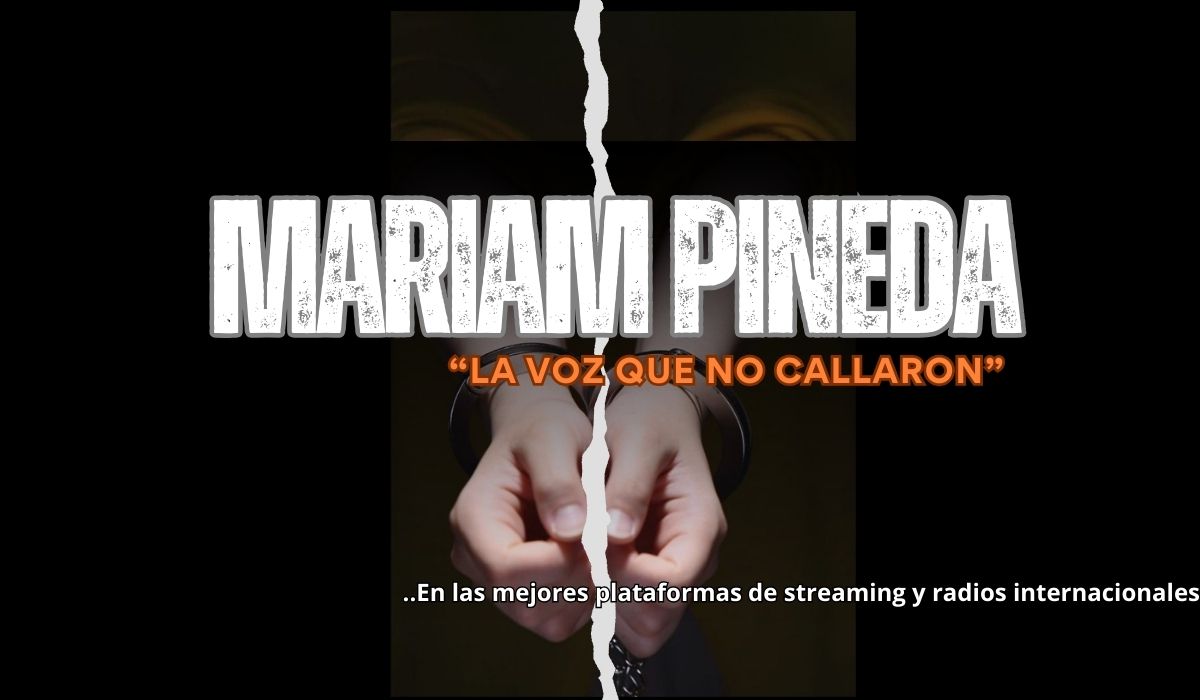
«MARIAM PINEDA: No one falls alone. The first part of the Invisible Judgment
(Amor – Lealtad – Silencio – Impotencia)
(Love – Loyalty – Silence – Impotence)
Cuando una mujer es condenada, la historia suele señalar un nombre.
Pero la verdad es más compleja.
Nadie cae sola.
Antes de la sentencia hubo abrazos, dudas, lealtades, miedos y gritos que no lograron cambiar el destino.
When a woman is convicted, history often points to a name. But the truth is more complex. No one falls alone. Before the sentence was handed down, there were hugs, doubts, loyalties, fears, and cries that couldn’t change her fate.
En esta primera parte de El Juicio Invisible, escuchamos a quienes amaron a Mariam, a quienes intentaron sostenerla… y a quienes descubrieron que el amor no siempre basta.
In this first part of The Invisible Trial, we hear from those who loved Mariam, those who tried to support her… and those who discovered that love is not always enough.
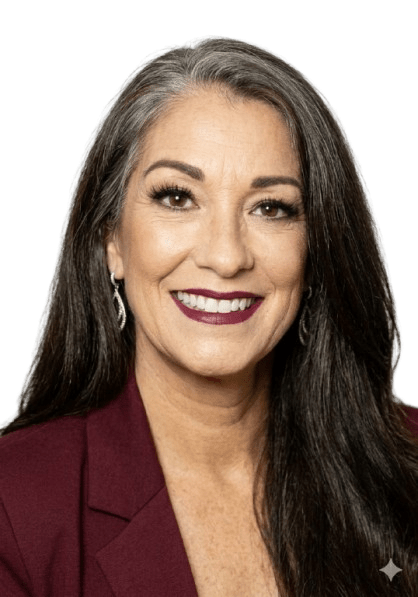
DOÑA ANGUSTIAS «La que sostuvo el mundo cuando todo cayó «
DOÑA ANGUSTIAS «She who held up the world when everything fell apart»
Mientras el mundo discutía justicia, Doña Angustias preparaba desayunos y respondía preguntas imposibles. Activista de convicciones firmes, terminó enfrentando la causa más dura: sostener la vida cotidiana de los hijos de Mariam cuando todo se vino abajo.
While the world debated justice, Doña Angustias prepared breakfasts and answered impossible questions. An activist with unwavering convictions, she ended up facing the toughest challenge: sustaining the daily lives of Mariam’s children when everything fell apart.
CB Doña angustias, ¿recuerda el momento exacto en que comprendió que la vida de esos niños cambiaria para siempre? Claro, lo recuerdo como se recuerdan los golpes secos: sin aviso y con eco. No fue el día de la detención solamente…fue cuando vi los ojos de mis nietos buscando a su madre y entendí que ya no volverían a mirarla con la inocencia de antes. Ese fue el instante. Ahí supe que la infancia se había roto.
CB Doña Angustias, do you remember the exact moment you understood that those children’s lives would change forever? Of course, I remember it like one remembers sharp blows: without warning and with an echo. It wasn’t just the day of the arrest…it was when I saw my grandchildren’s eyes searching for their mother and I understood that they would never again look at her with the innocence they once had. That was the moment. That’s when I knew their childhood had been shattered.
CB -Usted siempre fue una mujer de lucha social… ¿cómo se vive el actinismo cuando la injusticia entra en su propia casa? Cuando la injusticia es ajena, una puede gritar con fuerza. Cuando toca tu puerta, el grito se vuelve susurro y temblor. El activismo deja de ser consigna y se convierte en resistencia cotidiana: hacer comida, aunque el corazón esté hecho cenizas, sostener a los niños, mirar de frente a quienes juzgan. Es una lucha más silenciosa, pero más feroz.
CB – You’ve always been a woman of social struggle… how do you experience activism when injustice enters your own home? When injustice is someone else’s, you can shout loudly. When it knocks on your door, the shout becomes a whisper and a trembling. Activism ceases to be a slogan and becomes daily resistance: making food, even when your heart is broken, supporting the children, looking those who judge you straight in the eye. It’s a quieter struggle, but a fiercer one.
CB -¿Sintió rabia, impotencia o miedo cuando detuvieron a Mariam? Sentí todo eso y algo más profundo: una herida antigua se abrió de nuevo. Rabia por la crueldad.
Impotencia ante un sistema que ya tenía decidido su destino. Miedo…sí, miedo por ella y por lo que vendría después. Pero también sentí orgullo. Porque sabía que no la detenían por cobarde, sino por valiente.
CB – Did you feel anger, helplessness, or fear when Mariam was arrested? I felt all of that and something deeper: an old wound reopened. Anger at the cruelty.
Helplessness in the face of a system that had already decided her fate. Fear…yes, fear for her and for what would come next. But I also felt pride. Because I knew she wasn’t being arrested for cowardice, but for bravery.
CB -¿Hubo un instante en que pensó: “No se si podré con esto”? Muchas noches. Cuando la casa quedaba en silencio y ya no había discursos que sostener, me preguntaba, si mis brazos serían suficientes para reemplazar los de su madre. Dudé. Pero el amor no pregunta si puede: simplemente hace
CB – Was there a moment when you thought, “I don’t know if I can handle this”? Many nights. When the house fell silent and there were no more speeches to make, I wondered if my arms would be enough to replace their mother’s. I doubted. But love doesn’t ask if it can: it simply does.
CB, Doña Angustias, -¿Qué fue lo más difícil: entrar al sistema… o enfrentar las preguntas de los niños? Las preguntas de los niños. El sistema tiene rostro duro y palabras previsibles. Los niños tienen ojos limpios. Cuando preguntan “¿cuándo vuelve mamá?”, no hay argumento político que sirva. Solo abrazos y una verdad dicha con mucho cuidado.
CB, Doña Angustias, – What was the most difficult thing: entering the system… or facing the children’s questions? The children’s questions. The system has a hard face and predictable words. Children have clear eyes. When they ask, “When is Mom coming back?” no political argument will work. Just hugs and a truth spoken with great care.
CB -Cuando ellos preguntan por su madre, ¿qué les dice? Les digo que su madre es valiente. Que está donde están las personas que no se arrodillan. Que su ausencia no es abandono, es consecuencia de haber amado la libertad más que su propia tranquilidad.
CB – When they ask about their mother, what do you tell them? I tell them that their mother is brave. That she is where those who refuse to kneel are. That her absence is not abandonment, but the consequence of having loved freedom more than her own peace of mind.
CB -¿Alguna vez dudó de Mariam… aunque fuera en silencio? Dudar de su causa, no. Dudar del precio que tendía que pagar sí. Como madre, una quisiera que los hijos elijan caminos menos peligrosos. Pero ella nació con fuego en la sangre. Y el fuego no se puede domesticar.
CB – Did you ever doubt Mariam… even silently? Doubt her cause, no. Doubt the price she would have to pay, yes. As a mother, one wants their children to choose less dangerous paths. But she was born with fire in her blood. And fire cannot be tamed.
CB -¿Le pesa hablar estando tan centrada en causas colectivas y no haber visto la tormenta personal que se avecinaba? Me pesa no haber podido protegerla más, no haber adivinado cada sombra. Pero no me arrepiento de haberle enseñado a pensar y a luchar. Si hubiera querido una hija obediente y callada, la habría criado en el miedo. Y yo la crie en la dignidad.
CB – Does it weigh on you to speak out now that you are so focused on collective causes and didn’t see the personal storm that was brewing? I regret not having been able to protect her more, not having foreseen every shadow. But I don’t regret having taught her to think and to fight. If I had wanted an obedient and silent daughter, I would have raised her in fear. And I raised her in dignity.
CB -¿Se siente madre por elección o por destino? Por ambas cosas. El destino me dio la sangre; la elección me dio el compromiso. Cada día elijo ser madre de ella, incluso en su ausencia.
CB – Do you feel like a mother by choice or by destiny? By both. Destiny gave me the blood; choice gave me the commitment. Every day I choose to be her mother, even in her absence.
CB -¿Quién la sostiene a usted cuando cae la noche y el activismo ya no sirve de escudo? -La memoria, y la certeza de que su voz no se apaga, aunque intenten silenciarla. También me sostienen mis nietos. En ellos late algo de ella.
CB – Who sustains you when night falls and activism no longer serves as a shield? – Memory, and the certainty that her voice will not be silenced, even if they try to silence it. My grandchildren also sustain me. Something of her lives on in them.
CB -¿Le guarda resentimiento a alguien por lo que ocurrió? El resentimiento es un peso que no puedo darme el lujo de cargar. Hay responsables, sí. Pero si dejo que el rencor me consuma, entonces habrán vencido dos veces.
CB – Do you harbor resentment toward anyone for what happened? Resentment is a burden I cannot afford to carry. There are those responsible, yes. But if I let bitterness consume me, then they will have won twice.
CB -Si pudiera hablar hoy con Mariam sin límites ni muros de por medio, ¿qué le diría como mujer y que le diría como madre? Como mujer, le diría: hija, tu valentía ha escrito una historia que nadie podrá borrar.
Como madre, le diría: ojalá el mundo hubiera sido más amable contigo… pero incluso en la adversidad, nunca dejaste de ser luz.
CB – If you could speak with Mariam today without limits or barriers, what would you say to her as a woman and what would you say to her as a mother? As a woman, I would say: daughter, your courage has written a story that no one can erase.
As a mother, I would say: I wish the world had been kinder to you… but even in adversity, you never ceased to be a light.
Ella, doña Angustias, no cambió la sentencia. Pero sostuvo la vida.
Y a veces, sostener es la forma más profunda de resistencia.
She, Doña Angustias, did not change the sentence. But she clung to life.
And sometimes, clinging to life is the deepest form of resistance.
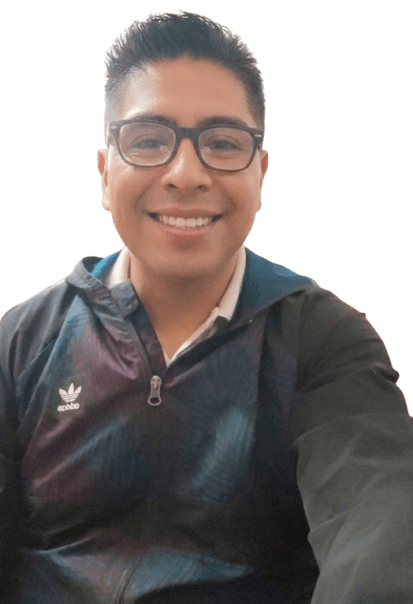
FERNANDO El amor frente al abismo
FERNANDO Love in the face of the abyss
Fernando creyó que amar era proteger. Descubrió que el amor, cuando se enfrenta al poder, necesita algo más que sentimiento: necesita valentía.
Fernando believed that to love was to protect. He discovered that love, when confronted with power, needs more than just feeling: it needs courage.
CB Fernando, ¿amabas a Mariam o la necesitabas? La amaba con una devoción que rozaba lo sagrado, pero también con una desesperación que se confundía con la pura supervivencia. Ella era el aire limpio en una España asfixiante; yo, un náufrago intentando atrapar la brisa con las manos. Sería un mentiroso si negara que la necesitaba como se necesita el oxígeno en una habitación cerrada. Mariam no era simplemente un apoyo, era mi contexto: sin ella, las palabras perdían su significado. Mi amor por ella no fue una elección, sino mi estado natural de existencia
CB Fernando, did you love Mariam or did you need her? I loved her with a devotion bordering on the sacred, but also with a desperation that was indistinguishable from pure survival. She was the clean air in a suffocating Spain; I, a castaway trying to grasp the breeze with my bare hands. I would be a liar if I denied that I needed her like one needs oxygen in a closed room. Mariam wasn’t simply a support, she was my context: without her, words lost their meaning. My love for her wasn’t a choice, but my natural state of being.
CB ¿Fuiste protector o controlador? En mi afán de que el mundo no la lastimara, caminé por una línea muy delgada. Quise ser su escudo, pero a veces los escudos también pueden sentirse como muros. En mi ceguera, llamé «protección» a lo que era el miedo aterrador de perder la luz que ella irradiaba. Intenté encerrar al pájaro de fuego en una jaula de plata para que el viento de la revolución no le quemara las alas, sin entender que Mariam era el fuego mismo. Si alguna vez la asfixié, fue porque no comprendía que ella necesitaba pelear sus propias batallas; mi intención fue siempre proteger su paz, pero olvidé que su naturaleza era ardiente e indomable
CB: Were you protective or controlling? In my eagerness to keep the world from hurting her, I walked a very fine line. I wanted to be her shield, but sometimes shields can also feel like walls. In my blindness, I called «protection» what was really the terrifying fear of losing the light she radiated. I tried to lock the firebird in a silver cage so the wind of revolution wouldn’t burn its wings, not understanding that Mariam was fire itself. If I ever smothered her, it was because I didn’t understand that she needed to fight her own battles; my intention was always to protect her peace, but I forgot that her nature was fiery and untamed.
CB ¿Confiaste en ella hasta el final? Hasta el último suspiro quise creer, y lo hice sin dudarlo un solo segundo. Mi fe en Mariam era más sólida que cualquier prueba, aunque mi mente, educada en la sospecha del sistema, a veces intentara traicionarme. Confiar en ella era un acto supremo: era aceptar el riesgo de mi propia muerte, pero también la única forma de confiar en mi propia vida. Incluso cuando las sombras parecían rodearla, yo solo veía la pureza que conocí en la intimidad. Quizás no era tan valiente como su silencio, pero entendí que dudar habría sido dejar de existir. Confiar en ella no era una opción, era mi única verdad.
CB Did you trust her until the very end? Until my last breath, I wanted to believe, and I did without a single second’s hesitation. My faith in Mariam was stronger than any proof, even though my mind, trained to suspect the system, sometimes tried to betray me. Trusting her was a supreme act: it was accepting the risk of my own death, but also the only way to trust my own life. Even when shadows seemed to surround her, I only saw the purity I knew in private. Perhaps I wasn’t as brave as her silence, but I understood that to doubt would have been to cease to exist. Trusting her wasn’t an option; it was my only truth.
CB ¿Qué fue lo que nunca lograste comprender de Mariam? Esa capacidad suya de guardar silencios tan profundos que parecían abismos. Había habitaciones en su alma a las que nunca me dejó entrar, no por falta de amor, sino por un deseo feroz de protegerme de su propia oscuridad. Nunca entendí cómo podía cargar tanto peso sobre sus hombros y seguir sonriendo como si el mundo fuera un lugar ligero. Pero, sobre todo, lo incomprensible fue cómo una mujer podía amar una idea —la Libertad— con más fuerza que a su propia vida o a los brazos que la rodeaban. Su lealtad era un idioma que yo no sabía hablar; su sacrificio, un misterio que mi amor no alcanzaba a descifrar
CB What was it about Mariam that you never understood? Her capacity for silences so profound they seemed like abysses. There were rooms in her soul she never let me into, not for lack of love, but out of a fierce desire to protect me from her own darkness. I never understood how she could carry so much weight on her shoulders and still smile as if the world were a light place. But above all, what was incomprehensible was how a woman could love an idea—Freedom—more than her own life or the arms that held her. Her loyalty was a language I didn’t know how to speak; her sacrifice, a mystery my love couldn’t decipher.
CB ¿Te enfrentaste al sistema o te resignaste? Me enfrenté hasta desgastarme las manos contra los muros, pero mentiría si no admitiera que al final me doblegué. La palabra «resignación» no debería existir en mi vocabulario cuando se trata de ella; sin embargo, me enfrenté al sistema en susurros y me resigné en los gritos. Fui un hombre de leyes frente a una mujer de fe. Si me detuve, fue porque el sistema está diseñado para triturar la verdad, pero aunque mi voz calló, mi alma sigue en pie de guerra, gritando su nombre
CB Did you confront the system or did you resign yourself? I confronted it until my hands were worn out against the walls, but I would be lying if I didn’t admit that in the end I caved. The word «resignation» shouldn’t exist in my vocabulary when it comes to her; however, I confronted the system in whispers and resigned myself in shouts. I was a man of law facing a woman of faith. If I stopped, it was because the system is designed to crush the truth, but although my voice fell silent, my soul remains on a war footing, screaming her name.
CB ¿Hubo un momento en que dudaste de su inocencia? Jamás. Dudé de su prudencia, es cierto, pero nunca de su pureza. Dudé del mundo, dudé de la justicia, dudé incluso de Dios, pero de Mariam… nunca. Su inocencia era un sol que me hería los ojos, una luz demasiado cegadora para cuestionarla. En medio de tanta incertidumbre, ella era la única verdad en la que valía la pena creer, el único dogma que mi alma aceptaba sin reservas.
CB: Was there ever a moment when you doubted her innocence? Never. I doubted her prudence, it’s true, but never her purity. I doubted the world, I doubted justice, I even doubted God, but Mariam… never. Her innocence was a sun that pierced my eyes, a light too blinding to question. In the midst of so much uncertainty, she was the only truth worth believing in, the only dogma my soul accepted without reservation.
CB ¿Qué te rompió más: la traición, el silencio o la impotencia? La impotencia. Me destrozó verla subir al cadalso sabiendo que mi nombre permanecía limpio solo porque ella había decidido manchar el suyo de sangre por mí. Entendí que, aunque le entregara mi propia sangre y mi vida, no podía cambiar el curso de su destino. El silencio duele y la traición quema, pero ver cómo se la llevaban mientras yo estaba de manos atadas… eso fue lo que realmente me destruyó por dentro. Su sacrificio fue mi salvación, y esa certeza, mi condena.
CB: What broke you the most: the betrayal, the silence, or the powerlessness? The powerlessness. It tore me apart to see her climb the scaffold knowing that my name remained clear only because she had chosen to stain hers with blood for me. I understood that, even if I gave her my own blood and my life, I couldn’t change the course of her destiny. Silence hurts and betrayal burns, but seeing them take her away while my hands were tied… that’s what truly destroyed me inside. His sacrifice was my salvation, and that certainty, my condemnation.
CB Si hubieras sabido toda la verdad desde el inicio… ¿habría cambiado algo? Si hubiera sabido toda la verdad desde el inicio, quizás me habría escondido con más fuerza en mi cobardía, porque la verdad de Mariam era demasiado grande para un hombre tan pequeño como yo. Hubiera cambiado mi estrategia, buscando formas más oscuras de salvarla, adelantándome a los lobos, pero nunca mi lealtad. Mi destino final siempre habría sido el mismo: estar a su lado, contra quien fuera. La táctica podría haber variado, pero el final estaba escrito: yo era su sombra, y ella, mi luz.
CB If you had known the whole truth from the beginning… would anything have changed? If I had known the whole truth from the beginning, perhaps I would have hidden myself more tightly in my cowardice, because Mariam’s truth was too big for a man as small as me. I would have changed my strategy, seeking darker ways to save her, staying one step ahead of the wolves, but never my loyalty. My ultimate destiny would always have been the same: to be by her side, against whomever. The tactics might have varied, but the ending was written: I was her shadow, and she, my light.
Fernando no huyó.
Pero tampoco logró detener la caída. Amó con intensidad, defendió con dudas y sufrió con impotencia.
Su tragedia no fue la traición, sino la insuficiencia: comprender demasiado tarde que el amor, si no se vuelve acción valiente, puede quedarse en intención. Fernando representa a quienes creen que sentir es suficiente…
hasta que la realidad les exige coraje. …Y cuando el sistema avanza, el amor que titubea también deja cicatrices.
Fernando didn’t run away.
But he couldn’t stop the fall either. He loved intensely, defended with doubt, and suffered helplessly.
His tragedy wasn’t betrayal, but inadequacy: understanding too late that love, if it doesn’t become courageous action, can remain just an intention. Fernando represents those who believe that feeling is enough…
until reality demands courage from them. …And when the system moves forward, even hesitant love leaves scars.
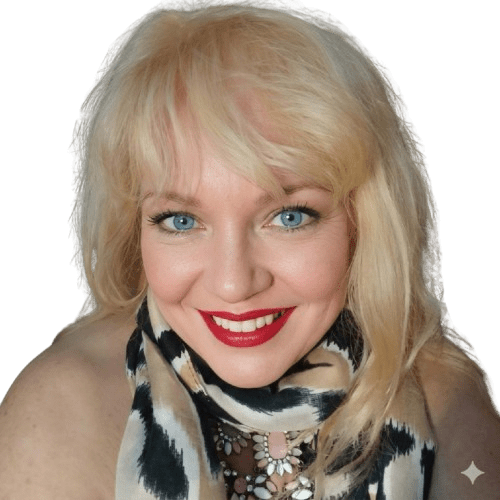
CLAVELA La lealtad que gritaba desde La Macarena
CLAVELA The loyalty that cried out from La Macarena
Desde “La Macarena”, Clavela escuchó los rumores antes que los titulares. Sevillana, expresiva leal, entrañable. Defendió a Mariam con lo único que tenía: su voz y su carácter.
From «La Macarena,» Clavela heard the rumors before the headlines. A Sevillian, expressive, loyal, and endearing woman, she defended Mariam with the only things she had: her voice and her character.
CB: Clavela, cuando todo estalló… ¿sentiste que te faltó voz para defender a Mariam? Si, por un momento me quedé muda…pero no me quedé quieta, moví cielo y tierra para que los «malhechores esos» fueran realmente los detenidos.
¡ Ahhgg me ahogaba! ¡Fue cruelmente detenida y fue usada como «conejillo de indias» del cual no entró a formar parte de la trama paralela del abuso del Poder de Pedrosa y su insistencia, me lo contó todo!!.
¡Fui a la calle a defenderla…antes, durante y después!
CB: Clavela, when everything exploded… did you feel like you couldn’t speak up to defend Mariam? Yes, for a moment I was speechless… but I didn’t stay still. I moved heaven and earth to make sure those «criminals» were actually arrested.
Ugh, I was suffocating! She was cruelly arrested and used as a «guinea pig»—she wasn’t even part of Pedrosa’s parallel plot of abuse of power and his insistence. She told me everything!
CB Desde tu cafetería, ¿que fue lo primero que supiste que los demás no veían? Desde mi cafetería, yo percibí y sentí en las miradas el terror de una justicia que no estaba equilibrada, la inseguridad y la injusticia… Vi también un antes y un después de Mariám en la sociedad con su heroica actitud…pero nunca que se llegara a suicidar, no!! …no se suicidó nooo!!
CB From your coffee shop, what was the first thing you noticed that others didn’t see? From my coffee shop, I perceived and felt in people’s eyes the terror of an unbalanced justice system, the insecurity and injustice… I also saw a before and after Mariam in society with her heroic attitude… but I never imagined she would commit suicide, no!! …she didn’t commit suicide, nooo!!
CB ¿Te quedaste con algo sin decirle a Mariam? Me quedé con toda una vida para decirle tantas cosas…, ella era mi mejor amiga, mi hermana, unos años menor que yo…muy inteligente y yo aprendía de su sensatez. Me quede con las ganas de decirle y de convencerla que Pedro no era noble, que lo sentia narcisista interesado de la influencia de ella con la juventud y con la gente en general.. Lo percibí cuando lo vi no era de sostenerte la miraba y cambiaba de gestos cuando ella estaba presente se volvia adulador y cuando no lo estaba era seco… No se lo llegue a decir me quede con esooo….
CB Is there anything you left unsaid to Mariam? I had a whole lifetime of things left unsaid… she was my best friend, my sister, a few years younger than me… very intelligent, and I learned from her wisdom. I really wanted to tell her, to convince her, that Pedro wasn’t a noble person, that I felt he was a narcissist, interested in her influence with young people and people in general. I sensed it when I saw him; he wasn’t the kind of person to hold onto. He’d look at her and his expressions would change. When she was around, he’d become flattering, and when she wasn’t, he was cold. I never got around to telling her; that’s all I ever thought.
CB ¿Crees que la justicia fue justa? No, justa para nada…. La persecución injusta de Pedrosa obsesionado personaje odioso, pero no por la causa, sino era por ella como mujer.. Y luego una sentencia que la hizo perder la vida asesinada dentro de la Institución..
Digo que la Justicia no fue justa por muchos motivos, primero el abuso de Poder, luego porque ella no era promotora del activismo en contra del regimen, se aprovecharon de su vulnerabilidad y abandono de quien si lo era, fue utilizada y lo sabían y a pesar de ello la sentenciaron prácticamente a muerte sin decirlo.
CB Do you think justice was served? No, not at all… The unjust persecution of Pedrosa, an obsessive and hateful character, not because of the cause, but because of her as a woman… And then a sentence that led to her death, murdered within the institution… I say that justice was not served for many reasons: first, the abuse of power; second, because she wasn’t a promoter of activism against the regime. They took advantage of her vulnerability and the abandonment by those who were. She was used, and they knew it, and despite that, they practically sentenced her to death without even saying so.
CB Si Mariam entrara hoy por la puerta de La Macarena… ¿qué harías? ¿ Por la puerta, mi Mariam?… y si mi Mariam Pineda entrara por la puerta de mi Cafetería, correría a abrazarla, a agradecerle por su cariño hacia mi. Haría una chocolatada con churros para ella y los niños y todo lo que ella quisiera… Creerme que todo ha sido un mal sueño, una pesadilla y que todo sigue igual o mejor para las dos y que tengo la oportunidad para decirle de pronto lo que no le dije.
CB If Mariam walked through the door of La Macarena today… what would you do? Through the door, my Mariam?… and if my Mariam Pineda walked through the door of my café, I would run to hug her, to thank her for her affection towards me. I would make hot chocolate with churros for her and the children and anything else she wanted… I would make her believe that it was all a bad dream, a nightmare, and that everything is the same or even better for both of us, and that I have the opportunity to suddenly tell her what I didn’t say.
Clavela no tuvo despacho, ni estrado, ni uniforme pero tuvo una barra en “La Macarena” y un corazón dispuesto a defender a los suyos. Gritó, lloró, discutió… pero nunca se fue.
Porque hay amistades que no cambian el destino, pero sí dignifican la historia. Desde su cafetería aprendió que el café puede enfriarse, pero la lealtad verdadera no.
Clavela had no office, no platform, no uniform, but she had a bar in «La Macarena» and a heart ready to defend her own. She shouted, she cried, she argued… but she never left.
Because some friendships don’t change destiny, but they do enrich history. From his coffee shop, he learned that coffee can get cold, but true loyalty never does. Quizás no pudo salvar a Mariam.
Pero su voz —intensa, sevillana, honesta— jamás dejó de nombrarla. Y mientras alguien la nombre con amor, la memoria no se rinde.
Clavela had no office, no platform, no uniform, but she had a bar in «La Macarena» and a heart ready to defend her own. She shouted, she cried, she argued… but she never left. Because some friendships don’t change destiny, but they do enrich history. From his coffee shop, I have learned that coffee can get cold, but true loyalty never does.
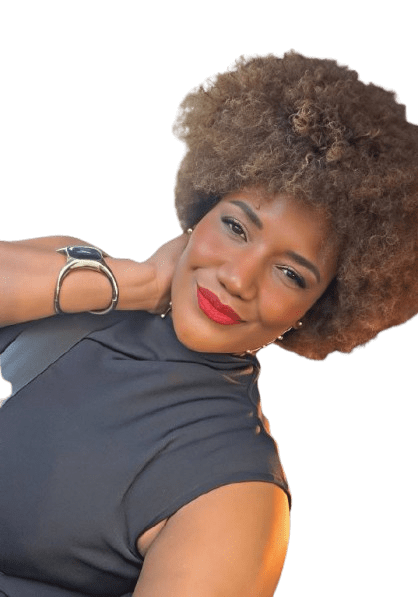
AMPARO El eco digital frente al poder real
PROTECTION The digital echo versus real power
Amparo lloró en redes, movilizó seguidores y desafió la postura de su propio padre. Fue la primera vez que entendió que: la visibilidad no siempre derrota a la estructura.
Amparo cried on social media, mobilized supporters, and challenged her own father’s stance. It was the first time she understood that visibility doesn’t always defeat the establishment.
CB: ¿Cuándo dejaste de ser espectadora y decidiste convertir tus redes en un grito por Mariam? El día que comprendí que el silencio también condena. Yo vivía entre fotos bonitas, frases inspiradoras y un mundo donde todo parecía tener filtro. Pero cuando vi a Mariam Pineda sostener la mirada sin bajar la cabeza, algo dentro de mí se rompió. Ya no podía ser espectadora cómoda. Ya no podía mirar hacia otro lado. Ese día mis redes dejaron de ser escaparate y se convirtieron en trinchera. Y temblé. Porque gritar tiene consecuencias.
CB: When did you stop being a spectator and decide to turn your social media into a cry for Mariam? The day I understood that silence also condemns. I lived surrounded by pretty pictures, inspirational quotes, and a world where everything seemed filtered. But when I saw Mariam Pineda hold her gaze without lowering her head, something inside me broke. I could no longer be a comfortable spectator. I could no longer look the other way. That day my social media stopped being a showcase and became a trench. And I trembled. Because speaking out has consequences.
CB ¿Sentiste conflicto entre la posición de tu padre y tu amistad? Cada segundo. Mi padre era ley. Mariam era verdad. Y yo estaba en medio. Lo amaba como hija, sin embargo, me dolía como ciudadana. Me di cuenta de que crecer también es cuestionar lo que te enseñaron en casa. Y eso duele… porque no solo se rompe una idea, se resquebraja una parte de ti.
CB: Did you feel conflict between your father’s position and your friendship? Every second. My father was the law. Mariam was the truth. And I was in the middle. I loved him as a daughter, yet it hurt me as a citizen. I realized that growing up also means questioning what you were taught at home. And that hurts… because it’s not just an idea that is shattered, it’s a part of you that cracks.
CB ¿Fue la primera vez que comprendiste que los seguidores no siempre significan poder real? Sí. Y fue brutal. Miles de personas compartiendo, comentando, indignándose… y la sentencia siguió su curso. Descubrí que tener visibilidad no es lo mismo que tener influencia real. Que un trending no siempre tumba una estructura y que el ruido digital puede ser fuerte, no obstante, el poder institucional es más frío y sólido. Y vivir eso en mis propias carnes, sin duda, me hizo madurar de golpe.
CB: Was this the first time you understood that followers don’t always mean real power? Yes. And it was brutal. Thousands of people sharing, commenting, expressing outrage… and the sentence went ahead. I discovered that visibility isn’t the same as real influence. That a trending topic doesn’t always bring down a structure, and that while digital noise can be loud, institutional power is colder and more solid. And experiencing that firsthand undoubtedly made me mature quickly.
CB ¿Te arrepientes de algo que publicaste? Por supuesto que no. No me arrepiento de haber hablado. De lo que sí me arrepiento es de haber dudado antes de hacerlo, de pensar si aquello “encajaba con mi marca”, de preguntarme si perdería seguidores. Hay momentos en que la coherencia vale más que cualquier estadística. Lo aprendí tarde.
CB: Do you regret anything you posted? Of course not. I don’t regret speaking out. What I do regret is hesitating before doing so, wondering if it «fit with my brand,» asking myself if I would lose followers. There are times when consistency is worth more than any statistic. I learned that late.
CB ¿Crees que hiciste suficiente? Nunca siento que haya sido suficiente. Yo simplemente hice lo que supe hacer, que fue usar mi voz, mi alcance, mi imagen. Ahora sé que el compromiso no puede quedarse en la pantalla. Quizá debí hacer más, quizá debí confrontar antes, quizá debí salir del privilegio que me protegía. Así que, bueno, esa pregunta me acompañará siempre.
CB: Do you think you did enough? I never feel like I did enough. I simply did what I knew how to do, which was to use my voice, my reach, my image. Now I know that commitment can’t just stay on the screen. Maybe I should have done more, maybe I should have confronted them sooner, maybe I should have stepped out of the privilege that protected me. So, well, that question will always be with me.
CB ¿Qué sentiste cuando todo tu alboroto digital no cambió el destino? Impotencia. Una sensación de pequeñez enorme. Como si mis palabras se hubieran estrellado contra un muro que no se mueve con likes y lloré. No por perder seguidores, no por las críticas. Lloré porque entendí que, a veces, la justicia no escucha el clamor, aunque sea multitudinario. Y eso, créeme, te desarma por dentro.
CB: What did you feel when all your digital commotion didn’t change the outcome? Powerlessness. An enormous feeling of insignificance. As if my words had crashed against a wall that doesn’t budge with likes, and I cried. Not because I was losing followers, not because of the criticism. I cried because I understood that, sometimes, justice doesn’t listen to the outcry, even if it’s massive. And that, believe me, breaks you down inside.
CB ¿Perdiste inocencia en esta historia? Rotundamente sí. Perdí la inocencia de creer que el sistema siempre protege al justo. Perdí la ingenuidad de pensar que la neutralidad es elegante. Porque ahora sé que ser neutral ante la injusticia es tomar partido y yo ya no quiero vivir anestesiada.
CB: Did you lose your innocence in this story? Absolutely. I lost the innocence of believing that the system always protects the righteous. I lost the naiveté of thinking that neutrality is elegant. Because now I know that being neutral in the face of injustice is taking sides, and I no longer want to live numb.
CB Si tuvieras a tu padre frente a ti como juez y no como padre, ¿qué le dirías? ¡Uf! Le diría que mire a los ojos a Mariam Pineda y que me diga si vio a una culpable o a una mujer libre. Le preguntaría si alguna vez dudó. Y le diría, con el corazón roto pero firme, que la historia no recuerda solo las sentencias, también recuerda el coraje. Te confieso que yo ya no soy solo la hija del juez, soy la amiga que entendió que la voz no es para decorar, es para defender. Y aunque no haya cambiado el final, sí cambió para siempre quién soy.
CB: If you had your father in front of you as a judge and not as a father, what would you say to him? Ugh! I would tell him to look Mariam Pineda in the eyes and tell me if he saw a guilty woman or a free woman. I would ask him if he ever doubted her. And I would tell him, with a broken but firm heart, that history doesn’t only remember the sentences, it also remembers the courage. I confess that I am no longer just the judge’s daughter; I am the friend who understood that a voice is not for decoration, it is for defending. And although the ending hasn’t changed, who I am has changed forever.
Gracias por esta entrevista Cristina. Hoy sé que los seguidores pueden aplaudir, aun así, la conciencia es la única que no te deja dormir. Y yo ya elegí de qué lado quiero estar.
Thank you for this interview, Cristina. Today I know that the fans can applaud, but it’s my conscience that keeps me awake at night. And I’ve already chosen which side I want to be on.
Amparo alzó la voz cuando el mundo digital parecía el único espacio posible para luchar. Lloró, publicó, insistió. Descubrió —tal vez demasiado pronto— que la visibilidad no siempre desarma al poder.
Su indignación fue auténtico. Su dolor, también.
Pero esta historia no solo se escribió con palabras, sino con silencios. Lucía, su hermana, decidió no participar en esta entrevista.
Eligió el recogimiento en lugar del micrófono.
Y en una historia marcada por el ruido, el silencio también es una postura.
Her indignation was genuine. Her pain, too.
But this story wasn’t written only with words, but also with silences. Lucía, her sister, chose not to participate in this interview.
She chose solitude over the microphone.
And in a story marked by noise, silence is also a stance.
Dos hermanas.
Dos formas distintas de enfrentar la misma herida. Una habló.
La otra, Lucía guardó silencio. Y ambas, a su manera, cargan el peso de lo ocurrido.
Two sisters. Two different ways of confronting the same wound. One spoke. The other, Lucía, remained silent. And both, in their own way, bear the weight of what happened.
….Pero esta no es toda la historia
Porque mientras unos amaban, otros decidían.
Mientras algunos defendían, otros utilizaban el poder.
But this isn’t the whole story. Because while some loved, others decided. While some defended, others wielded power.
En la próxima entrega escucharemos las voces que no se quebraron… sino que quebraron.
In the next installment we will hear the voices that didn’t break… but shattered.
….El que huyó.
El que vistió uniforme.
Y la voz que, desde el epílogo, convirtió la tragedia en memoria.
The one who fled.
The one who wore a uniform.
And the voice that, from the epilogue, transformed tragedy into memory.
Porque el juicio visible terminó.
Because the visible trial is over.
El invisible… apenas comienza….
The invisible one… is just beginning….

Descubre más desde LA AGENCIA MUNDIAL DE PRENSA
Suscríbete y recibe las últimas entradas en tu correo electrónico.

