
When the U.S. President Knows the Dollar Is Nosediving…

La gente cree que yo escribo y critico a otros países y líderes del mundo. Error. La casa se barre y se trapea para que esté limpia, y EE. UU. no es la excepción. El presidente Trump encabeza la lista; los demás políticos son, y admito, puro entretenimiento literario, para no aburrirme.
People think I write and criticize other countries and world leaders. Wrong. You sweep and mop the house to keep it clean, and the U.S. is no exception. President Trump tops the list; the other politicians are, and I admit, pure literary entertainment, so I don’t get bored.
Para comenzar el manjar de hoy: todos conocemos las incertidumbres que rodean al presidente Donald Trump y su política de aranceles errática. Amenaza en la mañana, corrige en la tarde y mañana culpa a otro. La historia de nunca acabar se repite y rueda como una bola de nieve hasta provocar una avalancha. Mientras tanto, la competencia estratégica se desliza como una culebra hacia China, no con discursos, sino con inversión, paciencia y control de cadenas productivas.
To start today’s feast: we all know the uncertainties surrounding President Donald Trump and his erratic tariff policy. He threatens in the morning, corrects in the afternoon, and tomorrow blames someone else. The never-ending story repeats itself and rolls like a snowball until it triggers an avalanche. Meanwhile, strategic competition slithers like a snake toward China, not with speeches, but with investment, patience, and control of production chains.
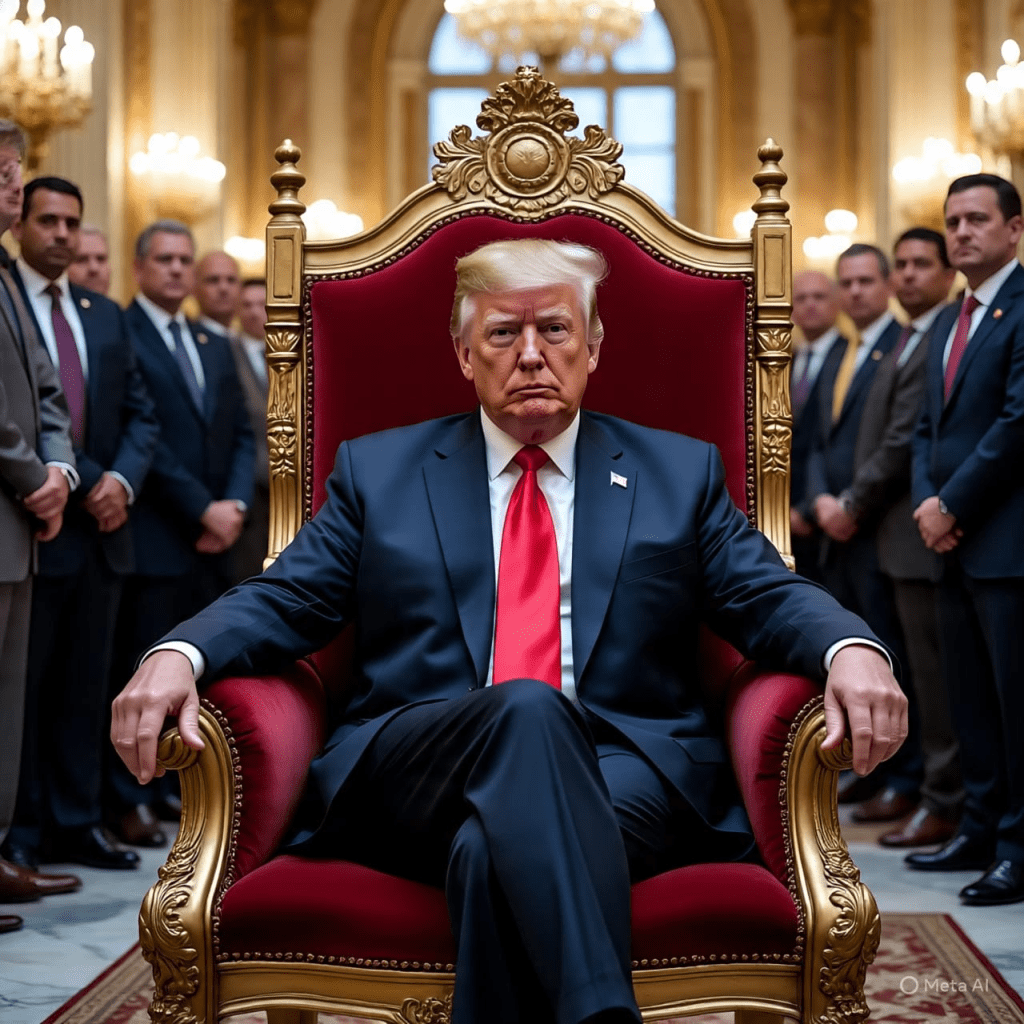
Los aliados tradicionales de Estados Unidos se rascan la cabeza. No saben si prepararse para una negociación comercial, una guerra arancelaria o una aventura geopolítica, como la obsesión con Groenlandia, que ya pasó de anécdota diplomática a insinuación de fuerza. La idea de “comprar” o presionar territorios ajenos no fortalece al dólar: lo debilita, porque revela ansiedad, no poder.
The United States’ traditional allies are scratching their heads. They don’t know whether to prepare for a trade negotiation, a tariff war, or a geopolitical adventure, like the obsession with Greenland, which has gone from a diplomatic anecdote to a hint of force. The idea of «buying» or pressuring foreign territories doesn’t strengthen the dollar: it weakens it, because it reveals anxiety, not power.
Ahora entremos en matemática básica: sume la presión feroz sobre la Reserva Federal y convierta al presidente Jerome H. Powell en el villano perfecto, tipo “LazyTown”. Cada vez que los números no cuadran y se destacan caídas significativas del dólar frente al euro y la libra esterlina, a Trump no parece importarle, pero arremete tras bambalinas. Un presidente que ataca a su propio banco central envía un mensaje claro a los mercados: la estabilidad institucional es negociable si estorba al ego político. Reste entonces inversión, credibilidad y responsabilidad, y sume las culpas a quien no es santo de su devoción.
Now let’s get into basic math: add the fierce pressure on the Federal Reserve and turn Chairman Jerome H. Powell into the perfect villain, like in «LazyTown.» Every time the numbers don’t add up and significant drops in the dollar against the euro and the British pound stand out, it doesn’t seem to matter to Trump, but he lashes out behind the scenes. A president who attacks his own central bank sends a clear message to the markets: institutional stability is negotiable if it gets in the way of political ego. So subtract investment, credibility, and responsibility, and add the blames to whoever isn’t his cup of tea.
Trump presume de guerras “resueltas”, pero muchas son conflictos congelados, maquillados para consumo interno. No se cerraron; se pararon. Y los inversionistas lo saben: el capital no aplaude discursos, lee riesgos. La polarización interna, lejos de preocupar a Trump, parece funcional. Divide, moviliza, distrae. En ese ruido, el dólar pierde su aura de refugio y gana fama de moneda politizada. La competitividad real —educación, innovación, infraestructura— queda relegada frente al espectáculo permanente.
Trump boasts of «resolved» wars, but many are frozen conflicts, made up for domestic consumption. They weren’t closed; they were paused. And investors know it: capital doesn’t applaud speeches, it reads risks. Internal polarization, far from worrying Trump, seems functional. It divides, mobilizes, distracts. In that noise, the dollar loses its aura as a safe haven and gains a reputation as a politicized currency. Real competitiveness—education, innovation, infrastructure—is relegated in favor of the permanent spectacle.
Y sin embargo, no parece preocuparle. Porque cuando el poder se concibe como narrativa y no como estructura, la caída del dólar no es una alarma: es una variable más del show. Como diría Ricardo Arjona, el problema no es el problema, sino la incertidumbre de unos mercados ambivalentes. La historia, al final, no perdona la soberbia monetaria. Porque quien no conoce su historia está condenado a repetirla y a través de la historia antigua han caído “un chorro de imperios” que me faltarían dedos para contarlos.
And yet, it doesn’t seem to worry him. Because when power is conceived as narrative and not as structure, the dollar’s fall isn’t an alarm: it’s just another variable in the show. As Ricardo Arjona would say, the problem isn’t the problem, but the uncertainty of ambivalent markets. History, in the end, doesn’t forgive monetary arrogance. Because those who don’t know their history are doomed to repeat it, and through ancient history, a bunch of empires have fallen that I wouldn’t have enough fingers to count.
Descubre más desde LA AGENCIA MUNDIAL DE PRENSA
Suscríbete y recibe las últimas entradas en tu correo electrónico.

