
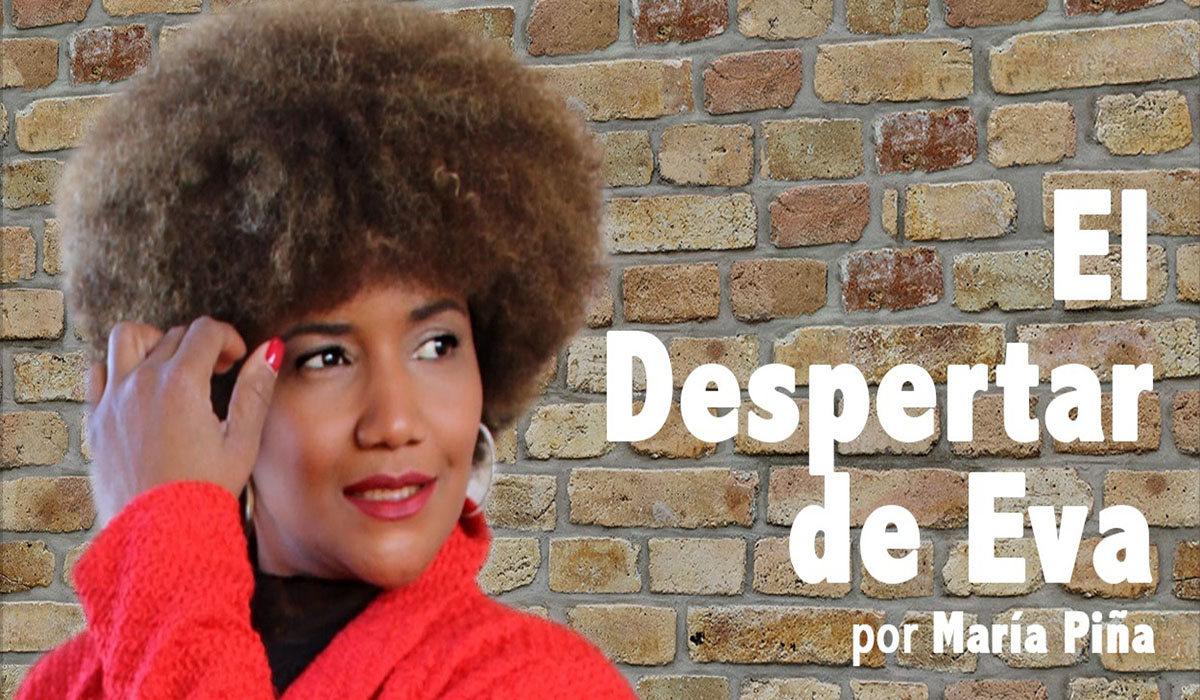
El despertar de Eva, Esos días: el tabú de lo que sentimos, callamos y sostenemos durante la menstruación
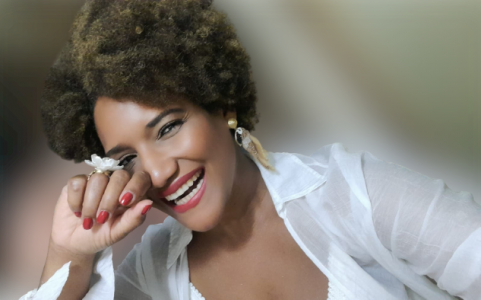
COLUMNISTA
From a very young age, many of us were taught that menstruation should be hidden. Not to be spoken out loud. To be spoken in code: «those days,» «the problem,» «she’s sick,» «she’s on her period.» And along with that shameful way of naming it, we also learned to hide the pain, discomfort, and even sadness that often accompanies our cycle.
Desde muy pequeñas, a muchas nos enseñaron que la menstruación debía esconderse. Que no se diga en voz alta. Que se hable en clave: «esos días», «el problema», «está mala», «anda con la regla». Y junto con esa forma vergonzante de nombrarla, también aprendimos a disimular el dolor, la incomodidad y hasta la tristeza que muchas veces acompaña nuestro ciclo.
When was the last time, while menstruating, you simply said, «I can’t today, I need to stop»? How many times have we forced ourselves to perform the same, to take the same care, to smile the same, while inside our body was crying out for rest and our mind was screaming for silence?
¿Cuándo fue la última vez que, estando menstruando, dijiste simplemente «no puedo hoy, necesito parar»? ¿Cuántas veces nos obligamos a rendir igual, a cuidar igual, a sonreír igual, mientras por dentro el cuerpo pedía descanso y la mente gritaba silencio?
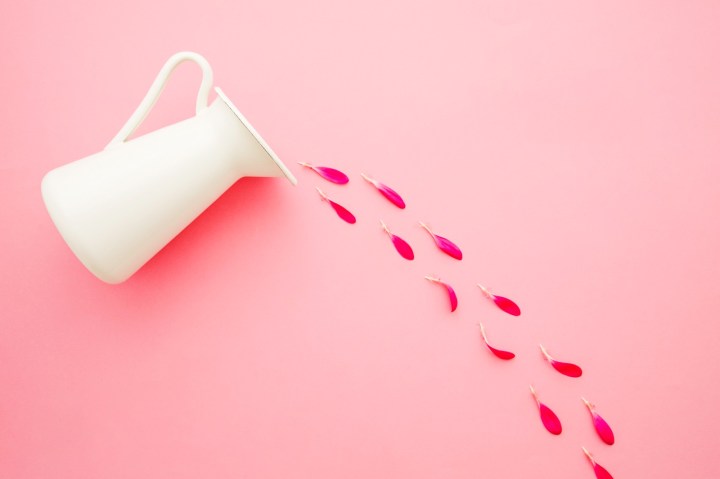
Society has taught us to function in a straight line: productivity, performance, consistency. But we aren’t straight. We’re cyclical. And that cyclicality is part of our power, even if it’s been portrayed as a weakness.La sociedad nos ha enseñado a funcionar en línea recta: productividad, rendimiento, constancia. Pero nosotras no somos rectas. Somos cíclicas. Y esa ciclicidad es parte de nuestro poder, aunque nos la hayan pintado como una debilidad.
Durante siglos, la menstruación ha sido vista como algo sucio, incómodo, irracional, molesto. Un proceso natural convertido en tabú. A muchas aún nos cuesta hablar de ello abiertamente, incluso entre mujeres. Nos da vergüenza si se nota una mancha, si alguien escucha el sonido del envoltorio de una compresa, si tenemos que ir al baño más veces de lo normal.
And the saddest thing: we’ve gotten used to living it in silence. To enduring it instead of supporting it. To not stopping. To not listening to each other. My daughter is thirteen years old, and the first few times she had her period, she barely wanted to talk about it, not even with me. I’ve told her, «Hello, babe,» that it’s normal, that you have a body and a cycle and you have to live with it. And everything that happens to you with this is perfectly normal and you have to see it as normal. We have to wear a pad because we need it and we have to buy it, because otherwise, what do we do? We can’t be ashamed of this. It’s true that we’ve made progress here too. I was at a conference on equality earlier this year, and there was a girl I met from Seville who discussed the topic of menopause and periods as something natural. And she also taught in schools to encourage girls and boys to see it as something natural, and I loved it. In last week’s article, we touched on the topic of menopause, which we didn’t even talk about with our partners. And that’s what we have to do. They have to know what we’re going through, they have to know how we feel so they can support us and understand us.
Y lo más triste: nos hemos acostumbrado a vivirlo en silencio. A soportar en lugar de sostenernos. A no parar. A no escucharnos. Mi hija tiene trece años y las primeras veces de la regla, no quería hablarlo casi que ni conmigo. Le he dicho: “Hello, nena”, que es normal, que tienes un cuerpo y que tienes un ciclo y tienes que vivirlo. Y todo lo que te pase con esto es perfectamente normal y tienes que verlo normal. Tenemos que ponernos una compresa porque la necesitamos y tenemos que comprarla, porque si no, ¿qué hacemos? No nos puede avergonzar esto. Es verdad que también aquí hemos avanzado. Yo estuve hace a principios de año en un congreso sobre igualdad y había una chica que conocí de Sevilla, que trataba el tema de la menopausia y el tema de la regla como algo natural. Y también enseñaba en coles a que las chicas y los chicos también lo vean como algo natural y esto me encantó. En el artículo de la semana pasada tocábamos el tema de la menopausia, que no hablábamos ni siquiera con nuestras parejas. Y eso tenemos que hacerlo. Tienen que conocer lo que nos pasa, tienen que conocer cómo nos sentimos para que nos puedan apoyar y nos puedan comprender.
But menstruation is much more than bleeding. It’s a time in our cycle when our body demands a release, introspection, and retreat. We become more sensitive, yes, but also more intuitive. More connected to our inner selves. It’s a biological invitation to self-care.
Pero menstruar es mucho más que sangrar. Es un momento del ciclo donde nuestro cuerpo pide bajada, introspección, recogimiento. Nos volvemos más sensibles, sí, pero también más intuitivas. Más conectadas con lo profundo. Es una invitación biológica al autocuidado.
In many ancient cultures, menstruation was viewed as a sacred time. Women retreated together, cared for each other, and allowed themselves time to rest. Today, however, we are required to be available all the time. At work, at home, and emotionally. And if we’re irritable during those days, we’re called irritable. If we’re in pain, we’re told to suck it up. If we feel vulnerable, we’re accused of being «hormonal.»
En muchas culturas ancestrales, la menstruación era vista como un tiempo sagrado. Las mujeres se retiraban juntas, se cuidaban entre sí, se permitían el descanso. Hoy, en cambio, se nos exige estar disponibles todo el tiempo. En el trabajo, en casa, en lo emocional. Y si durante esos días estamos irritables, nos llaman exageradas. Si nos duele, nos dicen que aguantemos. Si nos sentimos vulnerables, nos acusan de “andar hormonales”.
Disconnection from our cycle also disconnects our power. Because in that internal rhythm lies a wisdom we’ve forgotten. Knowing what phase you’re in, how it affects your energy, your mood, your productivity… isn’t weakness: it’s self-knowledge.
La desconexión con nuestro ciclo también desconecta nuestro poder. Porque en ese ritmo interno hay una sabiduría que hemos olvidado. Saber en qué fase estás, cómo afecta a tu energía, a tu estado de ánimo, a tu productividad… no es debilidad: es autoconocimiento.
This isn’t just a biological issue. It’s also a political, emotional, and spiritual one. It’s a conversation we need to have without fear, without filters, without shame.
Este no es solo un tema biológico. Es también político, emocional y espiritual. Es una conversación que necesitamos tener sin miedo, sin filtros, sin vergüenza.
And no, it’s not about romanticizing pain or playing the victim. It’s about opening a space of respect and awareness. It’s about not forcing ourselves to be linear when our bodies are cyclical. It’s about allowing ourselves to stop when we need to. It’s about teaching our daughters that they shouldn’t hide. And for our sons, that accompanying with respect is also educating, it’s also loving.
Y no, no se trata de romantizar el dolor ni de victimizarse. Se trata de abrir un espacio de respeto y conciencia. De no forzarnos a ser lineales cuando nuestro cuerpo es cíclico. De permitirnos parar cuando lo necesitamos. De enseñarle a nuestras hijas que no deben esconderse. Y a nuestros hijos, que acompañar con respeto también es educar, también es amor.
It’s time to break the silence. To talk about menstruation as what it is: a living part of us. And to claim the right to experience it without guilt, without pressure, without judgment.
Es hora de romper el silencio. De hablar de la menstruación como lo que es: una parte viva de nosotras. Y de reclamar el derecho a vivirla sin culpa, sin presión, sin juicio.
Because those days are us too. And we deserve to live them with love.
Porque esos días también somos nosotras. Y merecemos habitarlos con amor.
A big hug, my dear Eva. Thank you for being, thank you for being here.
Un fuerte abrazo mi querida Eva, gracias por ser, gracias por estar.
María Piña
Descubre más desde LA AGENCIA MUNDIAL DE PRENSA
Suscríbete y recibe las últimas entradas en tu correo electrónico.
