
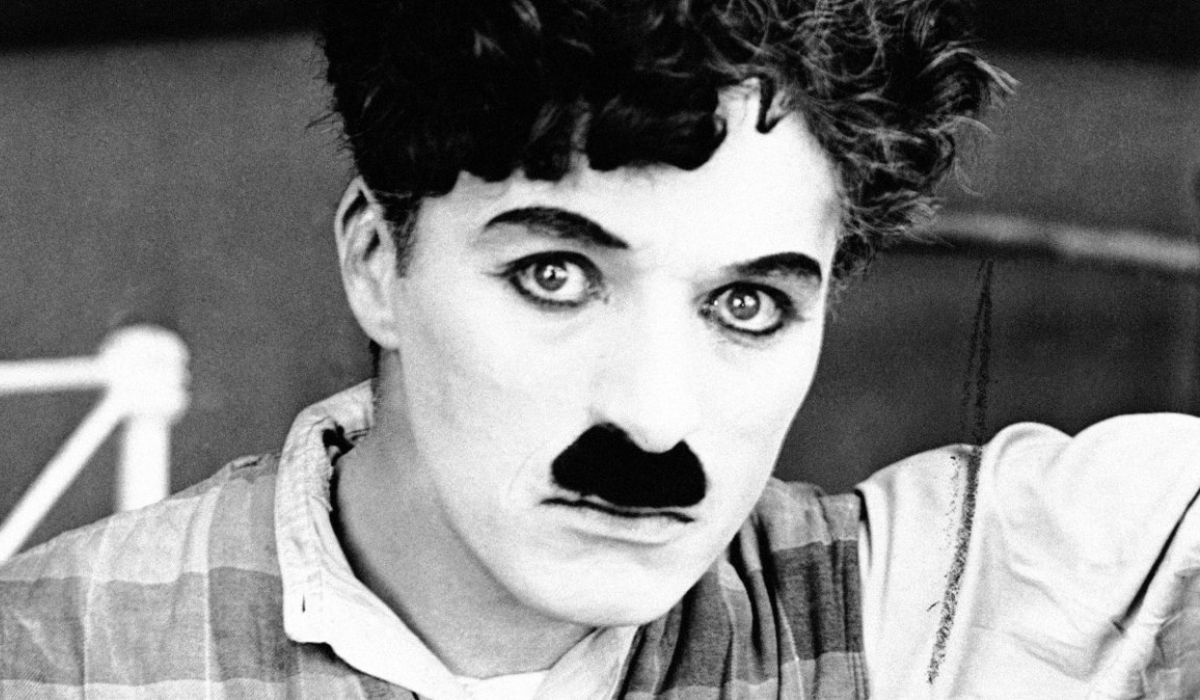
Charles Chaplin, the Immortal Vagabond Who Revolutionized Cinema and Challenged the World.

Charles Chaplin no fue solo un gran actor; fue todo un terremoto cultural que sacudió los cimientos del cine, la comedia y hasta la política. Con su icónico personaje de Charlot –ese vagabundo de bombín raído, bastón danzante y bigote juguetón–, Chaplin transformó el silencio en un grito universal de risa, crítica y humanidad. Nacido en la pobreza londinense y catapultado a la fama global, su vida es un guion épico de triunfos, escándalos y legados eternos. En este artículo, exploramos su trayectoria, desentrañamos controversias olvidadas y revelamos hallazgos recientes que mantienen viva su llama, todo con un toque de análisis cinematográfico para cautivar a fans y cinéfilos por igual.
Charles Chaplin was not just a great actor; he was a full cultural earthquake that shook the foundations of cinema, comedy, and even politics. With his iconic character Charlot—that vagabond with a tattered bowler hat, dancing cane, and playful mustache—Chaplin transformed silence into a universal cry of laughter, criticism, and humanity. Born in London poverty and catapulted to global fame, his life is an epic script of triumphs, scandals, and eternal legacies. In this article, we explore his trajectory, unravel forgotten controversies, and reveal recent findings that keep his flame alive, all with a touch of cinematic analysis to captivate fans and cinephiles alike.
Orígenes Humildes: De la Calle al Escenario / Humble Origins: From the Street to the Stage
Sir Charles Spencer Chaplin nació el 16 de abril de 1889 en East Lane, Walworth, Londres, en un hogar marcado por el arte y la adversidad. Sus padres, Hannah Hill (conocida como Lily Harley) y Charles Chaplin Sr., eran cantantes y actores de variedades con raíces judías. Sin embargo, un descubrimiento en 2011 –una carta antigua– sugiere que podría haber nacido en una caravana gitana en Black Patch Park, Smethwick, añadiendo un matiz nómada a su herencia. Esta posible ascendencia gitana, de un pueblo migrante del norte de India que huyó de invasiones y se extendió por Europa, explica quizá su empatía por los marginados en sus filmes. Los gitanos, o romá, enfrentaron siglos de prejuicios –desde leyendas de robos de niños hasta el horror nazi–, y Chaplin, sin saberlo, encarnó su resiliencia.
Sir Charles Spencer Chaplin was born on April 16, 1889, in East Lane, Walworth, London, in a home marked by art and adversity. His parents, Hannah Hill (known as Lily Harley) and Charles Chaplin Sr., were singers and variety actors with Jewish roots. However, a discovery in 2011—an old letter—suggests he might have been born in a gypsy caravan in Black Patch Park, Smethwick, adding a nomadic nuance to his heritage. This possible gypsy ancestry, from a migrant people from northern India who fled invasions and spread across Europe, perhaps explains his empathy for the marginalized in his films. The gypsies, or romá, faced centuries of prejudices—from legends of child kidnappings to Nazi horror—and Chaplin, unknowingly, embodied their resilience.
La infancia de Chaplin fue un drama dickensiano: su padre abandonó a la familia por el alcohol, dejando a Hannah sola con Charles y su hermano Sydney. Cuando la voz de Hannah falló en una actuación en 1894, el pequeño Charles, de solo cinco años, subió al escenario e imitó su colapso vocal, ganándose risas y aplausos. Fue su debut. Pero la pobreza golpeó duro: internados en asilos, burlas en escuelas para pobres y el internamiento de Hannah por problemas mentales en 1896. Chaplin se unió a grupos como los Eight Lancashire Lads y, más tarde, a la compañía de Fred Karno, donde perfeccionó su mímica junto a Stan Laurel.
Chaplin’s childhood was a Dickensian drama: his father abandoned the family due to alcohol, leaving Hannah alone with Charles and his brother Sydney. When Hannah’s voice failed during a performance in 1894, little Charles, only five years old, took the stage and imitated her vocal collapse, earning laughs and applause. It was his debut. But poverty hit hard: stays in asylums, mockery in schools for the poor, and Hannah’s internment for mental issues in 1896. Chaplin joined groups like the Eight Lancashire Lads and, later, Fred Karno’s company, where he perfected his mime alongside Stan Laurel.
¿Sabías que esta herencia gitana conecta a Chaplin con una larga lista de artistas marginados? Como los mapuches en Chile o los romá en Europa, su historia denuncia prejuicios sociales que persisten. Chaplin no solo sobrevivió; transformó el dolor en arte, recordándonos que «la vida es una hermosa y magnífica cosa, incluso para una medusa».
Did you know that this gypsy heritage connects Chaplin to a long list of marginalized artists? Like the Mapuches in Chile or the romá in Europe, his story denounces persistent social prejudices. Chaplin not only survived; he transformed pain into art, reminding us that «life is a beautiful and magnificent thing, even for a jellyfish.»
La Conquista de Hollywood: De Charlot al Icono Mundial / The Conquest of Hollywood: From Charlot to Worldwide Icon
En 1910, Chaplin cruzó el Atlántico con la troupe de Karno, captando la atención de Mack Sennett, rey de la comedia slapstick en Keystone. Llegó a Hollywood en 1913, debutando en Making a Living (1914) donde ya muestra su ingenio cómico como un estafador.. Ese año rodó 35 cortos, esbozando a Charlot: un vagabundo ingenuo, sentimental y rebelde contra la autoridad. El atuendo –sombrero, bastón, pantalones holgados– surgió improvisado, pero se convirtió en símbolo eterno.
In 1910, Chaplin crossed the Atlantic with Karno’s troupe, catching the attention of Mack Sennett, the king of slapstick comedy at Keystone. He arrived in Hollywood in 1913, debuting in Making a Living (1914) where he already shows his comic ingenuity as a con artist. That year he shot 35 shorts, sketching Charlot: an ingenuous, sentimental vagabond rebellious against authority. The outfit—hat, cane, baggy pants—arose improvised, but became an eternal symbol.
Con Essanay en 1915, Chaplin escribió y dirigió 14 filmes, como The Tramp, donde Charlot se define: un perdedor poético que critica la sociedad siendo aquí que nace el personaje, un vagabundo sentimental que se convierte en su sello. Su salario saltó a 1.500 dólares semanales, una fortuna. En Mutual (1916-1917), brilló en The Immigrant (El Inmigrante, 1917), una sátira sobre la inmigración y la pobreza, con toques románticos.
y Easy Street (La Calle de la Paz 1917) , con Edna Purviance como musa, Charlot como policía en un barrio caótico, lleno de slapstick.. Para 1918, firmó con First National por un millón anual, rodando clásicos como The Kid (1921), su primera obra maestra tragicómica con Jackie Coogan.
With Essanay in 1915, Chaplin wrote and directed 14 films, like The Tramp, where Charlot defines himself: a poetic loser who criticizes society, and this is where the character is born, a sentimental vagabond that becomes his seal. His salary jumped to 1,500 dollars weekly, a fortune. In Mutual (1916-1917), he shone in The Immigrant (The Immigrant, 1917), a satire on immigration and poverty, with romantic touches. and Easy Street (The Street of Peace 1917), with Edna Purviance as his muse, Charlot as a policeman in a chaotic neighborhood, full of slapstick. By 1918, he signed with First National for a million annually, shooting classics like The Kid (1921), his first tragicomic masterpiece with Jackie Coogan.
En 1919, fundó United Artists con Mary Pickford, Douglas Fairbanks y D.W. Griffith, liberándose de estudios. Dirigió A Woman of Paris (1923) sin actuar, y inició su trilogía dorada: The Gold Rush (1925), una epopeya de codicia y supervivencia; The Circus (1928), que le valió un Oscar; y City Lights (1931), paradigma de ternura con escenas sonoras pese a su fidelidad al cine mudo.
In 1919, he founded United Artists with Mary Pickford, Douglas Fairbanks, and D.W. Griffith, freeing himself from studio constraints. He directed A Woman of Paris (1923) without acting in it, and began his golden trilogy: The Gold Rush (1925), an epic of greed and survival; The Circus (1928), which earned him an Oscar; and City Lights (1931), a paradigm of tenderness with sound scenes despite its fidelity to silent film.
Crítica Social y Controversias: El Rebelde Político / Criticism and Controversies: The Political Rebel
Chaplin no era solo risas; era un dardo contra el poder. Modern Times (1936) satiriza el capitalismo industrial, con Charlot devorado por máquinas –una metáfora atemporal de alienación. En The Great Dictator (1940), su primer filme sonoro completo, parodia a Hitler como Hynkel, un dictador paranoico, y a un barbero judío (Charlot). El discurso final, un manifiesto por la humanidad, clama: «Más que maquinaria, necesitamos humanidad. Más que inteligencia, necesitamos amabilidad y gentileza». Rodada en secreto ante presiones nazis y neutralidad estadounidense, recaudó millones pese a críticas iniciales. Hitler la vio en privado, y Chaplin lamentó no saber del Holocausto antes.
Chaplin was not just laughs; he was a dart against power. Modern Times (1936) satirizes industrial capitalism, with Charlot devoured by machines—a timeless metaphor for alienation. In The Great Dictator (1940), his first fully sound film, he parodies Hitler as Hynkel, a paranoid dictator, and a Jewish barber (Charlot). The final speech, a manifesto for humanity, cries: «More than machinery, we need humanity. More than cleverness, we need kindness and gentleness.» Shot in secret amid Nazi pressures and U.S. neutrality, it grossed millions despite initial criticisms. Hitler saw it privately, and Chaplin regretted not knowing about the Holocaust earlier.
Sus matrimonios –con Mildred Harris (1918-1920), Lita Grey (1924-1927), Paulette Goddard (1936-1942) y Oona O’Neill (1943 hasta su muerte)– generaron escándalos, especialmente con menores de edad. Acusado de paternidad en 1942 y violación de la Ley Mann, pagó fortunas. El macartismo lo tildó de comunista por su crítica social y origen judío; en 1952, exiliado en Suiza, nunca regresó a EE.UU. hasta 1972 por un Oscar honorífico.
His marriages—with Mildred Harris (1918-1920), Lita Grey (1924-1927), Paulette Goddard (1936-1942), and Oona O’Neill (1943 until his death)—generated scandals, especially with underage girls. Accused of paternity in 1942 and violation of the Mann Act, he paid fortunes. McCarthyism labeled him a communist for his social criticism and Jewish origin; in 1952, exiled in Switzerland, he never returned to the U.S. until 1972 for an honorary Oscar.
Desde Vevey, rodó Monsieur Verdoux (1947), Limelight (1952) –rememoración nostálgica– y A King in New York (1957). Su última, A Countess from Hong Kong (1966), con Sophia Loren y Marlon Brando, fue un cierre elegante pero anacrónico.
From Vevey, he shot Monsieur Verdoux (1947), Limelight (1952)—a nostalgic reminiscence—and A King in New York (1957). His last, A Countess from Hong Kong (1966), with Sophia Loren and Marlon Brando, was an elegant but anachronistic close.
Hallazgos Recientes: Tesoros Olvidados de un Genio / Recent Findings: Forgotten Treasures of a Genius
En 2012, la Filmoteca de Bolonia halló un manuscrito inédito de Chaplin inspirado en Vaslav Nijinsky, sobre un bailarín tímido y su destino. Temas como la realización personal influyeron en Limelight. Otro descubrimiento: en 2011, un internauta compró en eBay Charlie Chaplin in Zepped, un corto de propaganda de 1916 contra zepelines alemanes, mezcla de live-action y animación –un precursor de Monty Python.
In 2012, the Bologna Film Library found an unpublished manuscript by Chaplin inspired by Vaslav Nijinsky, about a shy dancer and his destiny. Themes like personal fulfillment influenced Limelight. Another discovery: in 2011, an internet user bought on eBay Charlie Chaplin in Zepped, a 1916 propaganda short against German zeppelins, a mix of live-action and animation—a precursor to Monty Python.
Estos hallazgos reviven a Chaplin en la era digital, recordando su innovación: de mudos a sonoros, siempre con mímica impecable.
These findings revive Chaplin in the digital era, recalling his innovation: from silent to sound, always with impeccable mime.
Legado Eterno: Frases que Inspiran y un Mundo sin Prejuicios / Eternal Legacy: Inspiring Quotes and a World Without Prejudices
Chaplin filmó 81 películas en 50 años, muchas con guion, dirección y música propia. Su influencia pervive en comedia moderna –de los Monty Python a Pixar– y en críticas sociales como las de Jordan Peele. En 1977, murió en Navidad a los 88, dejando ocho hijos con Oona.
Chaplin filmed 81 movies in 50 years, many with his own script, direction, and music. His influence lives on in modern comedy—from Monty Python to Pixar—and in social critiques like those of Jordan Peele. In 1977, he died on Christmas at 88, leaving eight children with Oona.
Sus frases capturan su esencia / His quotes capture his essence:
- «Un día sin risa es un día perdido». «A day without laughter is a day wasted.»
- «Nunca encontrarás un arcoíris si miras hacia abajo». «You’ll never find a rainbow if you’re looking down.»
- «La vida puede ser maravillosa si no le tienes miedo». «Life can be wonderful if you’re not afraid of it.»
- «Nada es eterno en este mundo, ni siquiera nuestros problemas». «Nothing is permanent in this world, not even our troubles.»
- «La imaginación no significa nada sin acción». «Imagination means nothing without doing.»
Chaplin nos enseña que el humor es arma contra la injusticia. En un mundo aún plagado de prejuicios –contra gitanos, migrantes o marginados–, su Charlot grita: luchemos por un planeta más humano. Su estrella en Hollywood (1970) y museos en Suiza perpetúan su magia.
Chaplin teaches us that humor is a weapon against injustice. In a world still plagued by prejudices—against gypsies, migrants, or the marginalized—his Charlot shouts: let’s fight for a more human planet. His star in Hollywood (1970) and museums in Switzerland perpetuate his magic.
A continuación película completa sobre Charles Chaplin:
Next, a full movie about Charles Chaplin:
¿Listos para revisitar sus clásicos? esas obras maestras que definieron su carrera y el cine mudo. Charles Chaplin tiene una filmografía extensa, con más de 80 películas, pero sus «clásicos» suelen referirse a sus largometrajes más icónicos y algunos cortos emblemáticos que combinan humor, crítica social y emoción. Aquí os comparto una lista de sus largometrajes Icónicos, ordenados cronológicamente, con breves descripciones para que sepas por qué son imperdibles ya que Chaplin no muere; solo espera tu risa…
Are you ready to revisit his classics? those masterpieces that defined his career and silent cinema. Charles Chaplin has an extensive filmography, with more than 80 films, but his «classics» usually refer to his most iconic feature films and some emblematic shorts that combine humor, social criticism, and emotion. Here I share a list of his Iconic Feature Films, ordered chronologically, with brief descriptions so you know why they are unmissable since Chaplin doesn’t die; he just waits for your laugh…
Largometrajes Icónicos (1921-1952, su etapa dorada):
Iconic Feature Films (1921-1952, its golden age):
- The Kid (El Chico, 1921): Su primera obra maestra, una historia tierna sobre un vagabundo que adopta a un niño huérfano. Mezcla risa y lágrimas. The Kid (The Kid, 1921): His first masterpiece, a tender story about a vagabond who adopts an orphan child. Mixes laughter and tears.
- The Gold Rush (La Quimera del Oro, 1925): Charlot en la fiebre del oro de Alaska, con escenas legendarias como la danza de los panecillos. Considerada una de las mejores comedias de la historia. The Gold Rush (The Gold Rush, 1925): Charlot in the Alaska gold rush, with legendary scenes like the dance of the rolls. Considered one of the best comedies in history.
- The Circus (El Circo, 1928): Aventuras en un circo, con acrobacias y romance. Le valió su primer Oscar honorífico. The Circus (The Circus, 1928): Adventures in a circus, with acrobatics and romance. It earned him his first honorary Oscar.
- City Lights (Luces de la Ciudad, 1931): Un romance poético entre Charlot y una florista ciega. Fiel al mudo, pero con música compuesta por él. City Lights (City Lights, 1931): A poetic romance between Charlot and a blind flower girl. Faithful to silent, but with music composed by him.
- Modern Times (Tiempos Modernos, 1936): Crítica al capitalismo y la industrialización, con Charlot atrapado en engranajes. Su última aparición como el vagabundo puro. Modern Times (Modern Times, 1936): Critique of capitalism and industrialization, with Charlot trapped in gears. His last appearance as the pure vagabond.
- The Great Dictator (El Gran Dictador, 1940): Su primer filme totalmente sonoro, una parodia feroz de Hitler y el fascismo. Termina con un discurso inolvidable por la paz. The Great Dictator (The Great Dictator, 1940): His first fully sound film, a fierce parody of Hitler and fascism. Ends with an unforgettable speech for peace.
- Monsieur Verdoux (1947): Un asesino en serie satírico, basado en un caso real. Más oscura y crítica social. Monsieur Verdoux (1947): A satirical serial killer, based on a real case. Darker and social critique.
- Limelight (Candilejas, 1952): Autobiográfica, sobre un cómico en decadencia. Incluye un dúo con Buster Keaton. Autobiographical, about a comedian in decline. Includes a duo with Buster Keaton.
Estos son los más celebrados por críticos y fans, así como los cortos en videos compartidos arriba. Muchos aparecen en listas como las de los mejores films de todos los tiempos (por ejemplo, en el AFI o Sight & Sound). Y es que Chaplin no solo actuaba, sino que dirigía, escribía y componía la música en la mayoría.
These are the most celebrated by critics and fans, as well as the shorts in the videos shared above. Many appear on lists like the best films of all time (for example, in the AFI or Sight & Sound). And Chaplin not only acted, but directed, wrote, and composed the music in most.
Si eres fan de Charles Chaplin, muchas de sus películas están disponibles en YouTube, canal oficial de Charlie Chaplin (@CharlieChaplinTV) con una gran colección de sus films, cortos y restaurados, especialmente las más antiguas que han entrado en dominio público (como las de antes de 1928 en EE.UU.). También hay playlists como «Charlie Chaplin Movies» con títulos como A Night in the Show, The Immigrant o Easy Street y también en búsquedas específicas como «Charlie Chaplin full movie» te llevan a versiones completas, como Modern Times o The Great Dictator. Algunos son uploads de fans, pero hay versiones de alta calidad.
If you’re a fan of Charles Chaplin, many of his films are available on YouTube, official Charlie Chaplin channel (@CharlieChaplinTV) with a great collection of his films, shorts, and restored ones, especially the older ones that have entered the public domain (like those before 1928 in the U.S.). There are also playlists like «Charlie Chaplin Movies» with titles like A Night in the Show, The Immigrant or Easy Street and also in specific searches like «Charlie Chaplin full movie» they take you to full versions, like Modern Times or The Great Dictator. Some are fan uploads, but there are high-quality versions.
Descubre más desde LA AGENCIA MUNDIAL DE PRENSA
Suscríbete y recibe las últimas entradas en tu correo electrónico.

