

THE NOBEL PEACE LAUREATES
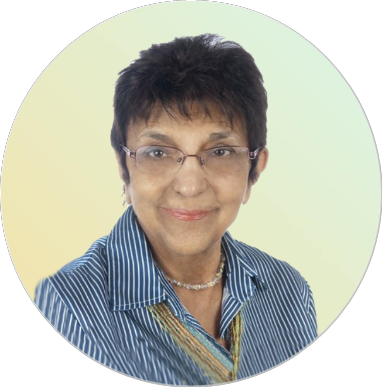
TERESA FERNANDEZ HERRERA. Periodista, Escritora, Editorialista. CDG de CULTURA.
El Premio Nobel de la Paz otorgado a María Corina Machado, ha traído a mi memoria algún otro y a mi curiosidad el histórico de estos premios desde su fundación en 1901. He podido ver los que fueron compartidos por más de una persona, los otorgados por países, por género, los años en que no se entregó, los entregados a organizaciones en una o más ocasiones y las ausencias incomprensibles.
The Nobel Peace Prize awarded to María Corina Machado has brought to mind other prizes and has stirred my curiosity about the history of these awards since their founding in 1901. I have been able to see which were shared by more than one person, which were awarded by country, by gender, the years in which they were not awarded, which were awarded to organizations on one or more occasions, and the incomprehensible absences.

Estos premios los entrega el Instituto Nobel Noruego a través de su Comité “a la persona que haya hecho el mejor trabajo o contribuciones para la fraternidad de los países, la supresión o reducción de los ejércitos y la participación o promoción de congresos de paz en el año inmediatamente anterior” Son los más controvertidos y con razón. Por poner un ejemplo, no se le otorgó a Mahatma Gandhi y sí se le otorgó a un antiguo terrorista. Ya llegaremos a eso.
These prizes are awarded by the Norwegian Nobel Institute through its Committee «to the person who has done the best work or contributed to the fraternity of nations, the abolition or reduction of armies, and the participation in or promotion of peace conferences in the immediately preceding year.» They are the most controversial, and rightly so. For example, it wasn’t awarded to Mahatma Gandhi, but it was to a former terrorist. We’ll get to that.
María Corina, gracias a Dios y al Comité Nobel noruego no ha tenido acompañantes en el premio. Es notorio que hay uno que presume de haber parado siete guerras. A día de hoy, de las convencionales ninguna, pero sí ha desatado la primera guerra comercial global, e incluso ha amenazado con represalias al Comité Nobel si no se lo daban. Evidentemente él solito se ha descalificado.
Maria Corina, thank God and the Norwegian Nobel Committee, hasn’t had any companions for the prize. It’s notorious that there’s one who boasts of having stopped seven wars. To this day, none of the conventional ones, but he did unleash the first global trade war, and he even threatened the Nobel Committee with reprisals if they didn’t award him the prize. Evidently, he disqualified himself.
Los premios por género no son ninguna sorpresa: 93 a hombres, 27 a Organizaciones Internacionales, 19 a mujeres. Dan ganas de reírse.
The awards by gender are no surprise: 93 to men, 27 to international organizations, 19 to women. It’s laughable.
Y ahora los premiados. Primero las mujeres.
And now the award winners. First, the women.
1905, Bertha von Stuttner, del Imperio Austrohúngaro. Por ser Presidenta honoraria de la Oficina Internacional por la paz y autora de “¡Abajo las armas”!; en 1930 Jane Addams, socióloga y Presidenta de la Liga Internacional de Mujeres pro paz y libertad; 1946, Emily Greene Balch, norteamricana, Liga Internacional de Mujeres pro paz y libertad; 1976, Betty Williams y Mairead Corrigan, Reino Unido, fundadoras del Movimiento de Paz de Irlanda del Norte; 1979, Madre Teresa de Calcuta, India, Líder de Misioneras por la Caridad; 1982, Alva Myrdal, Suecia, por su trabajo en las negociaciones de desarme de Naciones Unidas. Lo compartió con el mexicano Alfonso García Robles; 1991, Aung San Suu Kyi, Birmania, por su lucha no violenta por la democracia y los derechos humanos; 1992, Rigoberta Menchú, Guatemala, por su trabajo en pro de la justicia social y reconciliación etno-cultural y el respeto de los derechos de las personas indígenas; 1997, Jody Williams, Estados Unidos, por su contribución a la prohibición y limpieza de las minas antipersona; 2003, Shirin Ebadi, Irán, lucha por la democracia y los derechos humanos especialmente de las mujeres y los niños; 2004, Wangari Maathai, Kenia, contribución al desarrollo sostenible, la democracia y la paz; 2011, Ellen Johnson Sirleaf, Leymah Gbowee , Liberia y Tawakkul Karman, Yemen, por su lucha no violenta, por la seguridad y los derechos de las mujeres y la participación en la construcción de la paz; 2014, Malala Yousafzai, Pakistán, por su lucha contra la represión de los niños y jóvenes, por el derecho de los niños a la educación; 2018, Nadia Murad, Irak, por sus esfuerzos por acabar con la violencia sexual como arma en guerras; 2021, María Ressa, Filipinas, por la salvaguarda de la libertad de expresión, imprescindible para la democracia; 2023 Narges Mohammadi, Irán, por su lucha contra la opresión de las mujeres en Irán, por promover los derechos humanos y la libertad. Compartido con los cientos de miles de personas que el año anterior se manifestaron contra las políticas de discriminación; 2025, María Corina Machado, Venezuela, por su incansable labor en la promoción de los derechos democráticos del pueblo de Venezuela y por una transición justa de la dictadura la democracia.
1905, Bertha von Stuttner, Austro-Hungarian Empire, Honorary President of the International Peace Bureau and author of “Lay Down Your Arms!”; 1930, Jane Addams, sociologist and President of the Women’s International League for Peace and Freedom; 1946, Emily Greene Balch, American, Women’s International League for Peace and Freedom; 1976, Betty Williams and Mairead Corrigan, United Kingdom, founders of the Northern Ireland Peace Movement; 1979, Mother Teresa of Calcutta, India, Leader of the Missionaries of Charity; 1982, Alva Myrdal, Sweden, for her work in the United Nations disarmament negotiations. She shared it with Mexican Alfonso García Robles; 1991, Aung San Suu Kyi, Burma, for her non-violent struggle for democracy and human rights; 1992, Rigoberta Menchú, Guatemala, for her work in favor of social justice and ethno-cultural reconciliation and respect for the rights of indigenous people; 1997, Jody Williams, United States, for her contribution to the prohibition and clearance of anti-personnel mines; 2003, Shirin Ebadi, Iran, fight for democracy and human rights, especially for women and children; 2004, Wangari Maathai, Kenya, contribution to sustainable development, democracy and peace; 2011, Ellen Johnson Sirleaf, Leymah Gbowee, Liberia and Tawakkul Karman, Yemen, for their non-violent struggle for security and women’s rights and participation in peacebuilding; 2014, Malala Yousafzai, Pakistan, for her fight against the repression of children and young people, for children’s right to education; 2018, Nadia Murad, Iraq, for her efforts to end sexual violence as a weapon in war; 2021, María Ressa, Philippines, for safeguarding freedom of expression, essential for democracy; 2023, Narges Mohammadi, Iran, for her fight against the oppression of women in Iran, for promoting human rights and freedom. Shared with the hundreds of thousands of people who the previous year demonstrated against discrimination policies; 2025, María Corina Machado, Venezuela, for her tireless work in promoting the democratic rights of the Venezuelan people and for a just transition from dictatorship to democracy.
Muchas de estas mujeres se juegan la vida y la libertad en sus países por reclamar sus derechos.
Many of these women risk their lives and freedom in their countries to demand their rights.
Sigamos por los políticos de primer nivel. La mayoría tan controvertidos que producen rechazo. Hay muchos que participaron en tribunales de arbitraje y Oficina por la Paz. Los omito.
Let’s continue with the top-level politicians. Most are so controversial as to be repugnant. There are many who served on arbitration tribunals and the Peace Bureau. I’ll omit them.
1906, Theodore Roosevelt, Estados Unidos, por su mediación para acabar la guerra ruso-japonesa y proporcionar al Tribunal de arbitraje de La Haya su primer caso; 1919, Woodrow Wilson, Estados unidos, Presidente y co fundador de la Sociedad de Naciones; 1921, Hjalmar Branting, Suecia, Primer ministro y Presidente del Consejo de la Sociedad de Naciones.
1906, Theodore Roosevelt, United States, for his mediation in ending the Russo-Japanese War and providing the Arbitration Tribunal at The Hague with its first case; 1919, Woodrow Wilson, United States, President and co-founder of the League of Nations; 1921, Hjalmar Branting, Sweden, Prime Minister and Chairman of the Council of the League of Nations.
De 1914 a 1918 no se entregó el premio durante la Primera Guerra Mundial. En 1917 se entregó al Comité internacional de la Cruz Roja. Y en 1938 durante la II Guerra Mundial, a la Oficina Internacional Nansen para los refugiados. Tampoco se entregó en 1923 y 1924. En 1948 no se entregó por falta de candidato vivo merecedor del premio. 1955 y 56, 1966-67 y 1972 no se entregó.
From 1914 to 1918, the prize was not awarded during the First World War. In 1917, it was awarded to the International Committee of the Red Cross, and in 1938 to the Nansen International Refugee Office. It was also not awarded in 1923 and 1924. In 1948, it was not awarded due to the lack of a worthy living candidate. In 1955 and 1956, 1966-67, and 1972, it was not awarded.
1925. Creadores y firmantes de los Tratados de Locarno, una serie de acuerdos de paz firmados en 1925 por Alemania, Francia, Bélgica, Reino Unido e Italia, entre otros países, que buscaban garantizar la paz en Europa después de la Primera Guerra Mundial. Austen Chamberlain, Reino Unido, Aristide Briand, Francia, Gustav Stressemann. Alemania.
1925. Creators and signatories of the Locarno Treaties, a series of peace agreements signed in 1925 by Germany, France, Belgium, the United Kingdom, and Italy, among other countries, that sought to ensure peace in Europe after the First World War. Austen Chamberlain, United Kingdom; Aristide Briand, France; Gustav Stressemann, Germany.
1936. Carlos Saavedra Lamas, Argentina, Ministro de Exteriores, Presidente Sociedad de Naciones, mediador en el conflicto entre Paraguay y Bolivia; 1953, George Marshall, Estados Unidos, entre otras cosas fundador del Plan Marshall; 1954, Alto Comisionado de las Naciones Unidas para los Refugiados, Suiza; 1957 Lester Bowles Pearson, Canadá, esfuerzos por concluir el conflicto de Suez y la cuestión de Medio Oriente por medio de las Naciones Unidas. 1960, Albert Lutuli, Sudáfrica, Presidente del Congreso Nacional Africano, lucha contra el apartheid. 1965, Martin Luther King, Estados Unidos, Líder de la Conferencia Sur de Liderazgo Cristiano. 1971, Willy Brandt, Alemania, Canciller de la República Federal, por su Ostpolitik; 1972, Henry A. Kissinger, USA, por el Acuerdo de París 1973 para cese el fuego en Vietnam y retirada de las fuerzas USA.; Le Duc Tho, de Vietnam, lo rechazó.
1936 Carlos Saavedra Lamas, Argentina, Foreign Minister, President of the League of Nations, mediator in the conflict between Paraguay and Bolivia; 1953 George Marshall, United States, founder of the Marshall Plan; 1954 United Nations High Commissioner for Refugees, Switzerland; 1957 Lester Bowles Pearson, Canada, efforts to conclude the Suez Conflict and the Middle East issue through the United Nations. 1960 Albert Lutuli, South Africa, President of the African National Congress, fights against apartheid. 1965 Martin Luther King, United States, leader of the Southern Christian Leadership Conference. 1971 Willy Brandt, Germany, Chancellor of the Federal Republic, for his Ostpolitik; 1972 Henry A. Kissinger, USA, for the 1973 Paris Agreement for a ceasefire in Vietnam and the withdrawal of US forces. Le Duc Tho from Vietnam turned it down.
En 1978 lo compartieron Mohamed Anwar Al-Sadat, Egipto y Menachem Begin, (antiguo terrorista del Irgun) Israel, por los Acuerdos de Camp David, para negociar paz entre sus dos países.(Hoy da risa)
1978 was shared by Mohamed Anwar Al-Sadat, Egypt, and Menachem Begin (former Irgun terrorist) of Israel, for the Camp David Accords, to negotiate peace between their two countries. (It’s laughable today)
1980. Adolfo Pérez Esquivel, Argentina, Líder activista pro derechos Humanos, lucha contra la Junta Militar que gobernaba su país: 1983, Lech Walesa, Polonia, fundador de Solidartnosc; 1987, Óscar Arias Sánchez, Costa Rica, por su trabajo por la paz en Centroamérica; 1990, Mijail Gorbachov, Presidente de la Unión Soviética, por su liderazgo en el proceso de paz en la comunidad internacional; 1993, Nelson Mandela, Sudáfrica, por su trabajo para el fin pacífico del Apartheid. Compartido con Frederik de Klerk . 1994, Yasir Arafat, Palestina, Isaac Rabin y Shimon Peres, Israel, por su valentía en abrir oportunidades para un nuevo desarrollo hacia la fraternidad en Oriente Medio. (Hoy se revolverían en sus tumbas )
1980. Adolfo Pérez Esquivel, Argentina, Human rights activist leader, fighting against the military junta that ruled his country; 1983, Lech Walesa, Poland, founder of Solidarity Network; 1987, Oscar Arias Sánchez, Costa Rica, for his work for peace in Central America; 1990, Mikhail Gorbachev, President of the Soviet Union, for his leadership in the peace process in the international community; 1993, Nelson Mandela, South Africa, for his work for the peaceful end of Apartheid. Shared with Frederik de Klerk. 1994, Yasser Arafat, Palestine; Isaac Rabin and Shimon Peres, Israel, for their courage in opening up opportunities for a new development towards brotherhood in the Middle East. (Today they would turn in their graves)
1998, John Hume y David Trimble, Reino Unido, por sus esfuerzos por una solución pacífica en el conflicto de Irlanda del Norte; 2000, Kim Dae Jung, Corea del Sur, por la democracia en Corea del Sur y reconciliación por la paz en Corea del Norte; 2001, Kofi Annan, Ghana, Presidente Naciones Unidas, por su trabajo por un mundo mejor y más pacífico, compartido con ONU.
1998, John Hume and David Trimble, United Kingdom, for their efforts towards a peaceful solution to the conflict in Northern Ireland; 2000, Kim Dae Jung, South Korea, for democracy in South Korea and reconciliation for peace in North Korea; 2001, Kofi Annan, Ghana, President of the United Nations, for his work for a better and more peaceful world, shared with the UN.
2002, Jimmy Carter, Presidente USA, por décadas de esfuerzo por soluciones pacíficas a conflictos internacionales, (creados por su país) promover la democracia, los derechos humanos, el desarrollo económico y social. 2006. Al Gore, USA, esfuerzos por el cambio climático provocado por el hombre y para sentar las bases necesarias para frenar ese cambio. (Hoy le echarían del país). 2009, Barack Obama, Presidente USA, por sus extraordinarios esfuerzos para fortalecer la diplomacia internacional y la colaboración entre los pueblos. ( a él también) 2010. Liu Xiaobo, China, por su lucha no violenta por la defensa de los derechos humanos en China.
In 2002, Jimmy Carter,USA President, for decades of efforts in order to find peace solutions to international conflicts, (created by his country) for promoting democracy, human rights, economic and social development. 2006, Al Gore, USA, efforts for climatic change due to men actions and for setting the necessary bases to curb such change. (Tioday he would be fired out of his country) 2009, Barack Obama, USA President, for his extraordinary efforts to reinforce international diplomacy and the cooperation among proples. (He woul be as well) 2010. LIU Xiaobo, China, forhis non violent fight in defence of human rights in China.
2012, Unión Europea. Por su contribución durante seis décadas al avance de la paz, la reconciliación y la democracia y los derechos humanos en Europa.
2012, European Union. For his contribution over six decades to advancing peace, reconciliation, democracy, and human rights in Europe.
2016, Juan Manuel Santos, Colombia, por sus esfuerzos por intentar finalizar la guerra civil de más de 50 años en Colombia.
2016, Juan Manuel Santos, Colombia, for his efforts to end the civil war that lasted more than 50 years in Colombia.
Habrá una segunda parte para los hombres que realmente han merecido el Premio Nobel de la Paz.
There will be a second part for the men who truly deserve the Nobel Peace Prize.
NOTA DE LA AUTORA.
Durante los años de las guerras mundiales solo se entregaron excepcionalmente Premios Nobel de la Paz, en 1917 al Comité internacional de la Cruz Roja y en 1938 a la Oficina Internacional Nansen para los refugiados.
During the years of the World Wars, Nobel Peace Prizes were awarded only exceptionally: in 1917 to the International Committee of the Red Cross and in 1938 to the Nansen International Refugee Office.
Nadie se acordó de la Guerra Civil Española de 1936 a 1939, en la que Hitler experimentó su armamento para la guerra mundial que empezó el 1 de septiembre de 1939. Ninguno de los aliados ayudó a la República Española. Ni se pararon los Nobel de la Paz por esta causa. Ni después de la victoria aliada de la II Guerra Mundial hubo ayuda para restaurar la República en España, al contrario porque Franco servía a sus intereses en la Guerra Fría. Tampoco hubo Plan Marshall. Ni un Premio Nóbel de la Paz para un español y pongo por ejemplo a Don Pablo de Azcárate, que luchó incansablemente como Embajador en Londres durante la guerra por conseguir ayuda para la República. Ni después, desde su cargo en Naciones Unidas consiguió ningún reconocimiento para la recuperación de la democracia en España. Nada, ya no interesaba, porque Franco repudiaba el comunismo de la Unión Soviética, el enemigo aliado de la Guerra Fría.
No one remembered the Spanish Civil War from 1936 to 1939, in which Hitler tested his weapons for the world war that began on September 1, 1939. None of the Allies helped the Spanish Republic. Nor did the Nobel Peace Prizes cease for this reason. Nor was there any aid to restore the Republic in Spain after the Allied victory in World War II, on the contrary, because Franco served their interests in the Cold War. Nor was there a Marshall Plan. Nor was there a Nobel Peace Prize awarded to a Spaniard, and I give, for example, Don Pablo de Azcárate, who fought tirelessly as Ambassador in London during the war to secure aid for the Republic. Nor did he receive any recognition for the restoration of democracy in Spain from his position at the United Nations. Nothing, it was no longer of interest, because Franco repudiated the communism of the Soviet Union, the allied enemy of the Cold War.
Pero no se los movió un pelo otorgando el Nobel de la paz a Henry Kissinger ni peor aún, a Menachem Begin, por poner dos ejemplos.
But they didn’t bat an eye at awarding the Nobel Peace Prize to Henry Kissinger or, worse still, to Menachem Begin, to give two examples.
Descubre más desde LA AGENCIA MUNDIAL DE PRENSA
Suscríbete y recibe las últimas entradas en tu correo electrónico.
