
The Heart That Sustains: Caring for the Caregiver
En un rincón silencioso de cada hogar, hay una figura que sostiene el mundo sin que muchos lo noten. No lleva capa, ni uniforme brillante, pero su labor es tan vital como invisible. Son los cuidadores: personas que, día tras día, entregan su tiempo, su energía y muchas veces su salud emocional para acompañar a otros en sus procesos de vida. Esta es la historia de quienes cuidan… y de quienes también necesitan ser cuidados.
In a quiet corner of every home, there is a figure who holds the world together without many noticing. They don’t wear a cape or a shiny uniform, but their work is as vital as it is invisible. They are the caregivers: people who, day after day, give their time, their energy, and often their emotional health to accompany others in their life processes. This is the story of those who care… and of those who also need to be cared for.
Hoy hablaremos de quienes sostienen el mundo desde el amor, la paciencia y el compromiso: Los cuidadores. Personas que, día tras día, entregan su tiempo, su energía y muchas veces su salud emocional para acompañar a otros en sus procesos de vida.
Today we’ll talk about those who sustain the world through love, patience, and commitment: caregivers. People who, day after day, give their time, energy, and often their emotional health to support others in their life journeys.

“Quien cuida merece ser cuidado con la misma ternura que ofrece. Porque sostener a otros no debe significar olvidarse de uno mismo.”
«Those who care deserve to be cared for with the same tenderness they offer. Because supporting others shouldn’t mean forgetting about yourself.»
Cuidar como acto de amor / Caring as an act of love
Cuidar a otro ser humano es uno de los actos más nobles y exigentes que existen. Detrás de cada adulto mayor atendido con amor, hay un cuidador que sostiene, acompaña y muchas veces se olvida de sí mismo. En esta entrevista, la licenciada Tahida Díaz —experta en atención geriátrica y promotora del bienestar del cuidador— comparte reflexiones profundas, herramientas prácticas y un llamado urgente a reconocer el valor de quienes cuidan. Porque cuidar al cuidador no es solo una necesidad: es un acto de humanidad.
Caring for another human being is one of the noblest and most demanding acts in existence. Behind every older adult cared for with love, there is a caregiver who supports, accompanies, and often forgets about themselves. In this interview, Tahida Díaz—an expert in geriatric care and caregiver well-being advocate—shares profound reflections, practical tools, and an urgent call to recognize the value of those who care. Because caring for caregivers is not just a necessity: it’s an act of humanity.
“¿Quién cuida al que cuida?” —con esta pregunta comienza la conversación con la Lic. Tahida Díaz, una mujer que ha dedicado más de cuatro décadas a transformar la atención geriátrica en Venezuela. Enfermera, especialista en salud pública y directora de Geriapoyo, Tahida no solo ha acompañado a miles de adultos mayores, sino que ha levantado una bandera urgente: cuidar al cuidador.
“Who cares for the caregiver?”—with this question begins the conversation with Tahida Díaz, a woman who has dedicated more than four decades to transforming geriatric care in Venezuela. A nurse, public health specialist, and director of Geriapoyo, Tahida has not only accompanied thousands of older adults, but has also raised an urgent banner: caring for the caregiver.
“Cuidar no es solo atender”, nos dice. “Es estar presente para alguien que no puede valerse por sí mismo, acompañarlo en sus actividades básicas, en su día a día. Pero también es un acto de amor hacia uno mismo, porque si no nos cuidamos, no podemos cuidar bien”.
“Caring is not just caring,” she tells us. «It’s being there for someone who can’t take care of themselves, supporting them in their basic activities, in their daily lives. But it’s also an act of self-love, because if we don’t take care of ourselves, we can’t take care of ourselves properly.»

Los tipos de cuidadores: una red invisible / Types of caregivers: an invisible network
La Lic Tahida nos explica que no todos los cuidadores son iguales, aunque todos comparten una misma esencia: el compromiso.
Lic. Tahida explains that not all caregivers are the same, although they all share a common essence: commitment.
En Geriapoyo, se trabaja con tres tipos principales:
At Geriapoyo, we work with three main types:
- Cuidador principal: Es quien vive con el adulto mayor, lo atiende, lo acompaña en su alimentación, higiene, medicación. Puede ser un hijo, una pareja, un hermano. Es el pilar del cuidado diario. Primary caregiver: A caregiver who lives with the older adult, cares for them, and assists them with their nutrition, hygiene, and medication needs. This can be a child, a partner, or a sibling. This caregiver is the pillar of daily care.
- Cuidador informal: Aquella persona que, sin estar presente todo el tiempo, colabora ocasionalmente. Un vecino que trae comida, un amigo que pasa a saludar. Su presencia es valiosa, aunque intermitente. Informal caregiver: Someone who, while not always present, occasionally pitches in. A neighbor who brings food, a friend who stops by to say hello. Their presence is valuable, even if intermittent.
- Cuidador formal: Es el profesional contratado para brindar atención especializada. Se espera que esté capacitado para responder a las necesidades del adulto mayor con conocimiento y sensibilidad. Formal caregiver: A professional hired to provide specialized care. They are expected to be trained to respond to the needs of older adults with knowledge and sensitivity.
“Lo que más nos preocupa”, dice Tahida, “es que muchas veces se habla del adulto mayor, pero se olvida a quien lo cuida. Y ese olvido puede convertirse en agotamiento, en enfermedad, en abandono”.
“What worries us most,” says Tahida, “is that we often talk about older adults, but we forget about their caregivers. And that neglect can lead to exhaustion, illness, and abandonment.”

Dignificar la labor invisible / Dignify invisible work
La Licenciada Tahida no solo ha identificado esta problemática, la ha enfrentado con propuestas concretas. Desde programas como “Cuidando al Cuidador”, hasta espacios de formación y apoyo emocional, su trabajo busca dignificar una labor que sostiene silenciosamente a miles de familias. “Reconocer no basta”, afirma. “Hay que proteger, acompañar, formar. Porque el bienestar del cuidador es también el bienestar del cuidado”.
Tahida Díaz has not only identified this problem, she has addressed it with concrete proposals. From programs like «Caring for the Caregiver» to training and emotional support spaces, her work seeks to dignify a task that silently sustains thousands of families. «Recognizing is not enough,» she says. «We must protect, accompany, and educate. Because the well-being of the caregiver is also the well-being of the person being cared for.»
Ser cuidador no es solo acompañar. Es enfrentar lo inesperado, lo desconocido, lo que nadie te enseñó. Tahida Díaz lo explica con claridad: “Muchos cuidadores no están preparados para lo que les toca vivir. No lo esperaban. No lo estudiaron. No lo planearon”.
Being a caregiver isn’t just about being there for you. It’s about facing the unexpected, the unknown, what no one taught you. Tahida Díaz explains it clearly: «Many caregivers aren’t prepared for what they’re going through. They didn’t expect it. They didn’t study it. They didn’t plan for it.»
El peso del desconocimiento / The weight of ignorance
Uno de los mayores retos para el cuidador principal —ese familiar que está allí todos los días— es la falta de formación. Cuando el adulto mayor se vuelve dependiente, cuando aparece una demencia o un deterioro cognitivo, el cuidado se convierte en una tarea compleja, demandante, emocionalmente intensa.
One of the biggest challenges for the primary caregiver—that family member who is there every day—is the lack of training. When an older adult becomes dependent, when dementia or cognitive decline sets in, caregiving becomes a complex, demanding, and emotionally intense task.
“No todos saben cómo manejarlo”, explica Tahida. “Y eso los enfrenta a un mundo desconocido, lleno de decisiones, de emociones, de responsabilidades que no estaban en sus planes”.
“Not everyone knows how to handle it,” explains Tahida. “And that confronts them with an unknown world, full of decisions, emotions, and responsibilities that weren’t in their plans.”
Incluso los cuidadores formales —aquellos contratados para brindar atención— pueden estar mal preparados. “Muchas veces no tienen la formación adecuada. La geriatría no está incluida en los programas universitarios como debería. Y eso impacta directamente en la calidad de vida del adulto mayor”.
Even formal caregivers—those hired to provide care—can be ill-prepared. “They often don’t have adequate training. Geriatrics isn’t included in university programs as it should be. And that directly impacts the older adult’s quality of life.”
El cuidador quemado: cuando el amor se agota / The Burned Out Caregiver: When Love Runs Out
Tahida habla con pasión sobre un tema que considera urgente: la salud mental del cuidador. “Yo amo hablarle al cuidador”, dice. “Porque son quienes menos información tienen, y quienes más la necesitan”.
Tahida speaks passionately about a topic she considers urgent: caregiver mental health. “I love talking to caregivers,” she says. “Because they have the least information, and they need it the most.”
El síndrome del cuidador quemado es real. Es el resultado de una sobrecarga emocional y física que se acumula día tras día. “El desconocimiento de las emociones te vuelve vulnerable”, advierte. “Y si no se corrige, el agotamiento llega rápido. Se pierde la paciencia, se afecta el núcleo familiar, se pierde la alegría”.
Caregiver burnout syndrome is real. It’s the result of emotional and physical overload that accumulates day after day. “Ignoring emotions makes you vulnerable,” she warns. “And if it’s not corrected, exhaustion sets in quickly. Patience is lost, the family unit is affected, and joy is lost.”
Preservar la salud mental del cuidador no es un lujo, es una necesidad. Porque de ella depende la calidad del cuidado, la armonía del hogar, y el bienestar de todos.
Preserving the mental health of caregivers isn’t a luxury; it’s a necessity. The quality of care, the harmony of the home, and everyone’s well-being depend on it.
El arte de cuidarse mientras se cuida / The art of taking care of yourself while taking care of yourself
En el complejo universo del cuidado, especialmente cuando se trata de enfermedades como la demencia o el Alzheimer, el rol del cuidador se convierte en una travesía emocional y física que exige preparación, apoyo y, sobre todo, autocuidado. Nuestra invitada la Lic. Tahida, experta en acompañamiento a cuidadores, comparte una visión profunda sobre los pasos necesarios para sostenerse mientras se sostiene a otro.
In the complex world of caregiving, especially when it comes to diseases like dementia or Alzheimer’s, the role of caregiver becomes an emotional and physical journey that requires preparation, support, and, above all, self-care. Our guest, Lic. Tahida, an expert in caregiver support, shares a profound insight into the steps necessary to support oneself while supporting another.
El primer paso: aceptar la realidad / The first step: accept reality
Tahida explica que el proceso comienza con la negación. “¿Cómo me va a pasar a mí?”, “Yo no sé hacer esto”, “No estoy preparada”, son frases comunes en quienes enfrentan por primera vez el reto de cuidar a un ser querido. Esta etapa puede venir acompañada de frustración, incluso enojo hacia el familiar enfermo, especialmente cuando se trata de patologías cognitivas. Reconocer que se está ante una situación que requiere atención y compromiso es el primer peldaño de una pirámide emocional que todo cuidador debe escalar.
Tahida explains that the process begins with denial. «How could this happen to me?», «I don’t know how to do this,» «I’m not ready» are common phrases among those facing the challenge of caring for a loved one for the first time. This stage can be accompanied by frustration, even anger toward the sick family member, especially when it comes to cognitive pathologies. Recognizing that one is facing a situation that requires attention and commitment is the first step in the emotional pyramid that every caregiver must climb.
Conocimiento como herramienta / Knowledge as a tool
Una vez aceptado el rol, el siguiente paso es instruirse. Comprender la enfermedad, sus etapas y cómo evoluciona permite al cuidador anticiparse y adaptar el entorno para mejorar la calidad de vida del paciente. “Vamos aprendiendo, aceptando, y también cometiendo errores”, dice Tahida, subrayando que el aprendizaje es parte del camino.
Once the role has been accepted, the next step is training. Understanding the disease, its stages, and how it progresses allows caregivers to anticipate and adapt the environment to improve the patient’s quality of life. «We learn, accept, and also make mistakes,» says Tahida, emphasizing that learning is part of the journey.
La importancia de la red de apoyo / The importance of the support network
El tercer nivel de esta pirámide es buscar apoyo. “No se puede cuidar solo”, afirma con convicción. Identificar una red de familiares, amigos o instituciones que puedan ofrecer ayuda es esencial para evitar el agotamiento. Planificar momentos de respiro, delegar tareas y compartir experiencias con otros cuidadores son estrategias que fortalecen emocionalmente y previenen el llamado “síndrome del cuidador quemado”.
The third level of this pyramid is seeking support. “You can’t care for yourself,” she asserts with conviction. Identifying a network of family, friends, or institutions that can offer support is essential to avoiding burnout. Planning respites, delegating tasks, and sharing experiences with other caregivers are strategies that provide emotional strength and prevent the so-called “burnout syndrome.”
Rutinas que liberan / Routines that liberate
Tahida destaca la importancia de establecer rutinas, especialmente en pacientes con demencia. Horarios fijos para el baño, la alimentación, el sueño y los medicamentos no solo facilitan el cuidado, sino que también brindan al cuidador espacios de tiempo libre. “Esos pequeños granitos de arena te ayudan a tener tiempo para ti”, comenta.
Tahida emphasizes the importance of establishing routines, especially for patients with dementia. Fixed schedules for bathing, eating, sleeping, and medication not only make caregiving easier but also provide caregivers with free time. “Those little grains of sand help you have time for yourself,” she says.
Reconectar con la vida / Reconnect with life
Finalmente, la Lic. Tahida insiste en que el cuidador no debe aislarse. Actividades simples como conversar, tomar café con una amiga, caminar, sentir la brisa o escuchar los pájaros son esenciales para mantener el bienestar emocional. “Sonreír, saludar a alguien en la calle… eso también es cuidarse”, concluye.
Finally, Ms. Tahida insists that caregivers shouldn’t isolate themselves. Simple activities like talking, having coffee with a friend, walking, feeling the breeze, or listening to the birds are essential for maintaining emotional well-being. «Smiling, greeting someone on the street… that’s also self-care,» she concludes.
Límites, redes y responsabilidad compartida /Limits, networks and shared responsibility
En el camino del cuidado, establecer límites no es un acto de egoísmo, sino de supervivencia emocional. En esta segunda parte de la entrevista, la Licenciada Tahida reflexiona sobre cómo los cuidadores pueden proteger su bienestar sin sentirse culpables, y cómo la sociedad puede convertirse en un aliado activo en esta tarea.
In the caregiving process, setting boundaries is not an act of selfishness, but of emotional survival. In this second part of the interview, Ms. Tahida reflects on how caregivers can protect their well-being without feeling guilty, and how society can become an active ally in this task.
Poner límites para preservar el proyecto de vida / Setting limits to preserve the life project
“Yo también tengo mi vida, no la podemos perder”, afirma Tahida con firmeza. El conocimiento sobre la enfermedad y sobre el rol del cuidador permite comprender que establecer límites es necesario. No se trata de abandonar al ser querido, sino de organizar las rutinas de cuidado de forma que no absorban por completo la vida del cuidador.
“I have my life too, we can’t lose it,” Tahida firmly states. Knowledge about the disease and the caregiver’s role helps us understand that setting boundaries is necessary. It’s not about abandoning the loved one, but rather organizing caregiving routines so that they don’t completely absorb the caregiver’s life.
Tahida insiste en que el conocimiento es una herramienta de protección emocional. “A medida que entendemos lo que nos afecta, podemos marcar límites”, explica. Esto es especialmente importante en el cuidado de adultos mayores con patologías frecuentes como la inmovilidad o las demencias, que demandan una atención constante y especializada.
Tahida insists that knowledge is a tool for emotional protection. “As we understand what affects us, we can set boundaries,” she explains. This is especially important when caring for older adults with common conditions such as immobility or dementia, which require constant, specialized care.

Tejer redes de apoyo: el rol de Geriapoyo / Tejer redes de apoyo: el rol de Geriapoyo
Desde su experiencia en Geriapoyo, Tahida destaca la importancia de construir sistemas de apoyo sólidos. “Brindamos muchísimo”, dice, refiriéndose a los programas que ofrecen orientación y acompañamiento a cuidadores. Estas iniciativas incluyen charlas comunitarias, muchas de ellas en iglesias, donde se congregan personas que enfrentan esta realidad.
From her experience at Geriapoyo, Tahida emphasizes the importance of building strong support systems. “We provide a lot,” she says, referring to programs that offer guidance and support to caregivers. These initiatives include community talks, many of them in churches, where people facing this reality gather.
Uno de los programas más valiosos es el de prevención del cuidador quemado, diseñado de forma individualizada. “Cada caso es distinto”, subrayando que no hay una fórmula única. Conocer el núcleo familiar y las particularidades de cada paciente es esencial para ofrecer herramientas útiles y adaptadas.
One of the most valuable programs is the individually designed caregiver burnout prevention program. “Each case is different,” she emphasizes, emphasizing that there is no one-size-fits-all formula. Understanding the family unit and the specific characteristics of each patient is essential to offering useful and tailored tools.
Una sociedad que cuida al cuidador / A society that cares for the caregiver
La responsabilidad de cuidar no debe recaer únicamente en quien lo hace día a día. Tahida propone que todos seamos agentes multiplicadores de información. “Orientar a quien está cabeceando con esta situación y no tiene conocimiento puede marcar la diferencia”, afirma.
The responsibility of caring shouldn’t fall solely on those who do it every day. Tahida proposes that we all be agents of information multiplication. «Guiding those who are struggling with this situation and lack knowledge can make a difference,» she says.
Aprender sobre el rol del cuidador, sus desafíos y cómo prevenir el agotamiento es una tarea colectiva. “Todo esto va a ayudarnos y va a ayudar sobre todo a ese cuidador, que es a quien le estamos dedicando este espacio hoy”, concluye con sensibilidad.
Learning about the role of caregivers, their challenges, and how to prevent burnout is a collective task. «All of this will help us and, above all, will help those caregivers, to whom we are dedicating this space today,» she concludes sensitively.
El mensaje que sostiene / The message that supports
En el cierre de esta conversación profunda y conmovedora, la Licenciada Tahida deja un mensaje claro y urgente: cuidar al cuidador es una prioridad que no puede seguir postergándose.
At the close of this profound and moving conversation, Ms. Tahida leaves a clear and urgent message: caring for caregivers is a priority that cannot continue to be postponed.
Un llamado al autocuidado / A call to self-care
“Por favor, cuídense”, insiste Tahida. Reconoce que el rol del cuidador es exigente, muchas veces absorbente, y que puede llevar al desgaste físico y emocional si no se toman medidas. “No permitan que estas situaciones los arrastren de tal manera que vayan perdiendo su salud”, advierte, especialmente en casos de demencia, donde el paciente ya no está plenamente presente en el mundo.
“Please take care of yourselves,” Tahida insists. She recognizes that the caregiver role is demanding, often all-consuming, and can lead to physical and emotional exhaustion if no action is taken. “Don’t let these situations drag you down to the point where you lose your health,” she warns, especially in cases of dementia, where the patient is no longer fully present in the world.
Ella, nos recuerda que existen mecanismos, herramientas y espacios de apoyo. Leer, escuchar experiencias de otros, buscar orientación profesional: todo suma. “No están solos”, repite con convicción. La clave está en promover programas como este, que visibilizan el rol del cuidador y ofrecen recursos para su bienestar.
She reminds us that there are mechanisms, tools, and support spaces. Reading, listening to others’ experiences, seeking professional guidance: everything helps. “You are not alone,” she repeats with conviction. The key is to promote programs like this one, which make the caregiver’s role visible and offer resources for their well-being.
Ser parte del cambio / Be part of the change
La sociedad también tiene un papel fundamental. “Vamos a informar, vamos a promocionar qué es un cuidador”, propone Tahida. No se trata solo de atender al adulto mayor, sino de cuidar a quien cuida. Si el cuidador no está en condiciones óptimas, no podrá brindar la atención que su ser querido necesita.
Society also has a fundamental role to play. «Let’s educate and promote what a caregiver is,» Tahida suggests. It’s not just about caring for the older adult, but also about caring for those they care for. If the caregiver isn’t in optimal condition, they won’t be able to provide the care their loved one needs.
La promoción, la información y la sensibilización son herramientas poderosas. Nos sentimos gratamente complacidos cuando la Lic. Tahida celebra espacios como este, que ponen el foco en quienes sostienen con amor y entrega, muchas veces en silencio.
Advocacy, information, and awareness are powerful tools. We are deeply pleased when Lic. Tahida celebrates events like this, which put the spotlight on those who provide support with love and dedication, often in silence.
Geriapoyo: un modelo de atención integral / Geriatric Support: A Comprehensive Care Model
Tahida comparte con entusiasmo los proyectos de Geriapoyo, una empresa con siete años de trayectoria en Maracay dedicada a la atención integral de adultos mayores y sus cuidadores. Entre sus programas destacan:
Tahida enthusiastically shares the projects of Geriapoyo, a seven-year-old company in Maracay dedicated to providing comprehensive care to older adults and their caregivers. Its programs include:
- Atención domiciliaria con enfermeras y cuidadores capacitados. Home care with trained nurses and caregivers.
- Atención a un Adulto Sano, para acompañar a mayores que viven solos. Healthy Adult Care, to accompany seniors who live alone.
- Unidad de memoria, especializada en patologías cognitivas. Memory unit, specialized in cognitive pathologies.
- Gero café, un espacio de socialización con actividades recreativas. Gero café, a social space with recreational activities.
- Geri hogar, con modalidades de permanencia y cuidado diario. Geri home, with permanence and daily care options.
- Evaluaciones médicas y alianzas con empresas del sector salud. Medical evaluations and partnerships with healthcare companies.
- Diplomados y formación, porque “también creemos en la docencia”. Diplomas and training, because “we also believe in teaching.”
Cada iniciativa está pensada para ofrecer acompañamiento, alivio y calidad de vida tanto al adulto mayor como a quien lo cuida.
Each initiative is designed to offer support, relief, and quality of life to both the older adult and their caregivers.
Agradecimiento / Gratitude
La voz de Tahida resuena como un faro en medio del cansancio silencioso que acompaña a tantos cuidadores. Su mensaje es claro: no están solos, hay opciones, hay redes, hay esperanza. Cuidar con amor no debe significar descuidarse. La sociedad, las instituciones y cada uno de nosotros tenemos el deber de mirar con ternura a quienes sostienen la vida de otros. Que esta conversación sea el inicio de un cambio, de una cultura que abrace al cuidador, lo proteja y lo reconozca. Porque en cada gesto de cuidado, late el corazón que sostiene.
Tahida’s voice resonates like a beacon amidst the silent exhaustion that accompanies so many caregivers. Her message is clear: you are not alone, there are options, there are networks, there is hope. Caring with love should not mean neglecting yourself. Society, institutions, and each of us have a duty to look tenderly on those who sustain the lives of others. May this conversation be the beginning of a change, of a culture that embraces caregivers, protects them, and recognizes them. Because in every gesture of care, the heart that sustains them beats.
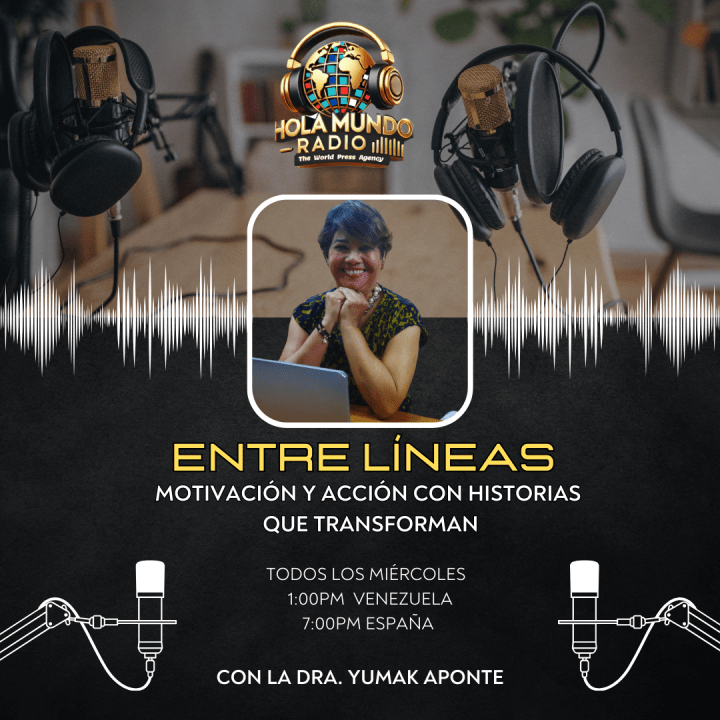
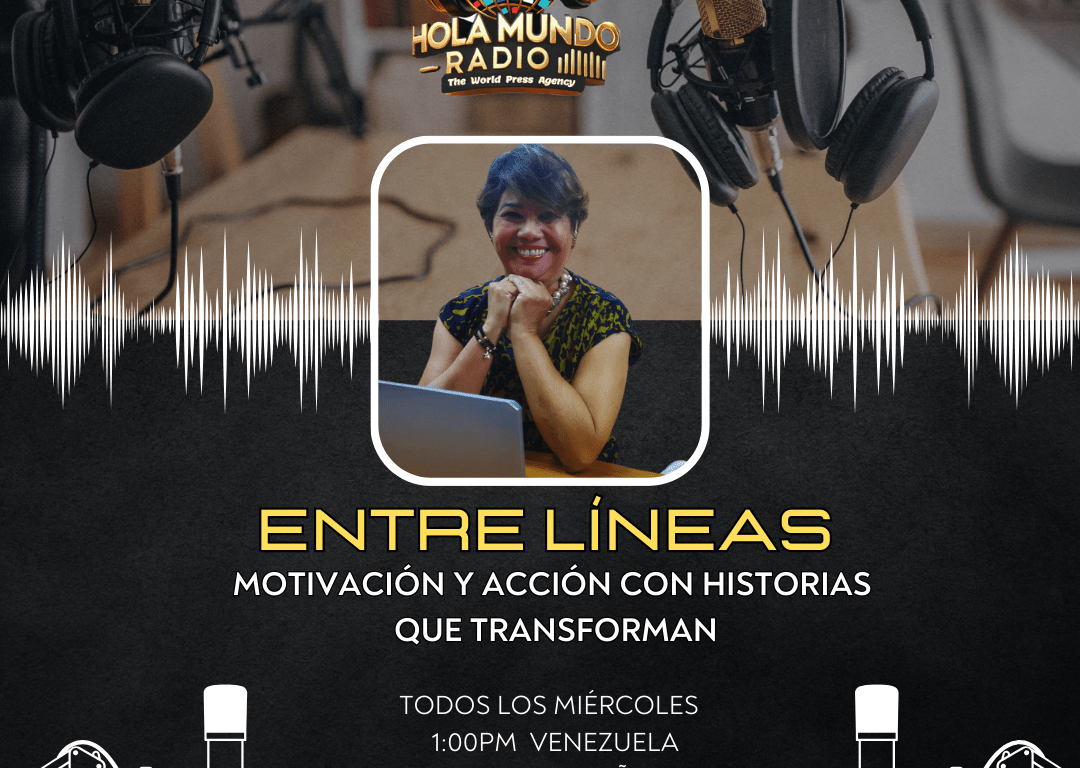
Nota: También estamos en radio. Sintoniza todos los Miércoles en HOLA MUNDO online radiotv+ este gran programa, haciendo click aqui: https://holamundoonlineradio.wixsite.com/holamundoonlineradio «Entre Líneas: Motivación en acción con Historias que transforman» a las 19:00 PM HORAS ESPAÑA.
Note: We are also on the radio. Tune in every Wednesday to HOLA MUNDO online radio for this great program by clicking here: https://holamundoonlineradio.wixsite.com/holamundoonlineradio «Between the Lines: Motivation in Action with Transforming Stories» at 7:00 PM Spanish Time.
Descubre más desde LA AGENCIA MUNDIAL DE PRENSA
Suscríbete y recibe las últimas entradas en tu correo electrónico.

