

Consejero Delegado Global de Derechos Humanos LGBTIQ+
Prensa Especializada
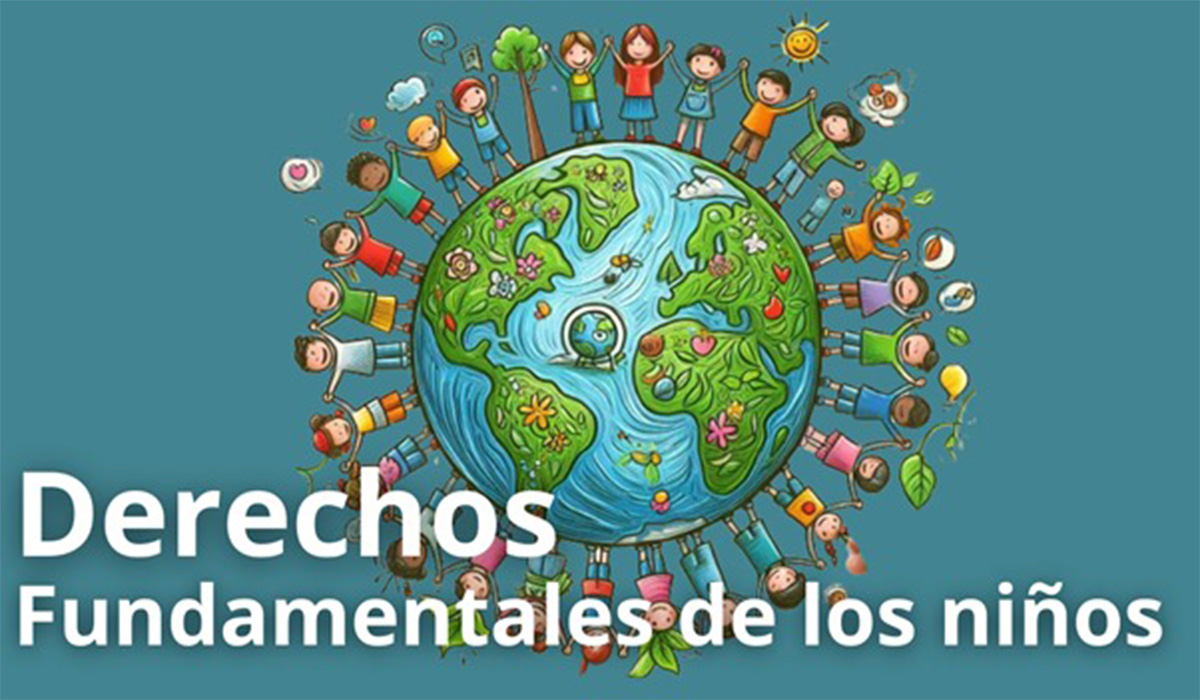
Como Consejero Delegado Global De Los Derechos Humanos LGBTIQ+, respaldo fervientemente la trascendental necesidad de implementar leyes que salvaguarden y defiendan los derechos fundamentales de los niños en la Unión Europea y en todo el mundo. La reciente propuesta respaldada por la Eurocámara para reconocer la filiación de hijos de parejas LGBTIQ+ en todos los países miembros es un paso monumental hacia la igualdad y la protección de la diversidad familiar en el ámbito legal y social.
As Global CEO of LGBTIQ+ Human Rights, I strongly support the critical need to implement laws that safeguard and defend the fundamental rights of children in the European Union and around the world. The recent proposal supported by the European Parliament to recognize the parentage of children of LGBTIQ+ couples in all member countries is a monumental step towards equality and the protection of family diversity in the legal and social sphere.
Es crucial resaltar la importancia multidimensional de esta propuesta. En primer lugar, destaca la urgencia de garantizar que todos los niños, sin importar su origen o la estructura familiar a la que pertenezcan, gocen de derechos equitativos al desplazarse por la Unión Europea. Esto representa un firme rechazo a cualquier forma de discriminación basada en sus circunstancias familiares.
It is crucial to highlight the multidimensional importance of this proposal. Firstly, it highlights the urgency of ensuring that all children, regardless of their origin or the family structure to which they belong, enjoy equal rights when moving within the European Union. This represents a firm rejection of any form of discrimination based on your family circumstances.
Estas leyes ejemplares que velan por los derechos de los niños deberían ser un estándar global. La protección y el cuidado de nuestros niños no deben ser una excepción, sino un compromiso universal. Esperemos que la magnitud y la sabiduría de estas leyes sirvan de inspiración para otros países en todo el mundo.
These exemplary laws that protect children’s rights should be a global standard. The protection and care of our children should not be an exception, but a universal commitment. Hopefully the magnitude and wisdom of these laws will serve as an inspiration to other countries around the world.
El reconocimiento de la filiación de hijos de parejas LGBTIQ+
Recognition of the filiation of children of LGBTIQ+ couples

No solo otorga visibilidad a una realidad largamente marginada en términos legales y sociales, sino que también fomenta la inclusión al asegurar que todos los niños tengan sus derechos protegidos sin importar la naturaleza de su familia en toda la Unión Europea.
It not only gives visibility to a reality that has long been marginalized in legal and social terms, but also promotes inclusion by ensuring that all children have their rights protected regardless of the nature of their family throughout the European Union.
Esta iniciativa no solo promueve la cohesión y el respeto por la diversidad familiar en la UE, sino que también destaca la importancia del reconocimiento legal en un contexto transfronterizo para estas familias. Abogar por el reconocimiento de la filiación establecida en otros países miembros fortalece la coherencia y el aprecio por la diversidad familiar en el entramado legal de la Unión Europea.
This initiative not only promotes cohesion and respect for family diversity in the EU, but also highlights the importance of legal recognition in a cross-border context for these families. Advocating for the recognition of parentage established in other member countries strengthens coherence and appreciation for family diversity in the legal framework of the European Union.
La reciente votación en el Parlamento Europeo
The recent vote in the European Parliament
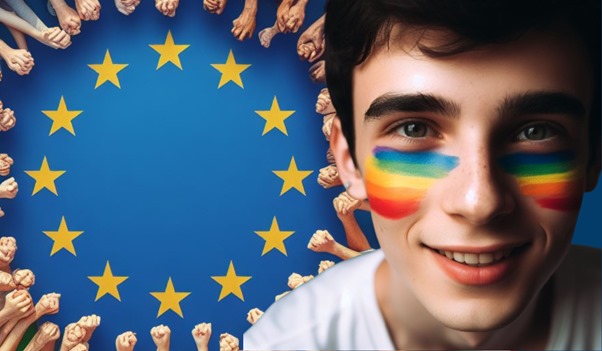
Con un apoyo abrumador de 366 votos a favor, 145 en contra y 23 abstenciones, refleja un respaldo claro hacia el reconocimiento de la filiación de hijos de parejas LGBTIQ+ en toda la Unión Europea. Aunque la decisión final recae en el Consejo, este apoyo masivo enfatiza la necesidad de un reconocimiento «automático» que asegure la igualdad de derechos para todos los niños europeos al atravesar las fronteras de la Unión.
With overwhelming support of 366 votes in favor, 145 against and 23 abstentions, it reflects clear support for the recognition of the parentage of children of LGBTIQ+ couples throughout the European Union. Although the final decision rests with the Council, this massive support emphasizes the need for «automatic» recognition that ensures equal rights for all European children when crossing the Union’s borders.
Es esencial destacar que esta propuesta no busca interferir con el derecho de familia nacional, manteniendo la competencia para reconocer ciertos aspectos. Sin embargo, establece la obligación de reconocer la filiación establecida en otros países de la UE, independientemente de la configuración familiar del menor o las circunstancias de su concepción o nacimiento.
It is essential to highlight that this proposal does not seek to interfere with national family law, maintaining the competence to recognize certain aspects. However, it establishes the obligation to recognize filiation established in other EU countries, regardless of the family configuration of the minor or the circumstances of their conception or birth.
Además, el respaldo a la introducción de un certificado europeo de filiación simplificará los procesos administrativos y facilitará el reconocimiento de la filiación en toda la Unión. Este certificado, disponible en todas las lenguas oficiales y en formato electrónico, servirá como una herramienta clave para garantizar los derechos de los niños en contextos transfronterizos.
Furthermore, supporting the introduction of a European certificate of affiliation will simplify administrative processes and facilitate the recognition of affiliation throughout the Union. This certificate, available in all official languages and in electronic format, will serve as a key tool to guarantee the rights of children in cross-border contexts.
Maria-Manuel Leitão-Marques, la ponente de la posición de la Eurocámara, ha subrayado la importancia crucial de esta medida. Su declaración enfatiza la necesidad de proteger a los niños de cualquier pérdida de reconocimiento legal al cruzar fronteras dentro de la Unión Europea y reiteró el compromiso de la Eurocámara con la igualdad de derechos para todos los niños, independientemente de su familia.
Maria-Manuel Leitão-Marques, the rapporteur of the European Parliament’s position, has underlined the crucial importance of this measure. His statement emphasized the need to protect children from any loss of legal recognition when crossing borders within the European Union and reiterated the European Parliament’s commitment to equal rights for all children, regardless of their family.
Este respaldo parlamentario representa un hito trascendental hacia la protección y la inclusión de todos los niños en la Unión Europea, demostrando un compromiso inequívoco con la igualdad y el respeto por la diversidad familiar en el marco legal y social europeo.
This parliamentary endorsement represents a momentous milestone towards the protection and inclusion of all children in the European Union, demonstrating an unequivocal commitment to equality and respect for family diversity in the European legal and social framework.
Los derechos humanos, especialmente cuando se trata de proteger a los más jóvenes e indefensos, no deberían conocer fronteras. Implementar prácticas como estas en todas partes del mundo es fundamental para garantizar que cada niño, sin importar dónde nazca o crezca, tenga sus derechos protegidos y respetados.
Human rights, especially when it comes to protecting the youngest and most defenseless, should know no borders. Implementing practices like these in all parts of the world is essential to ensure that every child, no matter where they are born or raised, has their rights protected and respected.
Descubre más desde LA AGENCIA MUNDIAL DE PRENSA
Suscríbete y recibe las últimas entradas en tu correo electrónico.
