
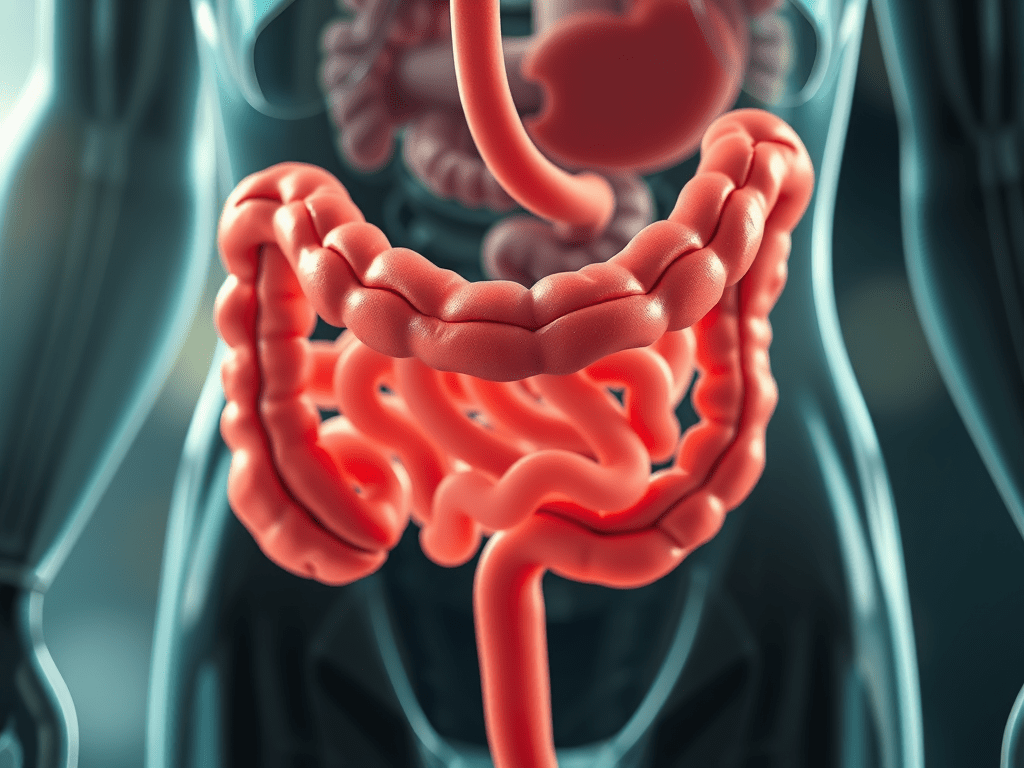
SIBO: Key Causes and Symptoms to Know

El SIBO no es una enfermedad, sino un problema digestivo que puede tratarse siempre que sea diagnosticado por un médico. Se trata de un trastorno digestivo producido por el «Sobrecrecimiento bacteriano del intestino delgado» (small intestine bacterial overgrowth) considerado como una región estéril o casi estéril que contrasta con el intestino grueso en el que sí encontramos una importante cantidad de microbiota intestinal, que además es fundamental para nuestros procesos digestivos. Se trata de un trastorno que cada vez es más frecuente debido a varios factores, desde cambios en la dieta hasta el uso prolongado de medicamentos como los inhibidores de la bomba de protones (IBP), su diagnóstico presenta algunas dificultades, pudiendo pasar desapercibido durante periodos de tiempo prolongados y que puede presentar síntomas que afectan tanto al sistema digestivo como a otras funciones del organismo, como su nombre lo indica, el SIBO puede llevar al paciente, en casos avanzados, a sufrir malabsorción de nutrientes e importantes carencias generando una variedad de síntomas.
SIBO is not a disease, but rather a digestive problem that can be treated as long as it is diagnosed by a doctor. It is a digestive disorder caused by «small intestine bacterial overgrowth» considered as a sterile or almost sterile region that contrasts with the large intestine in which we do find a significant amount of intestinal microbiota, which also It is essential for our digestive processes. It is a disorder that is becoming more common due to several factors, from changes in diet to the prolonged use of medications such as proton pump inhibitors (PPIs), its diagnosis presents some difficulties, and it can go unnoticed for periods. prolonged period of time and can present symptoms that affect both the digestive system and other functions of the body. As its name indicates, SIBO can lead the patient, in advanced cases, to suffer malabsorption of nutrients and important deficiencies generating a variety of symptoms.
Cuando se produce una colonización del intestino delgado y sobrecrecimiento por microbiota colónica o exógena, incluso se favorecerá la translocación bacteriana pudiendo dar cuadros de peritonitis, sepsis…
When colonization of the small intestine and overgrowth by colonic or exogenous microbiota occurs, bacterial translocation will even be favored, potentially leading to peritonitis, sepsis, etc.
Clases de SIBO / SIBO Classes
- Hidrógeno: cuando hay una proliferación excesiva de bacterias, hinchazón abdominal, tendencia a diarreas y a la delgadez. Hydrogen: when there is an excessive proliferation of bacteria, abdominal bloating, tendency to diarrhea and thinness.
- Metano: los síntomas asociados son estreñimiento, gases con olor fuerte o hinchazón más tardío al comer. Methane – Associated symptoms are constipation, strong-smelling gas, or bloating later when eating.
- Sulfuro de hidrógeno: todavía en investigación, aunque se trata de bacterias que forman grandes cantidades de un gas muy maloliente e inflamatorio. Hydrogen sulfide: still under research, although these are bacteria that form large amounts of a very smelly and inflammatory gas.
Síntomas principales del SIBO / Main symptoms of SIBO
- Pérdida de peso. Weight loss.
- Hinchazón o distension abdominal. Abdominal swelling or distension.
- Meteorismo (exceso de gases) Meteorism (excess gases)
- Saciedad temprana Early satiety
- Dispepsia (malestar después de comer) Dyspepsia (discomfort after eating)
- Cambios en los hábitos intestinales Changes in bowel habits
- Diarrea y/o estreñimiento (según el tipo de bacterias) Diarrhea and/or constipation (depending on the type of bacteria)
- Fatiga. Fatigue.
- Acné. Acne.
- Depresión. Depression.
- Anemia. Anemia.
- Fatiga crónica. Chronic fatigue.
- Rosácea. Rosacea.
- Dolor abdominal. abdominal pain
- Malabsorción de nutrientes Nutrient malabsorption
- Reflujo gastroesofágico y síntomas sistémicos Gastroesophageal reflux and systemic symptoms
Causas y factores de riesgo del SIBO / Causes and risk factors of SIBO
La patogenia del SIBO es múltiple y su incidencia es cada vez mayor, siendo las causas más frecuentes…
The pathogenesis of SIBO is multiple and its incidence is increasing, with the most frequent causes being…
- Intervenciones digestivas: Por medio de las cirugías digestivas se pueden romper los mecanismos defensivos y barreras naturales tanto anatómicas como funcionales, incrementando la probabilidad de colonización por parte de bacterias oportunistas y sobrecrecimiento de las colonias. Digestive interventions: Through digestive surgeries, defensive mechanisms and natural barriers, both anatomical and functional, can be broken, increasing the probability of colonization by opportunistic bacteria and overgrowth of colonies.
- Enfermedades inflamatorias intestinales (EII): Las EII producen lesiones de la mucosa y, en el caso de la enfermedad de Crohn, los episodios pueden conducir a alteraciones de todo el espesor del intestino delgado, sobre todo a nivel distal, pudiendo conducir a disregulación intestinal, formación de adherencias, estenosis luminal intestinal y otras disfunciones que favorecen el SIBO. Inflammatory bowel diseases (IBD): IBD produces mucosal lesions and, in the case of Crohn’s disease, the episodes can lead to alterations of the entire thickness of the small intestine, especially at the distal level, which can lead to intestinal dysregulation. , formation of adhesions, intestinal luminal stenosis and other dysfunctions that promote SIBO.
- Patología tumoral: El crecimiento tumoral conduce a una desestructuración anatómica y funcional que altera la correcta función intestinal. Esto sucede en tumores del tubo digestivo o de zonas aledañas, ya que estos últimos pueden favorecer la SIBO por compresión o invasión por contigüidad. Tumor pathology: Tumor growth leads to anatomical and functional destructuring that alters correct intestinal function. This happens in tumors of the digestive tract or surrounding areas, since the latter can favor SIBO due to compression or invasion due to contiguity.
- Enfermedades sistémicas: Diabetes, esclerodermia, anemia perniciosa, cirrosis hepática, EII, parkinsonismos, entre otras enfermedades, de una forma u otra, afectan al correcto funcionamiento del tubo digestivo. Systemic diseases: Diabetes, scleroderma, pernicious anemia, liver cirrhosis, IBD, parkinsonism, among other diseases, in one way or another, affect the proper functioning of the digestive tract.
- Reducción secreción de ácido clorhídrico (HCL): Esto se puede dar tanto por el consumo de IBPs, AINEs, alcohol… alteraciones secundarias a infecciones gástricas, siendo la más frecuente la asociada a H. pylori, así como enfermedades autoinmunes. Se da una reducción en la producción de HCL, lo que a su vez disminuye el mecanismo de protección químico que tiene la mucosa gástrica frente a las invasiones de microorganismos. Reduction in hydrochloric acid (HCL) secretion: This can occur due to the consumption of PPIs, NSAIDs, alcohol… alterations secondary to gastric infections, the most frequent being that associated with H. pylori, as well as autoimmune diseases. There is a reduction in the production of HCL, which in turn decreases the chemical protection mechanism that the gastric mucosa has against microorganism invasions.
El intestino delgado se encuentra protegido por:
The small intestine is protected by:
- Las secreciones ácidas gástricas: Las secreciones consiguen eliminar un importante número de patógenos, reduciendo la probabilidad de colonización bacteriana.
- Los movimientos peristálticos: En concreto, el complejo motor migratorio. Consiguen que se reduzca significativamente la capacidad de colonización bacteriana por el mecanismo de arrastre producido.
Además, tenemos:
- Secreciones biliares, pancreáticas e intestinales: Actúan de la misma forma que los ácidos gástricos. Biliary, pancreatic and intestinal secretions: They act in the same way as gastric acids.
- La microbiota intestinal: El microbioma es fundamental para un correcto control inmunológico a nivel de la barrera intestinal, además de regular las respuestas inflamatorias de la mucosa intestinal y por tanto, de la regulación de la permeabilidad intestinal The intestinal microbiota: The microbiome is essential for correct immune control at the level of the intestinal barrier, in addition to regulating the inflammatory responses of the intestinal mucosa and therefore, the regulation of intestinal permeability.
- La válvula ileocecal, también evita el SIBO: Esto es debido a que gracias a la competencia del efecto válvula se impide la progresión retrógrada del contenido cecal hacia el intestino delgado, manteniéndolo estéril. The ileocecal valve also prevents SIBO: This is because thanks to the competition of the valve effect, the retrograde progression of cecal contents towards the small intestine is prevented, keeping it sterile.
- Debemos apuntar que en personas de edad avanzada una de las principales causas de desarrollo del SIBO es consecuencia de las alteraciones de la motilidad intestinal o dismotilidad intestinal. We must point out that in elderly people one of the main causes of development of SIBO is a consequence of alterations in intestinal motility or intestinal dysmotility.
- Empleo de fármacos como los IBP, los opiáceos…, también están demostrando ser factores de riesgo para el desarrollo de SIBO. Use of drugs such as PPIs, opioids, etc., are also proving to be risk factors for the development of SIBO.
Es por esto que las alteraciones de estos mecanismos de protección son factores de riesgo para desarrollar SIBO y se deben tener en cuenta a la hora de valorar la etiología del SIBO. Además, existen otras causas y circunstancias que pueden favorecer su aparición. Podemos encontrar más información en este estudio.
This is why alterations in these protective mechanisms are risk factors for developing SIBO and must be taken into account when assessing the etiology of SIBO. In addition, there are other causes and circumstances that can favor its appearance. We can find more information in this study.
El SIBO y el riesgo de autodiagnóstico / SIBO and the risk of self-diagnosis
Dado que este trastorno puede confundirse con otras enfermedades, como la enfermedad de Crohn, la colitis ulcerosa, la celiaquía y la malabsorción de fructosa o lactosa es fundamental que sea un médico el que realice el diagnóstico correcto. El diagnóstico es de sospecha y se debe tener en cuenta en el diagnóstico diferencial cuando encontremos un paciente con una clínica compatible, ya que no suele ser evaluado con frecuencia. Sin un diagnóstico adecuado de SIBO, los pacientes pueden someterse a tratamientos que no solo no ayudan, sino que pueden empeorar la condición.
Since this disorder can be confused with other diseases, such as Crohn’s disease, ulcerative colitis, celiac disease, and fructose or lactose malabsorption, it is essential that a doctor make the correct diagnosis. The diagnosis is suspected and must be taken into account in the differential diagnosis when we find a patient with compatible symptoms, since it is not usually evaluated frequently. Without a proper diagnosis of SIBO, patients may undergo treatments that not only do not help, but may worsen the condition.
“El SIBO es un síndrome complejo con múltiples causas. Los síntomas, son comunes a muchas otras afecciones. Es fundamental acudir a un especialista para recibir un diagnóstico preciso y un tratamiento adecuado”
“SIBO is a complex syndrome with multiple causes. The symptoms are common to many other conditions. It is essential to go to a specialist to receive an accurate diagnosis and appropriate treatment.”
Para el diagnóstico del SIBO, la prueba más específica es a través de un cultivo del líquido de la zona intermedia del intestino delgado, la parte yeyunal. Sin embargo, para conseguirlo es necesario realizar una gastroscopia, que es un procedimiento invasivo. También existe otro método de determinación indirecta que es el más comúnmente usado en la actualidad y consiste en determinar, a través de la exhalación del aliento, la cantidad de hidrógeno y metano, gases que producen las bacterias durante la fermentación. Para poder determinar si existe una producción excesiva de estos gases, se compara la composición del aliento en ayunas y hasta 120 minutos después de ingerir carbohidratos. Otro indicativo que puede ayudar a sospechar si es SIBO o no son los factores de riesgo de cada paciente. El SIBO tiene mayor prevalencia en algunos pacientes, como los que tienen diabetes tipo 1 y 2, los pacientes intervenidos de estómago o intestino, con enfermedad celíaca y los que tienen trastornos del eje cerebro-intestino.
For the diagnosis of SIBO, the most specific test is through a culture of the fluid from the intermediate zone of the small intestine, the jejunal part. However, to achieve this it is necessary to perform a gastroscopy, which is an invasive procedure. There is also another indirect determination method that is the most commonly used today and consists of determining, through exhalation of breath, the amount of hydrogen and methane, gases produced by bacteria during fermentation. In order to determine if there is excessive production of these gases, the composition of the breath is compared on an empty stomach and up to 120 minutes after ingesting carbohydrates. Another indicator that can help suspect whether it is SIBO or not is the risk factors of each patient. SIBO is more prevalent in some patients, such as those with type 1 and 2 diabetes, patients undergoing stomach or intestinal surgery, patients with celiac disease, and those with brain-gut axis disorders.
Complicaciones asociadas al SIBO / Complications associated with SIBO
Posibles asociaciones con SIBO
Possible partnerships with SIBO
- Síndrome intestino irritable (SII). Irritable bowel syndrome (IBS).
- Celiaquía. Celiac disease.
- Peritonitis espontáneas. Celiac disease.
- Patologías hepáticas de origen no alcohólico. Liver pathologies of non-alcoholic origin.
- Gastritis. Gastritis.
Cualquier paciente que presente clínica compatible con SIBO deberá ser descartada su presencia. Para ello se cuenta con una serie de pruebas tanto invasivas como no invasivas que nos ayudarán en el diagnóstico.
Any patient presenting with symptoms compatible with SIBO should be ruled out. For this, there is a series of both invasive and non-invasive tests that will help us in the diagnosis.
Pruebas de diagnóstico del SIBO / SIBO Diagnostic Tests
- Cultivo de aspirado yeyunal: Es la prueba con mayor sensibilidad (100%) y especificidad (100%), solo que resulta compleja y/o invasiva. Jejunal aspirate culture: It is the test with the highest sensitivity (100%) and specificity (100%), only it is complex and/or invasive.
- Biopsia de intestino delgado y cultivo: sensibilidad (90,3%) y especificidad (100%) también es invasiva y/o compleja. Small intestine biopsy and culture: sensitivity (90.3%) and specificity (100%) is also invasive and/or complex.
- Test espirado con C 14-d-xilosa. Breath test with C 14-d-xylose.
- Test espirado de glucosa. Glucose breath test.
- Test espirado con lactulosa. Lactulose breath test.
- Test de hidrógeno espirado con arroz. Exhaled hydrogen test with rice.
- Cromatografía gas-líquida, de líquido yeyunal. Gas-liquid chromatography of jejunal fluid.
- Test espirado de ácidos biliares. Bile acid breath test.
En la actualidad, se están empleando test no invasivos como es el caso del test de hidrógeno y metano espirado, en el que se mide la cantidad de hidrógeno espirado. Cuando se le administra al paciente carbohidratos (glucosa, lactulosa, etc.) y este tiene SIBO, los niveles de hidrógeno serán más elevados por el efecto del metabolismo bacteriano de los carbohidratos, ya que las células humanas no son capaces de producir hidrógeno y metano, en el caso de aparecer más de 10 PPM sobre el basal de hidrógeno en dos muestras consecutivas durante los primeros 60 min o cuando los niveles superan las 20 PPM, podremos confirmar el SIBO.
Currently, non-invasive tests are being used, such as the exhaled hydrogen and methane test, in which the amount of exhaled hydrogen is measured. When carbohydrates (glucose, lactulose, etc.) are administered to the patient and he has SIBO, hydrogen levels will be higher due to the effect of bacterial carbohydrate metabolism, since human cells are not capable of producing hydrogen and methane. , if more than 10 PPM appears above the baseline hydrogen in two consecutive samples during the first 60 min or when levels exceed 20 PPM, we can confirm SIBO.
Existen más Test como el Test de Schilling, sobre todo cuando el SIBO conduce a déficit de vitamina B12, que una vez tratado con antibióticos normaliza los niveles de vitamina B12.
There are more tests like the Schilling Test, especially when SIBO leads to vitamin B12 deficiency, which once treated with antibiotics normalizes vitamin B12 levels.
Tanto este test como otros no invasivos, pecan por ser poco sensibles y, en algunos casos, también poco específicos.
Both this test and other non-invasive tests are not very sensitive and, in some cases, also not very specific.
Tratamiento para el SIBO / Treatment for SIBO

Para el tratamiento del SIBO es necesario controlar las causas de base. Por ejemplo, en los casos de pacientes con diabetes y SIBO, el control del azúcar en sangre es muy importante antes de iniciar el tratamiento dirigido al SIBO.
To treat SIBO, it is necessary to control the underlying causes. For example, in cases of patients with diabetes and SIBO, blood sugar control is very important before starting treatment aimed at SIBO.
Por otro lado, en la mayoría de los pacientes, es necesario realizar algunas modificaciones en la dieta por un breve período de tiempo, para evitar otros desequilibrios en la microbiota. En pacientes con diarrea de larga evolución y mala absorción de nutrientes, es necesario tratar la causa y corregir las deficiencias nutricionales. Para ello, se pueden usar antibióticos orales, en pautas cortas o de forma cíclica.
On the other hand, in most patients, it is necessary to make some modifications to the diet for a short period of time, to avoid other imbalances in the microbiota. In patients with long-standing diarrhea and poor nutrient absorption, it is necessary to treat the cause and correct nutritional deficiencies. To do this, oral antibiotics can be used, in short regimens or cyclically.
Pese a que en los últimos años el SIBO es más conocido entre la población, es importante acudir a un profesional de la salud para que determine bien si la sintomatología la causa el SIBO u otra enfermedad. Automedicarse o autotratarse antes de un diagnóstico puede empeorar la sintomatología o el curso de otras enfermedades, en caso de no tratarse de un SIBO.
Although SIBO has become better known among the population in recent years, it is important to go to a health professional to determine whether the symptoms are caused by SIBO or another disease. Self-medicating or self-treating before a diagnosis can worsen the symptoms or the course of other diseases, if it is not SIBO.
Para tratar el SIBO debemos actuar en tres niveles
To treat SIBO we must act on three levels
- Controlar y tratar la causa del sobrecrecimiento bacteriano, ya sea por una patología de base, cirugía, senescencia, etc. Control and treat the cause of bacterial overgrowth, whether due to an underlying pathology, surgery, senescence, etc.
- Tratamiento para erradicar el sobrecrecimiento y equilibrio de la flora bacteriana, por medio de antibioterapia y otros métodos naturales coadyuvantes muy efectivos. Treatment to eradicate the overgrowth and balance of the bacterial flora, through antibiotic therapy and other very effective natural adjuvant methods.
- De forma concomitante, se deberán corregir los déficits nutricionales y pautar una dieta acorde a las necesidades del paciente. A la vez se tendrá que emplear el tratamiento médico pertinente. Concomitantly, nutritional deficiencies should be corrected and a diet tailored to the patient’s needs should be prescribed. At the same time, the relevant medical treatment will have to be used.
El tratamiento antibiótico es en la actualidad la piedra angular para el tratamiento del SIBO, pero lleva consigo una serie de problemas asociados:
Antibiotic treatment is currently the cornerstone for the treatment of SIBO, but it has a series of associated problems:
- La resistencia The resistance
- La no respuesta The non-response
- Las diarreas secundarias Secondary diarrhea
- La invasión por Clostridium o por las cepas más resistentes, etc. Invasion by Clostridium or by the most resistant strains, etc.
De modo que se deberá evaluar el tratamiento de forma individualizada, para minimizar los efectos adversos y valorar otros tratamientos integrativos para el sobrecrecimiento bacteriano.
Therefore, the treatment should be evaluated individually, to minimize adverse effects and evaluate other integrative treatments for bacterial overgrowth.
Existen estudios preliminares en los que se han empleado probióticos o procinéticos en el tratamiento del SIBO, sobre todo en los pacientes que no responden al tratamiento inicial basado en antibioterapia.
There are preliminary studies in which probiotics or prokinetics have been used in the treatment of SIBO, especially in patients who do not respond to initial treatment based on antibiotic therapy.
Otra de las opciones es el trasplante de microbiota fecal, pero los datos por ahora son poco concluyentes.
Another option is fecal microbiota transplantation, but the data for now are inconclusive.
¿Qué alimentos debo y no debo tomar cuando hay SIBO? What foods should I eat when there is SIBO?
Hay algunos alimentos que se deberían reducir y otros alimentos recomendados para el SIBO:
There are some foods that should be reduced and other recommended foods for SIBO:
- Se debe realizar una dieta baja en FODMAPS, durante la primera fase (Fermentables, Oligosacáridos, Disacáridos, Monosacáridos y Polioles), con el objetivo de reducir el sustrato del que se alimentan las bacterias del intestino delgado. De ese modo, vas a facilitar el equilibrio de la microbiota por lo tanto, reducir el consumo de los productos ricos en estos azúcares y polioles (grupo de carbohidratos que se utilizan como sustitutos del azúcar en alimentos y bebidas). Es decir que se debe eliminar todas las fuentes de azúcar y edulcorantes artificiales, teniendo en cuenta los azúcares ocultos en tu alimentación, aquel que siempre esta presente en muchos alimentos procesados o precocinados. A low FODMAPS diet should be followed during the first phase (Fermentables, Oligosaccharides, Disaccharides, Monosaccharides and Polyols), with the aim of reducing the substrate on which the bacteria of the small intestine feed. In this way, you will facilitate the balance of the microbiota and therefore reduce the consumption of products rich in these sugars and polyols (a group of carbohydrates that are used as sugar substitutes in foods and drinks). That is, you should eliminate all sources of sugar and artificial sweeteners, taking into account the hidden sugars in your diet, which are always present in many processed or precooked foods.
- Eliminar por tanto los edulcorantes artificiales, esto es debido a que se metabolizan por la flora bacteriana sirviendo como fuente de alimento. Eliminate artificial sweeteners, this is because they are metabolized by the bacterial flora, serving as a food source.
- No tomes lactosa; en el sobrecrecimiento bacteriano existe baja actividad de la enzima lactasa. Reducir el consumo de probióticos, más en concreto la inulina. Don’t take lactose; In bacterial overgrowth there is low activity of the lactase enzyme. Reduce the consumption of probiotics, more specifically inulin.
- Eliminar o reducir productos procesados, fundamentalmente por los aditivos añadidos. Eliminate or reduce processed products, mainly due to added additives.
- Reducir el consumo de fibra. Reduce fiber consumption.
- Reducir el consumo de productos lácteos. Reduce consumption of dairy products.
Por tanto se recomienda….
Therefore it is recommended….
- Incluye enzimas digestivas para recuperar la función biliar y pancreática, así como la acidez del estómago. Includes digestive enzymes to recover biliary and pancreatic function, as well as stomach acidity.
- También serán de ayuda suplementos antibacterianos naturales como el aceite de coco en ayunas o el aceite esencial de orégano. Natural antibacterial supplements such as coconut oil on an empty stomach or oregano essential oil will also be helpful.
- Al comienzo, se recomienda hacer 3 comidas y conforme se nota mejoría en los síntomas, aumenta tus ingestas. Posteriormente, ve incluyendo FODMAPs poco a poco (aportan prebióticos que ayudan a equilibrar la microbiota). At the beginning, it is recommended to eat 3 meals and as you notice improvement in symptoms, increase your intake. Subsequently, gradually include FODMAPs (they provide prebiotics that help balance the microbiota).
Además, hay que tener en cuenta:
Additionally, you must take into account:
- Complementos que cubran las necesidades en micronutrientes. Supplements that cover micronutrient needs.
- Cubrir los déficits. Cover the deficits.
- Dieta equilibrada. Balanced diet.
Es importante deshacernos de los malos hábitos dietéticos, reduciendo el consumo de bebidas alcohólicas y productos procesados, así como disminuir las fuentes de carbohidratos. Se recomienda contactar con un profesional de la nutrición a la hora de decidir realizar una dieta para luchar contra el SIBO.
It is important to get rid of bad dietary habits, reducing the consumption of alcoholic beverages and processed products, as well as reducing carbohydrate sources. It is recommended to contact a nutrition professional when deciding to follow a diet to fight SIBO.
Cambios en el estilo de vida para ayudar a combatir el SIBO / Lifestyle changes to help combat SIBO
- El estilo de vida condiciona nuestro presente y futuro, es capaz de modificar nuestra conformación a todos los niveles: físico, psíquico, mental y social. Lifestyle conditions our present and future, it is capable of modifying our makeup at all levels: physical, mental, mental and social.
- Retomar un estilo de vida saludable favorece el equilibrio orgánico y reduce las descompensaciones derivadas de su alteración. Returning to a healthy lifestyle favors organic balance and reduces decompensations resulting from its alteration.
- La gestión del estrés por medio del desarrollo de la actividad física normaliza nuestros apetitos emocionales, favorece el peristaltismo intestinal y el tránsito, aumenta nuestra capacidad antioxidante autógena, equilibra nuestros niveles de cortisol, entre muchos otros beneficios para la salud. Stress management through the development of physical activity normalizes our emotional appetites, promotes intestinal peristalsis and transit, increases our autogenous antioxidant capacity, balances our cortisol levels, among many other health benefits.
- Una forma de prevenir un sinfín de patologías asociadas a cómo nos relacionamos con el medio (siendo cerca del 80% del total de las patologías) es a través de la toma de conductas saludables, consciencia interior y gestión de las situaciones de estrés crónico. One way to prevent countless pathologies associated with how we relate to the environment (being about 80% of all pathologies) is through healthy behavior, inner awareness and management of chronic stress situations.
- La prevalencia de SIBO oscila entre el 10-30% de pacientes que padecen algún tipo de alteración gastrointestinal, sobre todo a los pacientes con enfermedades inflamatorias. Esta incidencia es mucho más reducida en pacientes sanos, pero podrías estar subestimada. The prevalence of SIBO ranges between 10-30% of patients who suffer from some type of gastrointestinal disorder, especially patients with inflammatory diseases. This incidence is much lower in healthy patients, but it could be underestimated.
Descubre más desde LA AGENCIA MUNDIAL DE PRENSA
Suscríbete y recibe las últimas entradas en tu correo electrónico.

