

“Connection and Movement: The Transformative Power of Biodanza.”
"Descubre cómo el movimiento consciente puede transformar tu vida
y reconectar con tu esencia".

"Discover how conscious movement can transform your life
and reconnect with your essence."
En un mundo donde el estrés y la desconexión emocional son frecuentes, la Biodanza nos invita a recuperar el placer de vivir, a sentirnos presentes en cada momento y a fortalecer los lazos con los demás. No es solo una actividad física, sino un espacio de sanación que trabaja sobre nuestras emociones, nuestros vínculos y nuestra identidad.
In a world where stress and emotional disconnection are common, Biodanza invites us to recover the joy of living, to feel present in each moment, and to strengthen our bonds with others. It’s not just a physical activity, but a healing space that works on our emotions, our relationships, and our identity.
La Biodanza es mucho más que una simple danza; es una herramienta profunda de transformación personal y colectiva. A través del movimiento, la música y la expresión, permite que las personas se reconecten con su esencia más genuina, liberando tensiones, miedos y bloqueos emocionales que han acumulado con el tiempo.

Biodanza is much more than a simple dance; it is a profound tool for personal and collective transformation. Through movement, music, and expression, it allows people to reconnect with their most authentic essence, releasing tensions, fears, and emotional blocks that have accumulated over time.
Su impacto va más allá de lo individual: transforma comunidades. Cuando un grupo se entrega al ritmo de la música y a la conexión con los demás, surge una energía colectiva capaz de generar solidaridad, empatía y una profunda sensación de bienestar. Se rompe la barrera del juicio y nace un espacio de aceptación mutua.
Its impact goes beyond the individual: it transforms communities. When a group surrenders to the rhythm of music and the connection with others, a collective energy emerges capable of generating solidarity, empathy, and a profound sense of well-being. The barrier of judgment is broken, and a space of mutual acceptance is born.

Se enfoca en potenciar la alegría,
la vitalidad,
la afectividad y la creatividad,
buscando una mayor conexión
con uno mismo
y con los demás.
It focuses on enhancing joy, vitality, affection, and creativity, seeking greater connection with oneself and others.
Para profundizar en la temática tenemos una invita especial Paola Field.
To delve deeper into the topic, we have special guest Paola Field.
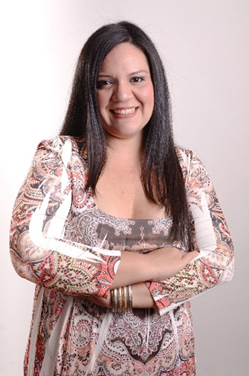
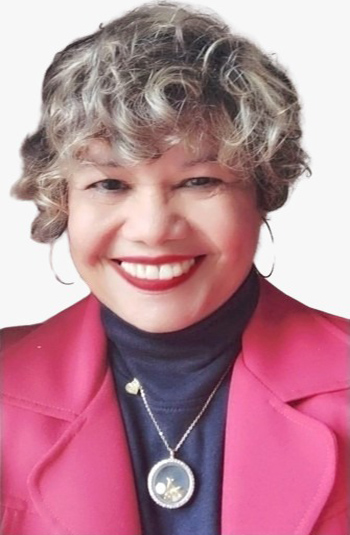
Abogada venezolana y defensora de los derechos humanos, participó como voluntaria en apoyo a varias organizaciones a favor de mujeres maltratadas, refugiados y poblaciones rurales. Empezó a practicar Biodanza en el 2012 y se hizo Profesora de este maravilloso sistema desde el 2015; certificándose como Intervención en salud mental en la Escuela de Medicina de la Universidad del Zulia. También es Coach ontológico Profesional y Women’s Life Coach certificada por la IAC (International Association of Coaching) y Psicodramatista certificada por la asociación venezolana de Psicoterapia (Avepsi). Paola Considera que estudiar el mundo normativo (las leyes) y seguir su vocación para formarme como Terapeuta y facilitadora de la vida en diferentes ámbitos que involucran las artes y el cuerpo; le ha permitido comprender cómo volar alto con los pies en la Tierra.
A Venezuelan lawyer and human rights defender, she volunteered to support various organizations supporting abused women, refugees, and rural populations. She began practicing Biodanza in 2012 and became a teacher of this wonderful system in 2015, earning certification in Mental Health Intervention at the University of Zulia School of Medicine. She is also a Professional Ontological Coach and Women’s Life Coach certified by the IAC (International Association of Coaching) and a certified Psychodramatist by the Venezuelan Association of Psychotherapy (Avepsi). Paola believes that studying the regulatory world (the laws) and following her vocation to train as a Therapist and life facilitator in different areas involving the arts and the body has allowed her to understand how to fly high with her feet on the ground.
«Actualmente distribuye su tiempo como case manager en una agencia para refugiados y liderar la expansión del movimiento de Biodanza Texas en Houston, Austin y San Antonio; a la par de brinda sesiones de consultoría individual online tanto para hombres como mujeres desde una perspectiva biocéntrica y holística logrando develar los mensajes del cuerpo e integrarlos junto a la mente y el corazón.»
«She currently divides her time as a case manager at a refugee agency and leads the expansion of the Biodanza Texas movement in Houston, Austin, and San Antonio. She also provides individual online consulting sessions for both men and women from a biocentric and holistic perspective, uncovering the body’s messages and integrating them with the mind and heart.»
La música nos invita a bailar, a sentirnos vivos,
a estar presente y en armonía con la vida.
Music invites us to dance, to feel alive, to be present and in harmony with life.
YA: ¿Qué es en palabras sencillas la biodanza y cómo surge esta disciplina? What is biodance in simple terms and how did this discipline emerge?
_Paola: Fíjate, la biodanza, como su nombre lo dice, es la danza de la vida. Bio de biología, pero más referido a su significado etimológico que es bios, que significa vida. Entonces la danza de la vida es un sistema que fue creado por allá en los años 60 por un psicólogo, antropólogo, educador chileno llamado Rolando Toro Araneda y su equipo de investigación, que realmente lo que buscaban era humanizar la psicoterapia tradicional, salir de esta relación rígida donde simplemente eres un paciente diagnosticado y ponerle movimiento, ponerle baile, y se dieron cuenta que al hacer eso había unos resultados maravillosos. Entonces, en palabras simples, así nació la biodanza por allá en los 60. Y bueno, ya ha evolucionado tanto que la tenemos también en el mundo.
_Paola: Look, Biodanza, as its name suggests, is the dance of life. Bio comes from biology, but more in reference to its etymological meaning, which is bios, which means life. So, the dance of life is a system that was created back in the 1960s by a Chilean psychologist, anthropologist, and educator named Rolando Toro Araneda and his research team. What they were really seeking was to humanize traditional psychotherapy, to break away from this rigid relationship where you are simply a diagnosed patient and to put movement into it, to put dance into it, and they realized that by doing that, they had wonderful results. So, in simple terms, that’s how Biodanza was born back in the 1960s. And well, it’s evolved so much that we also have it around the world.
_YA: ¿cuáles son los principales beneficios para practicar biodanza para la mente y el cuerpo? What are the main benefits of practicing biodanza for the mind and body?
_Paola: wow, muchísimos, muchísimos, la biodanza no busca solamente un momento de entretenimiento, no es solamente ir a bailar, sino que el sistema biodanza, y decimos sistema porque no es solo una técnica, sino que está alimentado de muchas ciencias, de la psicología, de la biología, filosofía, antropología, la comprensión de lo humano y de la vida misma, puesta en las dinámicas del movimiento que permitan expresar incluso aquellas emociones que están encapsuladas, que están por razones conscientes o inconscientes hemos acaparado, y realmente estas emociones están convirtiéndose en trastornos tanto físicos como emocionales. Entonces la biodanza, el principal beneficio es que se dice vida, bio, porque tienes beneficios incluso a nivel psicológico. Las personas que comienzan a ir a biodanza empiezan a decir, bueno mira, me voy sintiendo que puedo dormir más. De hecho algunas personas dicen, wow dormí toda la noche, dormí súper bien toda la semana, comienzan a sentir incluso que pueden, hay personas que sufren de estreñimiento y comienzan a sentir que su cuerpo está como más orgánico, pueden hacer sus necesidades a tiempo, sienten más energía y también la capacidad de reposar, esto es clave porque actualmente, confundimos, claro, es bueno tener energía, pero hay una gran población que tiene problemas, es que no puede dormir, es que duerme igual, se siente cansado, entonces a veces este pensamiento nos invade de querer descansar y no poder hacerlo, y cuando vienen a biodanza, empiezan a sentir, oye me da mucho sueño, ¿será que no tengo energía? Y le estoy diciendo a las personas, es tu cuerpo que por fin te dice, oye, ya, la hormona que necesitaba, allí, filtrar todo tu cuerpo, está funcionando y tú estás logrando dormir mejor, y por supuesto, al tener una mejor conexión con nuestras sensaciones corporales, también comienzas a hacerte consciente de estas emociones atrapadas y hay una mejor relación contigo y tus propias emociones. Eso en palabras simples, porque realmente la biodanza da para mucho.
_Paola: Wow, so many, so many, Biodanza isn’t just about entertaining, it’s not just about going dancing, but the Biodanza system, and we say system because it’s not just a technique, but it’s fueled by many sciences, psychology, biology, philosophy, anthropology, the understanding of the human and of life itself, put into the dynamics of movement that allow us to express even those emotions that are encapsulated, that we have monopolized for conscious or unconscious reasons, and these emotions are really becoming both physical and emotional disorders. So Biodanza, the main benefit is that it is called life, bio, because you have benefits even on a psychological level. People who start going to Biodanza begin to say, well look, I’m feeling like I can sleep more. In fact, some people say, wow, I slept all night, I slept super well all week, they even begin to feel like they can. There are people who suffer from constipation and begin to feel like their body is more organic, they can do their business on time, they feel more energy and also the ability to rest, this is key because currently, we confuse, of course, it’s good to have energy, but there is a large population that has problems, it’s that they can’t sleep, they sleep the same, they feel tired, so sometimes this thought invades us of wanting to rest and not being able to, and when they come to Biodanza, they begin to feel, hey, I feel very sleepy, could it be that I don’t have energy? And I’m telling people, it’s your body finally telling you, hey, now, the hormone it needed is there, filtering through your entire body, working, and you’re managing to sleep better. And of course, by having a better connection with our bodily sensations, you also begin to become aware of these trapped emotions and have a better relationship with yourself and your own emotions. That’s in simple terms, because biodanza really does offer a lot.
_YA: ¿Cómo se estructura, Paola, una sección típica de biodanza y qué elementos las componen? Paola, how is a typical biodanza section structured and what elements does it comprise?
_Paola: Bueno, fíjate, en biodanza utilizamos una música que se considera música orgánica. Es decir, los facilitadores de biodanza, para poder ejercer esta hermosa profesión, tenemos que capacitarnos. Yo soy facilitadora certificada en Venezuela, pero esta certificación es internacional, aprobada por la IBFD, que es la International Biocentric Federation of Biodanza, en el mundo donde hay más de 75 países que tienen escuelas alrededor de todo el planeta. Yo me certifique en la Escuela de Biodanza del Zulia y actualmente vivo en Texas. Entonces, durante nuestra formación hay mucha rigurosidad también en la comprensión de la música que es sensible y orgánica para nuestro cuerpo. No todas las músicas, por más que puedan resultar a veces agradables en una fiesta, o incluso para estar un día en tu casa, una tarde, escuchando música, no son quizás las melodías adecuadas para producir o segregar ciertos estados dentro de ti.
Paola: Well, look, in Biodanza, we use music that’s considered organic music. That is, Biodanza facilitators, in order to practice this beautiful profession, have to train. I’m a certified facilitator in Venezuela, but this certification is international, approved by the IBFD, which is the International Biocentric Federation of Biodanza. There are more than 75 countries worldwide with schools around the planet. I was certified at the Zulia Biodanza School and currently live in Texas. So, during our training, there’s also a lot of rigor in understanding the music that’s sensitive and organic to our body. Not all music, however pleasant it may sometimes be at a party, or even just to sit at home for an afternoon, listening to music, is perhaps the right tune to produce or secrete certain states within you.
Entonces, primero tenemos una selección musical que pudimos aprenderla durante los cuatro años de formación que tenemos que ocupar los que queremos ser profesores de biodanza. Además, la invitación o la estructura de la sesión es que tú vas a ir desarrollando unos ejercicios, en los cuales el facilitador, en este caso que soy yo, pues te voy a ir conduciendo un ejercicio tras otro, de manera que pueda haber como una especie de curva, tú llegas a la biodanza sin saber cómo vas a ir bajando a ese estado dentro de ti. Nosotros lo vamos estimulando progresivamente con música y con unos ejercicios que realmente, si te describo uno y otro, vas a decir, ah, pero son cosas de la vida diaria, por supuesto. Desde un caminar, desde un encontrarte en la mirada con alguien, eso puede ser tan retador. Podernos ver a los ojos, podernos encontrar, poder sonreír al otro. Entonces un ejercicio tras otro va a ir desplegando esas emociones, ok y al final de la sesión les invitamos a no ponerle mucha mente, a guardar allí esas emociones y esperar a la siguiente, porque lo ideal es hacer biodanza al menos una vez a la semana para poder ir viendo sus beneficios, aparte en la sesión, esto es bien clave, y a mí ya me parece terapéutico, eso fue una de las cosas que me enamoró la primera vez que fui a biodanza, no necesitas hablar, de hecho, tenemos dos partes, una primera parte que sí es un conversatorio, hay teoría, hay preguntas, es un feedback bien rico, bien nutritivo, así como el que tenemos ahorita tú y yo, pero luego pasamos a la parte vivencial, al movimiento, y allí ya se les invita a no hablar, sino a comunicarnos a través del cuerpo, y mira, ya eso es terapéutico, poder estar una hora, una hora aquí con un grupo de dos banales, y yo no voy a expresarme a través de las palabras, sino que voy a usar mi creatividad para expresarme de otra manera. Así funciona biodanza.
So, first, we have a musical selection that we were able to learn during the four years of training that those of us who want to be biodance teachers have to complete. In addition, the invitation or the structure of the session is that you’ll develop some exercises, in which the facilitator, in this case me, will guide you through one exercise after another, so that there can be a kind of curve: you arrive at biodance without knowing how you’ll descend to that state within yourself. We progressively stimulate it with music and with some exercises that, if I describe them to you one after the other, you’ll say, «Ah, but these are things of daily life, of course.» From a walk, from meeting someone’s gaze, that can be so challenging. Being able to look into each other’s eyes, being able to find each other, being able to smile at each other. So one exercise after another will unfold those emotions, okay, and at the end of the session we invite you not to put too much thought into it, to store those emotions there and wait for the next one, because the ideal is to do Biodanza at least once a week to be able to see its benefits, apart from the session, this is very key, and it already seems therapeutic to me, that was one of the things that I fell in love with the first time I went to Biodanza, you don’t need to talk, in fact, we have two parts, a first part that is a conversation, there is theory, there are questions, it’s very rich, very nourishing feedback, just like what you and I are having right now, but then we move on to the experiential part, the movement, and there we invite you not to speak, but to communicate through your body, and look, that is already therapeutic, being able to spend an hour, an hour here with a group of two banal people, and I’m not going to express myself through words, but rather I’m going to use my creativity to express myself in another way. That’s how Biodanza works.
_YA: Y la conexión de la mirada, de la sonrisa, espectacular. ¿Es necesario, Paola, tener una experiencia previa en danza para practicar la biodanza?
And the connection between the gaze and the smile is spectacular. Paola, is it necessary to have previous dance experience to practice biodanza?
_Paola: No, realmente no necesitas saber bailar y, de hecho, si no sabes bailar, hasta es el punto a tu favor. Por qué, Porque a veces en la biodanza te invitamos a conectar con tu esencia, con tu movimiento natural, y a veces el baile lo aprendemos como un estereotipo, es decir, sabemos que el merengue se baila de una manera, que la salsa se baila de una manera, que el bolero se baila de tal manera, pero si tú quisieras mover tu cuerpo a tu manera, lo primero que a veces viene es el paso que aprendiste, y no el paso que quisieras dar. Entonces este es un camino de desaprender para volver a aprender. Así que, si no sabes bailar, hasta tienes un punto de tu favor.
_Paola: No, you really don’t need to know how to dance, and in fact, if you don’t know how to dance, it’s even a point in your favor. Why? Because sometimes in biodanza we invite you to connect with your essence, with your natural movement, and sometimes we learn the dance as a stereotype. I mean, we know that merengue is danced a certain way, that salsa is danced a certain way, that bolero is danced a certain way. But if you wanted to move your body your way, the first thing that sometimes comes is the step you learned, and not the step you wanted to take. So this is a path of unlearning in order to relearn. So, if you don’t know how to dance, you even have a point in your favor.
_YA: ¿Qué papel juega la música en las sesiones de biodanza y cómo se selecciona? What role does music play in biodanza sessions and how is it selected?
_Paola: Perfecto, fíjate, les decía que en biodanza aprendemos que hay música que consideramos orgánica, es decir, que cuando la percibimos a través de nuestros sentidos, los efectos que genera en nuestro cuerpo son efectos saludables, son efectos que no alteran nuestro sistema nervioso, que no alteran nuestro cerebro de una manera, de una manera discordante, ok, entonces, hay músicas que pueden resultar comerciales, incluso a veces escuchamos, por ejemplo, yo puedo escuchar a veces una pieza de meditación y sé que es muy aguda, tan aguda, que de pronto para producir el efecto que estoy buscando que se genere en la sesión, quizás no es la pieza adecuada. Entonces, en biodanza obviamente utilizamos músicas que están en el mercado musical desde hace décadas.
_Paola: Perfect, look, I was telling you that in Biodance we learn that there is music that we consider organic, that is to say, that when we perceive it through our senses, the effects it generates in our body are healthy effects, they are effects that do not alter our nervous system, that do not alter our brain in a way, in a discordant way, okay, so, there is music that can be commercial, sometimes we even listen, for example, I can listen to a meditation piece and I know that it is very sharp, so sharp, that suddenly to produce the effect that I am looking to generate in the session, perhaps it is not the right piece. So, in Biodance obviously we use music that has been on the music market for decades.
Sin embargo, la característica fundamental es quizás la pericia que hemos adquirido al hacer la formación, la pericia en semántica musical para poder percibir la música y saber si estaba a generar los efectos que deseamos en la sesión. Entonces, básicamente la música la dividimos en orgánica o inorgánica, y no porque estemos en contra del artista ni nada de un género, no, nada que ver, es solo que si buscamos, por ejemplo, si yo estoy buscando en una sesión trabajar la afectividad, la ternura, o estoy buscando trabajar el coraje, la determinación, no voy a colocar el mismo tipo de piezas musicales, por muy que sea, por ejemplo, música clásica, de pronto no todas las piezas de música clásica son las que necesito para determinada sesión. Entonces, esa pericia la va adquiriendo el facilitador obviamente en la formación y por supuesto cuando ya estamos en el ámbito ya práctico al trabajar con los grupos. Básicamente ahí es afinar el oído.
However, the fundamental characteristic is perhaps the expertise that we have acquired in doing the training, the expertise in musical semantics to be able to perceive the music and know if it was going to generate the effects that we desired in the session. So, basically we divide music into organic or inorganic, and not because we are against the artist or anything of a genre, no, nothing to do with it, it’s just that if we look, for example, if I am looking to work on affectivity, tenderness in a session, or I am looking to work on courage, determination, I am not going to put the same type of musical pieces, no matter how much it is, for example, classical music, suddenly not all the classical music pieces are what I need for a certain session. So, the facilitator obviously acquires that expertise in the training and of course when we are already in the practical field when working with the groups. Basically, that is where it is about fine-tuning your ear.
_YA: ¿Y cómo puede la biodanza ayudar a mejorar las relaciones interpersonales? And how can biodanza help improve interpersonal relationships?
_Paola: Muchísimo. Fíjate que la biodanza que nació de este gesto del psicólogo Rolando Toro, del psicólogo y antropólogo Rolando Toro, y su equipo de investigación, de humanizar la psicoterapia tradicional, de humanizar al paciente psiquiátrico que le ponía simplemente una etiqueta y ya no, de esas ganas de encontrarnos simplemente como humanos, uno de los potenciales que trabajamos en violencia es la afectividad. Decimos que biodanza es un sistema de desarrollo humano que permite nuestra renovación orgánica, por eso les hablé de esos primeros efectos a nivel psicológico, pero además y uno de los factores claves es que permite nuestra reeducación afectiva. La biodanza se tiene que realizar, y esto aquí es clave, en grupo. No hay biodanza en tu casa, no hay biodanza de que puse una música y me puse a bailar y entonces estoy haciendo biodanza en mi cuarto. Por qué, porque biodanza trabaja con los elementos de la vida misma y uno de los elementos grandes de la vida es que somos seres relacionales.
Paola: A lot. Note that Biodanza, which was born from this gesture of psychologist Rolando Toro, of psychologist and anthropologist Rolando Toro, and his research team, of humanizing traditional psychotherapy, of humanizing the psychiatric patient who simply labeled them and no longer did, of this desire to find ourselves simply as humans, one of the potentials we work on in violence is affectivity. We say that Biodanza is a system of human development that allows for our organic renewal, which is why I spoke to you about those initial effects on a psychological level, but also—and one of the key factors—is that it allows for our affective re-education. Biodanza has to be done, and this is key here, in a group. There is no Biodanza in your house, there is no Biodanza that says, «I put on some music and started dancing and then I’m doing Biodanza in my room.» Why? Because Biodanza works with the elements of life itself, and one of the great elements of life is that we are relational beings.
Entonces en biodanza trabaja el vínculo contigo mismo, el vínculo con otra persona y el vínculo con la totalidad. Hay ejercicios en biodanza que pueden ser a nivel individual, pero además hay una gran propuesta para fortalecer nuestras relaciones a través de la reeducación afectiva, a través de volver a contactar, como decíamos ahorita, en la mirada, en el abrazo, en el contacto, en la suavidad, en la fluidez. Estos ejercicios van generando un cambio, una transformación profunda en los participantes de una manera progresiva. Biodanza no te impone una propuesta dirigida a decirle a cada quien, oye, ahora tienes que ser de esta manera, sino que el desarrollo de las vivencias le va permitiendo a cada participante hacer ese insight, como, por ejemplo, hay personas que dicen, ay, yo he sentido que yo soy súper tímida, soy muy tímida, no me gustaba ni cuando están en la sesión resulta que son los primeros en mirar, en conectar, y resulta que acá se dan cuenta de ese gran potencial de liderazgo, de cercanía que tenían, que quizás no lo encontraban solamente en la palabra. Y también a la inversa hay personas que dicen, no, yo soy súper sociable, pero no me gusta que me toquen. No, lejos, lejos de todo el mundo. Entonces puede ser sociable, pero realmente en biodanza damos una capa más profunda, la calidad de tus vínculos y relaciones. Porque, ok, eres muy sociable, pero no te gusta la cercanía, no te gusta que te miren, no te gusta sonreír, no te gusta que te sonrían. Entonces ahí entra la persona como en él ya va, empiezo a dar cuenta de que vivo una cosa, pero estoy totalmente diferente.
So, in Biodanza, we work on the connection with yourself, the connection with another person, and the connection with the whole. There are exercises in Biodanza that can be individual, but there’s also a great opportunity to strengthen our relationships through emotional re-education, through reconnecting, as we were just saying, through gaze, embrace, touch, gentleness, and fluidity. These exercises progressively generate a change, a profound transformation in the participants. Biodanza doesn’t impose a proposal aimed at telling everyone, «Hey, now you have to be this way.» Rather, the development of experiences allows each participant to gain that insight. For example, there are people who say, «Oh, I’ve felt I’m super shy, I’m very shy, I didn’t like it, even when they’re in the session, it turns out they’re the first to look, to connect, and it turns out that here they realize that great potential for leadership, for closeness they had, which perhaps they didn’t find only in words. And vice versa, there are people who say, no, I’m super sociable, but I don’t like being touched. No, far away, far away from everyone. So, it can be sociable, but in biodance we really give a deeper layer, the quality of your bonds and relationships. Because, okay, you’re very sociable, but you don’t like closeness, you don’t like being looked at, you don’t like smiling, you don’t like being smiled at. Then the person comes in, like in him, it’s already happening. I begin to realize that I’m experiencing one thing, but I’m totally different.
«No se trata de entender, se trata de sentir».
«It’s not about understanding, it’s about feeling.»
_YA: Mira Paola, ¿y edad? El niño, jóvenes, adolescentes, viejitos, adultos, ¿todos podemos hacer biodanza? Look, Paola, what about age? Children, young adults, teenagers, older adults, can we all do biodanza?
_Paola: Sí, sí, todos pueden hacer biodanza, lo único es que usualmente las sesiones se segmentan por edades, por ejemplo, la biodanza para niños, lo cual por ejemplo también estoy certificada, he conducido biodanzas para niños y biodanzas para familias, entonces digamos que la invitación o los ejercicios son completamente diferentes. Primero los niños tienen mucha energía, la profundidad de los temas, al niño no le vas a hablar así como estamos hablando ahorita, mira tus relaciones, no, el niño quiere jugar, pero es muy valioso porque acá el niño también aprende a conectarse con sus emociones, aprende a socializar desde una vinculación profunda, a poner límites, porque en biodanza también trabajamos muchísimo los límites, aprende también a ser parte de un equipo en casa, en el colegio, a seguir instrucciones, entonces son vivencias muy distintas, entonces tenemos biodanza para niños, para adolescentes que también es otro periodo en el cual otra etapa, las necesidades son otras.
_Paola: Yes, yes, everyone can do Biodanza, the only thing is that the sessions are usually segmented by age, for example, Biodanza for children, in which I am also certified, I have led Biodanzas for children and Biodanzas for families, so let’s say the invitation or the exercises are completely different. First, children have a lot of energy, the depth of the topics, you are not going to talk to the child like we are talking right now, look at your relationships, no, the child wants to play, but it is very valuable because here the child also learns to connect with their emotions, learns to socialize from a deep connection, to set limits, because in Biodanza we also work a lot on limits. They also learn to be part of a team at home, at school, to follow instructions, so they are very different experiences, so we have Biodanza for children, for adolescents, which is also another period in which another stage, the needs are different.
Los grupos regulares de biodanza son para mayores de 18 años hasta ya de 18 años en adelante, sin embargo también hay invitaciones aparte de biodanza para tercera edad, no porque los de tercera edad no puedan venir a los grupos regulares, sino que también esas invitaciones son con los temas propios de la edad, los desafíos, también la deflagración de los potenciales tardíos, que hay estudios, investigaciones en esto, hay potenciales que se despiertan después de los 60 años, entonces esto no lo va a entender una persona de 30, y esta necesidad cuando la desarrollamos en biodanza para este grupo, que es la biodanza de los años dorados, es bellísima. Por supuesto biodanza para todo el mundo, biodanza para personas con Parkinson, biodanza para personas con alguna discapacidad, biodanza para personas neuro divergentes, el mundo de la biodanza es muy amplio.
Regular biodanza groups are for those 18 and older, but there are also invitations outside of biodanza for seniors. This isn’t because seniors can’t attend regular groups. These invitations also address age-specific issues, challenges, and the development of late-life potential. There are studies and research on this. There are potentials that awaken after the age of 60, so a 30-year-old won’t understand this. And when we develop this need in biodanza for this group, which is the biodanza of the golden years, it’s beautiful. Of course, biodanza is for everyone: biodanza for people with Parkinson’s, biodanza for people with disabilities, biodanza for neurodivergent people. The world of biodanza is very broad.

_YA: Me encanta, y qué impacto tiene la biodanza en la salud emocional, ya has dicho algunas cosas, pero en el manejo del estrés, en este mundo tan convulsionado que vivimos. I love it, and what an impact biodanza has on emotional health. You’ve already said some things, but it’s about stress management in this very turbulent world we live in.
Paola: Por supuesto, muchísimas, porque de hecho, siempre lo comento a mis grupos, los avances de la neurociencia ahorita nos dicen que realmente nuestros cerebros, nuestros sistemas, no están hechos para tanto estrés, digamos que en el último siglo nuestras sociedades evolucionaron de tal manera que, digamos que no le ha dado tiempo a nuestro cuerpo para ir a la par de los saltos evolutivos que como sociedad hemos dado, es decir, hace miles de años vivíamos en un ambiente, un hábitat natural, había unas necesidades de supervivencia que se abastecían solo con tener comida, tener un techo, estar en tribus, pero ahora eso no solo es suficiente, ahora hay unas necesidades incluso en un mercado laboral exigente, las dinámicas familiares, la sociedad tecnológica que va avanzando, tú tienes que ponerte a la par, ahora antes hacíamos una o dos actividades a la semana, ahora todos los días estamos con agendas apretadas para los niños, para nosotros, entonces esto está generando en nuestros cuerpos, por más que tú no lo quieras, que tú digas no, yo no me estreso, está generando una cantidad de cortisol, una cantidad de hormonas, o que estrechan a nuestro sistema y lo han dicho los médicos y la neurociencia, lo afirma, es una necesidad, ya no es un lujo, es una necesidad que hagamos algún tipo de actividad que permita, que permita poder, como que nuestro cuerpo descanse, como liberar esas sustancias que quedan internas producto de tanto estrés y la biodanza ayuda porque precisamente no es que te vas a poner a hablar, a imaginar cómo sería si tú no vivieras estresado, sino que biodanza en el movimiento sin que tú te des cuenta, sin que incluso cuentes tu historia, no tienes que hablar tanto en la primera parte, solo estar ahí disponible para el movimiento, abierta a participar, va a hacer todo, en la sesión va a hacer todo lo que necesite para que eso se libere.
Paola: Of course, a lot, because in fact, I always tell my groups, the advances in neuroscience right now tell us that our brains, our systems, are not really made for so much stress, let’s say that in the last century our societies evolved in such a way that, let’s say that our body has not had time to keep up with the evolutionary leaps that we have made as a society, that is, thousands of years ago we lived in an environment, a natural habitat, there were survival needs that were met only by having food, having a roof, being in tribes, but now that is not enough, now there are needs even in a demanding labor market, family dynamics, the technological society that is advancing, you have to keep up, now before we did one or two activities a week, now every day we have tight schedules for the children, for us, so this is generating in our bodies, even if you don’t want it, that you say no, I don’t get stressed, it is generating a quantity of cortisol, a quantity of hormones, or that tighten our system and doctors and neuroscience have said it, it confirms it, it is a necessity, it is no longer a luxury, it is a necessity that we do some type of activity that allows, that allows us to be able, like our body to rest, like releasing those substances that remain internal as a result of so much stress and Biodanza helps because it is not precisely that you are going to start talking, to imagine what it would be like if you did not live stressed, but Biodanza in movement without you realizing it, without even telling your story, you do not have to talk so much in the first part, just be there available for the movement, open to participate, it will do everything, in the session it will do everything that is needed for that to happen release.

_YA: ¿Qué desafía enfrenta la biodanza como disciplina en el mundo actual? What challenges does biodance face as a discipline in today’s world?
_Paola: Pues, yo creo que todavía las personas no saben mucho de qué tratan, todavía la discusión de los facilitadores y de las escuelas es bastante amplia, a la vez encontramos que comparado quizás, por ejemplo, con otras propuestas como el mismo yoga o el Reiki o tantas terapias alternativas, bueno, que obviamente el yoga es milenario, vas a comparar una práctica milenaria con esta disciplina, con este sistema de desarrollo que surgió por ahí en los 60, o sea, no sé comparar todavía el nivel de tiempo que ha tenido su difusión. Entonces, la confusión quizás con lo que no es biodanza y sobre todo uno de los desafíos es la desinformación, el que no ha ido a biodanza a veces opina desde su propia resistencia, es decir, yo prefiero decir, ay no, a mí no me gusta, yo no sé qué es eso en verdad, porque no quiero realmente estar en un sistema como este que te puede retar, de alguna manera puede ser desafiante, por qué, porque la biodanza como habla es del cuerpo, no vas a tener oportunidad de disfrazar incluso o de permitir que los mecanismos del ego te entrampen, como suele hacerlo la palabra, realmente en biodanza el sentir es lo que es.
_Paola: Well, I think that people still don’t know much about what they are about, the discussion between facilitators and schools is still quite broad, at the same time we find that compared perhaps, for example, with other proposals such as yoga itself or Reiki or so many alternative therapies, well, obviously yoga is ancient, you are going to compare an ancient practice with this discipline, with this development system that emerged around the 60s, that is, I don’t know how to compare yet the level of time that its diffusion has had. So, the confusion perhaps with what is not biodanza and above all one of the challenges is misinformation, those who have not gone to biodanza sometimes give their opinion from their own resistance, I mean, I prefer to say, oh no, I don’t like it, I don’t know what that really is, because I don’t really want to be in a system like this that can challenge you, in some way it can be challenging, why, because biodanza as it speaks is of the body, you are not going to have the opportunity to disguise even or to allow the mechanisms of the ego to trap you, as the word usually does, really in biodanza the feeling is what it is.
Entonces, bueno, creo que quizás eso es uno de los desafíos, otro de los desafíos, por supuesto, es que ahorita todo se muestra en redes sociales y de verdad en biodanza, cuando estamos en la sesión nos gusta realmente estar allí para vivenciarla, para estar en profundidad, yo a veces tomo fotos, uno que otro micro vídeo, pero realmente la idea es que las personas sientan que están libre de cámaras, entonces al momento de difundir, siempre me voy a quedar corta, en este vídeo todos los facilitadores de biodanza tenemos este desafío, como invitar al que nunca ha ido a biodanza y que solo viendo los vídeos o las fotos, diga, ah, ya sé de qué se trata, me quedo corta, siempre, lo ideal es si te pica por ahí el gusanito de la duda, mira a ver tú, porque cada quien puede tener una opinión, incluso la percepción al ver una foto o al ver un vídeo puede ser algo completamente distinto a lo que realmente vas a vivir en la sociedad, hay que darle el regalo, el permiso de ir.
So, well, I think that perhaps that is one of the challenges, another of the challenges, of course, is that right now everything is shown on social media and really in Biodanza, when we are in the session we really like to be there to experience it, to be in depth, I sometimes take photos, a micro video here and there, but really the idea is for people to feel like they are free from cameras, so when it comes to spreading the word, I am always going to fall short, in this video all Biodanza facilitators have this challenge, how to invite those who have never gone to Biodanza and just by seeing the videos or photos, say, ah, now I know what it’s about, I fall short, always, the ideal is if you are bitten by the bug of doubt, take a look at it yourself, because everyone can have an opinion, even the perception when seeing a photo or a video can be something completely different from what you are really going to experience in society, you have to give them the gift, the permission to go.
_YA: ¿Qué mensaje final le daría a la persona que busca reconectar consigo misma a través del movimiento? What final message would you give to someone looking to reconnect with themselves through movement?
_Paola: Pues el mensaje que les diría desde mi propia vivencia es ser muy paciente contigo mismo, con tu proceso, paciente pero persistente, a veces obviamente uno de los mecanismos que encontramos en cualquier propuesta terapéutica, hasta en la terapia tradicional, son los mecanismos de resistencia, y el mecanismo de resistencia es un disfraz del ego, que parece sumamente sólido, por eso es un disfraz, y ese mecanismo te puede hacer creer que mejor te das un drenaje, no, mejor no toques nada, entonces por eso realmente los procesos de transformación, tanto en biodanza como en terapia, necesitan un poco de nuestra valentía, de nuestro coraje para transformarnos, entonces a lo que te invito es, que si ya hay un momento que es el punto de no retorno, la vida que estamos llevando, estas emociones atrapadas, o están relaciones pobres, relaciones donde no hay respeto, donde la vinculación está por el piso, donde estamos presentes en el físico, pero no estamos realmente, y eso nos puede pasar con nuestra pareja, con nuestros hijos, en nuestro trabajo, con nuestros hermanos, con nuestros padres, hasta nuestra madre, estoy pero no estoy, entonces realmente si llega esa sensación de introvertida, que es un punto de no retorno, ese pensamiento que dice, no mereces vivir así, ni mereces este tipo de relaciones, entonces sostente en la valentía, de también encontrarte con las verdades, que están guardadas en tu ser, y la compasión contigo, de nadie nace perfecto, estamos aprendiendo, pero sostente allí, los procesos no son de ir a una o dos clases, por eso cuando me venden la transformación de la vida, en una clase de tres horas, yo le pongo el ojo, una experiencia, porque realmente estamos hablando de procesos, si tienes 30 años, 40 años, 40 años, 50 años de vida, y vas a cambiar en una hora, eso es una entrada, necesitamos además la persistencia, la perseverancia, la inversión de tiempo, de dinero, de espacio, para que realmente eso que deseas en tu vida se manifieste.
_Paola: Well, the message I would give them from my own experience is to be very patient with yourself, with your process, patient but persistent, sometimes obviously one of the mechanisms that we find in any therapeutic proposal, even in traditional therapy, are the resistance mechanisms, and the resistance mechanism is a disguise of the ego, which seems extremely solid, that’s why it is a disguise, and that mechanism can make you believe that it’s better to give yourself a drain, no, it’s better not to touch anything, so that’s why the transformation processes, both in biodance and in therapy, need a little of our bravery, our courage to transform ourselves, so what I invite you to is, if there is already a moment that is the point of no return, the life that we are leading, these trapped emotions, or there are poor relationships, relationships where there is no respect, where the connection is on the floor, where we are present in the physical, but we are not really, and that can happen to us with our partner, with our children, at work, with our brothers, with our parents, even our mother, I am there but I am not, so really if that feeling of being introverted arrives, which is a point of no return, that thought that says, you do not deserve to live like this, nor do you deserve this type of relationships, then hold on to the courage, to also encounter the truths, which are kept in your being, and compassion for yourself, no one is born perfect, we are learning, but hold on there, the processes are not about going to one or two classes, that is why when they sell me the transformation of life, in a three-hour class, I put my eye on it, an experience, because we are really talking about processes, if you are 30 years old, 40 years old, 40 years old, 50 years old, and you are going to change in an hour, that is an entry, we also need persistence, perseverance, the investment of time, money, space, so that what you desire in your life really manifests.
_YA: Wow, interesante, y Paola, ¿qué proyectos futuros tienes? Wow, interesting, and Paola, what future projects do you have?
_Paola: Bueno, yo me encuentro acá en Houston, en Texas, desde acá lidero el movimiento de biodanza en Texas, tengo ya la posibilidad de decir, estamos con un grupo regular, un grupo que sigue creciendo, acá en la ciudad de Houston, donde yo me encuentro, me pueden ubicar en las redes como biodanza Texas, y yo soy Paola Fields, también me pueden encontrar en las redes por mi nombre, y bueno, los proyectos con biodanza, a seguir ofreciendo estos talleres regulares, por acá los hacemos los fines de semana, un día domingo, cada quince días, también hemos tenido posibilidades de hacer retiros, o paseos bio céntricos, como nosotros lo llamamos, de ir a un parque, de ir a la playa, y compartir desde esta autenticidad que solo la biodanza nos brinda, y por supuesto también, ya la biodanza ha expandido desde mi ciudad a otras ciudades, he estado llevando biodanza a San Antonio, Texas, a Austin, Texas, y quizás, bueno, otros estados, acá en los Estados Unidos, donde me inviten, por supuesto también, muy de la mano con la Asociación Venezolana de biodanza, estoy aquí, pero mi corazón sigue conectado a mis maestras, a esas directoras de esas escuelas, a mi escuela matriz, biodanza del Zulia, que me formó, y también en biodanza Venezuela, que está en Caracas, y las otras escuelas del estado, sigo participando en las actividades online, que podemos tener, entonces, en Venezuela hay mucha biodanza, mucha, muy buena, excelentes grupos, si están allí, les digo, mira, tú lo colocas al buscador, biodanza, grupos, y vas a ver que te van a salir, date ese regalo, porque de verdad, me lo vas a agradecer.
_Paola: Well, I am here in Houston, Texas, from here I lead the biodanza movement in Texas, I already have the opportunity to say, we are with a regular group, a group that continues to grow, here in the city of Houston, where I am, you can find me on the networks as biodanza Texas, and I am Paola Fields, you can also find me on the networks by my name, and well, the projects with biodanza, to continue offering these regular workshops, here we do them on weekends, one Sunday, every two weeks, we have also had the opportunity to do retreats, or biocentric walks, as we call them, to go to a park, to go to the beach, and share from this authenticity that only biodanza gives us, and of course also, biodanza has already expanded from my city to other I have been taking Biodanza to San Antonio, Texas, to Austin, Texas, and perhaps, well, other states, here in the United States, wherever they invite me, of course also, very hand in hand with the Venezuelan Biodanza Association, I am here, but my heart remains connected to my teachers, to those directors of those schools, to my parent school, Biodanza del Zulia, which trained me, and also in Biodanza Venezuela, which is in Caracas, and the other schools in the state, I continue to participate in online activities, which we can have, so, in Venezuela there is a lot of Biodanza, a lot, very good, excellent groups, if they are there, I tell them, look, you put it in the search engine, Biodanza, groups, and you will see what will come up, give yourself that gift, because truly, you will thank me.
_YA: Nuestro más profundo agradecimiento, por compartir con nosotros, tu valioso conocimiento y pasión, por la biodanza, tu orientación ha sido inspiradora, y nos ha dejado una huella sin borrar, deseamos éxitos en tus futuros proyectos, y esperamos que sigas iluminando con tu sabiduría, quienes tengan la fortuna de cruzar tu camino, gracias, muchas gracias. Bendiciones, gracias.
_YA: Our deepest gratitude for sharing your valuable knowledge and passion for biodanza with us. Your guidance has been inspiring and has left an indelible mark on us. We wish you success in your future endeavors and hope that you continue to enlighten those fortunate enough to cross your path with your wisdom. Thank you, thank you very much. Blessings, thank you.
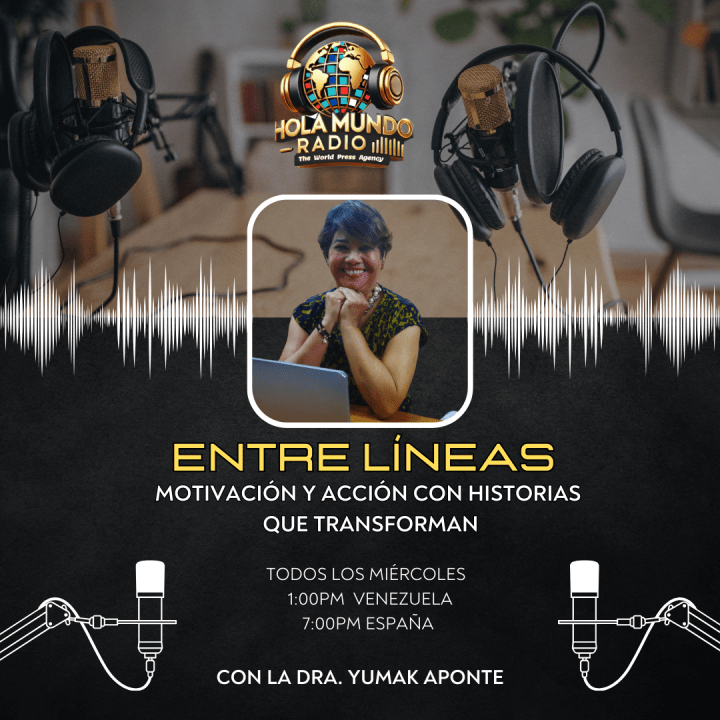
Nota: También estamos en radio. Sintoniza todos los Miércoles en HOLA MUNDO online radio este gran programa, haciendo click aqui: https://holamundoonlineradio.wixsite.com/holamundoonlineradio «Entre Líneas: Motivación en acción con Historias que transforman» a las 19:00 PM HORAS ESPAÑA.
Note: We are also on the radio. Tune in every Wednesday to HOLA MUNDO online radio for this great program by clicking here: https://holamundoonlineradio.wixsite.com/holamundoonlineradio «Between the Lines: Motivation in Action with Transforming Stories» at 7:00 PM Spanish Time.
Descubre más desde LA AGENCIA MUNDIAL DE PRENSA
Suscríbete y recibe las últimas entradas en tu correo electrónico.

