


By TERESA FERNANDEZ HERRERA. Periodista, Escritora, Editorialista. CDG de Cultura. COLUMNISTA
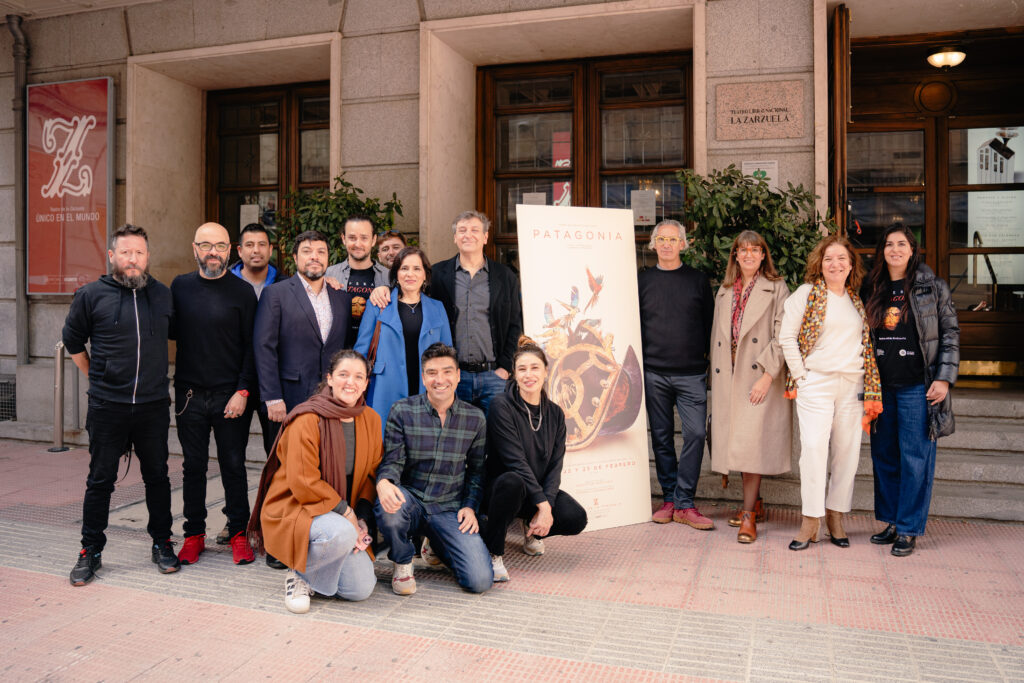
Patagonia, ópera de cámara en dos actos, se ha representado en el Teatro de la Zarzuela de Madrid los días 21 a 23 de febrero de este año que cierra el primer cuarto de siglo XXI.
Patagonia, a chamber opera in two acts, was performed at the Teatro de la Zarzuela in Madrid from February 21 to 23 of this year, which closes the first quarter of the 21st century.
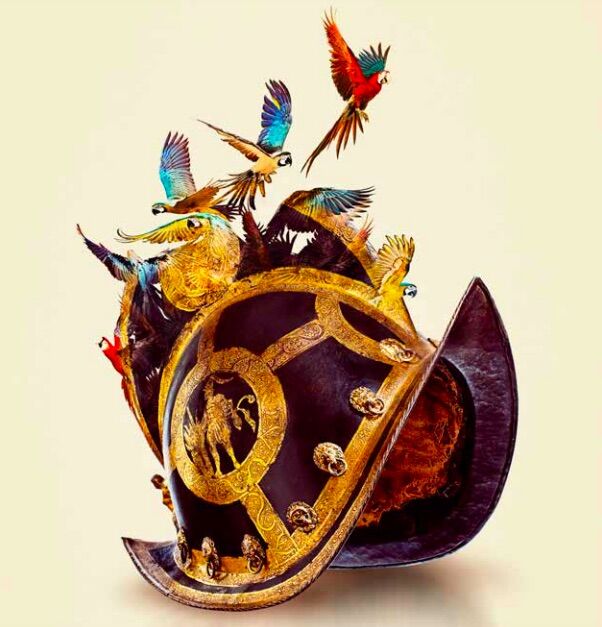
Una ópera que tuvo su estreno mundial en el Teatro del Lago de Frutillar, Chile, el 18 de marzo de 2022 y en el Teatro Nacional Cervantes de Buenos Aires el 29 de septiembre de 2023. Una producción del Teatro Bíobío y Teatro del Lago de Chile y Premio Ópera XXI a la mejor producción latinoamericana 2023.
An opera that had its world premiere at the Teatro del Lago in Frutillar, Chile, on March 18, 2022, and at the Teatro Nacional Cervantes in Buenos Aires on September 29, 2023. A production by the Teatro Bíobío and Teatro del Lago in Chile and winner of the Ópera XXI Award for the best Latin American production in 2023.
Esta semana en nuestra columna Culturas del Mundo, nunca mejor dicho, porque representa el choque épico intercultural entre los españoles que intentaban circunnavegar el globo terráqueo en la expedición de Fernando de Magallanes, desde el punto de vista del pueblo tchuelche o aoniquén, en el helado sur cercano a la Antártida. Concebida para conmemorar los quinientos años de una gesta que cambió definitivamente el concepto del universo.
This week in our Cultures of the World column, never better said, because it represents the epic intercultural clash between the Spaniards who tried to circumnavigate the globe in the expedition of Fernando de Magallanes, from the point of view of the Tchuelche or Aoniquén people, in the frozen south near Antarctica. Conceived to commemorate the five hundred years of a feat that definitively changed the concept of the universe.
En un formato contemporáneo, respetuoso con la lengua aoniquén, en la que cantan los personajes autóctonos, con músicas también autóctonas del compositor chileno Sebastián de Errázuriz, en una obra cuyo concepto es explorar el impacto sobre la cultura indígena, sin recrear el acontecimiento histórico, con el objetivo de estimular a los espectadores a reflexionar sobre la relación humana con el territorio.
In a contemporary format, respectful of the Aoniquén language, in which the native characters sing, with also native music by the Chilean composer Sebastián de Errázuriz, in a work whose concept is to explore the impact on indigenous culture, without recreating the historical event, with the aim of stimulating spectators to reflect on the human relationship with the territory.
Dos mundos, muy distintos, que entraron en contacto hace medio milenio, el inicio del mundo globalizado que hoy habitamos. Y es una mujer tchuelche contemporánea, Ikalemem, quién narra recuerdos a través de la memoria oral de sus ancestros, desde el significado de la llegada de un mundo civilizado, hasta la percepción de este pueblo del sur de la Patagonia chilena de los extranjeros.
Two very different worlds that came into contact half a millennium ago, the beginning of the globalized world we inhabit today. And it is a contemporary Tchuelche woman, Ikalemem, who narrates memories through the oral memory of her ancestors, from the meaning of the arrival of a civilized world, to the perception of this town in southern Chilean Patagonia of foreigners.
La ópera narra la llegada en 1520 a una gélida bahía patagónica de la expedición de Magallanes y cómo se establece el contacto con el pueblo tchuelche. Curiosamente aquí el villano es Fernando de Magallanes, que en una situación penosa de la expedición, arremete contra algunos de sus hombres, acusándolos de conspirar contra él, representante de la Corona. Entre otros al capitán Juan de Cartagena, supuesto líder de un motín contra Magallanes, al que dejan enfermo y abandonado a su suerte cuando la expedición continúa su camino hacia el sur, al supuesto encuentro de dos océanos, llevándose a Kentelan, joven tchuelche que deja atrás al amor de su vida.
The opera narrates the arrival of Magellan’s expedition to a frozen Patagonian bay in 1520 and how contact is established with the Tchuelche people. Curiously, the villain here is Fernando de Magallanes, who in a difficult situation for the expedition, attacks some of his men, accusing them of conspiring against him, the representative of the Crown. Among others, Captain Juan de Cartagena, supposed leader of a mutiny against Magellan, who is left sick and abandoned to his fate when the expedition continues its journey south, to the supposed meeting of two oceans, taking Kentelan, a young Tchuelche who leaves behind the love of his life.
Cartagena es salvado por dos mujeres aoniquén, Xorenquen y Golenkon. El salvamento a cambio de saber qué ha sido de Kentelan, a quién quieren recuperar.
Cartagena is saved by two Aoniquén women, Xorenquen and Golenkon. The rescue in exchange for knowing what has become of Kentelan, whom they want to recover.
Ahí se produce una agónica persecución de las dos mujeres y el español que por tierra intentarán alcanzar el punto de la unión de los dos océanos, interceptar las naves e intercambiar al abandonado capitán Cartagena por Kentelan… Difícil intercambio. ¿Lo conseguirán?
There, an agonizing pursuit of the two women and the Spaniard takes place, who by land will try to reach the point where the two oceans meet, intercept the ships and exchange the abandoned captain Cartagena for Kentelan… A difficult exchange. Will they succeed?
Hermosa historia de relaciones humanas que van generando intimidad, en la que el objetivo de una gesta histórica pierde importancia ante la necesidad de sobrevivir… En las naves, un cronista italiano, Antonio Pigafetta, es el encargado de “civilizar” a Kentelán al modo de entonces: enseñarle la nueva lengua y bautizarle sin mucha explicación de lo que ello significa, ni de donde procede tal ceremonia…
A beautiful story of human relationships that generate intimacy, in which the objective of a historical feat loses importance in the face of the need to survive… On the ships, an Italian chronicler, Antonio Pigafetta, is in charge of “civilizing” Kentelán in the way of that time: teaching him the new language and baptizing him without much explanation of what it means, or where such a ceremony comes from…
Donde la historia se vuelve íntima, desaparece la gesta de un viaje casi imposible… Maravilloso y certero concepto.
Where history becomes intimate, the feat of an almost impossible journey disappears… A wonderful and accurate concept.
Las mujeres aoniquén son cantadas por la mezzosoprano Evelyn Ramírez, (Golenkon) y la soprano Marcela González, (Xorenquen). Pigafetta es el tenor Nicolás Fontecilla, el bajo-barítono Sergio Gallardo es Juan de Cartagena, la actriz María Paz Grandjean es la narradora indígena contemporánea, Ikalemem, y el joven Kentelán, el bailaín-actor, Francisco Arrázola.
The Aoniquén women are sung by the mezzo-soprano Evelyn Ramírez, (Golenkon) and the soprano Marcela González, (Xorenquen). Pigafetta is the tenor Nicolás Fontecilla, the bass-baritone Sergio Gallardo is Juan de Cartagena, the actress María Paz Grandjean is the contemporary indigenous narrator, Ikalemem, and the young Kentelán, the dancer-actor, Francisco Arrázola.
Para terminar, una anécdota. Yo estuve en la tercera función, pero me contaron que después de la primera hubo un coloquio de los actores con el público. El debate fue tan vivo, con defensores de una cultura u otra, ¡desde un juicio de ahora! que casi llegan a las manos.
To finish, an anecdote. I was at the third performance, but I was told that after the first there was a discussion between the actors and the audience. The debate was so lively, with defenders of one culture or another, from a recent trial! that they almost came to blows.
Ignorando que la Historia se ha construido a base de choques interculturales, la mayoría sin objetivos científicos, como el caso que se narra, por el contrario, solo por ambiciones puramente expansivas, de las que España es un testimonio múltiple de haber sido invadida y culturizada por decenas de pueblos extranjeros.
Ignoring that History has been built on the basis of intercultural clashes, most of them without scientific objectives, as in the case narrated, on the contrary, only for purely expansive ambitions, of which Spain is a multiple testimony of having been invaded and cultured by dozens of foreign peoples.
Y lo que perdura son los legados culturales. Nadie se acuerda ni le importan las batallas.
And what endures are the cultural legacies. No one remembers or cares about the battles.
En este caso, esta preciosa ópera de cámara que nos deja la enseñanza de que las relaciones humanas permanecen sobre los impactos interculturales, por otra parte inevitables.
In this case, this beautiful chamber opera leaves us with the lesson that human relations endure over intercultural impacts, which are otherwise inevitable.
Disfrutemos de la música.Patagonia
Let’s enjoy the music.Patagonia
Descubre más desde LA AGENCIA MUNDIAL DE PRENSA
Suscríbete y recibe las últimas entradas en tu correo electrónico.
