

Unusual Malaga: The first Protestant cemetery in Spain

Málaga, ciudad fundada por los fenicios, aquel extraño pueblo de navegantes de la Edad Antigua que no conquistaba con guerras, sino fundando ciudades por todo el Mediterráneo occidental y expandiendo el comercio de la púrpura, algo tan preciado como único de la franja costera de lo que hoy es el Líbano. Málaga, entonces Malaca no podía escapar a su atención por un puerto natural que reclamaba a gritos una ciudad próspera desde su nacimiento.
Málaga, a city founded by the Phoenicians, that enigmatic seafaring people of antiquity who didn’t conquer through war, but rather by founding cities throughout the western Mediterranean and expanding the trade in purple dye, a precious and unique commodity found only on the coast of what is now Lebanon. Málaga, then known as Malaca, could not escape their attention, boasting a natural harbor that seemed destined to become a prosperous city from its very inception.
Málaga fue después de fenicia, griega, cartaginesa, romana, visigoda, musulmana y desde 1485 castellano-aragonesa. La riqueza arqueológica de este privilegiado enclave mediterráneo es impresionante. Y su historia ha marcado hitos hasta hoy.
Málaga was Phoenician, Greek, Carthaginian, Roman, Visigothic, Muslim, and from 1485, Castilian-Aragonese. The archaeological wealth of this privileged Mediterranean enclave is impressive. And its history has marked milestones to this day.
¿Un primer cementerio protestante en España? ¿Por qué en Málaga?
A first Protestant cemetery in Spain? Why in Málaga?
Málaga lleva siglos atrayendo a británicos acomodados, deseosos de huir de su terrible climatología, por el clima privilegiado de la ciudad más importante del sur mediterráneo español. La población británica en Málaga en el siglo XIX era notoria. El problema era morir, porque las leyes prohibían el enterramiento a no católicos en los cementerios al uso. Y, ¿qué se hacía con los fallecidos protestantes? Se los enterraba de noche, de pie en las playas, a merced de las olas y otras cosas peores.
For centuries, Málaga has attracted wealthy Britons, eager to escape their harsh climate, thanks to the privileged weather of the most important city on the Spanish Mediterranean coast. The British population in 19th-century Málaga was significant. The problem was dying, because the laws prohibited the burial of non-Catholics in the established cemeteries. And what was done with the Protestant dead? They were buried at night, standing up on the beaches, at the mercy of the waves, and worse.
Hasta que fue nombrado cónsul británico en Málaga, Mr. William Mark en 1824. Desde el primer minuto negoció con las autoridades la cesión de un terreno de enterramiento para los miembros de su comunidad. Lo logró en 1829. Un terreno en las afueras de la ciudad, camino a Almería. El primero que logró un descanso digno en este lugar fue George Stephens, dueño del bergantín Cicero, ahogado accidentalmente en el puerto en enero de 1831.
Until he was appointed British Consul in Málaga in 1824, Mr. William Mark immediately negotiated with the authorities for a burial plot for members of his community. He succeeded in 1829. The plot was located on the outskirts of the city, on the road to Almería. The first to be laid to rest there was George Stephens, owner of the brig Cicero, who drowned accidentally in the port in January 1831.
Robert Boyd.
El segundo, en ese mismo año, fue el primero de los británicos distinguidos que descansan en el cementerio inglés. Un héroe irlandés al servicio de los liberales españoles que luchaban contra la tiranía de Fernando VII. Su nombre Robert Boyd, fusilado junto al General Torrijos y cuarenta y ocho compañeros en la playa de San Andrés el 11 de diciembre de 1831. Fueron traicionados por el gobernador absolutista de Málaga, Vicente González Moreno, quién fingiéndose liberal animó a Torrijos a desembarcar en Málaga, siendo apresados en el mar.
The second, in that same year, was the first of the distinguished Britons to rest in the English Cemetery. An Irish hero in the service of the Spanish liberals fighting against the tyranny of Ferdinand VII. His name was Robert Boyd, executed by firing squad along with General Torrijos and forty-eight companions on San Andrés beach on December 11, 1831. They were betrayed by the absolutist governor of Málaga, Vicente González Moreno, who, feigning liberalism, encouraged Torrijos to land in Málaga, whereupon they were captured at sea.
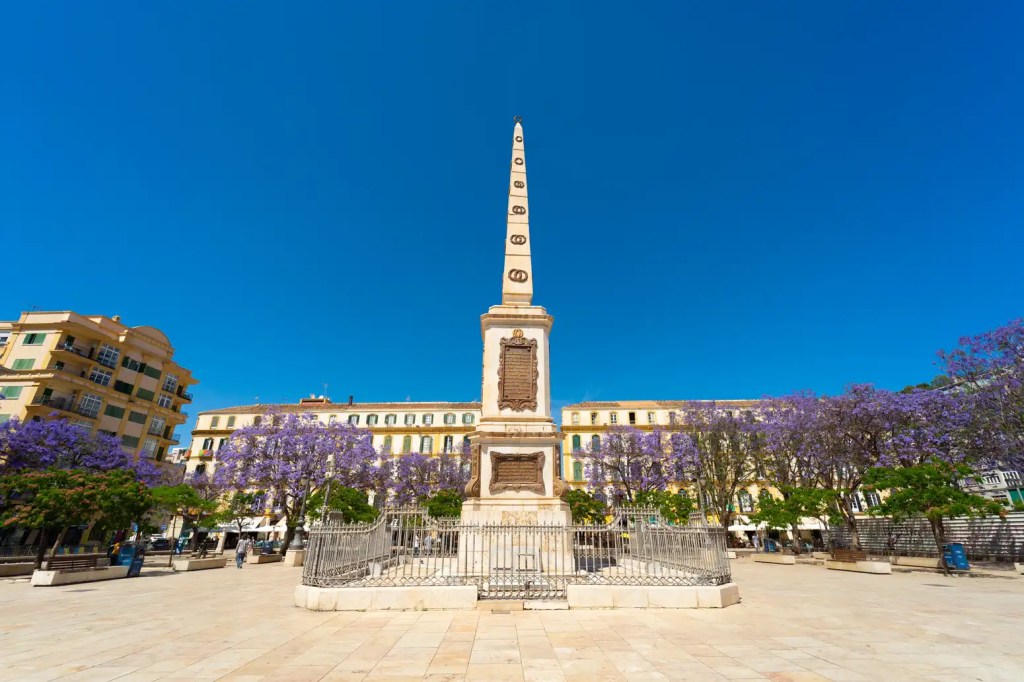
En el centro de la Plaza de la Merced de Málaga se construyó un magno monumento a la memoria de estos héroes de la libertad. Y en el Museo del Prado de Madrid se exhibe el famoso cuadro “El fusilamiento de Torrijos y sus compañeros en las playas de Málaga”, la obra más famosa de Antonio Gisbert.
In the center of Málaga’s Plaza de la Merced, a magnificent monument was erected in memory of these heroes of liberty. And in the Prado Museum in Madrid, the famous painting «The Execution of Torrijos and His Companions on the Beaches of Málaga,» Antonio Gisbert’s most famous work, is on display.
Gerald Brenan.
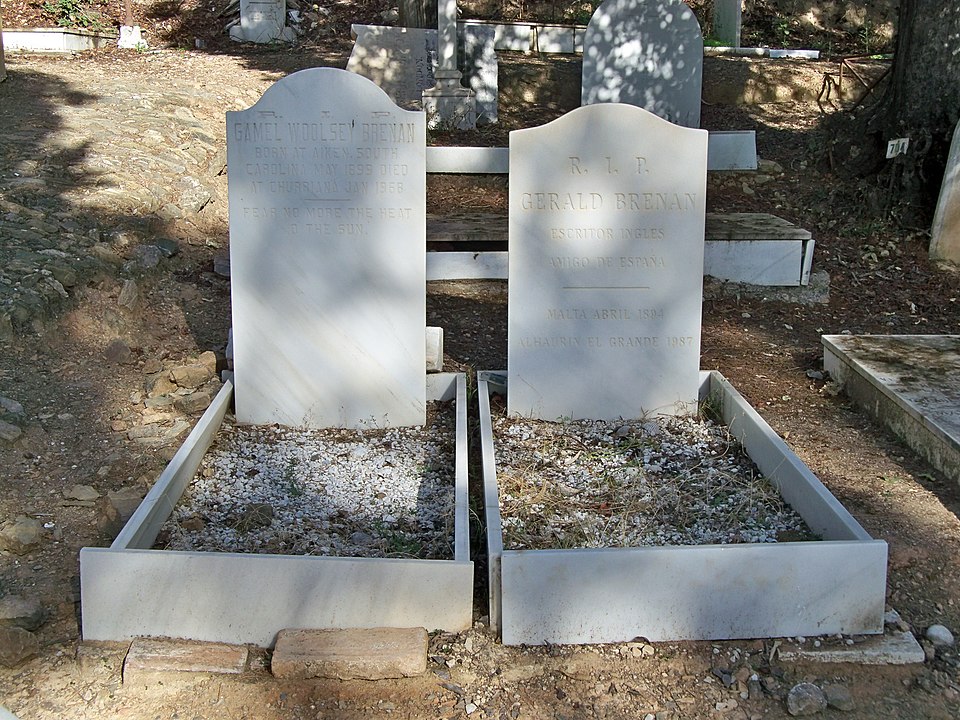
Quizá el inglés más famoso que reposa junto a su esposa, la poeta y novelista norteamericana Gamel Woolsey en el Cementerio inglés es el escritor hispanista Gerald Brenan, cuya intensa y agitada vida puede ser seguida a través de sus numerosas obras sobre España, algunas autobiográficas. Amó a España y quiso morir y reposar aquí. Murió en 1987 en Alhaurín el Grande; cedió su cuerpo a la ciencia. Finalmente en enero de 2001 fue incinerado y sepultado. Quizá sin quererlo su post mortem fue tan agitado como su vida. Esperemos que descanse en paz.
Perhaps the most famous Englishman resting alongside his wife, the American poet and novelist Gamel Woolsey, in the English Cemetery is the Hispanist writer Gerald Brenan, whose intense and turbulent life can be traced through his numerous works about Spain, some of them autobiographical. He loved Spain and wished to die and be laid to rest here. He died in 1987 in Alhaurín el Grande; he donated his body to science. Finally, in January 2001, he was cremated and buried. Perhaps unintentionally, his post-mortem life was as eventful as his life itself. Let us hope he rests in peace.
No puedo terminar este capítulo sin mencionar a su única hija Miranda Helen Brenan, fallecida de cáncer en 1968 a los cuarenta y nueve años de edad. Hija suya y de una adolescente gitana de un pueblo de las Alpujarras, Yegen. Habló de esta historia en su libro “Al sur de Granada”, llevado al cine con este mismo título por el director Fernando Colomo.
I cannot end this chapter without mentioning his only daughter, Miranda Helen Brenan, who died of cancer in 1968 at the age of forty-nine. She was his daughter with a teenage Roma woman from Yegen, a village in the Alpujarras mountains. He recounted this story in his book «South from Granada,» which was adapted into a film of the same name by director Fernando Colomo.
Jorge Guillén.
¿Qué hace el gran poeta español Jorge Guillén, en una descuidadísima tumba de este cementerio de St. George? Pues fue decisión suya, porque era ateo y no quería ser enterrado en un cementerio católico. Pero ¿porqué en uno anglicano, a fin de cuentas cristiano, cuando podía haber reposado en cualquier cementerio civil, ya que falleció en 1984 en Málaga, en pleno auge del gobierno socialista de Felipe González, donde sin duda su tumba estaría mejor cuidada?
What is the great Spanish poet Jorge Guillén doing in a neglected grave in St. George’s Cemetery? It was his own decision, because he was an atheist and didn’t want to be buried in a Catholic cemetery. But why an Anglican one, ultimately Christian, when he could have rested in any civil cemetery, since he died in 1984 in Málaga, at the height of Felipe González’s socialist government, where his grave would undoubtedly have been better cared for?
¿Porqué el primer Premio Cervantes, tras la fundación del Instituto Cervantes en 1976; poeta, escritor, licenciado por la universidad de Granada, profesor en las universidades de Harvard, Murcia, Sevilla, Wellesley College, lector de español en la Sorbonne de París, y en Oxford, crítico literario, miembro de la Generación del 27, miembro de la Academia Estadounidense de las Artes y las Ciencias, eligió el Cementerio Inglés de St. George para su eterno descanso? Por su fascinación por este espacio, como nexo de unión entre diferentes culturas, religiones y ritos funerarios. Así lo expresó él. Merecía un mejor cuidado en su elegido lugar de reposo.
Why did the first recipient of the Cervantes Prize after the founding of the Cervantes Institute in 1976—a poet, writer, graduate of the University of Granada, professor at Harvard, the University of Murcia, the University of Seville, and Wellesley College, lecturer in Spanish at the Sorbonne in Paris and at Oxford, literary critic, member of the Generation of ’27, and member of the American Academy of Arts and Sciences—choose St. George’s English Cemetery for his final resting place? Because of his fascination with this space, as a link between different cultures, religions, and funerary rites. That’s how he expressed it. He deserved better care in his chosen resting place.
Las víctimas del naufragio del SMS Gneisenau.
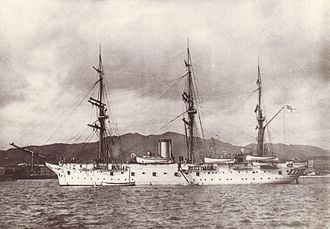
15 de diciembre de 1900. La fragata SMS Gneisenau de la marina imperial alemana de 2843 toneladas, 14 cañones, 470 tripulantes, permanece anclada fuera del puerto de Málaga, en espera de recoger a su embajador de regreso de una misión en Marruecos. El día amanece con un fuerte temporal y la Comandancia de Marina malagueña urge al comandante de la fragata, Kretschmann, a fondear al abrigo del puerto. Increíblemente, el comandante no hace caso y a las 11.30 de la mañana del 16, rotas las amarras que la unían a sus anclas la nave queda a merced del temporal. No tarda en hundirse.
December 15, 1900. The German Imperial Navy frigate SMS Gneisenau, of 2,843 tons, 14 cannons, and a crew of 470, was anchored outside the port of Málaga, awaiting the return of its ambassador from a mission in Morocco. The day dawned with a severe storm, and the Málaga Naval Command urged the frigate’s commander, Kretschmann, to anchor in the shelter of the port. Incredibly, the commander ignored the order, and at 11:30 a.m. on the 16th, the mooring lines securing the ship to its anchors broke, leaving it at the mercy of the storm. It soon sank.
¿Cómo se explica que el comandante de una nave en presencia de un temporal desoyese la orden de la autoridad marítima de fondear en el puerto? No tiene explicación lógica. Esto fue la causa de cuarenta y un muertos, más doce malagueños en una operación arriesgadísima de rescate, suya descripción pormenorizada aterra.
How can it be explained that the captain of a ship, in the face of a storm, ignored the maritime authority’s order to anchor in the port? There is no logical explanation. This was the cause of forty-one deaths, plus twelve more from Málaga in a perilous rescue operation; its detailed description is terrifying.
Málaga fue nombrada Ciudad Muy Hospitalaria. Gracias al heroísmo de los malagueños en el rescate se salvaron muchas vidas. El enterramiento de las víctimas del Gneisenau entre ellas el comandante Kretschmann en el Cementerio Inglés, fue acompañado por toda la ciudad y por los supervivientes. El naufragio fue atribuido a un fallo técnico-temporal.
Málaga was named a Very Hospitable City. Thanks to the heroism of the people of Málaga in the rescue, many lives were saved. The burial of the victims of the Gneisenau, including Commander Kretschmann, in the English Cemetery, was attended by the entire city and the survivors. The shipwreck was attributed to a technical failure caused by the weather.
Otros notables, entre ellos Joseph William Noble cuyas herederas donaron un hospital a Málaga; el escritor finlandés Aarne Haapakoski; Marjorie Grice Hutchinson, economista británica asentada en Málaga, especialista en el pensamiento económico de España, y muy particularmente en la Escuela de Salamanca y el pensamiento económico medieval.
Other notable figures include Joseph William Noble, whose heirs donated a hospital to Málaga; the Finnish writer Aarne Haapakoski; and Marjorie Grice Hutchinson, a British economist based in Málaga, specializing in Spanish economic thought, particularly the School of Salamanca and medieval economic thought.
Durante casi dos siglos los cónsules británicos se ocuparon de su administración. Pero la aportación que recibían de Londres fue retirada en 1903. Esa fue la causa del deterioro de camposanto y jardines, que fueron un auténtico jardín botánico, hasta llegar al deterioro de finales de siglo. En 2006 la propiedad se traspasó a la Fundación Cementerio Inglés de Málaga encargada de mantener el legado histórico de la ciudad.
For nearly two centuries, British consuls managed the cemetery. However, the funding they received from London was withdrawn in 1903. This led to the deterioration of the cemetery and gardens, which had once been a veritable botanical garden, until their decline at the end of the century. In 2006, ownership was transferred to the Málaga English Cemetery Foundation, which is responsible for maintaining the city’s historical legacy.
Desde 2012 es Bien de Interés Cultural de la Junta de Andalucía por su valor artístico, histórico, literario y botánico.
Since 2012 it has been a Cultural Heritage Site of the Junta de Andalucía for its artistic, historical, literary and botanical value.
Descubre más desde LA AGENCIA MUNDIAL DE PRENSA
Suscríbete y recibe las últimas entradas en tu correo electrónico.
