

Bullying and Suicide: What We All Need to Know

Hoy escribimos sobre una temática urgente y necesaria: el bullying en la adolescencia y el creciente problema del suicidio juvenil a nivel mundial, porque detrás de cada estadística hay una historia, una vida, una voz que tal vez no fue escuchada a tiempo.
Today we write about an urgent and necessary topic: bullying in adolescence and the growing problem of youth suicide worldwide, because behind every statistic there is a story, a life, a voice that perhaps was not heard in time.
En este artículo, junto a un psicólogo invitado, exploraremos cómo el acoso escolar afecta profundamente la salud mental de nuestros jóvenes, cómo identificar señales de alerta y, sobre todo, cómo podemos actuar —como padres, docentes, amigos y sociedad— para prevenir el dolor que no siempre se ve.
In this article, together with an invited psychologist, we will explore how school bullying profoundly affects the mental health of our young people, how to identify warning signs, and above all, how we can act—as parents, teachers, friends, and society—to prevent the pain that is not always visible.
Porque hablar salva vidas. Y hoy, más que nunca, necesitamos escuchar / Because talking saves lives. And today, more than ever, we need to listen.
Nuestro invitado: Dr. Reynaldo Olavarrieta Profesional con una destacada trayectoria en el campo de la psicología clínica, la salud mental y la gestión institucional. Su formación académica incluye estudios avanzados en psicología, gerencia y educación, lo que le permite abordar el comportamiento humano desde una perspectiva integral.
Our guest: Dr. Reynaldo Olavarrieta, a professional with a distinguished career in the field of clinical psychology, mental health, and institutional management. His academic training includes advanced studies in psychology, management, and education, allowing him to address human behavior from an integral perspective.
Entre sus credenciales académicas se encuentran:
Her academic credentials include:

Terapeuta Cognitivo Conductual/Especialista en Alta Gerencia/ Magíster en Orientación de la Conducta/Magíster en Administración de Negociación con mención en Recursos Humanos/ Doctor en Filosofía de la Educación/ Doctorante en Psicología del Comportamiento.
Terapeuta Cognitivo Conductual/Especialista en Alta Gerencia/ Magíster en Orientación de la Conducta/Magíster en Administración de Negociación con mención en Recursos Humanos/ Doctor en Filosofía de la Educación/ Doctorante en Psicología del Comportamiento.
En el ámbito laboral, el Dr. Olavarrieta ha ocupado cargos de gran responsabilidad: Presidente del Colegio de Psicólogos del Estado Miranda / Vicepresidente del Instituto Venezolano de Terapeutas Cognitivos Conductuales /Coordinador Nacional de ALAMOC (Asociación Latinoamericana de Análisis, Modificación de la Conducta y Terapia Cognitiva Conductual)/ Jefe del Servicio de Psicología del Hospital José María Carabaño Tosta del IVSS/ Directivo de la Sociedad Venezolana de Psicología Sexológica/ Miembro de la Junta Interventora del Instituto de Previsión Social del Psicólogo.
In the workplace, Dr. Olavarrieta has held positions of great responsibility: President of the College of Psychologists of the State of Miranda / Vice President of the Venezuelan Institute of Cognitive Behavioral Therapists / National Coordinator of ALAMOC (Latin American Association of Analysis, Behavior Modification and Cognitive Behavioral Therapy) / Head of the Psychology Service of the José María Carabaño Tosta Hospital of the IVSS / Director of the Venezuelan Society of Sexological Psychology / Member of the Intervention Board of the Social Security Institute of the Psychologist.
Su liderazgo, compromiso gremial y enfoque científico lo convierten en una referencia nacional e internacional en el desarrollo de la psicología contemporánea.
His leadership, professional commitment, and scientific approach make him a national and international reference in the development of contemporary psychology.
El bullying y el suicidio adolescente son dos problemáticas que hoy en día se consideran temas de salud pública. Aunque el acoso ha existido desde hace décadas, en la actualidad las redes sociales han amplificado su alcance y sus consecuencias. El psicólogo especialista Dr. Reynaldo Olavarrieta nos comparte una visión clara y profunda sobre este fenómeno, sus efectos y cómo prevenirlo.
Bullying and adolescent suicide are two issues that today are considered public health matters. Although bullying has existed for decades, nowadays social networks have amplified its reach and consequences. The specialist psychologist Dr. Reynaldo Olavarrieta shares with us a clear and deep vision of this phenomenon, its effects, and how to prevent it. Bullying and adolescent suicide are two issues that today are considered public health matters. Although bullying has existed for decades, nowadays social networks have amplified its reach and consequences. The specialist psychologist Dr. Reynaldo Olavarrieta shares with us a clear and deep vision of this phenomenon, its effects, and how to prevent it.

Bullying: más allá del colegio / Bullying: Beyond School
El bullying no ocurre únicamente en las aulas. También puede darse en la familia, en las comunidades y en cualquier espacio donde un niño o adolescente sea víctima de acoso.
Bullying does not occur only in classrooms. It can also happen in the family, in communities, and in any space where a child or adolescent is a victim of harassment.
- Genera deterioro de la salud mental. It generates deterioration of mental health.
- Afecta la autoestima y el autoconcepto. It affects self-esteem and self-concept.
- Puede desencadenar trastornos depresivos que, en su forma más grave, derivan en ideaciones suicidas. It can trigger depressive disorders that, in their most severe form, lead to suicidal ideations.
“El bullying no es un trastorno mental, pero sí puede generar uno: la depresión. Y en su forma más grave, la depresión puede llevar al suicidio”, explica el Dr. Reynaldo.
“Bullying is not a mental disorder, but it can generate one: depression. And in its most severe form, depression can lead to suicide,” explains Dr. Reynaldo.
El impacto de las Redes Sociales / The Impact of Social Networks

Antes, el bullying terminaba al salir del colegio. Hoy, el cyberbullying lo mantiene vivo las 24 horas.
Before, bullying ended when leaving school. Today, cyberbullying keeps it alive 24 hours a day.
- Se viraliza a través de memes, stickers y publicaciones en WhatsApp, TikTok o Instagram. It spreads virally through memes, stickers, and posts on WhatsApp, TikTok, or Instagram.
- El daño reputacional es casi irreversible. Reputational damage is almost irreversible.
- El acoso se vuelve crónico y constante. The harassment becomes chronic and constant.
Señales de Alerta en Adolescentes / Warning Signs in Adolescents
Los niños y adolescentes no siempre expresan la depresión como los adultos. En lugar de comunicar su dolor, lo manifiestan con conductas disruptivas:
Children and adolescents don’t always express depression like adults. Instead of communicating their pain, they often manifest it through disruptive behaviors:
- Irritabilidad y agresividad. Irritabilidad y agresividad.
- Desconexión de los padres y falta de comunicación. Disconnection from parents and lack of communication.
- Bajo rendimiento académico. Poor academic performance.
- Aislamiento social. Social isolation.
- Negativa a asistir al colegio o realizar tareas. Refusal to attend school or do homework.
“No es que tu hijo esté rebelde. Puede estar deprimido o iniciando un proceso depresivo”, advierte el especialista.
“It’s not that your child is being rebellious. He may be depressed or beginning a depressive episode,” the specialist warns.
Consecuencias Psicológicas y Emocionales / Psychological and Emotional Consequences
El bullying afecta directamente el desarrollo de la personalidad y las habilidades sociales. Entre sus consecuencias:
Bullying directly affects personality development and social skills. Among its consequences:
- Trastornos de ansiedad y depresión. Anxiety and depression disorders.
- Estrés postraumático en casos de violencia física. Post-traumatic stress disorder in cases of physical violence.
- Dificultades para relacionarse en la vida adulta. Difficulties relating to others in adulthood.
- Problemas de concentración y desarrollo cognitivo. Concentration and cognitive development problems.
Bullying y Riesgo de Suicidio / Bullying and Suicide Risk
La relación es directa y comprobada científicamente:
The relationship is direct and scientifically proven:
- Episodio depresivo leve → depresión moderada → depresión grave → riesgo de suicidio. Mild depressive episode → moderate depression → severe depression → risk of suicide.
- Puede combinarse con ansiedad generalizada y ataques de pánico.
It can be combined with generalized anxiety and panic attacks. - Cada vez más adolescentes requieren tratamiento psiquiátrico a edades tempranas. Increasingly, teenagers are requiring psychiatric treatment at young ages.
“He atendido en emergencias a niños de 7 u 8 años con intentos de suicidio por acoso escolar”, comparte el Dr. Reynaldo.
“I have treated children as young as 7 or 8 years old in the emergency room for suicide attempts due to bullying,” shares Dr. Reynaldo.
El Rol de los Docentes / The Role of Teachers
Los docentes tienen un papel protagónico:
Teachers play a leading role:
- No permitir burlas ni apodos en el aula. No teasing or name-calling allowed in the classroom.
- Intervenir de inmediato y comunicarse con los padres. Intervene immediately and contact the parents.
- Dedicar unos minutos de clase a hablar sobre el bullying. Dedicate a few minutes of class time to discussing bullying.
Coordinar charlas y talleres con especialistas
Coordinate talks and workshops with specialists
La Autoestima como Defensa / Self-Esteem as a Defense
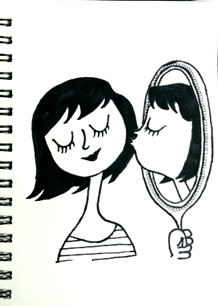
La primera arma contra el bullying es una autoestima sólida, reforzada desde casa.
The first weapon against bullying is a solid self-esteem, reinforced from home.
- Si el adolescente acepta sus características, el acoso pierde fuerza. If the teenager accepts their own characteristics, the bullying loses its power.
- El bullying busca provocar dolor; si no lo logra, la conducta se debilita. Bullying aims to cause pain; if it fails to do so, the behavior weakens.
- La autoestima consolidada protege emocionalmente al niño o adolescente. A strong sense of self-esteem provides emotional protection for the child or teenager.
El Papel de los Padres / The Role of Parents
Los padres son el primer círculo de apoyo.
Parents are the first circle of support.
- Escuchar y felicitar al hijo por confiar en ellos. Listen to and praise your child for trusting you.
- Evitar frases como “defiéndete tú también”. Avoid phrases like “defend yourself too.”
- Comunicar el caso a las autoridades educativas. Report the situation to the school authorities.
- Hacer seguimiento diario y buscar ayuda profesional si es necesario. Follow up daily and seek professional help if needed.
“La ley es muy estricta respecto al bullying. Hay responsabilidades penales para quienes no actúan”, recuerda el especialista.
“The law is very strict regarding bullying. There are criminal penalties for those who fail to act,” the specialist reminds us.
Un llamado a los Adultos / A Call to Adults
Los adultos deben buscar ayuda si no saben cómo manejar la situación. Existen psicólogos en hospitales, fundaciones y centros comunitarios. Incluso la tecnología puede ser una herramienta para encontrar apoyo. “Decir que no se puede hacer nada es injustificable. Siempre hay formas de actuar”, enfatiza el Dr. Reynaldo.
Adults should seek help if they don’t know how to handle the situation. Psychologists are available in hospitals, foundations, and community centers. Even technology can be a tool for finding support. “Saying that nothing can be done is unjustifiable. There are always ways to act,” emphasizes Dr. Reynaldo.
Transformar el Dolor en Resiliencia /Transforming Pain into Resilience
El dolor de las familias afectadas puede convertirse en fuerza colectiva. La resiliencia y la acción comunitaria son claves:
The pain of affected families can be transformed into collective strength. Resilience and community action are key.
- Padres y docentes deben ser agentes de cambio. Parents and teachers must be agents of change.
- El silencio nos convierte en cómplices. Silence makes us complicit.
- La empatía y la solidaridad son esenciales para transformar la realidad. Empathy and solidarity are essential to transforming reality.
Proyectos futuros: Salud Mental como Prioridad / Future projects: Mental Health as a Priority
El Dr. Reynaldo trabaja en promover terapias basadas en evidencia científica y formar más profesionales en salud mental.
Dr. Reynaldo works to promote therapies based on scientific evidence and to train more mental health professionals.
- La salud mental debe ser entendida como parte integral de la salud. Mental health must be understood as an integral part of overall health.
- Los índices de consultas psicológicas ya se equiparán con otras áreas médicas. The rates of psychological consultations will soon be comparable to those in other medical fields.
- El acoso no solo afecta a niños y adolescentes: también existe en el ámbito laboral. Bullying doesn’t only affect children and adolescents: it also exists in the workplace.
La entrevista nos deja una reflexión profunda: el bullying y el suicidio adolescente son problemas que requieren acción inmediata, compromiso social y empatía colectiva. El mensaje final es claro: no hay salud sin salud mental. Como sociedad, debemos rescatar la humanidad y la empatía, recordando que todos somos hermanos y que el respeto mutuo es la base de una convivencia sana.
The interview leaves us with a profound reflection: bullying and teen suicide are problems that require immediate action, social commitment, and collective empathy. The final message is clear: there is no health without mental health. As a society, we must reclaim our humanity and empathy, remembering that we are all brothers and sisters and that mutual respect is the foundation of healthy coexistence.
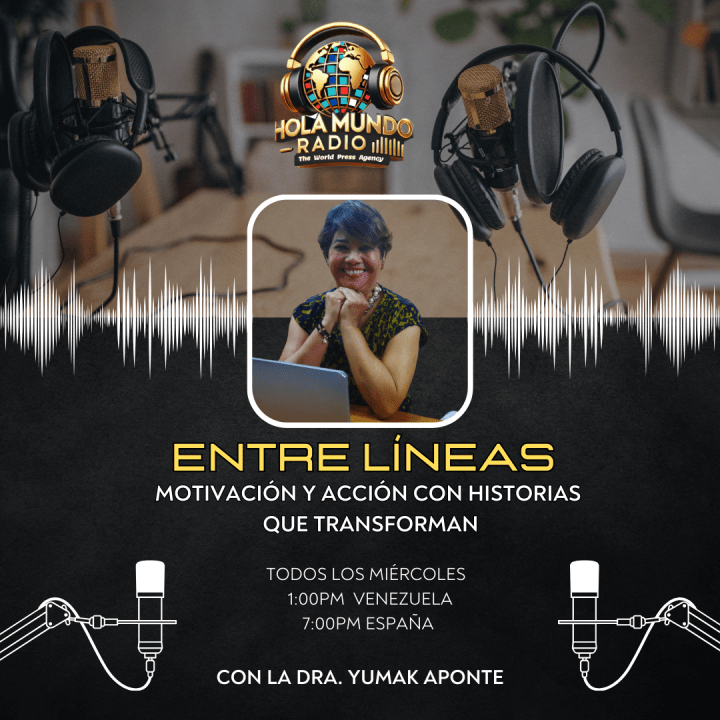
Nota: También estamos en radio. Sintoniza todos los Miércoles en HOLA MUNDO online radiotv+ este gran programa, haciendo click aqui: https://holamundoonlineradio.wixsite.com/holamundoonlineradio «Entre Líneas: Motivación en acción con Historias que transforman» a las 19:00 PM HORAS ESPAÑA.
Note: We are also on the radio. Tune in every Wednesday to HOLA MUNDO online radio for this great program by clicking here: https://holamundoonlineradio.wixsite.com/holamundoonlineradio «Between the Lines: Motivation in Action with Transforming Stories» at 7:00 PM Spanish Time.
Descubre más desde LA AGENCIA MUNDIAL DE PRENSA
Suscríbete y recibe las últimas entradas en tu correo electrónico.

