
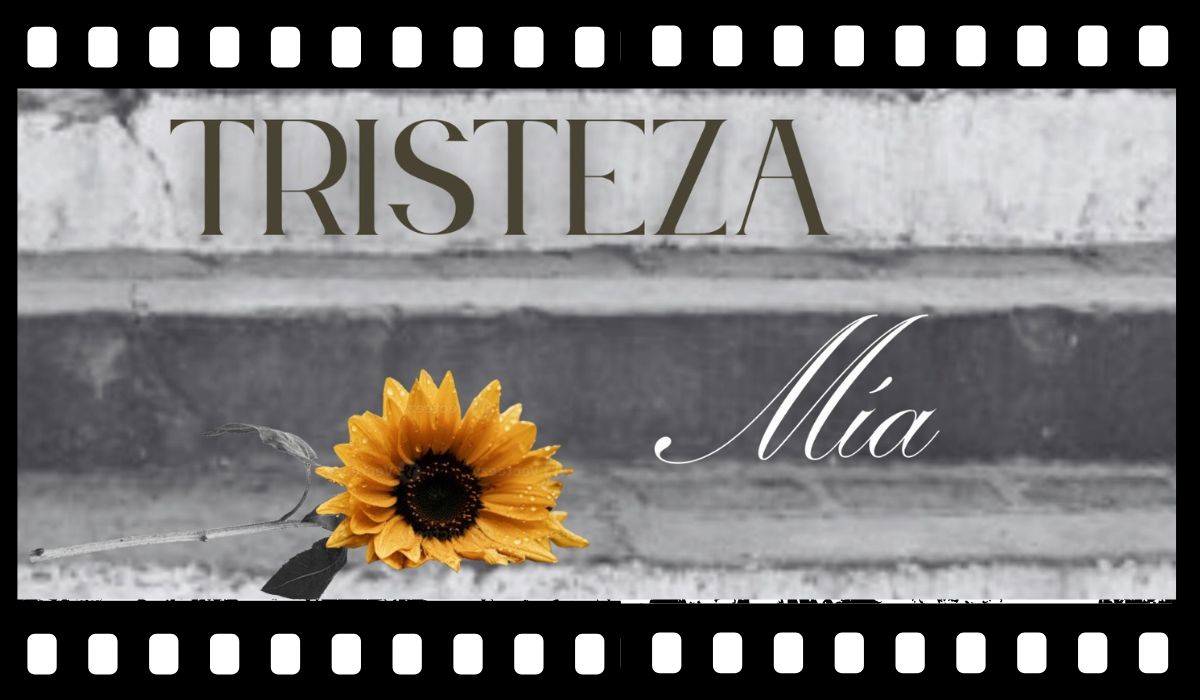
«My Sadness: A Visual Ode to Santiago de Cuba»
"Tristeza Mía no es pesar...es una pasión: de pertenecer profundamente a una comarca donde la maravilla se transforma en existencia"
(Jorge Manuel Escobar. Realizador Audiovisual)
"My Sadness is not sorrow... it is a passion: of belonging deeply to a region where wonder transforms into existence"
(Jorge Manuel Escobar. Audiovisual Director)

Prensa Especializada
Santiago de Cuba, la Ciudad Creativa Musical recibió con plena hospitalidad las cámaras y la narrativa visual del proyecto documental nombrado «Tristeza Mía» de producción independiente por Cañandonga Estudio. Un esperado guiño de complicidad y amor hacia una ciudad patrimonial de 510 años de pertenencia y existencia.
Santiago de Cuba, the Creative Musical City, welcomed with full hospitality the cameras and visual narrative of the documentary project titled «My Sadness,» an independent production by Cañandonga Estudio. A long-awaited nod of complicity and love toward a heritage city with 510 years of belonging and existence.
Desde el corazón palpitante del Caribe, el documental «Tristeza Mía nace en virtud de ser una oda visual a la ciudad que queremos, que atrapa a cada marinero o visitante que llega. Con sus mil propósitos, con sus penas, acá en esta tierra los sueños se cumplen…Santiago me espera», así lo expresa su director artístico y general Jorge Manuel Gamboa Escobar, quien compartió algunos apuntes sobre el suceso cinemátografico que aconteció por estos días.
From the beating heart of the Caribbean, the documentary «My Sadness» is born as a virtue of being a visual ode to the city we love, which captivates every sailor or visitor who arrives. With its thousand purposes, with its sorrows, here on this land dreams come true… Santiago awaits me,» as expressed by its artistic and general director Jorge Manuel Gamboa Escobar, who shared some notes on the cinematic event that took place in recent days.
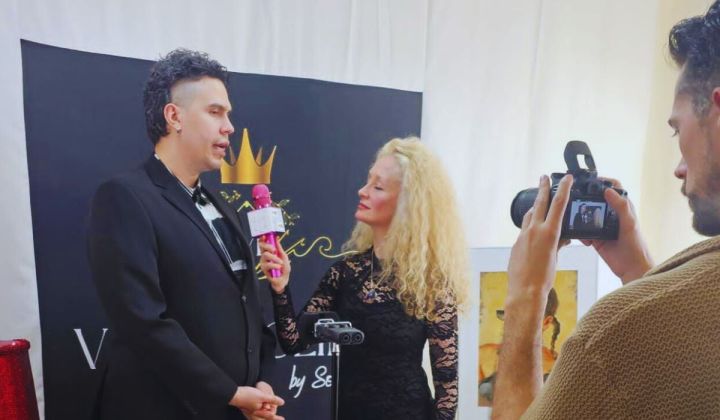
Siempre he reconocido que detrás de un proyecto cinemátografico está la necesidad o propósito de contar una historia. El documental lo expresa marcadamente, podría contarnos ¿de qué va su narrativa?
I have always recognized that behind a cinematic project lies the need or purpose to tell a story. The documentary expresses this markedly; could you tell us what its narrative is about?
La narrativa de este documental más que una necesidad, es un sueño inmediato a cumplir. Una quimera que diseñé tras culminar las grabaciones de mi anterior proyecto «Estampas», de producción radial, dónde tuve el privilegio de poder «tocar con mis oídos» la idiosincrasia de una ciudad multicolor desconocida para mí, y que aún perdura no precisamente por sus valores de restauración y conservación, sino por ese amor y orgullo aún vivos de los santiagueros. Estampas sólo fue un guiño. «Tristeza Mía» ha sido la perfecta invocación interna para hilvanar una narrativa íntima, profunda y hasta desgarradora sobre el alma de los que habitan esta urbe, y hasta de aquellos foráneos que llegan y se van con ese palpitar distinto pero cubano siempre.
The narrative of this documentary is more than a need; it is an immediate dream to fulfill. A chimera that I designed after completing the recordings of my previous project «Estampas,» a radio production, where I had the privilege of «touching with my ears» the idiosyncrasy of a multicolored city unknown to me, and which still endures not precisely for its values of restoration and conservation, but for that love and pride still alive in the people of Santiago. Estampas was only a wink. «My Sadness» has been the perfect internal invocation to weave an intimate, profound, and even heart-wrenching narrative about the soul of those who inhabit this city, and even of those foreigners who arrive and leave with that distinct but always Cuban heartbeat.
Tristeza Mía: es un título muy llamativo, diría a modo personal y con respeto que hasta atrevido. Qué significa para ti esa «tristeza» que nombras como propia?
My Sadness: it’s a very striking title; I would say personally and with respect that it’s even bold. What does that «sadness» you name as your own mean to you?
Precisamente ahí en el título Tristeza Mía está el punto de partida emocional y personal de mi motivación. Toda obra cinematográfica conlleva un proceso de selección e investigación. La historia de Santiago de Cuba atesora en su repertorio patrimonial el primer bolero latinoamericano, creación de uno de sus más fieles exponentes José Pepe Sánchez, quien posteriormente se convertiría en el padre de la trova. Su obra más conocida? Pues «Tristezas», un antológico discurso de amor que estremece la espiritualidad hasta del que menos conocimiento de música tenga.
Precisely there in the title My Sadness lies the emotional and personal starting point of my motivation. Every cinematic work involves a process of selection and research. The history of Santiago de Cuba treasures in its heritage repertoire the first Latin American bolero, created by one of its most faithful exponents, José Pepe Sánchez, who would later become the father of the trova. His most famous work? Well, «Tristezas,» an anthological discourse of love that shakes the spirituality even of those with the least knowledge of music.
Tras varias horas de escucha, pude conjugar aquel «malsentir» de José Pepe Sánchez con un punto cardinal y actual que a todos nos toca: la emigración.
After several hours of listening, I was able to conjugate that «malsentir» of José Pepe Sánchez with a current cardinal point that touches us all: emigration.
En ese momento callé y desde ese bajón esperado me redacté una pregunta que aún bloquea mis instintos, cómo se sentiría Santiago de Cuba cuando le arrancan de sus brazos a un hijo? No podía ser otro…Tristeza Mía»
At that moment, I fell silent, and from that expected low, I posed a question to myself that still blocks my instincts: how would Santiago de Cuba feel when a child is torn from its arms? It couldn’t be anything else… My Sadness.
Desde qué perspectiva estética decidiste el tono visual y sonoro del documental?
From what aesthetic perspective did you decide the visual and sonic tone of the documentary?
Lo primero es tener claro que esta ciudad no sólo geográficamente es bella sino que posee un arraigo musical único en Cuba y en esta zona del Caribe. Fue un reto planteado y cumplido. No sólo para mí como realizador sino para todo mi equipo de Cañandonga Estudio.
The first thing is to be clear that this city is not only geographically beautiful but also possesses a unique musical rootedness in Cuba and in this area of the Caribbean. It was a challenge posed and met. Not only for me as a director but for my entire team at Cañandonga Estudio.
Santiago de Cuba y su gente se mueven bajo un eje musical muy fuerte, dinámico y sostenido en un precepto cultural que va más allá que un modo de vida. Es un magnetismo inexplicable pero alcanzable…»en Santiago se habla cantando, se camina bailando, se vive feliz».
Santiago de Cuba and its people move under a very strong, dynamic musical axis sustained by a cultural precept that goes beyond a way of life. It is an inexplicable but achievable magnetism… «in Santiago, people speak singing, walk dancing, live happily.»
Aquí hasta los silencios desprenden sonidos como altavoces hiperactivos, y eso lo vamos a aprovechar. La ambientación sonora es parte imprescindible de la narrativa. Hemos pretendido que el documental presente una visualidad sonora moderna pero no desligada de la tradición. No buscamos restaurar cintas de grabaciones antiguas, ni maquillar monumentos desgastados, todo lo contrario, tenemos claridad en la misión que nos toca de redimensionar vidas que no deben ser olvidadas, que su palpitar forme parte de la contemporaneidad.
Here, even the silences emit sounds like hyperactive loudspeakers, and we are going to take advantage of that. The sound ambiance is an essential part of the narrative. We have aimed for the documentary to present a modern sonic visuality but not detached from tradition. We do not seek to restore old recording tapes or makeup worn monuments; quite the opposite, we have clarity in the mission that falls to us: to redimension lives that should not be forgotten, so that their heartbeat forms part of contemporaneity.
En pro de elaborar esta entrevista Cañandonga Estudio me facilitó el boceto técnico del documental. Me emocionó un repetitivo «girasol» que hace acto de presencia en varias escenas. Presumo que sea un guiño cinemátografico que expresa más que mil palabras. Cómo y por qué estableciste este diálogo emocional del girasol con la melancolía?
In preparing this interview, Cañandonga Estudio provided me with the technical sketch of the documentary. I was moved by a repetitive «sunflower» that makes an appearance in several scenes. I presume it is a cinematic wink that expresses more than a thousand words. How and why did you establish this emotional dialogue of the sunflower with melancholy?

El girasol es una metáfora, es la manera más sublime de enfocar la esperanzadora sucesión que «después de la tormenta llega la calma». El girasol no sólo es la flor del Sol, también es utilizada para venerar la consagrada imagen de la Virgen de la Caridad del Cobre, nuestra «Cachita» simbolismo mágico religioso que tenía que estar precisamente en nuestro lente. El girasol mueve la dramaturgia y acompaña a cada entrevistado, se apodera del escenario, de la oratoria, coquetea con los efectos sonoros pero perpetúa su significado: cambio, renovación, renacimiento.
The sunflower is a metaphor; it is the most sublime way to focus on the hopeful succession that «after the storm comes the calm.» The sunflower is not only the flower of the Sun; it is also used to venerate the consecrated image of the Virgin of Charity of El Cobre, our «Cachita,» a magical religious symbolism that had to be precisely in our lens. The sunflower drives the dramaturgy and accompanies each interviewee, takes over the stage, the oratory, flirts with the sound effects, but perpetuates its meaning: change, renewal, rebirth.
En lo profesional qué lugar ocupa este documental en tu naciente trayectoria como director?
Professionally, what place does this documentary occupy in your emerging trajectory as a director?
Representa un antes y un después, una invocación personal de gran regocijo. Cuando nos enfocamos con paciencia hacia el cumplimiento de un propósito de tal envergadura, cuando cuentas con un equipo técnico artistico que queda motivado con una pincelada mental compartida por uno mismo… todo se logra…no hay infinitos. El barco arranca…se rompen las barreras, se logra el cumplido y el ser humano crece desde su propia fortaleza.
It represents a before and after, a personal invocation of great rejoicing. When we focus with patience on fulfilling a purpose of such magnitude, when you have a technical-artistic team that gets motivated by a mental brushstroke shared by oneself… everything is achieved… there are no infinities. The ship sets sail… barriers are broken, the fulfillment is achieved, and the human being grows from their own strength.
«Tristeza Mía» es un regalo a Santiago de Cuba, a sus ancestros, a sus religiosos, a sus artistas y músicos…a los que aman y todavía hacen por esta ciudad y no la olvidan…a los que se van y se llevan consigo ese pedacito de Cuba…desde su espiritualidad infinita, desde su ausencia cinematográfica.
«My Sadness» is a gift to Santiago de Cuba, to its ancestors, to its religious figures, to its artists and musicians… to those who love and still do for this city and do not forget it… to those who leave and take with them that little piece of Cuba… from its infinite spirituality, from its cinematic absence.
En lo personal que aprendiste de ti mismo al hacer Tristeza Mía?
Personally, what did you learn about yourself while making My Sadness?
Aprendí que los santiagueros son personas especiales. Son como gladiadores que siempre están en combate. Están moldeados de una manera diferente y con una alegría a veces inalcanzable para otros. Aprendí que Santiago de Cuba es un paraíso musical. Aquí el bolero, el son, la trova, el tabaco y el ron bailan al compás de la gente. Viceversa, jamás (se sonríe) En ningún otro lugar del mundo algo asi sucede.
I learned that the people of Santiago are special people. They are like gladiators who are always in combat. They are molded in a different way and with a joy that is sometimes unattainable for others. I learned that Santiago de Cuba is a musical paradise. Here, the bolero, the son, the trova, tobacco, and rum dance to the rhythm of the people. Vice versa, never (he smiles). Nowhere else in the world does something like this happen.

Hay que amar más lo que se tiene y sobretodo hacerlo palpable…trascendente!!!
We must love more what we have and above all make it palpable… transcendent!!!
Descubre más desde LA AGENCIA MUNDIAL DE PRENSA
Suscríbete y recibe las últimas entradas en tu correo electrónico.

