

Ildefonso Vergara: «One Hundred Years of Flamenco and Radio»
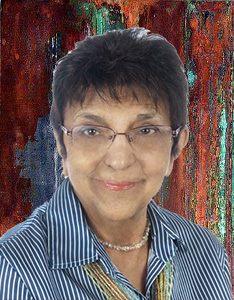
TERESA FERNANDEZ HERRERA. Periodista, Escritora, Editorialista. CDG de CULTURA. COLUMNISTA
Ildefonso Vergara Camacho es un veterano de la radio, actualmente Director Comercial Regional de la Cadena SER de Andalucía. Pero sobre todo es un investigador desde hace muchos años de la historia conjunta del flamenco y la radio en nuestro país, que empezó por plasmarse en su tesis doctoral “Flamenco y radio en Sevilla. Fuentes y análisis historiográfico” y ahora en una obra de referencia y creo que única: “Cien años de flamenco y radio”.
Ildefonso Vergara Camacho is a radio veteran and currently the Regional Commercial Director of Cadena SER in Andalusia. Above all, he has spent many years researching the combined history of flamenco and radio in our country. This work began with his doctoral thesis, «Flamenco and Radio in Seville. Sources and Historiographical Analysis,» and is now reflected in a landmark and, I believe, unique work: «One Hundred Years of Flamenco and Radio.»
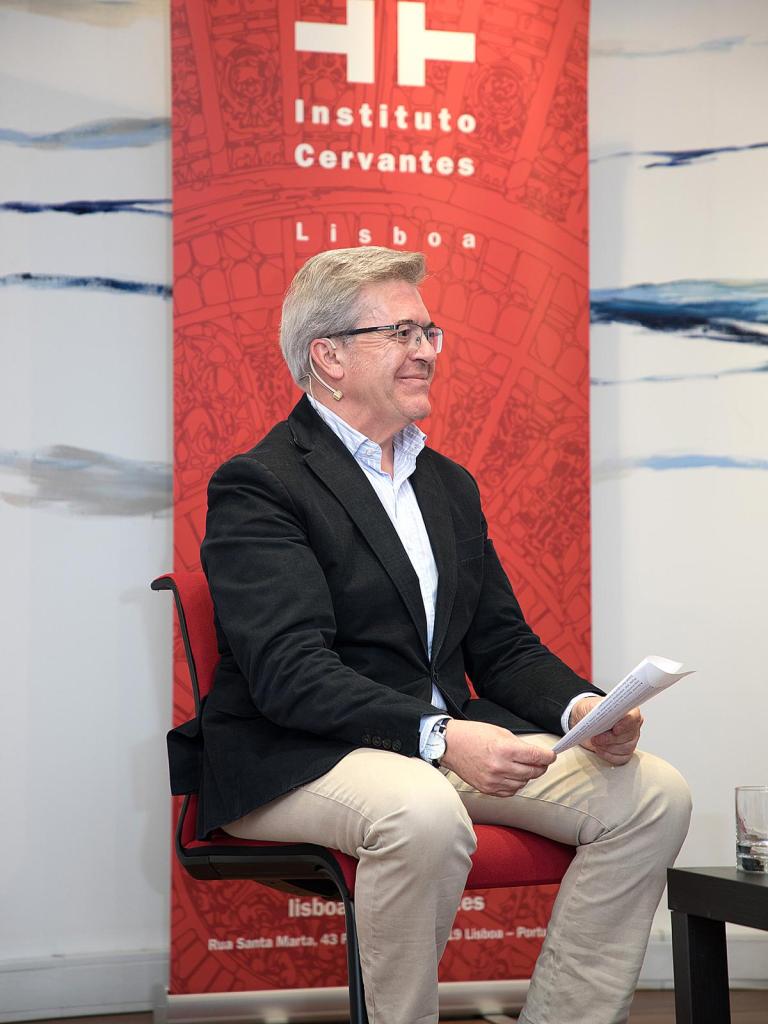
TF. Buenos días, Ildefonso. Quiero empezar por felicitarte por tu libro “Cien años de Flamenco y Radio” que tan brillantemente has presentado en la Agenda Cultural del Cante de las Minas, sobre la historia del flamenco en la radio y de la radio en el flamenco. Algo que va a ser, estoy segura, interesantísimo para mis lectores de La Agencia Mundial de Prensa. Good morning, Ildefonso. I’d like to start by congratulating you on your book «One Hundred Years of Flamenco and Radio,» which you so brilliantly presented at the Cultural Agenda of Cante de las Minas, about the history of flamenco on the radio and of radio in flamenco. I’m sure my readers at the World Press Agency will find it extremely interesting.
IV. Bueno, es una relación que nace desde el inicio mismo de la radiodifusión, al menos en España, puesto que la primera emisión radiofónica se inaugura con flamenco, lo que significa que el flamenco ya formaba parte de ese magma cultural de las ciudades, sobre todo de las grandes capitales españolas, que es donde estuvieron las primeras estaciones radiofónicas, Madrid, Barcelona, Sevilla, Cádiz. Todas estas primeras estaciones se inauguran con flamenco.
Well, it’s a relationship that dates back to the very beginning of radio broadcasting, at least in Spain, since the first radio broadcast opened with flamenco, which means that flamenco was already part of the cultural magma of cities, especially the major Spanish capitals, which is where the first radio stations were located: Madrid, Barcelona, Seville, Cádiz. All of these first stations opened with flamenco.
TF. Quieres decir que el flamenco ya formaba parte de la vida y del entretenimiento de la ciudadanía y que la radio influyó en la divulgación de la cultura flamenca entre sus oyentes. You mean that flamenco was already part of people’s lives and entertainment and that radio influenced the dissemination of flamenco culture among its listeners.
IV. Sin duda, sobre todo porque en el caso del flamenco se rompe con la proxemia del cuarto de los cabales, el flamenco es ya un hecho popular, una música con gran discografía en los años veinte, cuando coincide con el nacimiento de la radio. Muchos aficionados, confesado por ellos, aprendieron a cantar escuchando las primeras emisiones radiofónicas, que en esos primeros años eran en directo.
Without a doubt, especially because in the case of flamenco it breaks away from the proxemics of the «room of the righteous,» flamenco was already a popular music, a music with a large discography in the 1920s, which coincided with the birth of radio. Many fans, by their own admission, learned to sing by listening to the first radio broadcasts, which in those early years were live.
TF. ¿De qué años estamos hablando? What years are we talking about?
IV. De 1924 a 1930, con conciertos en directo. Lo tenemos documentado en Madrid, Sevilla, y en otras estaciones radiofónicas iniciales. A partir de los últimos años veinte comienzan los gramófonos eléctricos, que se inventan y se instauran hacia el veintiocho o veintinueve. Esto permitió a las estaciones radiofónicas hacer una programación continua con grabaciones realizadas en discos de pizarra.
From 1924 to 1930, with live concerts. We have documented this in Madrid, Seville, and other early radio stations. Starting in the late 1920s, electric gramophones began to be invented and introduced around 1928 or 1929. This allowed radio stations to offer continuous programming with recordings made on slate discs.
TF. ¿Estos programas, tenían nombre y presentadores? Did these programs have names and presenters?
IV. No, ninguno de los programas musicales que había en aquella época tenían nombre específico. Eran espacios flamencos o era emisión musical, bien en directo o bien a través de discos, pero no tenían personalidad. Pero es una etapa importantísima para el flamenco en la radio, porque socializa una música que para mucha gente no era familiar, crea afición, divulga a los artistas ya conocidos, como Vallejo, La Niña de los Peines, Marchena, Chacón, Angelillo después, etcétera. La mayor importancia de la radio fue que pudiera llegar a miles y miles de oyentes, siempre en crecimiento.
No, none of the music programs available at that time had a specific name. They were flamenco programs or musical broadcasts, either live or through records, but they lacked personality. But it was a very important stage for flamenco on the radio, because it socialized music that was unfamiliar to many people, created a following, and introduced already well-known artists, such as Vallejo, La Niña de los Peines, Marchena, Chacón, and later Angelillo, etc. The greatest importance of radio was that it could reach thousands and thousands of listeners, always growing.
TF. Porque en esos años el flamenco aunque era popular, era un espectáculo o una cultura de minorías, ¿no? Because in those years flamenco, although it was popular, was a spectacle or a minority culture, right?
IV. Hay que tener en cuenta que el flamenco aunque había discografía no dejaba de ser una música para un núcleo muy reducido, salvo aquellos artistas ya muy conocidos que eran más populares. La radio permite llegar a un público masivo y se convierte en el medio de comunicación que ofrece mayor cobertura a una manifestación artística como el flamenco, por ser el único que cuenta con el sonido y eso es imbatible.
It’s important to keep in mind that flamenco, even though there was a discography, remained a music for a very small group, except for those already well-known artists who were more popular. Radio allows for reaching a mass audience and becomes the media that offers the greatest coverage to an artistic expression like flamenco, as it is the only one that has sound, and that is unbeatable.
TF. Hablaste en tu presentación del cambio notorio entre la radio de los años veinte y la que se inicia en los años sesenta, ¿podrías hablarnos aquí de este fenómeno?
In your presentation you spoke about the notable change between radio in the 1920s and that which began in the 1960s. Could you tell us about this phenomenon here?
IV. Sí. He dividido este trabajo en dos eras: La del flamenco en la radio y la de la radio flamenca. La radio flamenca es un género a partir de los años sesenta, en los que el flamenco ya tiene su audiencia.
Yes. I’ve divided this work into two eras: that of flamenco on the radio and that of flamenco radio. Flamenco radio is a genre that emerged in the 1960s, when flamenco already had its audience.
TF. Bueno, yo te voy a sugerir una excepción, que además creo que tú la mencionaste ayer en tu conferencia, la de las estaciones escuela del Frente de Juventudes, que en los años cincuenta ya tenían programas definidos, autores, presentadores, etcétera. ¿Tienes constancia de algún espacio dedicado al flamenco en alguna de sus emisoras? Well, I’m going to suggest an exception, which I think you also mentioned yesterday in your lecture, that of the training stations of the Youth Front, which in the 1950s already had defined programs, authors, presenters, etc. Do you know of any program dedicated to flamenco on any of their stations?
IV. Tengo constancia que había flamenco, pero no había especialistas como lo conocemos a partir de los sesenta. No te digo que no lo haya, porque en esto es como en todo, hay que dar con la fuente, y es muy difícil. Yo he hecho un trabajo de investigación muy exhaustivo para mi tesis doctoral, que de hecho se llamó “Fuentes y análisis historiográficos de Flamenco y Radio”, en el que aporto ese conocimiento que antes no estaba.
I’m aware that flamenco existed, but there were no specialists as we’ve known it since the 1960s. I’m not saying there aren’t any, because in this, as in everything, you have to find the source, and it’s very difficult. I did a very exhaustive research project for my doctoral thesis, which was actually called «Sources and Historiographical Analysis of Flamenco and Radio,» in which I contribute that knowledge that wasn’t there before.
TF. Amplía un poco los ámbitos de la investigación de tu tesis. Seguro que aprendemos todos. Broaden your thesis research a bit. I’m sure we’ll all learn.
IV. Lo circunscribí al ámbito de Sevilla y ya fue casi inabarcable. Hay que tener en cuenta que las fuentes, en la mayoría de los casos, fueron hemerográficas, porque las fonográficas eran muy difíciles, salvo honrosas excepciones, en que las emisoras de radio tenían guardados los registros sonoros. Gran parte de la documentación sonora que aporté venía de aficionados que lo habían guardado como un tesoro, bien porque eran seguidores de Antonio Mairena, o americanos que venían a aprender a tocar la guitarra atraídos por Diego del Gástor, o bien aficionados que eran lo que hoy conocemos como frikis, los que guardaban estos documentos sonoros.
I limited it to the area of Seville, and it was almost unmanageable. It must be taken into account that the sources, in most cases, were newspaper sources, because phonographic sources were very difficult, with a few honorable exceptions, when radio stations kept the sound recordings. Much of the sound documentation I contributed came from amateurs who had treasured it, either because they were followers of Antonio Mairena, or Americans who came to learn to play the guitar, attracted by Diego del Gástor, or amateurs who were what we know today as geeks, the ones who kept these sound documents.
TF. ¿Cómo has ido aprendiendo a construir una documentación como la que narras? Parece cosa de décadas o de siglos. How did you learn to compile documentation like the one you describe? It seems like a matter of decades or centuries.
IV. Humberto Eco escribió un libro sobre cómo hacer una tesis doctoral. Y él decía que a investigar se aprendía investigando. Es decir, hay que ir tirando del hilo y avanzar paso a paso. Tiras y van saliendo fuentes muy diversas. Ir cruzando todas esas fuentes es lo que me ha dado una perspectiva diferente de este trabajo. Un trabajo no estudiado, donde no existía un estado de la cuestión, donde lo que tenía que aportar lo tenía que construir.
Umberto Eco wrote a book about how to write a doctoral thesis. He said that you learn to research by doing research. That is, you have to pull the thread and advance step by step. You pull, and very diverse sources emerge. Cross-referencing all those sources is what gave me a different perspective on this work. A work that wasn’t studied, where there was no state of the art, where what I had to contribute, I had to construct.
TF. Dinos como. Tell us how.
IV. Pues entrevistando, preguntando, yendo a las fuentes primarias, a fuentes orales, y a partir de ahí enlazando con un periódico, con otra fuente, con un libro que te da una cita de tal señor que hacía un programa de radio, o qué programación tenía lugar en Radio París en los años cuarenta, cuando aquí en España no se escuchaba nada más que a Valderrama, ya casi ni a Vallejo. Tengo testimonios de que en París, en los años cuarenta se emitían cantes de Manuel Torre, grabaciones hechas en España en los años veinte. Yo lo aporto a este trabajo, no solo como una curiosidad, sino para contextualizar en qué momento se está externalizando el flamenco, la producción cultural española, los gustos y las modas de cada momento.
Well, by interviewing, asking questions, going to primary sources, to oral sources, and from there linking to a newspaper, to another source, to a book that gives you a quote from a certain gentleman who used to do a radio program, or what programming was on Radio Paris in the 1940s, when here in Spain you couldn’t hear anything but Valderrama, and hardly even Vallejo anymore. I have testimonies that in Paris, in the 1940s, Manuel Torre’s songs were broadcast, recordings made in Spain in the 1920s. I contribute this to this work, not only as a curiosity, but to contextualize at what point flamenco, Spanish cultural production, and the tastes and fashions of each moment are being externalized.
TF. Estamos en París, años cuarenta. Y mientras tanto en España… We’re in Paris, in the 1940s. Meanwhile, in Spain…
IV. En España, es como el flamenco que se daba en Andalucía en los años sesenta, es decir, en Andalucía estaba resurgiendo un neoclasicismo en torno a la ortodoxia propuesta por Antonio Mairena y que todavía no había llegado a otros lugares, pero iría llegando con el tiempo. Y también a los nuevos flamencos catalanes, originarios de Andalucía.
In Spain, it’s like the flamenco that was present in Andalusia in the 1960s. That is, in Andalusia, a neoclassicism was re-emerging around the orthodoxy proposed by Antonio Mairena, which hadn’t yet reached other places, but would eventually do so. And also to the new Catalan flamenco artists, originally from Andalusia.
TF. En vista de todo esto creo que tu libro “Cien años de Flamenco y radio” va a ser un imprescindible, quizá el estudio historiográfico más serio que se ha hecho sobre la divulgación del flamenco en la radio, incluyendo la divulgación del flamenco en Cataluña, corrígeme si me equivoco. In view of all this, I believe that your book “One Hundred Years of Flamenco and Radio” is going to be essential, perhaps the most serious historiographical study that has been done on the dissemination of flamenco on the radio, including the dissemination of flamenco in Catalonia. Correct me if I’m wrong.
IV. Bueno, en Cataluña los programas monográficos comienzan a imagen y semejanza de los que se hacían en Andalucía. Estamos hablando del tocadiscos de Ricardo Romero, de Juan de Dios Ramírez Heredia, de Juan Torrijos, y después, a partir de los años ochenta, con el estallido del boom de las emisoras de FM, sobre todo en el extrarradio, en el cinturón de Barcelona y de muchas poblaciones donde había muchos andaluces había un espacio reservado para la música andaluza.
Well, in Catalonia, the special programs began in the image and likeness of those made in Andalusia. We’re talking about Ricardo Romero’s record player, Juan de Dios Ramírez Heredia’s, Juan Torrijos’s, and then, starting in the 1980s, with the explosion of the FM radio boom, especially in the outskirts, around Barcelona and in many towns where there were many Andalusians, there was a space reserved for Andalusian music.
TF. ¿Qué repercusión tenían estos programas de flamenco en Cataluña sobre los catalanes de raíz? What impact did these flamenco programs have on Catalans?
IV. Hasta la llegada del independentismo el flamenco ha convivido muy bien, yo he entrevistado a muchísimas personas que hacían programas de flamenco en todas estas poblaciones y eran espacios con apoyo social, y comerciales porque eran rentables. Tenemos el ejemplo de Radio Taxi del famoso Justo Molinero, que hizo un imperio radiofónico en Cataluña gracias a este tipo de emisiones.
Until the arrival of the independence movement, flamenco coexisted very well. I’ve interviewed many people who made flamenco programs in all these towns, and they were socially supported and commercially profitable. We have the example of Radio Taxi, run by the famous Justo Molinero, who built a radio empire in Catalonia thanks to this type of broadcast.
TF. ¿Crees que el independentismo ha frenado de algún modo la expansión del flamenco en Cataluña? Do you think the independence movement has in any way hindered the spread of flamenco in Catalonia?

IV. Bueno, los tiempos han cambiado, el consumo cultural en general ha cambiado. Hoy ya no hay los programas monográficos que hubo en el pasado. Pero sí es verdad, que a raíz de la pandemia según me comentan las fuentes a las que he acudido, y así está en el libro con nombre y apellidos, han desaparecido gran parte de estos espacios, algunos de ellos llevaban más de treinta años en emisión continua desde los años ochenta, debido a la presión sufrida por muchas emisoras locales dependientes de los ayuntamientos, y que han sido invitadas a irse. Este tipo de emisiones ya no eran tan cómodas en el contexto actual.
Well, times have changed, cultural consumption in general has changed. Today, there are no longer the monographic programs that existed in the past. But it is true that, as a result of the pandemic, according to the sources I have consulted, and this is stated in the book with names and surnames, a large part of these programs have disappeared. Some of them had been broadcasting continuously for more than thirty years since the 1980s, due to the pressure suffered by many local radio stations dependent on city councils, which have been invited to leave. This type of broadcasting was no longer as comfortable in the current context.
TF. Nos queda hablar del desarrollo de la radio desde los años sesenta a la actualidad.
IV. Es muy importante, porque la radio toma partido, es decir, ya no es un altavoz, ahora digamos reparte el juego. ¿Por qué? Porque propone un canon estético. Y ahí tenemos la figura de Antonio Mairena, que a partir de la llave de oro del cante, se convirtió en un teórico en tiempo y forma. Antonio Mairena propone e impulsa sus ideas a través de la radio, y los intelectuales, los profesionales, los jóvenes periodistas acogen ese criterio y crean un canon estético también acogido por la población y por las discográficas. La radio ha estado detrás de todo esto y pongo como ejemplo los festivales flamencos de verano en Andalucía. Un hecho cultural que alcanza su apogeo en los años setenta y ochenta. Los repertorios de los artistas que van a esos festivales después se recogen en sus trabajos discográficos. Bien es verdad que en ese momento coinciden en un mismo festival una cantidad de artistas que posiblemente nunca se va a repetir; podían coincidir Antonio Mairena, Fernanda y Bernarda de Utrera, Camarón de la Isla, José de la Tomasa, El Cabrero, El Lebrijano, La Paquera, José Menese, las guitarras de Manolo Sanlúcar y Paco de Lucía, etc. Algo impensable hoy. También abordo en el libro la radio fórmula musical española de moda, que eran los 40 Principales, que tienen por ejemplo, el “Caballo Negro” de Manolo Sanlúcar, los éxitos de Paco de Lucía, el propio Pansequito que fue número uno de los 40 Principales.
It’s very important because radio takes sides; that is, it’s no longer a loudspeaker; now, let’s say, it distributes the game. Why? Because it proposes an aesthetic canon. And there we have the figure of Antonio Mairena, who, starting with the golden key of flamenco singing, became a theorist in his own time and form. Antonio Mairena proposes and promotes his ideas through the radio, and intellectuals, professionals, and young journalists embrace this criterion and create an aesthetic canon also embraced by the population and by record companies. Radio has been behind all of this, and I’ll give the example of the summer flamenco festivals in Andalusia. A cultural event that reached its peak in the 1970s and 1980s. The repertoires of the artists who attend these festivals are later collected in their recordings. It is true that at that time a number of artists coincided in the same festival that will possibly never be repeated; Antonio Mairena, Fernanda and Bernarda de Utrera, Camarón de la Isla, José de la Tomasa, El Cabrero, El Lebrijano, La Paquera, José Menese, the guitars of Manolo Sanlúcar and Paco de Lucía, etc. could all coincide. Something unthinkable today. I also address in the book the fashionable Spanish radio musical formula, which was the 40 Principales, which had, for example, Manolo Sanlúcar’s “Caballo Negro”, the hits of Paco de Lucía, Pansequito himself, which was number one on the 40 Principales.
TF. Fue posible, pero ¿repetible o irrepetible? It was possible, but was it repeatable or unrepeatable?
IV. Fue posible en un momento en que la sociedad demandaba ese tipo de artistas y fue un éxito. Y ahora mismo, hay programas de radio, conozco bien los de Radio Nacional de España. Ahí están Manuel Moraga, Teo Sánchez. Después también Radio Olé, que tiene un programa de hace muchos años que hacía Tere Peña, después Luis Ibarra y ahora Juan Garrido, que se llama Templo y Pureza. Y es una exquisitez de programa, los domingos de 10 a 12 de la noche. O Nuestro Flamenco de José María Velázquez Gaztelu. Todos estos grandes programas legendarios de flamenco que se mantienen en la radio en directo, tienen una doble vida con el podcast. Esto ha cambiado el consumo cultural. Porque ya trabajamos sobre demanda, con los gustos de cada uno.
It was possible at a time when society demanded those kinds of artists, and it was a success. And right now, there are radio programs; I’m familiar with those on Radio Nacional de España. There’s Manuel Moraga, Teo Sánchez. Then there’s Radio Olé, which has a program from many years ago hosted by Tere Peña, then Luis Ibarra, and now Juan Garrido, called Templo y Pureza. And it’s a wonderful program, on Sundays from 10 to 12 at night. Or Nuestro Flamenco by José María Velázquez Gaztelu. All these great, legendary flamenco programs that remain live on radio have a double life with the podcast. This has changed cultural consumption. Because we now work on demand, with everyone’s tastes.
TF. Los tiempos cambian, la tecnología avanza y con ella la diversificación de los dispositivos que facilitan el servicio público de la radio, podcast, youtube, etc. Times change, technology advances, and with it the diversification of devices that facilitate public service through radio, podcasts, YouTube, etc.
IV. La radio ha servido primero para colonizar un estilo, pero también ha contribuido a la dignificación del flamenco. Yo le hice una entrevista a Iñaki Gabilondo, que fue director de Radio Sevilla entre 1972 y 1976, y él sin quererlo me dio las claves de un momento que vivió, el de los artistas flamencos al servicio de los señoritos, que era donde vivían, donde se hacían las fiestas privadas, y no sabían si iban a salir con mil duros o con un guitarrazo en la cabeza. Eso es muy gráfico y muy duro.
Radio first served to colonize a style, but it also contributed to the dignification of flamenco. I interviewed Iñaki Gabilondo, who was director of Radio Sevilla between 1972 and 1976, and he unwittingly gave me the keys to a time he lived through: that of flamenco artists serving the young gentlemen, which was where they lived, where private parties were held, and they didn’t know if they were going to leave with a thousand duros or a blow to the head from a guitar. That’s very graphic and very harsh.
TF. Lo que ha cambiado este país socialmente y para bien en el último medio siglo, Ildefonso. What this country has changed socially and for the better in the last half century, Ildefonso.
IV. Eso ocurría en los años sesenta y hasta en los setenta. Después, gracias a la dignificación y revalorización de una manifestación artística con mayúsculas, como es el flamenco, los artistas empezaron a tener su caché, a tener su sueldo, a reconocerse su labor artística en los tablaos o salas de fiesta, a favor de los hasta entonces jornaleros del flamenco. Me contaba Pepe Habichuela que ganaba 500 pesetas y su mujer Amparo Bengala como bailaora ganaba 900 pesetas diarias. Estamos hablando de finales de los sesenta. La radio contribuyó a su dignificación. Ayer ponía el ejemplo de cómo un programa de radio puede impulsar un convenio colectivo de los artistas flamencos con la Seguridad Social a finales de los sesenta.
That was happening in the sixties and even in the seventies. Later, thanks to the dignification and revaluation of a major artistic expression, such as flamenco, artists began to have their cachet, to have their salaries, to have their artistic work recognized in the tablaos or nightclubs, in favor of those who until then were day laborers of flamenco. Pepe Habichuela told me that he earned 500 pesetas and his wife Amparo Bengala, as a dancer, earned 900 pesetas a day. We’re talking about the late sixties. Radio contributed to their dignification. Yesterday I gave the example of how a radio program could promote a collective agreement for flamenco artists with Social Security in the late sixties.
TF. Perdóname el inciso, pero claro, es un tema que yo tengo también muy trabajado, me interesa mucho que me lo comentes. Los tablaos flamencos nacen en los años cincuenta, fíjate el Corral de la Morería en 1956 y los festivales flamencos nacen precisamente en los años sesenta y setenta. Esto también contribuye a consolidar la dignificación del flamenco. ¿Crees que la radio pudo ser la impulsora de estos fenómenos? Forgive me for digressing, but of course, this is a topic I’ve also worked on extensively, and I’d really like to hear your thoughts on it. Flamenco tablaos (tablaos) were born in the 1950s—think of the Corral de la Morería in 1956—and flamenco festivals were born precisely in the 1960s and 1970s. This also contributed to consolidating the dignity of flamenco. Do you think radio could have been the driving force behind these phenomena?
IV. Sin duda. Esto, combínado con la radio, tiene su importancia y su influencia para la dignificación del flamenco. Es lo que te decía de Iñaki, que él vivió esa etapa en que los artistas eran jornaleros y después tuvieron sus casas, su Seguridad Social, su convenio colectivo, todo un cambio social. Iñaki vio otro valor, el de las tertulias flamencas de Radio Sevilla con Antonio Mairena como impulsor, y cuando Antonio Mairena dio una conferencia en la Universidad de Sevilla. Que un gitano analfabeto, que había llegado a ser una figura del cante reconocida, fuera a la universidad a dar una conferencia, era insólito. Me contó Iñaki que cuando terminó, toda el Aula Magna se puso en pie, aplaudiendo la genialidad de Antonio Mairena. Le dio un abrazo a Iñaki y le dijo, “yo sabía que este momento iba a llegar”. Era 1972. Aquello sí fue una transformación del flamenco, formando parte del cambio social que la gente quería, también un cambio político. El flamenco estaba ahí, reivindicando precisamente ese cambio y la lucha por los derechos y por hacerse notar y respetar como la cultura inmensa que es..
Without a doubt. This, combined with radio, is important and influential in dignifying flamenco. It’s what I was telling you about Iñaki, who lived through that era when artists were day laborers and then had their own homes, their own Social Security, their own collective bargaining agreement—a complete social change. Iñaki saw another value, that of the flamenco gatherings on Radio Sevilla driven by Antonio Mairena, and when Antonio Mairena gave a lecture at the University of Seville. It was unprecedented for an illiterate gypsy, who had become a renowned figure in flamenco singing, to go to the university to give a lecture. Iñaki told me that when he finished, the entire Aula Magna stood up, applauding Antonio Mairena’s genius. He hugged Iñaki and said, «I knew this moment was coming.» It was 1972. That was a transformation for flamenco, part of the social change people wanted, and also a political change. Flamenco was there, demanding precisely that change and fighting for rights and being noticed and respected as the immense culture that it is.
TF. La radio como motor de cambio del flamenco y de la sociedad en general, ¿no? Radio as a driving force for change in flamenco and society in general, right?
IV. La radio fue motor de cambio del flamenco y de la sociedad, dio protagonismo a ambos. Los repertorios que hoy tenemos, los que anoche cantaron aquí en La Unión, tanto Ezequiel Benitez como Maite Martín, ese repertorio de cantes, eso era impensable en la radio anterior a los sesenta. Imposible escuchar una soleá, una seguiriya, un cante de trilla. Como mucho un fandango, una malagueña a lo mejor, una granaina, una colombiana, una milonga. Pero los palos canónicos que hoy se consideran ortodoxos y básicos, eran impensables hace poco más de medio siglo . Lo he demostrado analizando el estudio general de medios durante la década de 1968 a 1978, cómo era el programa de más éxito de emisión, en concreto en Radio Sevilla y observamos que estos eran muy demandados. Y además, el flamenco, que es algo tan duro, tan fuerte, el flamenco canónico del que estamos hablando, el de la seguiriya, que es muy difícil. Para esto hay que tener una educación y una afición y una dedicación y un conocimiento de estos palos. Si no tienes ese proceso de aprendizaje, es muy difícil sacarle al flamenco todo el partido que tiene.
Radio was a driving force of change in flamenco and in society; it gave prominence to both. The repertoires we have today, those sung last night here at La Unión by both Ezequiel Benitez and Maite Martín, that repertoire of songs, that was unthinkable on the radio before the 1960s. It was impossible to hear a soleá, a seguiriya, a trilla song. At most, a fandango, a malagueña, a granaina, a colombiana, a milonga. But the canonical styles that are considered orthodox and basic today were unthinkable just over half a century ago. I have demonstrated this by analyzing the general media study during the decade from 1968 to 1978, which was the most successful program broadcast, specifically on Radio Sevilla, and we observed that these were in high demand. And then there’s flamenco, which is something so hard, so strong, the canonical flamenco we’re talking about, that of the seguiriya, which is very difficult. For this, you need an education, a passion, dedication, and knowledge of these styles. If you don’t have that learning process, it’s very difficult to get the most out of flamenco.
TF. Yo creo que lo crucial en el flamenco es su capacidad para transmitir emociones. Porque si no, ¿por qué les encanta el flamenco a los japoneses y otras etnias de distintos continentes? Porque transmite emociones I think the crucial thing about flamenco is its ability to convey emotions. Because if not, why do the Japanese and other ethnic groups from different continents love flamenco? Because it conveys emotions.
IV. Sin lugar a dudas, el flamenco es un crisol de emociones y está más allá del código del lenguaje. Es otro lenguaje, es decir, no es el código del idioma, que no lo tiene, pero sí hay otro código que es el de la emoción.
Without a doubt, flamenco is a melting pot of emotions and transcends the code of language. It’s another language, that is, it’s not the code of language, which it doesn’t have, but there is another code, that of emotion.
TF. Una última cuestión que te quiero proponer. Fue un hecho casi coetáneo a los primeros años de la radio que tú has mencionado, pero yo creo que el primer punto de inflexión para la dignificación del flamenco estuvo en aquel Concurso del Cante Jondo de 1922. ¿Estás de acuerdo? One last question I’d like to ask you. It was almost contemporaneous with the early years of radio, which you mentioned, but I believe the first turning point for the dignification of flamenco was the 1922 Cante Jondo Competition. Do you agree?
IV. Lo consiguieron sin pretenderlo. Yo creo que los intelectuales de 1922, Lorca, Falla, Zuloaga, iban buscando un flamenco auténtico en el pueblo, cuando el flamenco auténtico no era del pueblo, era de los profesionales. Esa es una de las claves que nunca se ha analizado. El flamenco auténtico lo tenían sentado en el jurado. Era Don Antonio Chacón, La Niña de los Peines, Pastora Imperio, Don Ramón Montoya y Manuel Torre.
They achieved it without intending to. I believe that the intellectuals of 1922—Lorca, Falla, and Zuloaga—were seeking authentic flamenco from the people, when authentic flamenco didn’t belong to the people; it belonged to professionals. That’s one of the keys that has never been analyzed. They had authentic flamenco sitting on the jury. It was Don Antonio Chacón, La Niña de los Peines, Pastora Imperio, Don Ramón Montoya, and Manuel Torre.
TF. El Poema del Cante Jondo y el Juego de la Teoría del Duende de García Lorca creo que puso en marcha un proceso. Él entendía muy bien el valor del flamenco, sobre todo visto con ojos de hoy. ¿No crees? I think García Lorca’s Poema del Cante Jondo and El Juego de la Teoría del Duende set a process in motion. He understood the value of flamenco very well, especially seen through today’s eyes. Don’t you think so?
IV. Totalmente. Pero ellos buscaban intérpretes en el pueblo, y los intérpretes, los profesionales, los tenían allí sentados. Digamos que los artistas se inspiraban en manifestaciones populares para crear esas composiciones. Pero el flamenco no se puede buscar en el pueblo. En el pueblo puede encontrarse su inspiración, el nacimiento de sus formas artísticas. Es verdad que lo analizamos a cien años de distancia, pero eso es verdad. En cualquier caso, fue un cambio. De hecho, esa moda de los concursos se impuso. La radio comienza en 1925 a hacer concursos y ha seguido haciéndolos hasta hace poco. Eran legendarios esos concursos de las emisoras de radio. Y además era el único lugar donde podía tener proyección cualquier persona que tuviera inquietud artística de cualquier magnitud. Si no era la radio no había otro lugar donde darse a conocer. Y ahí tenemos el ejemplo de Carmen Linares, Miguel Poveda o muchos otros intérpretes. Rocío Jurado nace gracias a un concurso en Radio Sevilla en los cincuenta y ganó unas medias, unas gaseosas y cien pesetas, ese era el primer premio de aquel concurso. En definitiva, la radio ha contribuido mucho a tener la visión actual del flamenco.
Absolutely. But they looked for performers in the town, and the performers, the professionals, had them sitting there. Let’s say that the artists were inspired by popular events to create those compositions. But flamenco can’t be sought in the town. It’s in the town that you can find its inspiration, the birth of its artistic forms. It’s true that we analyze it from a distance of a hundred years, but that’s true. In any case, it was a change. In fact, that trend of contests took hold. Radio began holding contests in 1925 and continued to do so until recently. Those radio station contests were legendary. And it was also the only place where anyone with an artistic interest of any magnitude could achieve exposure. If it wasn’t the radio, there was no other place to make oneself known. And there are examples of Carmen Linares, Miguel Poveda, and many other performers. Rocío Jurado was born thanks to a contest on Radio Sevilla in the 1950s, and she won socks, soda, and 100 pesetas—that was the first prize. In short, radio has greatly contributed to shaping flamenco today.
TF. Ya vamos terminando, ¿quieres añadir algo que no se haya dicho y que consideres relevante? We’re almost done. Do you want to add anything that hasn’t been said and that you consider relevant?
IV. Simplemente, que esta obra que he presentado es producto de muchos años de trabajo y tiene nada menos que mil ochenta páginas. Pero es muy entretenida, porque tú puedes analizarla tanto cronológicamente en los cien años que van de 1924 a 2024, como geográficamente, por territorios. Tiene ochocientas imágenes y doscientos códigos QR donde puedes escuchar cualquier programa de flamenco del pasado o del presente y donde puedes encontrar algunas piezas únicas. Y sobre todo porque da una visión completa de lo importante que ha sido la relación del binomio flamenco y radio a lo largo de estos cien años.
Simply put, this work I’ve presented is the product of many years of work and is no less than 1,080 pages long. But it’s very entertaining because you can analyze it both chronologically in the 100 years from 1924 to 2024, and geographically, by territory. It has 800 images and 200 QR codes where you can listen to any flamenco program from the past or present and where you can find some unique pieces. And above all, because it gives a complete view of how important the relationship between flamenco and radio has been over these 100 years.
TF. Ildefonso, suena a algo único, solo puedo felicitarte por este libro que espero recibir y disfrutar dentro de poco, aunque sospecho que tendré que tomarme unas vacaciones para poder leerlo, entrar en los códigos QR y escuchar nada menos que la historia del flamenco en la radio. Ildefonso, it sounds like something unique. I can only congratulate you on this book, which I hope to receive and enjoy soon, although I suspect I’ll have to take a vacation to be able to read it, enter the QR codes, and listen to nothing less than the history of flamenco on the radio.
Descubre más desde LA AGENCIA MUNDIAL DE PRENSA
Suscríbete y recibe las últimas entradas en tu correo electrónico.
